Mario R. DiNunzio – författare
Visar alla böcker från författaren Mario R. DiNunzio. Handla med fri frakt och snabb leverans.
10 produkter
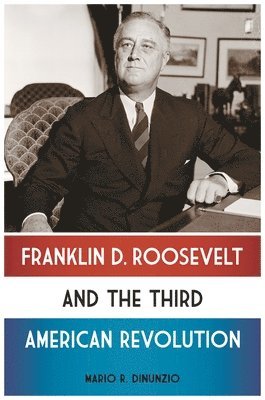
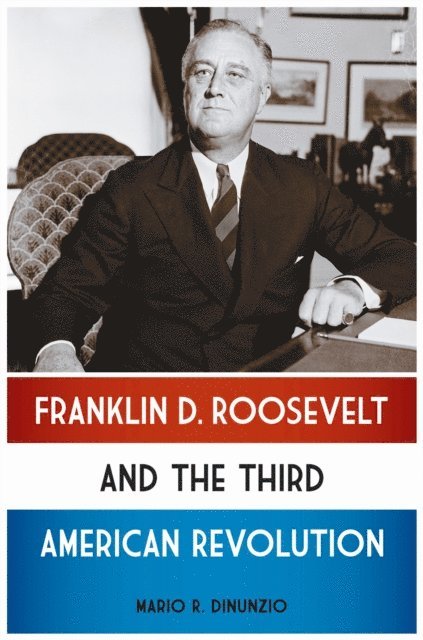
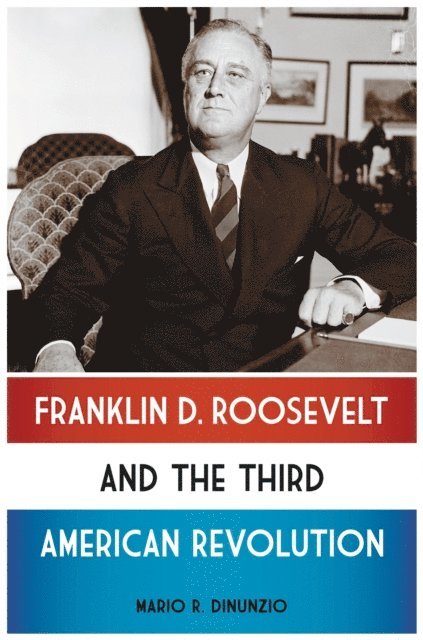
Franklin D. Roosevelt and the Third American Revolution
Inbunden, 2011
516 kr
Lägg i varukorg
This book argues that Franklin D. Roosevelt's work—of which the New Deal was a prime example—was rooted in a definitive political ideology tied to the ideals of the Progressive movement and the social gospel of the late 19th century.Roosevelt's New Deal resulted in such dramatic changes within the …
Franklin D. Roosevelt and the Third American Revolution
E-bok, 2011
546 kr
Lägg i varukorg
This book argues that Franklin D. Roosevelt's work—of which the New Deal was a prime example—was rooted in a definitive political ideology tied to the ideals of the Progressive movement and the social gospel of the late 19th century. Roosevelt's New Deal resulted in such dramatic changes within the …
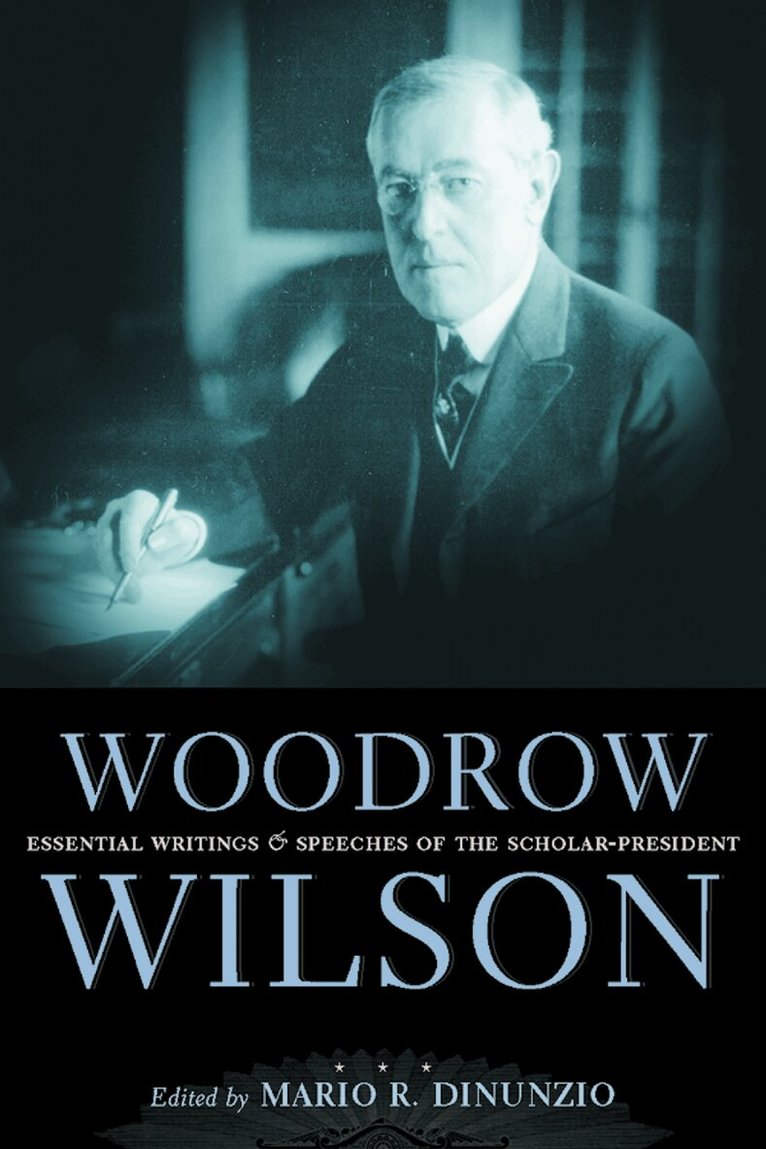
Woodrow Wilson
Essential Writings and Speeches of the Scholar-President
Inbunden, 2006
802 kr
Lägg i varukorg
From the Ivy League to the oval office, Woodrow Wilson was the only professional scholar to become a U.S. president. A professor of history and political science, Wilson became the dynamic president of Princeton University in 1902 and was one of its most prolific scholars before entering active …
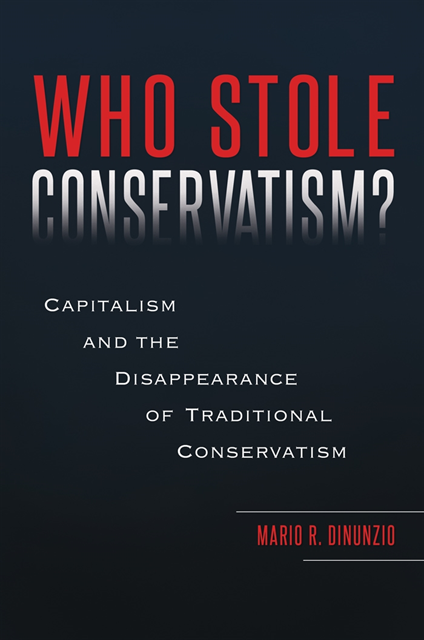
Who Stole Conservatism?
Capitalism and the Disappearance of Traditional Conservatism
Inbunden, 2016
641 kr
Lägg i varukorg
A compelling explanation of how conservatism is no longer what its founders intended and how it has been transformed into a tool of materialist economics and emptied of much of its original meaning.During America's 19th-century Gilded Age, free-enterprise capitalist ideas distorted and deeply …
Who Stole Conservatism?
Capitalism and the Disappearance of Traditional Conservatism
E-bok, 2016
702 kr
Lägg i varukorg
A compelling explanation of how conservatism is no longer what its founders intended and how it has been transformed into a tool of materialist economics and emptied of much of its original meaning. During America's 19th-century Gilded Age, free-enterprise capitalist ideas distorted and deeply …
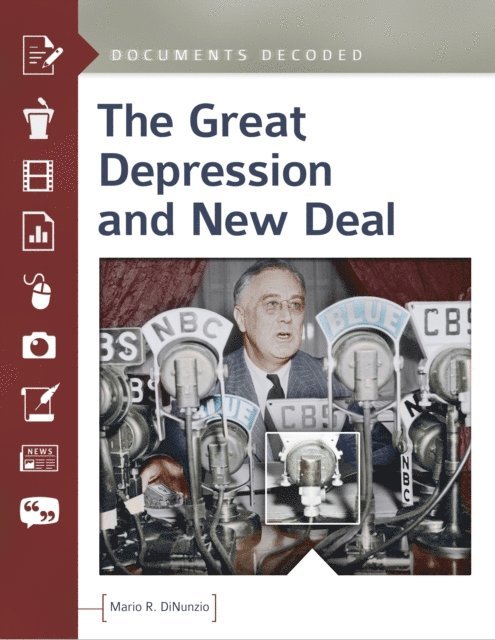
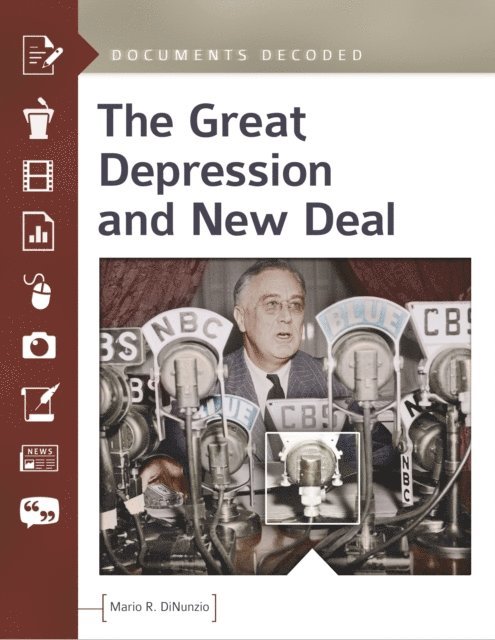
Great Depression and New Deal
Documents Decoded
Inbunden, 2014
1102 kr
Lägg i varukorg
The political ideas that resulted from confronting the crisis of the Great Depression and the New Deal of the early 20th century reshaped America. This documentary history collects a range of primary sources to illuminate this critical period in U.S. history.This accessibly written work provides a …
Great Depression and New Deal
Documents Decoded
E-bok, 2014
1204 kr
Lägg i varukorg
The political ideas that resulted from confronting the crisis of the Great Depression and the New Deal of the early 20th century reshaped America. This documentary history collects a range of primary sources to illuminate this critical period in U.S. history. This accessibly written work provides a …
Franklin D. Roosevelt and the Third American Revolution
E-bok, 2011
562 kr
Lägg i varukorg
This book argues that Franklin D. Roosevelt's work—of which the New Deal was a prime example—was rooted in a definitive political ideology tied to the ideals of the Progressive movement and the social gospel of the late 19th century. Roosevelt's New Deal resulted in such dramatic changes within the …
Great Depression and New Deal
Documents Decoded
E-bok, 2014
1178 kr
Lägg i varukorg
The political ideas that resulted from confronting the crisis of the Great Depression and the New Deal of the early 20th century reshaped America. This documentary history collects a range of primary sources to illuminate this critical period in U.S. history. This accessibly written work provides a …
Who Stole Conservatism?
Capitalism and the Disappearance of Traditional Conservatism
E-bok, 2016
702 kr
Lägg i varukorg
A compelling explanation of how conservatism is no longer what its founders intended and how it has been transformed into a tool of materialist economics and emptied of much of its original meaning. During America's 19th-century Gilded Age, free-enterprise capitalist ideas distorted and deeply …