Marion Leonard - Böcker
Visar alla böcker från författaren Marion Leonard. Handla med fri frakt och snabb leverans.
8 produkter
8 produkter
2 325 kr
Kommande
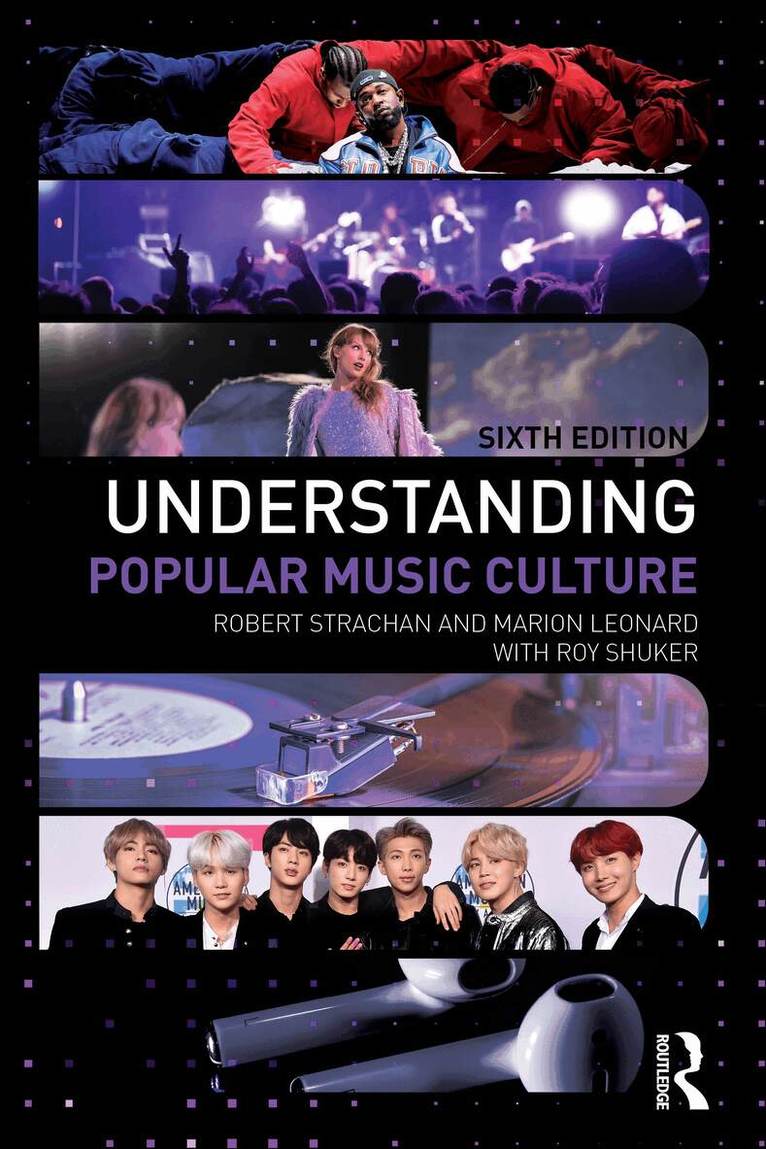
This completely revised and updated 6th edition of Understanding Popular Music Culture provides an accessible and comprehensive introduction to the production, distribution, consumption and meanings of popular music in the post-digital age.Reflecting the breadth of scholarship within popular music studies and charting key elements of popular music culture in the post-digital age, this new edition has been expanded and comprehensively updated to offer an essential guide to the field. This new edition includes:• Examination of platformisation, music streaming, and AI’s evolving implications on music production and consumption.• Insights into contemporary musical texts and genres including EDM, drill, metal and reggaeton, with case studies on major artists including Adele, Chance the Rapper, Max Martin, Ed Sheeran and Taylor Swift.• Discussion of artist branding, viral videos, ‘cancel culture’, digital production technologies and pop songwriting.• Brand new chapter on gender and sexuality, with focussed discussion of hip hop, hyperpop and work within the music industries.• Extended coverage of contemporary fandoms, with a spotlight on BTS, plus consideration of music’s role in social justice movements from Black Lives Matter to climate change.This book is written for undergraduate and graduate students studying popular music, cultural studies, media studies and sociology. It is ideal for instructors teaching courses on popular music culture, music industry studies or contemporary cultural analysis, as well as researchers seeking a comprehensive understanding of how popular music functions in today’s digital landscape.
635 kr
Kommande
This completely revised and updated 6th edition of Understanding Popular Music Culture provides an accessible and comprehensive introduction to the production, distribution, consumption and meanings of popular music in the post-digital age.Reflecting the breadth of scholarship within popular music studies and charting key elements of popular music culture in the post-digital age, this new edition has been expanded and comprehensively updated to offer an essential guide to the field. This new edition includes:• Examination of platformisation, music streaming, and AI’s evolving implications on music production and consumption.• Insights into contemporary musical texts and genres including EDM, drill, metal and reggaeton, with case studies on major artists including Adele, Chance the Rapper, Max Martin, Ed Sheeran and Taylor Swift.• Discussion of artist branding, viral videos, ‘cancel culture’, digital production technologies and pop songwriting.• Brand new chapter on gender and sexuality, with focussed discussion of hip hop, hyperpop and work within the music industries.• Extended coverage of contemporary fandoms, with a spotlight on BTS, plus consideration of music’s role in social justice movements from Black Lives Matter to climate change.This book is written for undergraduate and graduate students studying popular music, cultural studies, media studies and sociology. It is ideal for instructors teaching courses on popular music culture, music industry studies or contemporary cultural analysis, as well as researchers seeking a comprehensive understanding of how popular music functions in today’s digital landscape.
649 kr
Skickas inom 10-15 vardagar
This volume examines the location of memories and histories of popular music and its multiple pasts, exploring the different ‘places’ in which popular music can be situated, including the local physical site, the museum storeroom and exhibition space, and the digitized archive and display space made possible by the internet. Contributors from a broad range of disciplines such as archive studies, popular music studies, media and cultural studies, leisure and tourism, sociology, museum studies, communication studies, cultural geography, and social anthropology visit the specialized locus of popular music histories and heritage, offering diverse set of approaches. Popular music studies has increasingly engaged with popular music histories, exploring memory processes and considering identity, collective and cultural memory, and notions of popular culture’s heritage values, yet few accounts have spatially located such trends to focus on the spaces and places where we encounter and engender our relationship with popular music’s history and legacies. This book offers a timely re-evaluation of such sites, reinserting them into the narratives of popular music and offering new perspectives on their function and significance within the production of popular music heritage. Bringing together recent research based on extensive fieldwork from scholars of popular music studies, cultural sociology, and museum studies, alongside the new insights of practice-based considerations of current practitioners within the field of popular music heritage, this is the first collection to address the interdisciplinary interest in situating popular music histories, heritages, and pasts. The book will therefore appeal to a wide and growing academic readership focused on issues of heritage, cultural memory, and popular music, and provide a timely intervention in a field of study that is engaging scholars from across a broad spectrum of disciplinary backgrounds and theoretical perspectives.
2 150 kr
Skickas inom 10-15 vardagar
This volume examines the location of memories and histories of popular music and its multiple pasts, exploring the different ‘places’ in which popular music can be situated, including the local physical site, the museum storeroom and exhibition space, and the digitized archive and display space made possible by the internet. Contributors from a broad range of disciplines such as archive studies, popular music studies, media and cultural studies, leisure and tourism, sociology, museum studies, communication studies, cultural geography, and social anthropology visit the specialized locus of popular music histories and heritage, offering diverse set of approaches. Popular music studies has increasingly engaged with popular music histories, exploring memory processes and considering identity, collective and cultural memory, and notions of popular culture’s heritage values, yet few accounts have spatially located such trends to focus on the spaces and places where we encounter and engender our relationship with popular music’s history and legacies. This book offers a timely re-evaluation of such sites, reinserting them into the narratives of popular music and offering new perspectives on their function and significance within the production of popular music heritage. Bringing together recent research based on extensive fieldwork from scholars of popular music studies, cultural sociology, and museum studies, alongside the new insights of practice-based considerations of current practitioners within the field of popular music heritage, this is the first collection to address the interdisciplinary interest in situating popular music histories, heritages, and pasts. The book will therefore appeal to a wide and growing academic readership focused on issues of heritage, cultural memory, and popular music, and provide a timely intervention in a field of study that is engaging scholars from across a broad spectrum of disciplinary backgrounds and theoretical perspectives.
733 kr
Skickas inom 10-15 vardagar
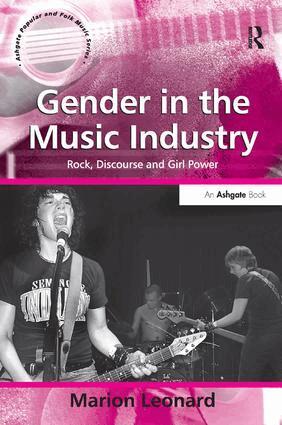
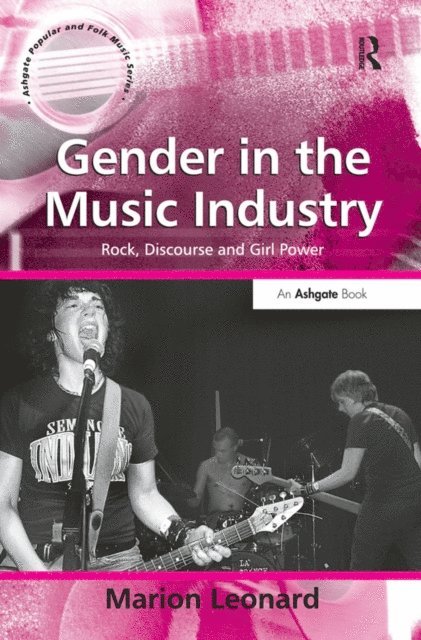
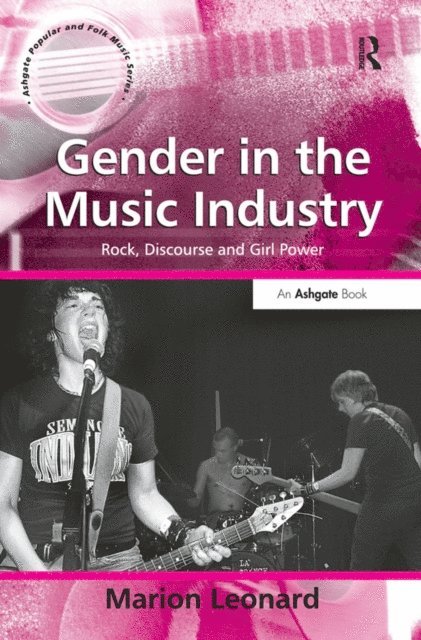
Why, despite the number of high profile female rock musicians, does rock continue to be understood as masculine? Why is rock generally assumed to be created and performed by men? Marion Leonard explores different representations of masculinity offered by, and performed through, rock music, and examines how female rock performers negotiate this gendering of rock as masculine. A major concern of the book is not specifically with men or with women performing rock, but with how notions of gender affect the everyday experiences of all rock musicians within the context of the music industry. Leonard addresses core issues relating to gender, rock and the music industry through a case study of 'female-centred' bands from the UK and US performing so called 'indie rock' from the 1990s to the present day. Using original interview material with both amateur and internationally renowned musicians, the book further addresses the fact that the voices of musicians have often been absent from music industry studies. Leonard's central aim is to progress from feminist scholarship that has documented and explored the experience of female musicians, to presenting an analytic discussion of gender and the music industry. In this way, the book engages directly with a number of under-researched areas: the impact of gender on the everyday life of performing musicians; gendered attitudes in music journalism, promotion and production; the responses and strategies developed by female performers; the feminist network riot grrrl and the succession of international festivals it inspired under the name of Ladyfest.
2 772 kr
Skickas inom 10-15 vardagar
Why, despite the number of high profile female rock musicians, does rock continue to be understood as masculine? Why is rock generally assumed to be created and performed by men? Marion Leonard explores different representations of masculinity offered by, and performed through, rock music, and examines how female rock performers negotiate this gendering of rock as masculine. A major concern of the book is not specifically with men or with women performing rock, but with how notions of gender affect the everyday experiences of all rock musicians within the context of the music industry. Leonard addresses core issues relating to gender, rock and the music industry through a case study of 'female-centred' bands from the UK and US performing so called 'indie rock' from the 1990s to the present day. Using original interview material with both amateur and internationally renowned musicians, the book further addresses the fact that the voices of musicians have often been absent from music industry studies. Leonard's central aim is to progress from feminist scholarship that has documented and explored the experience of female musicians, to presenting an analytic discussion of gender and the music industry. In this way, the book engages directly with a number of under-researched areas: the impact of gender on the everyday life of performing musicians; gendered attitudes in music journalism, promotion and production; the responses and strategies developed by female performers; the feminist network riot grrrl and the succession of international festivals it inspired under the name of Ladyfest.
1 897 kr
Skickas inom 7-10 vardagar
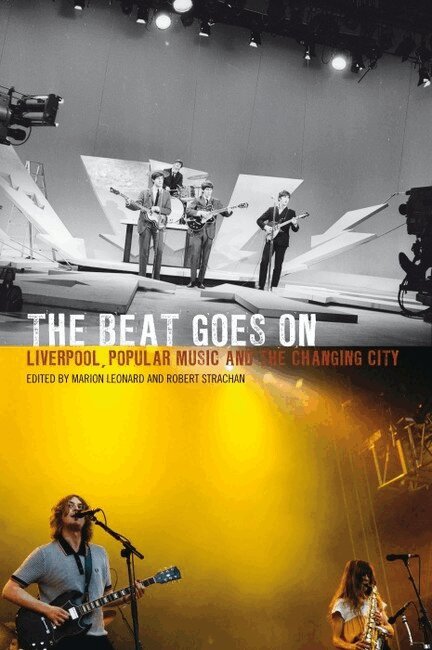
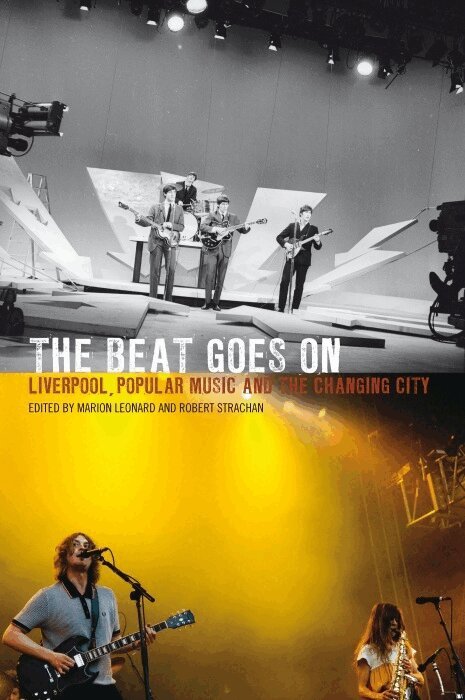
In 2001 the Guinness Book of Records declared Liverpool ‘City of Pop’, the City that has produced more hit records than anywhere else. But why is Liverpool so important musically and how has it sustained its importance from the Beatles to the Zutons via Echo and the Bunnymen, Cream, The La’s and others?The Beat Goes On is a critical historical account of popular music in Liverpool which explores the contextual, creative and geographical factors that have contributed to the city’s status as a major centre of creativity within Anglo-Amercian popular music. Rather than attempting to create a singular linear account of the history of popular music and its cultures within the city the book will take a thematic and case-study approach which will offer a new approach to the study of the subject. The book is therefore necessarily interdisciplinary with contributions from experts from the field of popular music history, cultural geography, ethnography and musicology, alongside essays and interviews with Liverpool musicians.
820 kr
Skickas inom 3-6 vardagar
In 2001 the Guinness Book of Records declared Liverpool ‘City of Pop’, the City that has produced more hit records than anywhere else. But why is Liverpool so important musically and how has it sustained its importance from the Beatles to the Zutons via Echo and the Bunnymen, Cream, The La’s and others?The Beat Goes On is a critical historical account of popular music in Liverpool which explores the contextual, creative and geographical factors that have contributed to the city’s status as a major centre of creativity within Anglo-Amercian popular music. Rather than attempting to create a singular linear account of the history of popular music and its cultures within the city the book will take a thematic and case-study approach which will offer a new approach to the study of the subject. The book is therefore necessarily interdisciplinary with contributions from experts from the field of popular music history, cultural geography, ethnography and musicology, alongside essays and interviews with Liverpool musicians.