Mark Delancey - Böcker
Visar alla böcker från författaren Mark Delancey. Handla med fri frakt och snabb leverans.
2 produkter
2 produkter
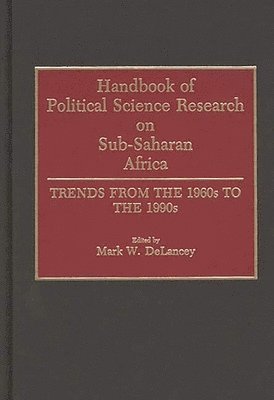
Handbook of Political Science Research on Sub-Saharan Africa
Trends from the 1960s to the 1990s
Inbunden, Engelska, 1992
875 kr
Skickas inom 10-15 vardagar
The last 30 years of African political history has followed a cycle from the euphoria of independence to the depression of economic recession and autocracy to the new era of euphoria as the democracy movement sweeps the continent. This reference handbook offers an analytical survey of research on African political history for this period, 1960-1990. Fifteen leading scholars address overall patterns, changing perspectives, and areas requiring additional research from nine different national and regional viewpoints. This expert assessment of the significant literature on African political affairs should be of great value to political scientists, historians, and specialists in African affairs.The handbook is divided into three parts. The first presents continent-wide responses to political and social change highlighting the work of the first generation of African political scientists. Analyses of studies of development administration and international relations are included in this section. The second part contains five regional surveys covering political history, colonialism, nationalism, the post-colonial state, war, and foreign relations. The regions are Eastern Africa, Southern Africa, Equatorial Africa, Portuguese-speaking Africa, and the Horn. Four country studies make up the third part: Cote d'Ivoire, Ghana, Nigeria, and South Africa. An appendix listing social science research centers in the sub-Saharan area and a general bibliography on African politics complete this fully indexed volume.
Del 5 - African History
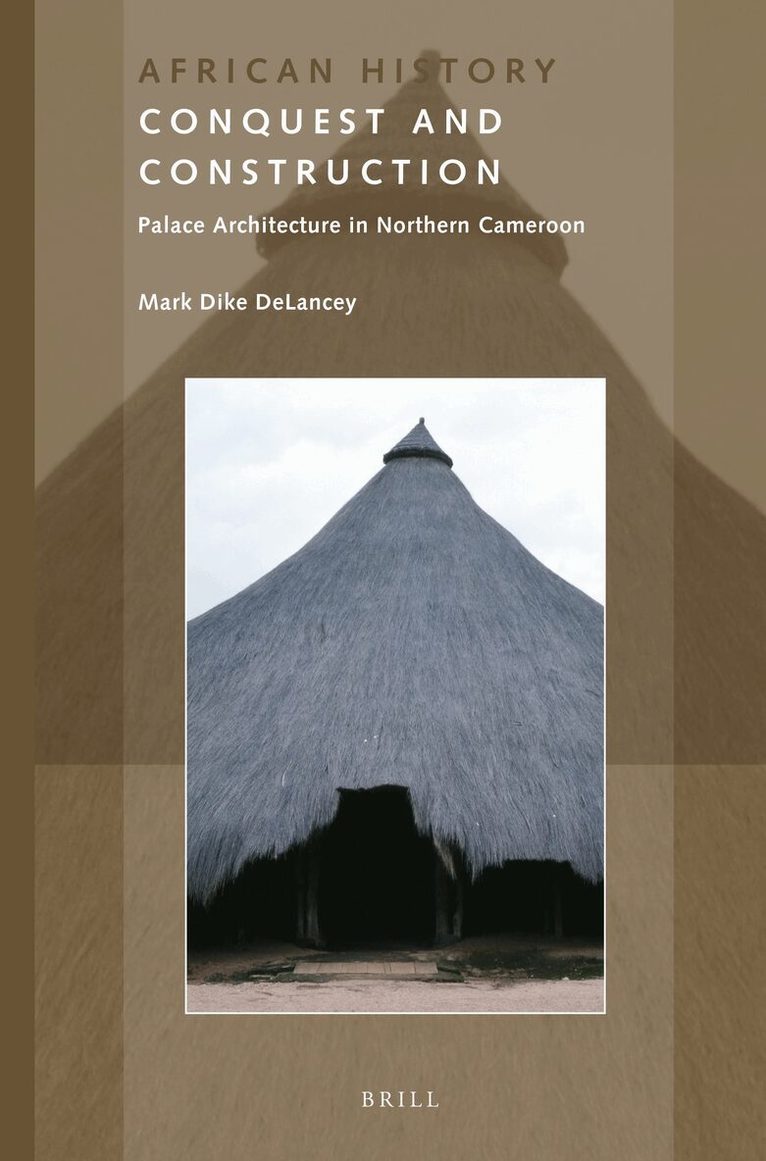
Conquest and Construction
Palace Architecture in Northern Cameroon
Häftad, Engelska, 2016
1 531 kr
Skickas inom 5-8 vardagar
In Conquest and Construction Mark Dike DeLancey investigates the palace architecture of northern Cameroon, a region that was conquered in the early nineteenth century by primarily semi-nomadic, pastoralist, Muslim, Fulɓe forces and incorporated as the largest emirate of the Sokoto Caliphate. Palace architecture is considered first and foremost as political in nature, and therefore as responding not only to the needs and expectations of the conquerors, but also to those of the largely sedentary, agricultural, non-Muslim conquered peoples who constituted the majority population. In the process of reconciling the cultures of these various constituents, new architectural forms and local identities were constructed.