Mark Duguid - Böcker
Visar alla böcker från författaren Mark Duguid. Handla med fri frakt och snabb leverans.
10 produkter
10 produkter
1 067 kr
Skickas inom 7-10 vardagar
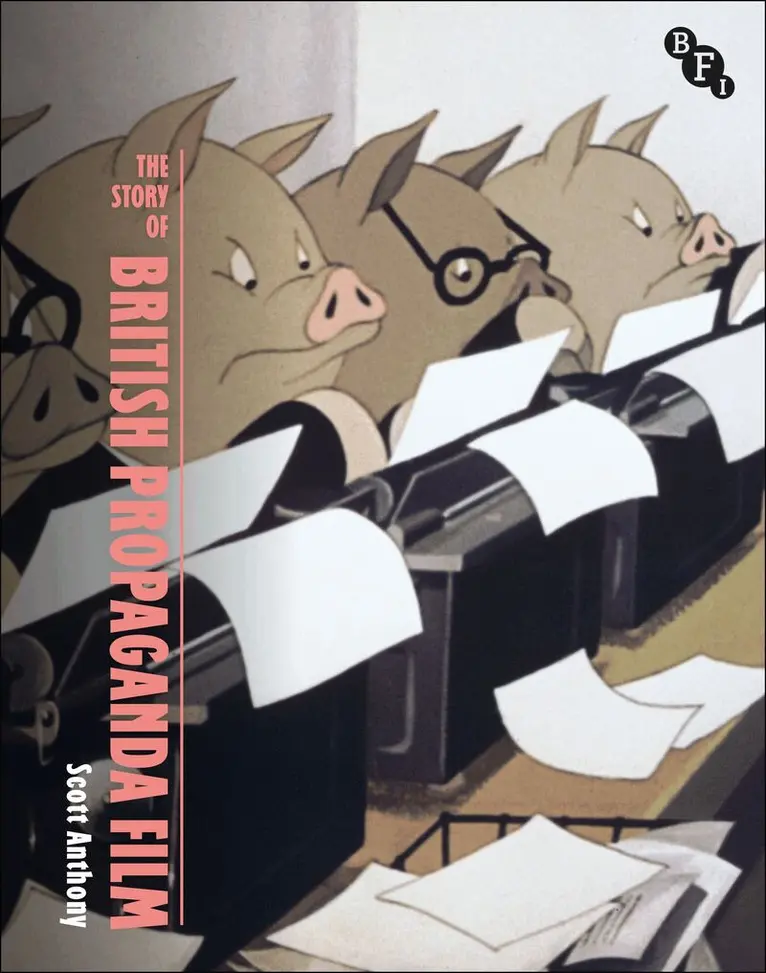
‘All art is propaganda,’ wrote George Orwell, ‘but not all propaganda is art.’ Moving from World War I to the ‘War on Terror’ and beyond, The Story of British Propaganda Film shows how the emergence of film as a global media phenomenon reshaped practices of propaganda, while new practices of propaganda in turn reshaped the use of the moving image. It explores classic examples of cinematic propaganda such as The Battle of the Somme (1916), Listen to Britain (1942) and Animal Farm (1954) alongside little-known newsreels, ‘telemagazines’ and digital media initiatives, in the process challenging our understanding of propaganda itself, and its many diverse manifestations.Richly illustrated with unique material from the BFI National Archive, the book shows how central propaganda is to the development of British film, and how it has filtered our understanding of modern British history, from narratives of decolonisation to the celebration of pop culture and the meanings of the postwar consensus. In a contemporary moment so preoccupied with misinformation, malinformation and disinformation, Scott Anthony explains why the response to the ubiquity of the propaganda film has often turned out to be the production of ever more propaganda.
351 kr
Skickas inom 7-10 vardagar
‘All art is propaganda,’ wrote George Orwell, ‘but not all propaganda is art.’ Moving from World War I to the ‘War on Terror’ and beyond, The Story of British Propaganda Film shows how the emergence of film as a global media phenomenon reshaped practices of propaganda, while new practices of propaganda in turn reshaped the use of the moving image. It explores classic examples of cinematic propaganda such as The Battle of the Somme (1916), Listen to Britain (1942) and Animal Farm (1954) alongside little-known newsreels, ‘telemagazines’ and digital media initiatives, in the process challenging our understanding of propaganda itself, and its many diverse manifestations.Richly illustrated with unique material from the BFI National Archive, the book shows how central propaganda is to the development of British film, and how it has filtered our understanding of modern British history, from narratives of decolonisation to the celebration of pop culture and the meanings of the postwar consensus. In a contemporary moment so preoccupied with misinformation, malinformation and disinformation, Scott Anthony explains why the response to the ubiquity of the propaganda film has often turned out to be the production of ever more propaganda.
403 kr
Skickas inom 7-10 vardagar
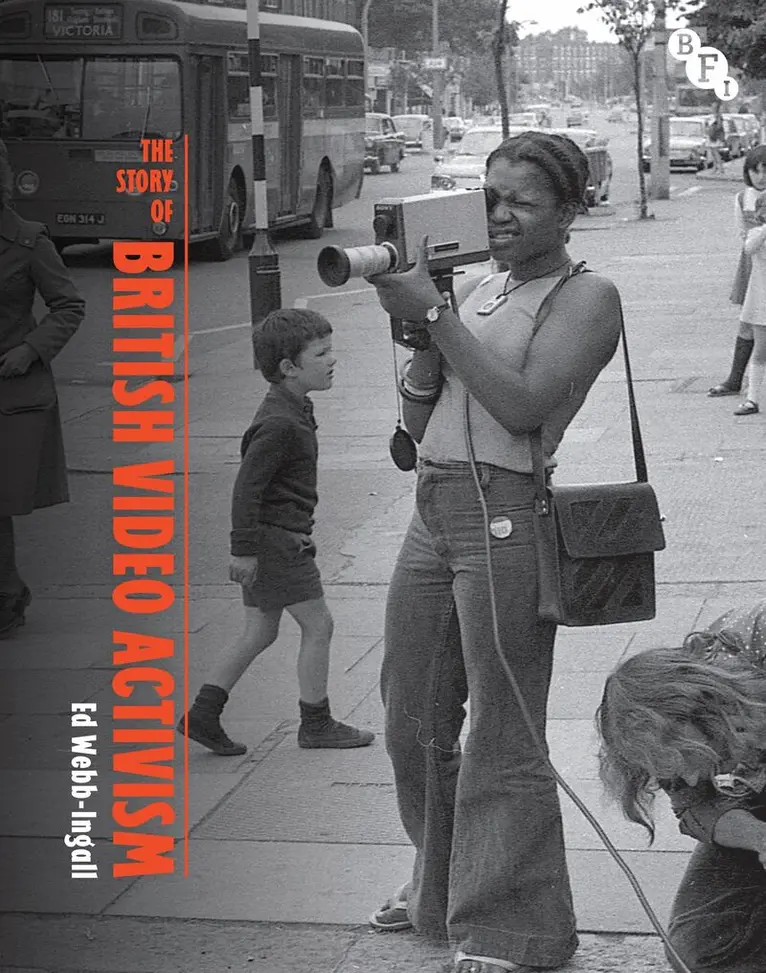
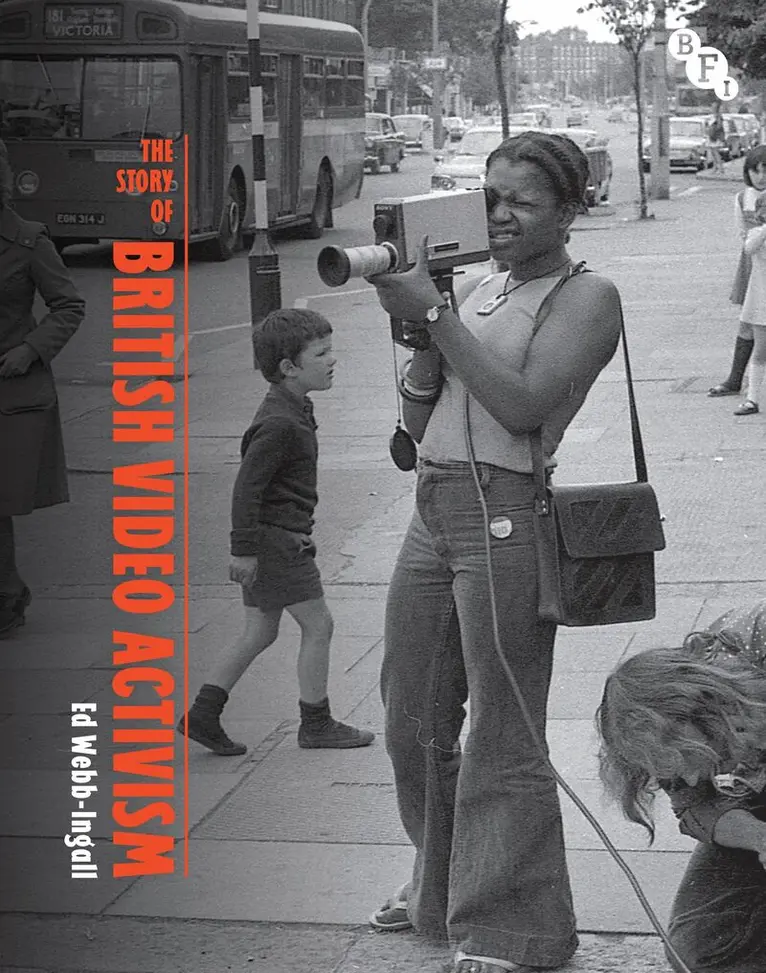
The coming of videotape, cheaper and more flexible than film, transformed the production and distribution of moving images, and political activists were among the first to recognise its potential. The Story of British Video Activism is the first book-length account of this vitally innovative but unjustly neglected filmmaking. Ed Webb-Ingall traces the democratising impact of portable video recording technology from the late 1960s to the early 21st century. He introduces pioneering and dynamic videomakers from John ‘Hoppy’ Hopkins to Liberation Films and Ceddo Film and Video Workshop, showing how video played a powerful role in local and national campaigns on issues including housing, labour struggles and racial justice.This book reveals the grassroots radicalism of generations of video activists who put cameras in the hands of campaigners and marginalised groups to equip them to challenge authority and fight for tangible change. Close-Ups highlight innovative hardware and campaigns from the miners’ strike to AIDS activism. Webb-Ingall shows that the spirit of analogue videotape lives on in today’s digital video activism.
1 174 kr
Skickas
The coming of videotape, cheaper and more flexible than film, transformed the production and distribution of moving images, and political activists were among the first to recognise its potential. The Story of British Video Activism is the first book-length account of this vitally innovative but unjustly neglected filmmaking. Ed Webb-Ingall traces the democratising impact of portable video recording technology from the late 1960s to the early 21st century. He introduces pioneering and dynamic videomakers from John ‘Hoppy’ Hopkins to Liberation Films and Ceddo Film and Video Workshop, showing how video played a powerful role in local and national campaigns on issues including housing, labour struggles and racial justice.This book reveals the grassroots radicalism of generations of video activists who put cameras in the hands of campaigners and marginalised groups to equip them to challenge authority and fight for tangible change. Close-Ups highlight innovative hardware and campaigns from the miners’ strike to AIDS activism. Webb-Ingall shows that the spirit of analogue videotape lives on in today’s digital video activism.
635 kr
Kommande
1 747 kr
Kommande
345 kr
Skickas inom 7-10 vardagar
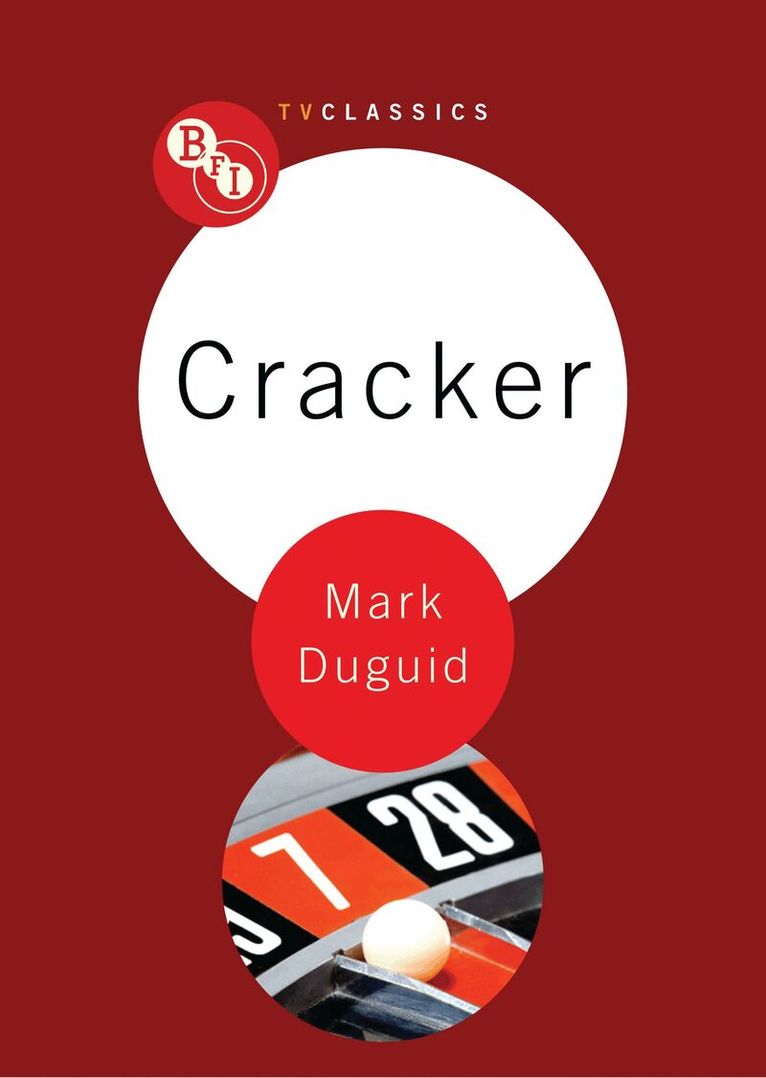
Cracker (1993-6; 2007) was one of the standout television series of the 1990s, reinvigorating the television crime drama and winning both critical plaudits and ratings success. In Fitz, its flawed, self-destructive, arrogant but brilliant criminal psychologist hero, the series created one of the decade's most iconic characters, in the process turning Robbie Coltrane from a respected comic performer into an award-winning actor and a genuine star.Cracker played freely with the conventions of the detective thriller, focusing less on the 'who' of crime than the 'why'. As such it followed a Catholic preoccupation with deep motive and moral responsibility shared by Fitz and his creator Jimmy McGovern, the first and most dominant of the series' three writers. Through three series and two specials, Cracker explored the causes and consequences of crime, while never losing sight of the moral choices made by its perpetrators. At the same time the series exposed the inherent dangers of a police force in pursuit not of justice but of 'results'.Mark Duguid's illuminating study of Cracker traces the series' origins and development in the context of early 1990s television and places it in the contemporary social and political landscape. Duguid explores the series' distinctive moral focus, paying particular attention to Cracker's concerns with justice and the impact of bereavement and grief, most notably in McGovern's impassioned engagement with the devastation caused by the Hillsborough disaster and its aftermath. Combining detailed textual analysis with insights drawn from interviews with McGovern and producer Gub Neal, Duguid reveals how one of the angriest, toughest series of its time is also, paradoxically, one of the most compassionate.Mark Duguid is a Senoir Curator of the BFI National Archive, and is the editor of, and a major contributor to BFI Screenonline, an online research and educational resource devoted to the history of film and television in Britain. He has contributed to Sight& Sound magazine and to the Encyclopedia of Television (2004).
348 kr
Skickas inom 7-10 vardagar
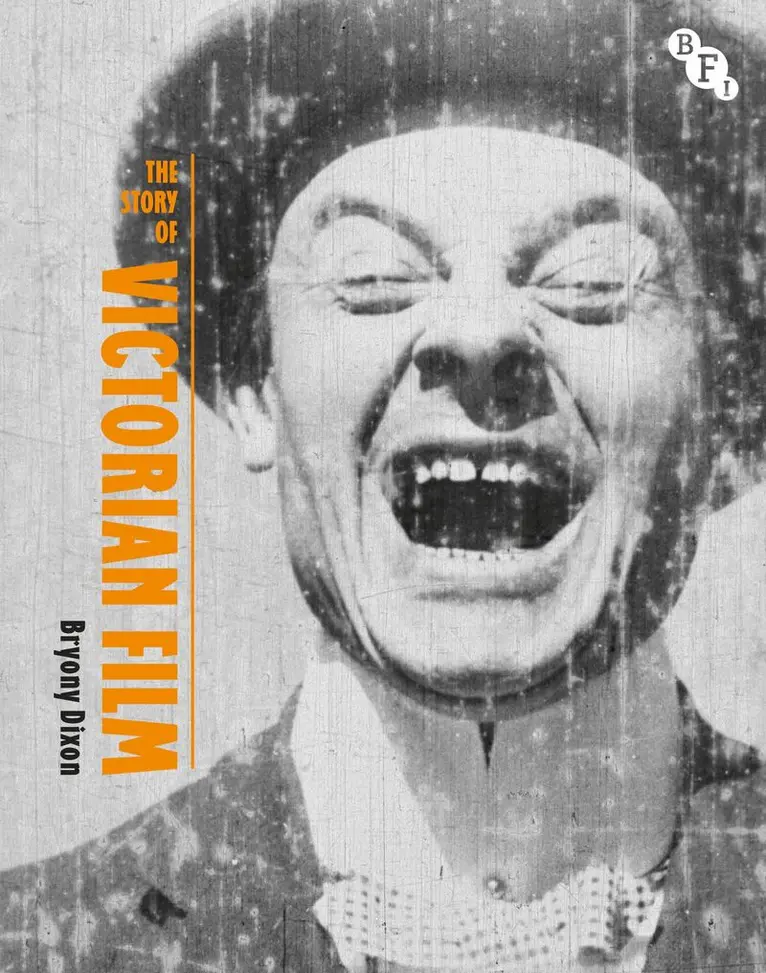
In this vivid and accessible new account of the dawn of film in Britain, internationally respected film historian and curator Bryony Dixon introduces us to Britain's first cinematic pioneers – an eclectic mix of chemists, engineers, photography enthusiasts, fairground showmen and magicians – who in a few short years built a vibrant new industry. As she chronicles the emergence of the first embryonic film forms and genres, she reveals often surprising innovations, from cutting-edge science to ingeniously witty tricks and comedies, with filmmakers reflecting existing entertainment forms as well as advancing editing and cinematography in ways that shaped the art of film for many decades after.Dixon offers fresh insights by focusing on the films themselves – many of them only recently available to view – while building on the work of generations of scholars. In the process, Dixon makes a compelling case for the British filmmakers of the era as inventive and creative figures, every bit as influential as their more celebrated contemporaries in France and the US.
1 030 kr
Skickas inom 7-10 vardagar
In this vivid and accessible new account of the dawn of film in Britain, internationally respected film historian and curator Bryony Dixon introduces us to Britain's first cinematic pioneers – an eclectic mix of chemists, engineers, photography enthusiasts, fairground showmen and magicians – who in a few short years built a vibrant new industry. As she chronicles the emergence of the first embryonic film forms and genres, she reveals often surprising innovations, from cutting-edge science to ingeniously witty tricks and comedies, with filmmakers reflecting existing entertainment forms as well as advancing editing and cinematography in ways that shaped the art of film for many decades after.Dixon offers fresh insights by focusing on the films themselves – many of them only recently available to view – while building on the work of generations of scholars. In the process, Dixon makes a compelling case for the British filmmakers of the era as inventive and creative figures, every bit as influential as their more celebrated contemporaries in France and the US.
373 kr
Skickas inom 7-10 vardagar
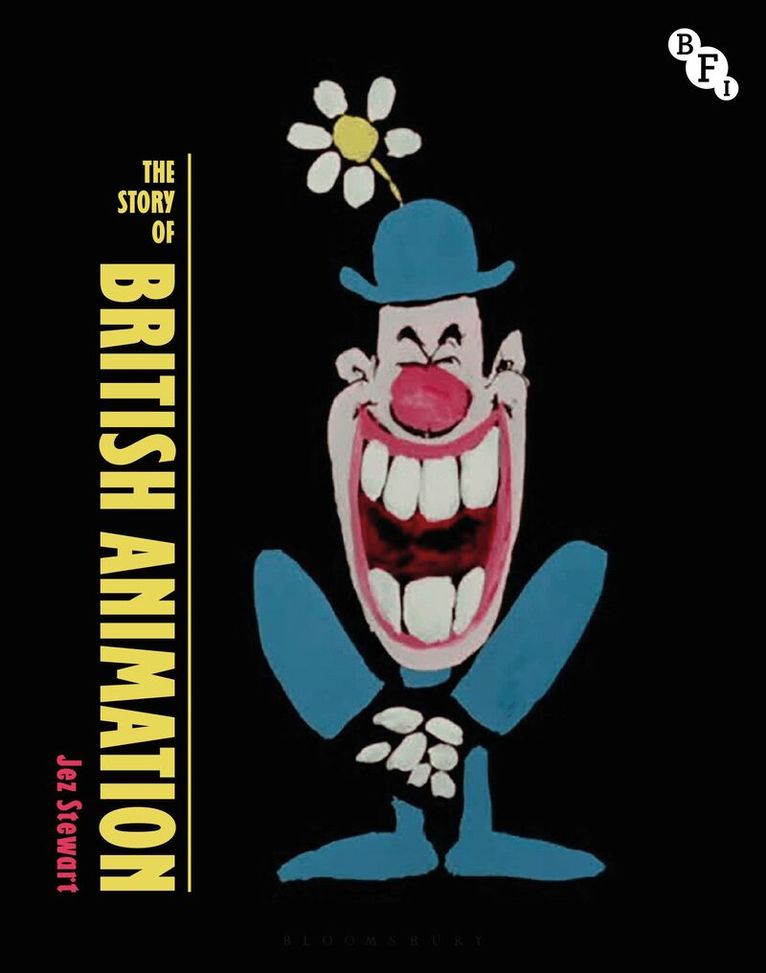
A Sight & Sound Book of the YearJez Stewart charts the course of this extraordinarily fertile area of British film from early experiments with stop-motion and the flourishing of animated drawings during WWI. He reveals how the rockier interwar period set the shape of the industry in enduring ways, and how creatives like Len Lye and Lotte Reiniger brought art to advertising and sponsored films, building a foundation for such distinctive talents as Bob Godfrey, Alison De Vere and George Dunning to unleash their independent visions in the age of commercial TV. Stewart highlights the integral role of women in the industry, the crucial boost delivered by the arrival of Channel 4, the emergence of online animation and much more. The book features ‘close-up’ analyses of key animators such as Lancelot Speed and Richard Williams, as well as more thematic takes on art, politics and music. It builds a framework for better appreciating Britain’s landmark contributions to the art of animation, including Halas and Batchelor’s Animal Farm (1954), Dunning’s Yellow Submarine (1968) and the creations of Aardman Animations.