Mark Heimermann - Böcker
Visar alla böcker från författaren Mark Heimermann. Handla med fri frakt och snabb leverans.
4 produkter
4 produkter
995 kr
Skickas inom 10-15 vardagar
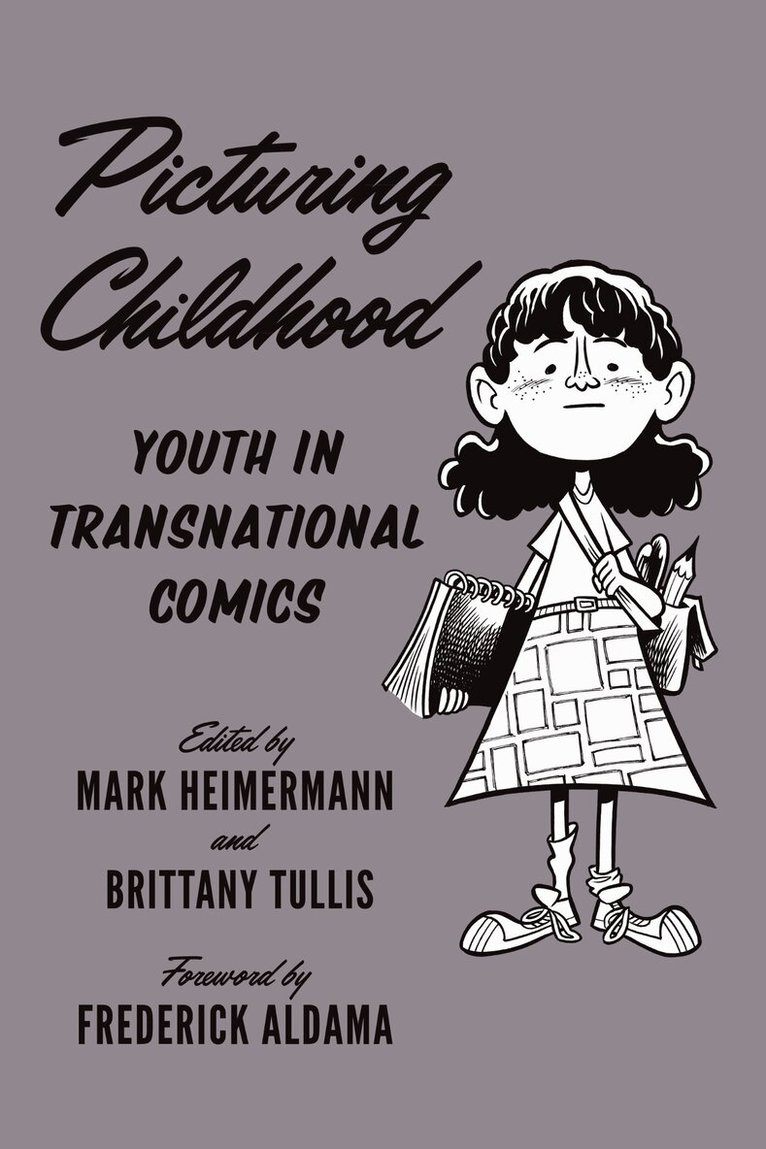
Comics and childhood have had a richly intertwined history for nearly a century. From Richard Outcault’s Yellow Kid, Winsor McCay’s Little Nemo, and Harold Gray’s Little Orphan Annie to HergÉ’s Tintin (Belgium), JosÉ Escobar’s Zipi and Zape (Spain), and Wilhelm Busch’s Max and Moritz (Germany), iconic child characters have given both kids and adults not only hours of entertainment but also an important vehicle for exploring children’s lives and the sometimes challenging realities that surround them.Bringing together comic studies and childhood studies, this pioneering collection of essays provides the first wide-ranging account of how children and childhood, as well as the larger cultural forces behind their representations, have been depicted in comics from the 1930s to the present. The authors address issues such as how comics reflect a spectrum of cultural values concerning children, sometimes even resisting dominant cultural constructions of childhood; how sensitive social issues, such as racial discrimination or the construction and enforcement of gender roles, can be explored in comics through the use of child characters; and the ways in which comics use children as metaphors for other issues or concerns. Specific topics discussed in the book include diversity and inclusiveness in Little Audrey comics of the 1950s and 1960s, the fetishization of adolescent girls in Japanese manga, the use of children to build national unity in Finnish wartime comics, and how the animal/child hybrids in Sweet Tooth act as a metaphor for commodification.
308 kr
Skickas inom 7-10 vardagar
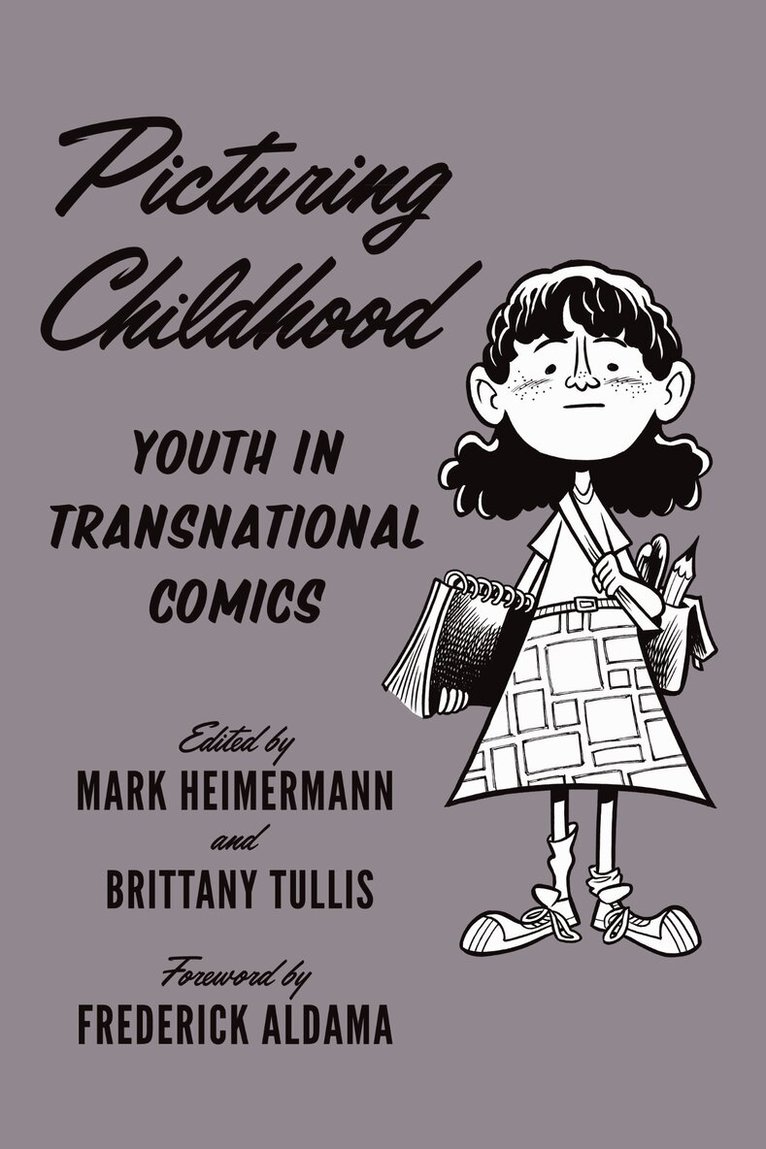
Comics and childhood have had a richly intertwined history for nearly a century. From Richard Outcault’s Yellow Kid, Winsor McCay’s Little Nemo, and Harold Gray’s Little Orphan Annie to HergÉ’s Tintin (Belgium), JosÉ Escobar’s Zipi and Zape (Spain), and Wilhelm Busch’s Max and Moritz (Germany), iconic child characters have given both kids and adults not only hours of entertainment but also an important vehicle for exploring children’s lives and the sometimes challenging realities that surround them.Bringing together comic studies and childhood studies, this pioneering collection of essays provides the first wide-ranging account of how children and childhood, as well as the larger cultural forces behind their representations, have been depicted in comics from the 1930s to the present. The authors address issues such as how comics reflect a spectrum of cultural values concerning children, sometimes even resisting dominant cultural constructions of childhood; how sensitive social issues, such as racial discrimination or the construction and enforcement of gender roles, can be explored in comics through the use of child characters; and the ways in which comics use children as metaphors for other issues or concerns. Specific topics discussed in the book include diversity and inclusiveness in Little Audrey comics of the 1950s and 1960s, the fetishization of adolescent girls in Japanese manga, the use of children to build national unity in Finnish wartime comics, and how the animal/child hybrids in Sweet Tooth act as a metaphor for commodification.
1 196 kr
Skickas inom 7-10 vardagar
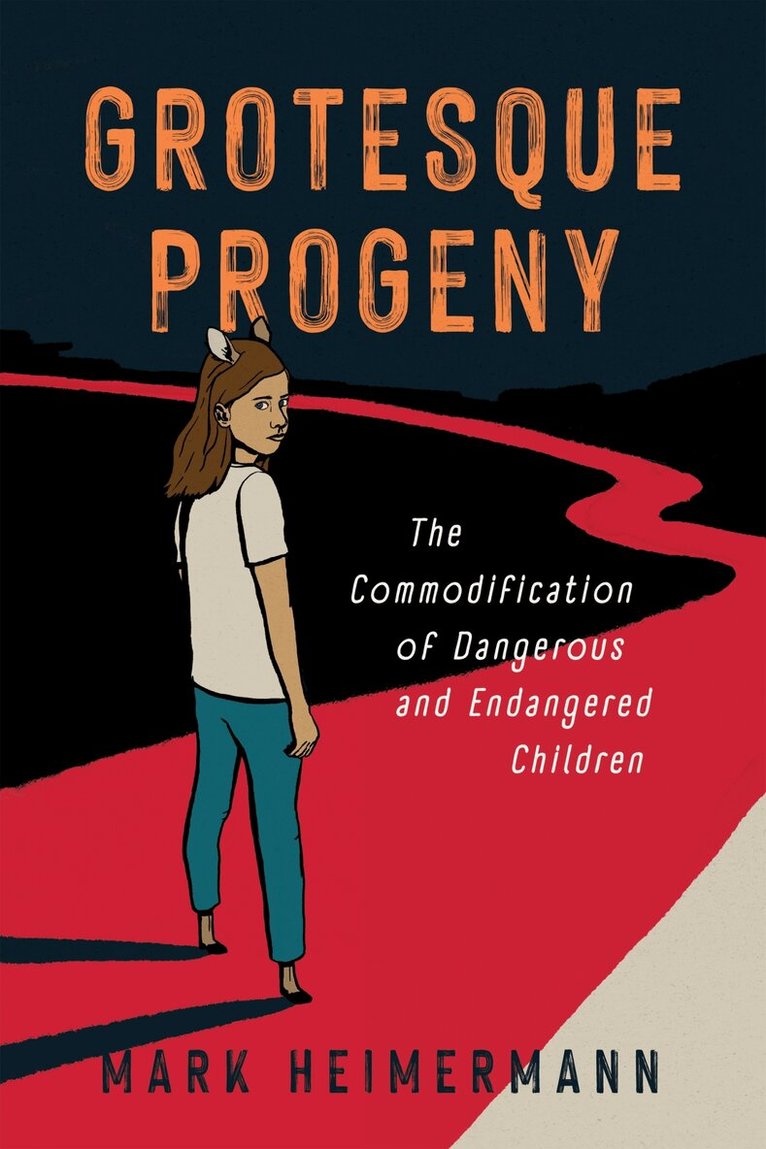
In contemporary Western society, childhood appears more protected than ever to the casual onlooker. Yet, we are increasingly fascinated by narratives in which children are depicted as unsettling beings, both dangerous and endangered, sometimes chaotic or even evil. In Grotesque Progeny: The Commodification of Dangerous and Endangered Children, author Mark Heimermann argues that these representations reflect cultural anxiety regarding a shifting conception of youths from emotional assets to economic ones.In the early to mid-twentieth century, children, who had previously been viewed in part as economic investments, were largely moved out of the work force. For decades, children were instead valued primarily as emotional assets. However, the rise of neoliberal capitalism in the 1970s and 1980s, and its eventual proliferation throughout our politics and our lives, has led to the widespread commodification of social arenas previously kept separate from the capitalist quest for profit. Not even children have escaped being objectified and dehumanized in this manner.Heimermann examines a variety of texts that center on children and adolescents who are marked as different from the adult characters and consequently viewed as grotesque. Chapters cover Jeff Lemire’s Sweet Tooth, M. R. Carey’s The Girl with All the Gifts, Katherine Dunn’s Geek Love, Richard Starkings’s Elephantmen, Kazuo Ishiguro’s Never Let Me Go, and more. Because the young characters are not viewed as equal members of society, they must either strike back at those who commodify them or risk facing a lifetime of dehumanization. Grotesque Progeny argues that these monstrous depictions reveal societal unease over shortsighted economic and political thinking, the exploitation of children, and the changing nature of childhood. The book addresses a growing concern over which spaces ought to be excluded or removed from the harsh valuations of neoliberalism.
354 kr
Skickas inom 7-10 vardagar
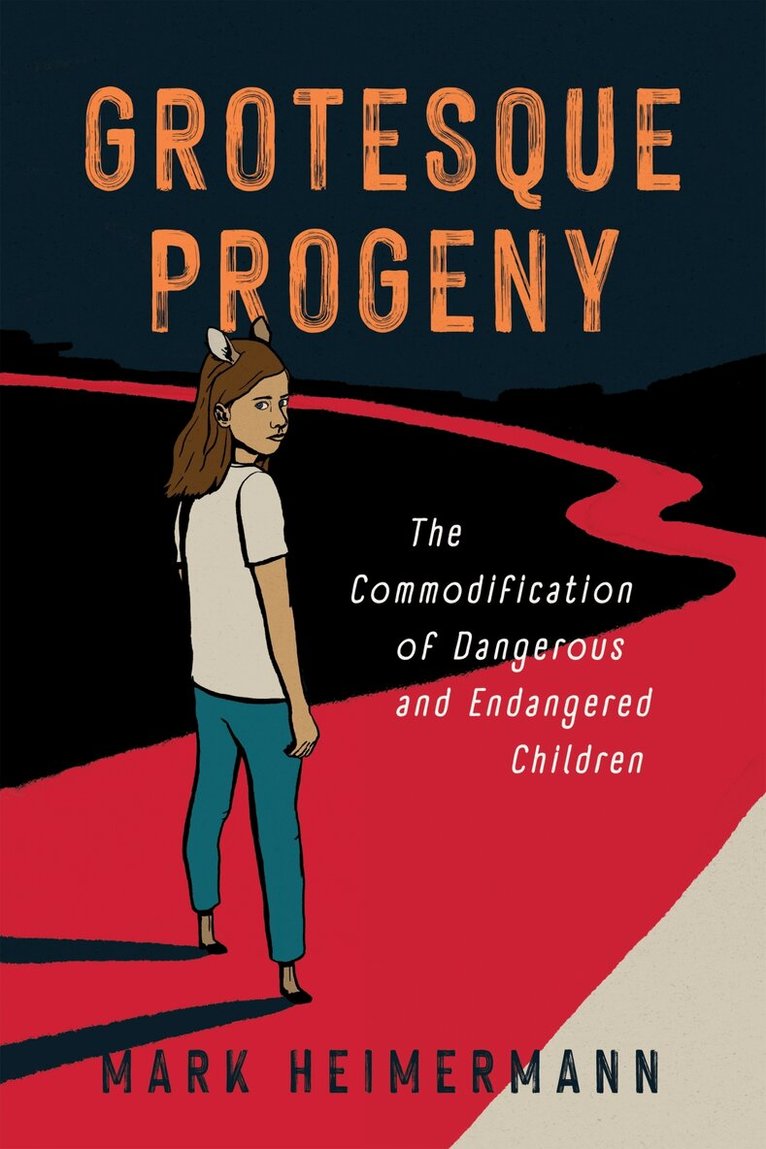
In contemporary Western society, childhood appears more protected than ever to the casual onlooker. Yet, we are increasingly fascinated by narratives in which children are depicted as unsettling beings, both dangerous and endangered, sometimes chaotic or even evil. In Grotesque Progeny: The Commodification of Dangerous and Endangered Children, author Mark Heimermann argues that these representations reflect cultural anxiety regarding a shifting conception of youths from emotional assets to economic ones.In the early to mid-twentieth century, children, who had previously been viewed in part as economic investments, were largely moved out of the work force. For decades, children were instead valued primarily as emotional assets. However, the rise of neoliberal capitalism in the 1970s and 1980s, and its eventual proliferation throughout our politics and our lives, has led to the widespread commodification of social arenas previously kept separate from the capitalist quest for profit. Not even children have escaped being objectified and dehumanized in this manner.Heimermann examines a variety of texts that center on children and adolescents who are marked as different from the adult characters and consequently viewed as grotesque. Chapters cover Jeff Lemire’s Sweet Tooth, M. R. Carey’s The Girl with All the Gifts, Katherine Dunn’s Geek Love, Richard Starkings’s Elephantmen, Kazuo Ishiguro’s Never Let Me Go, and more. Because the young characters are not viewed as equal members of society, they must either strike back at those who commodify them or risk facing a lifetime of dehumanization. Grotesque Progeny argues that these monstrous depictions reveal societal unease over shortsighted economic and political thinking, the exploitation of children, and the changing nature of childhood. The book addresses a growing concern over which spaces ought to be excluded or removed from the harsh valuations of neoliberalism.