Mark Knights - Böcker
Visar alla böcker från författaren Mark Knights. Handla med fri frakt och snabb leverans.
10 produkter
10 produkter
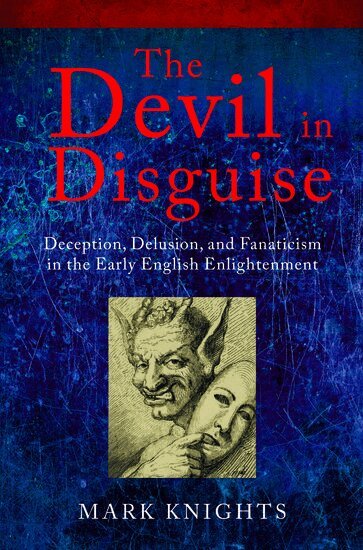
The Devil in Disguise
Deception, Delusion, and Fanaticism in the Early English Enlightenment
Häftad, Engelska, 2015
524 kr
Skickas inom 7-10 vardagar
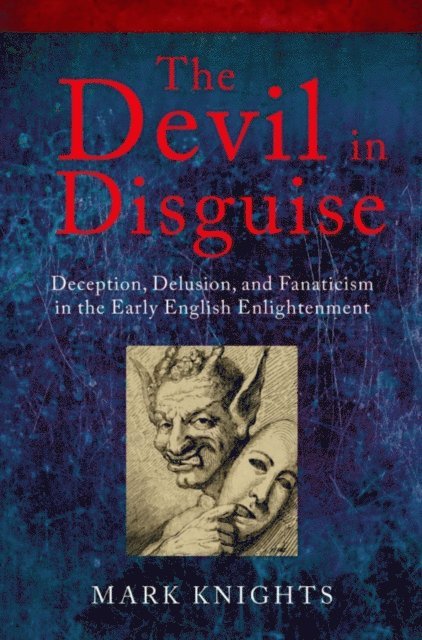
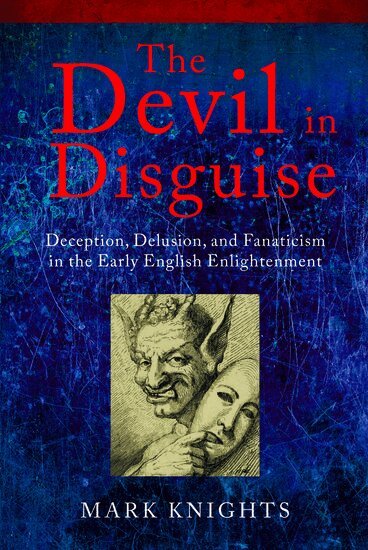
The Devil in Disguise illuminates the impact of the two British revolutions of the seventeenth century and the shifts in religious, political, scientific, literary, economic, social, and moral culture that they brought about. It does so through the fascinating story of one family and their locality: the Cowpers of Hertford. Their dramatic history contains a murder mystery, bigamy, a scandal novel, and a tyrannized wife, all set against a backdrop of violently competing local factions, rampant religious prejudice, and the last conviction of a witch in England. Spencer Cowper was accused of murdering a Quaker, and his brother William had two illegitimate children by his second 'wife'. Their scandalous lives became the source of public gossip, much to the horror of their mother, Sarah, who poured out her heart in a diary that also chronicles her feeling of being enslaved to her husband. Her two sons remained in the limelight. Both were instrumental in the prosecution of Henry Sacheverell, a firebrand cleric who preached a sermon about the illegitimacy of resistance and religious toleration. His parliamentary trial in 1710 provoked serious riots in London. William Cowper also intervened in 1712 to secure the life of Jane Wenham, whose trial provoked a wide-ranging debate about witchcraft beliefs. The Cowpers and their town are a microcosm of a changing world. Their story suggests that an early 'Enlightenment', far from being simply a movement of ideas sparked by 'great thinkers', was shaped and advanced by local and personal struggles.
566 kr
Skickas inom 5-8 vardagar
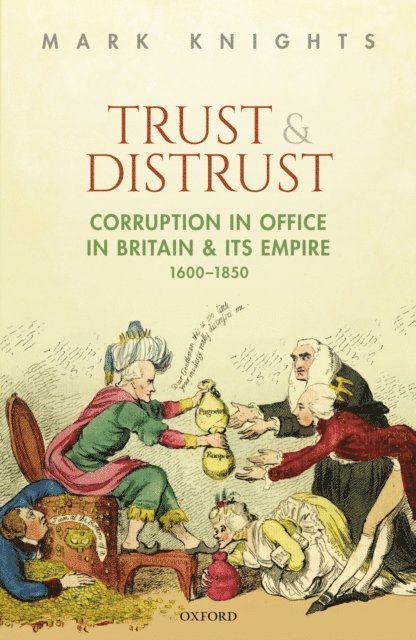
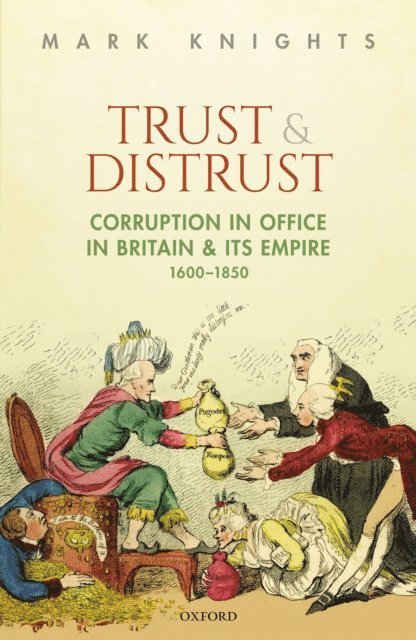
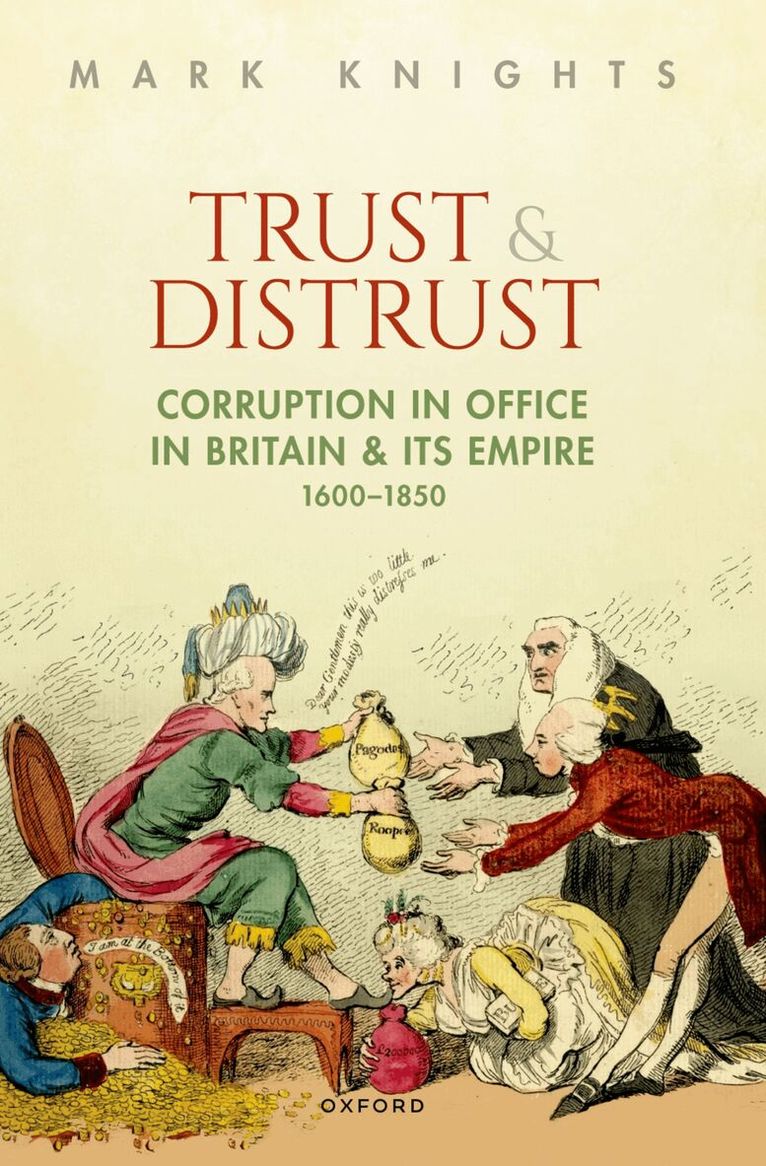
Trust and Distrust offers the first overview of Britain's history of corruption in office in the pre-modern era, 1600-1850, and as such will appeal not only to historians, but also to political and social scientists. Mark Knights paints a picture of the interaction of the domestic and imperial stories of corruption in office, showing how these stories were intertwined and related. Linking corruption in office to the domestic and imperial state has not been attempted before, and Knights does this by drawing on extensive interdisciplinary sources relating to the East India Company as well as other colonial officials in the Atlantic World and elsewhere in Britain's emerging empire.Both 'corruption' and 'office' were concepts that were in evolution during the period 1600-1850 and underwent very significant but protracted change which this study charts and seeks to explain. The book makes innovative use of the concept of trust, which helped to shape office in ways that underlined principles of selflessness, disinterestedness, integrity, and accountability in officials.
287 kr
Skickas inom 5-8 vardagar
Trust and Distrust offers the first overview of Britain's history of corruption in office in the pre-modern era, 1600-1850, and as such will appeal not only to historians, but also to political and social scientists. Mark Knights paints a picture of the interaction of the domestic and imperial stories of corruption in office, showing how these stories were intertwined and related. Linking corruption in office to the domestic and imperial state has not been attempted before, and Knights does this by drawing on extensive interdisciplinary sources relating to the East India Company as well as other colonial officials in the Atlantic World and elsewhere in Britain's emerging empire.Both 'corruption' and 'office' were concepts that were in evolution during the period 1600-1850 and underwent very significant but protracted change which this study charts and seeks to explain. The book makes innovative use of the concept of trust, which helped to shape office in ways that underlined principles of selflessness, disinterestedness, integrity, and accountability in officials.
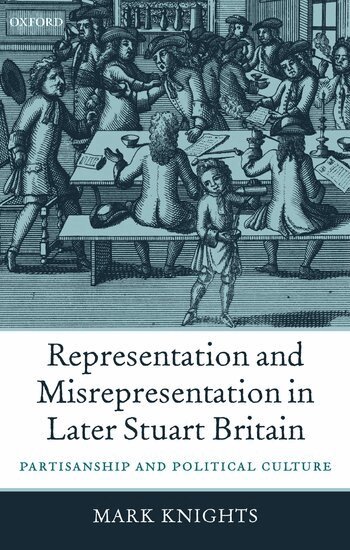
Representation and Misrepresentation in Later Stuart Britain
Partisanship and Political Culture
Inbunden, Engelska, 2005
3 323 kr
Skickas inom 5-8 vardagar
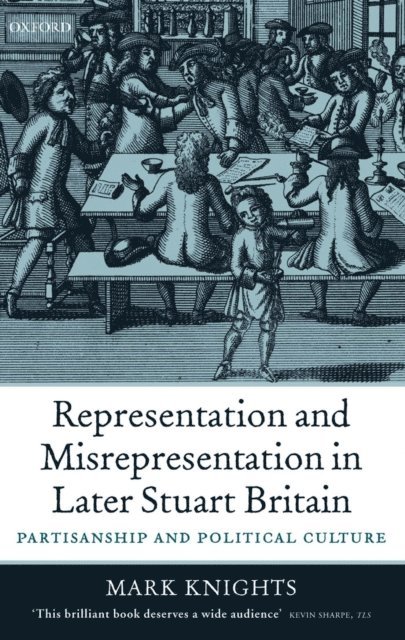
In this original and illuminating study, Mark Knights reveals how the political culture of the eighteenth century grew out of earlier trends and innovations. Arguing that the period 1675-1720 needs to be seen as the second stage of a seventeenth-century revolution that ran on until c.1720, the book traces the development of the public as an arbiter of politics, the growth of a national political culture, the shift towards a representative society, a crisis of public discourse and credibility, and a political enlightenment rooted in local and national partisan conflict. The 'public' acquired a new status in the later Stuart period as a result of frequent elections, the lapse of pre-publication licensing, the emergence of party politics, the creation of a public debt and ideological conflict over popular sovereignty. These factors enlarged the role of the public and required it to make frequent acts of judgement. Yet contemporaries from across the political spectrum feared that the public might be misled by the misrepresentations peddled by their rivals. Each side, and those ostensibly of no side, discerned a culture of passion, slander, libel, lies, hypocrisy, dissimulation, conspiracy, private languages and fictions. 'Truth' appeared an ambiguous, political matter. But the reaction to partisanship was also creative, for it helped to construct an ideal form of political discourse. This was one based on reason rather than passion, on politeness rather than incivility, on moderation rather than partisan zeal, on critical reading rather than credulity; and the realisation of those ideals rested on infrequent rather than frequent elections. Finding synergies between social, political, religious, scientific, literary, cultural and intellectual history, 'Representation and Misrepresentation' reinvigorates the debate about the emergence of 'the public sphere' in the later Stuart period.
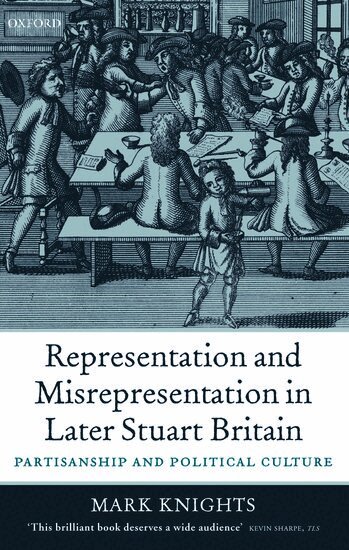
Representation and Misrepresentation in Later Stuart Britain
Partisanship and Political Culture
Häftad, Engelska, 2006
1 180 kr
Skickas inom 7-10 vardagar
In this original and illuminating new study, Mark Knights reveals how the political culture of the eighteenth century grew out of earlier trends and innovations. Arguing that the period from 1675 needs to be seen as the second stage of a seventeenth-century revolution that ran on until c.1720, Representation and Misrepresentation in Later Stuart Britain charts the growth of a national political culture and traces the development of the public as an arbiter of politics. In doing so, it uncovers a crisis of public discourse and credibility, and finds a political enlightenment rooted in local and national partisan conflict.The later Stuart period was characterized by frequent elections, the lapse of pre-publication licensing, the emergence of party politics, the creation of a public debt, and ideological conflict over popular sovereignty. These factors combined to enhance the status of the 'public', not least in requiring it to make numerous acts of judgement. Contemporaries from across the political spectrum feared that the public might be misled by the misrepresentations pedalled by their rivals. Each side, and those ostensibly of no side, discerned a culture of passion, slander, libel, lies, hypocrisy, dissimulation, conspiracy, private languages, and fictions. 'Truth' appeared an ambiguous, political matter. Yet the reaction to partisanship was also creative, for it helped to construct an ideal form of political discourse. This was one based on reason rather than passion, on moderation rather than partisan zeal, on critical reading rather than credulity; and an increasing realization that these virtues arose from infrequent rather than frequent elections.Finding synergies between social, political, religious, scientific, literary, cultural, and intellectual history, Representation and Misrepresentation in Later Stuart Britain reinvigorates the debate about the emergence of 'the public sphere' in the later Stuart period.
The Devil in Disguise
Deception, Delusion, and Fanaticism in the Early English Enlightenment
Inbunden, Engelska, 2011
1 056 kr
Skickas inom 5-8 vardagar
The Devil in Disguise illuminates the impact of the two British revolutions of the seventeenth century and the shifts in religious, political, scientific, literary, economic, social, and moral culture that they brought about. It does so through the fascinating story of one family and their locality: the Cowpers of Hertford. Their dramatic history contains a murder mystery, bigamy, a scandal novel, and a tyrannized wife, all set against a backdrop of violently competing local factions, rampant religious prejudice, and the last conviction of a witch in England. Spencer Cowper was accused of murdering a Quaker, and his brother William had two illegitimate children by his second 'wife'. Their scandalous lives became the source of public gossip, much to the horror of their mother, Sarah, who poured out her heart in a diary that also chronicles her feeling of being enslaved to her husband. Her two sons remained in the limelight. Both were instrumental in the prosecution of Henry Sacheverell, a firebrand cleric who preached a sermon about the illegitimacy of resistance and religious toleration. His parliamentary trial in 1710 provoked serious riots in London. William Cowper also intervened in 1712 to secure the life of Jane Wenham, whose trial provoked a wide-ranging debate about witchcraft beliefs. The Cowpers and their town are a microcosm of a changing world. Their story suggests that an early 'Enlightenment', far from being simply a movement of ideas sparked by 'great thinkers', was shaped and advanced by local and personal struggles.
441 kr
Skickas inom 7-10 vardagar
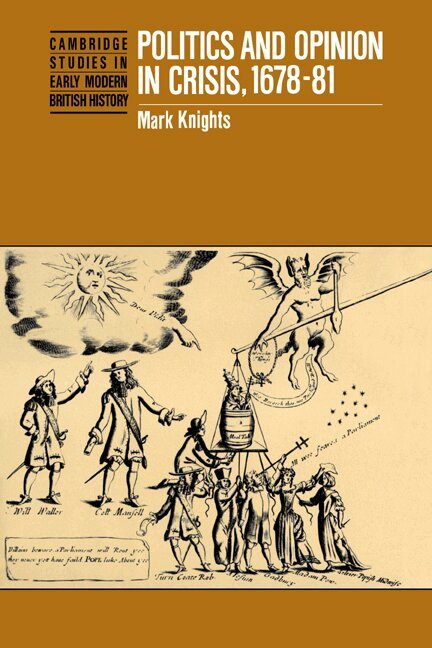
The aftermath of the Popish Plot and the subsequent succession crisis of the years 1678 to 1681 are the context for this new study. It asks two key questions: was there an exclusion crisis? and did these years witness the birth of modern political parties? The author argues that the unrest was not simply due to a centrally organized party machine based around the single issue of exclusion; but was a broad-based controversy about the succession, fears of popery and arbitrary government which produced ideological polarization and political sophistication. Part One examines central politics to explore the succession crisis within the context of the court and an emergent political structure. Part Two explores public opinion in the country as a whole, and argues that propaganda electioneering, religious conflict and petitions committed men to organized networks of belief.
The Highways and Byeways of Old Norwich ... with ... Illustrations Drawn by P. E. Stimpson.
Häftad, Engelska, 2015
252 kr
Skickas inom 5-8 vardagar
Del 9 - Parliamentary History Book Series
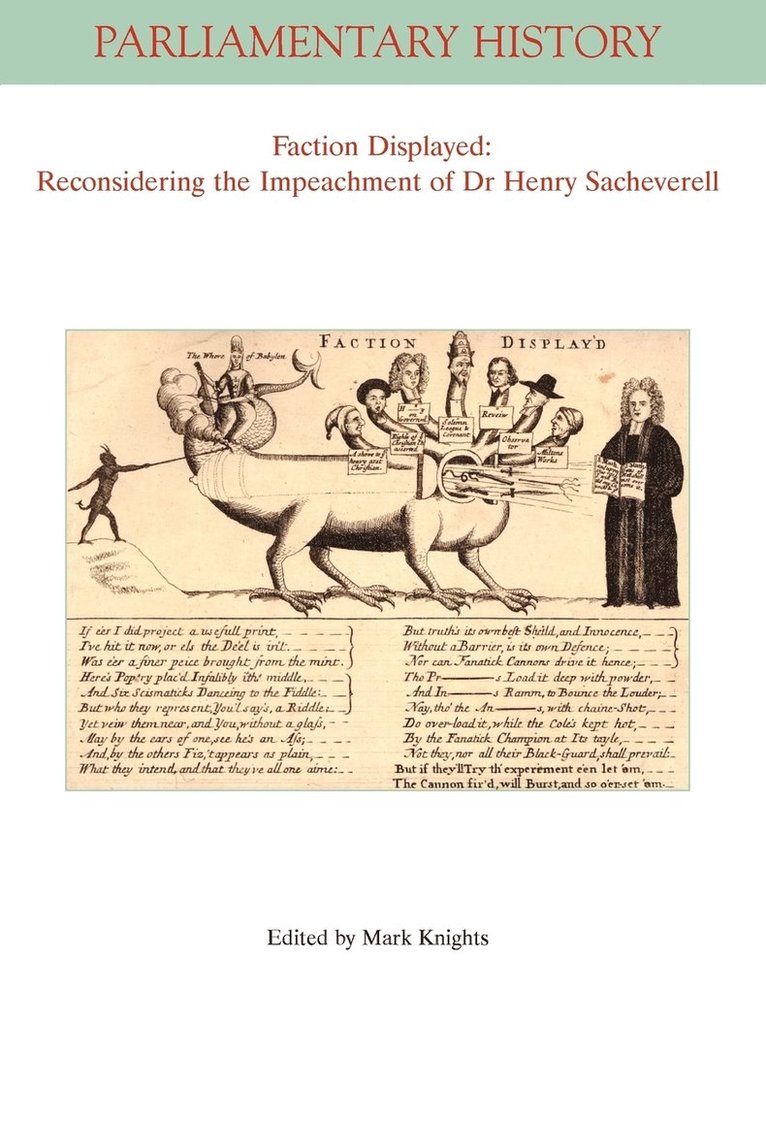
Faction Displayed
Reconsidering the Impeachment of Dr Henry Sacheverell
Häftad, Engelska, 2012
290 kr
Skickas inom 7-10 vardagar
Faction Displayed: Reconsidering the Impeachment of Dr. Henry Sacheverell features a collection of essays that examine the turbulent partisan culture during Queen Anne’s reign that ensued as a result of the 1710 parliamentary trial of English clergyman Henry Sacheverell. Features several essays originating from a 2010 conference held at the Palace of Westminster to mark the tercentenary of Sacheverell’s impeachmentLinks events in Parliament to the public that was both fascinated and enraged by themExplores the nature of the public sphere and critiques Habermas’s notion of itOffers a form of cultural parliamentary history and addresses the many forms of partisanship evident in the ‘rage of party’
Power of Laughter and Satire in Early Modern Britain
Political and Religious Culture, 1500-1820
Inbunden, Engelska, 2017
1 344 kr
Skickas inom 7-10 vardagar
Leading scholars show how laughter and satire in early modern Britain functioned in a variety of contexts both to affirm communal boundaries and to undermine them.This interdisciplinary collection considers the related topics of satire and laughter in early modern Britain through a series of case studies ranging from the anti-monastic polemics of the early Reformation to the satirical invasion prints of the Napoleonic wars. Moving beyond the traditional literary canon to investigate printed material of all kinds, both textual and visual, it considers satire as a mode or attitude rather than a literary genre and is distinctive in its combination of broad historial range and thick description of individual instances.Within an over-arching investigation of the dual role of laughter and satire as a defence of communal values and as a challenge to political, religious and social constructions of authority, the individual chapters by leading scholars provide richly contextualised studies of the uses of laughter and satire in various settings - religious, political, theatrical and literary. Drawing on some unfamiliar and intriguing source material and on recent work on the history of the emotions, the contributors consider not just the texts themselves but their effect on their audiences, andchart both the changing use of humour and satire across the whole early modern period and, importantly, the less often noticed strands of continuity, for instance in the persistence of religious tropes throughout the period.MARK KNIGHTS is Professor of History at the University of Warwick.ADAM MORTON is Lecturer in the History of Britain at the University of Newcastle.Contributors: ANDREW BENJAMIN BRICKER, MARK KNIGHTS, FIONA MCCALL, ANDREW MCRAE, ADAM MORTON, SOPHIE MURRAY, ROBERT PHIDDIAN, MARK PHILP, CATHY SHRANK.