
Mark Le Fanu – författare
Visar alla böcker från författaren Mark Le Fanu. Handla med fri frakt och snabb leverans.
3 produkter
3 produkter
345 kr
Skickas
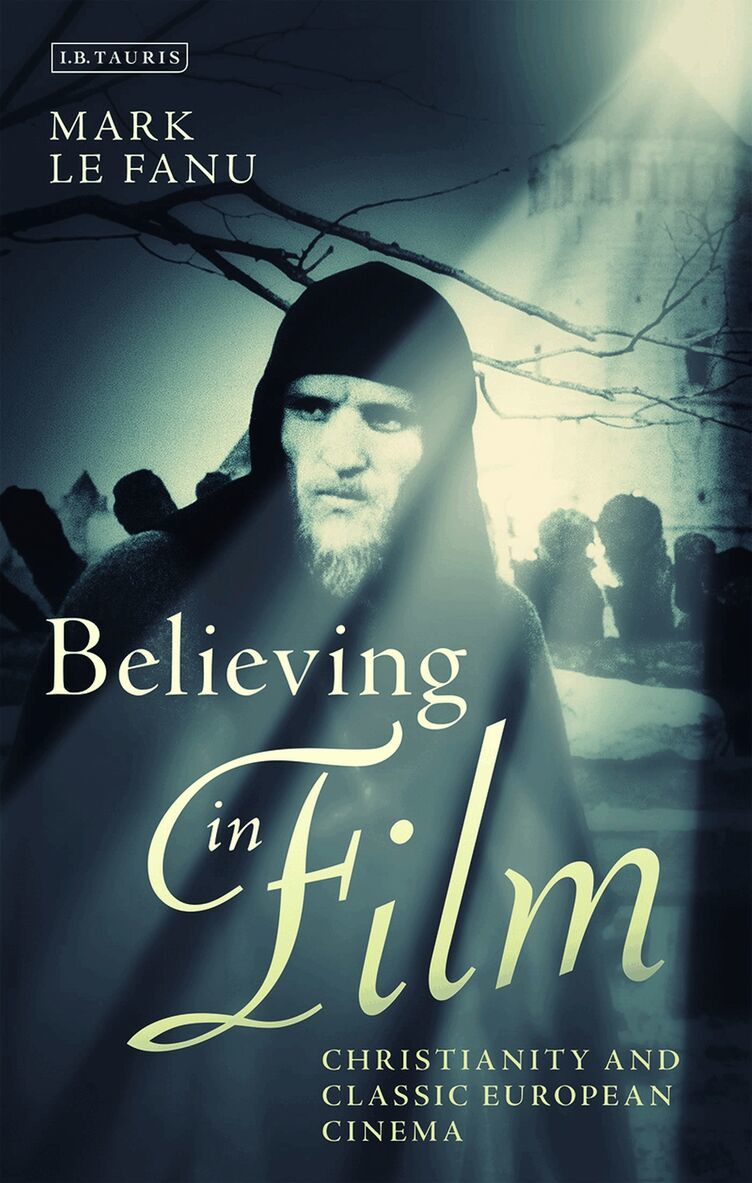
We live in a secular world and cinema is part of that secular edifice. There is no expectation, in modern times, that filmmakers should be believers – any more than we would expect that to be the case of novelists, poets and painters. Yet for all that this is true, many of the greatest directors of classic European cinema (the period from the end of World War II to roughly the middle of the 1980s) were passionately interested not only in the spiritual life but in the complexities of religion itself. In his new book Mark Le Fanu examines religion, and specifically Christianity, not as the repository of theological dogma but rather as an energizing cultural force – an ‘inflexion’ – that has shaped the narrative of many of the most striking films of the twentieth century. Discussing the work of such cineastes as Eisenstein and Tarkovsky from Russia; Wajda, Zanussi and Kieslowski from Poland; France’s Rohmer and Bresson; Pasolini, Fellini and Rossellini from Italy; the Spanish masterpieces of Buñuel, and Bergman and Dreyer from Scandinavia, this book makes a singular contribution to both film and religious studies.
1 274 kr
Skickas inom 10-15 vardagar
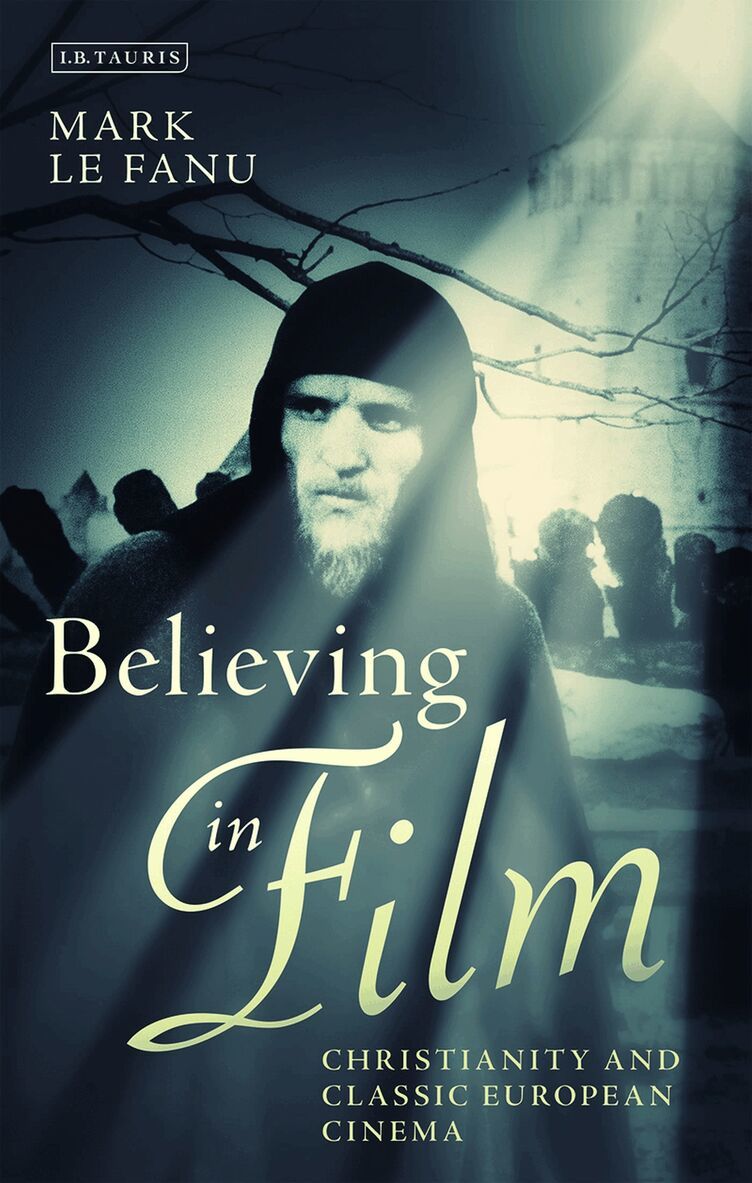
We live in a secular world and cinema is part of that secular edifice. There is no expectation, in modern times, that filmmakers should be believers – any more than we would expect that to be the case of novelists, poets and painters. Yet for all that this is true, many of the greatest directors of classic European cinema (the period from the end of World War II to roughly the middle of the 1980s) were passionately interested not only in the spiritual life but in the complexities of religion itself. In his new book Mark Le Fanu examines religion, and specifically Christianity, not as the repository of theological dogma but rather as an energizing cultural force – an ‘inflexion’ – that has shaped the narrative of many of the most striking films of the twentieth century. Discussing the work of such cineastes as Eisenstein and Tarkovsky from Russia; Wajda, Zanussi and Kieslowski from Poland; France’s Rohmer and Bresson; Pasolini, Fellini and Rossellini from Italy; the Spanish masterpieces of Buñuel, and Bergman and Dreyer from Scandinavia, this book makes a singular contribution to both film and religious studies.
503 kr
Skickas inom 10-15 vardagar
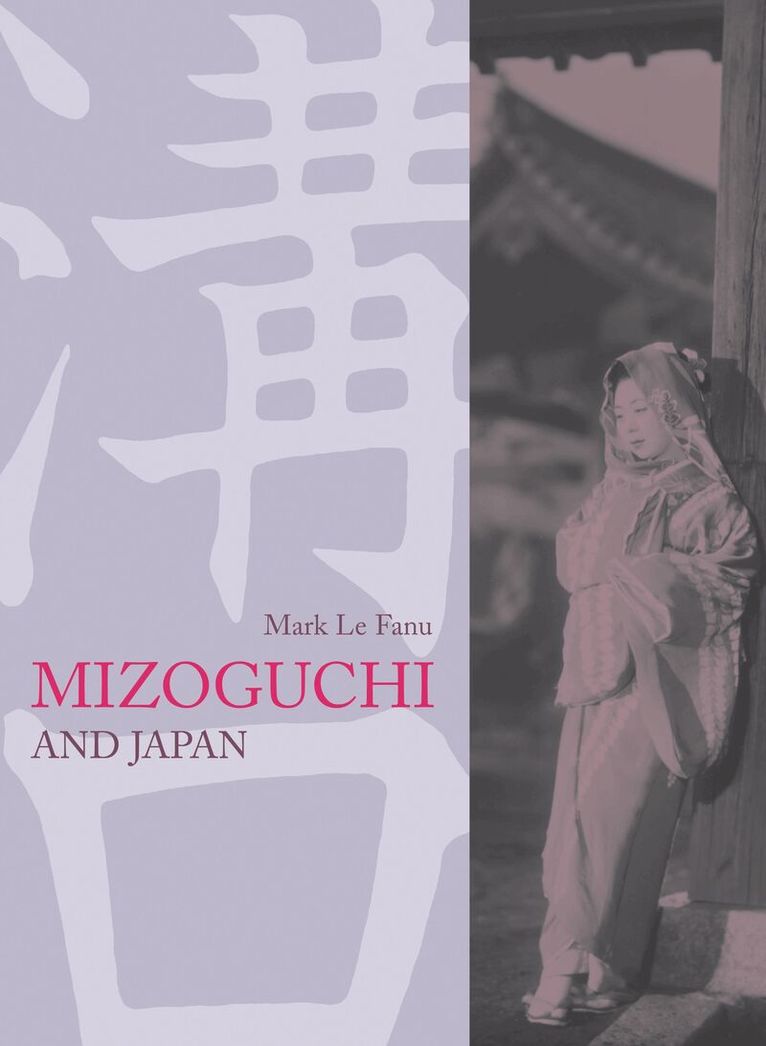
For a majority of filmgoers, the names most usually associated with classic Japanese cinema are those of Kurosawa and Ozu. Yet during the early 1950s, at the same time that Kurosawa was becoming known to the public through the release of classics like Rashomon and The Seven Samurai, another Japanese director, Kenji Mizoguchi, quietly came out with a trilogy of films - The Life of Oharu, Ugetsu Monogatari and Sansho the Bailiff - that are the equal of Kurosawa's in mastery, and which by any account rank among the greatest and most enduring masterpieces of world cinema.As a storyteller, Mizoguchi was drawn to the plight and oppression of women throughout the ages - it was, for him, the 'subject of subjects'. So in addition to the movies just mentioned, he is remembered for a string of masterly contemporary films that examined, with unprecedented candour and ferocity, the conditions of life in Japanese brothels and geisha houses. Yet, as well as being a moralist. Mizoguchi was a stylist. His films are considered by critics to be among the most beautiful ever made, from a purely pictorial point of view. Filmgoers who have responded enthusiastically in recent years to Chinese classics like Farewell My Concubine or to the colourful works of Zhang Yimou will be delighted to discover 'pre-echoes' of this cinema in such late films by this Japanese master as The Empress Yang Kwei Fei and Tales of the Taira Clan (both released in 1955) works in which colour, costume and decor are deployed with compelling refinement.Despite his extraordinary qualities as a film-maker, Mizoguchi and Japan is the first full -length study in English for over 20 years of a director whose work is as vibrant now as it ever was in its heyday, and whom the French film review Cahiers du Cinema recently hailed 'the greatest of all cineastes.'Mark Le Fanu's preface to the new ebook edition - https://media.bloomsbury.com/rep/files/revised-mizoguchi-and-japan-preface.docx A Retrospective to the 2008 edition - https://media.bloomsbury.com/rep/files/mizoguchi-and-japan-retrospect.doc