Mark Nunes - Böcker
Visar alla böcker från författaren Mark Nunes. Handla med fri frakt och snabb leverans.
4 produkter
4 produkter
289 kr
Skickas inom 10-15 vardagar
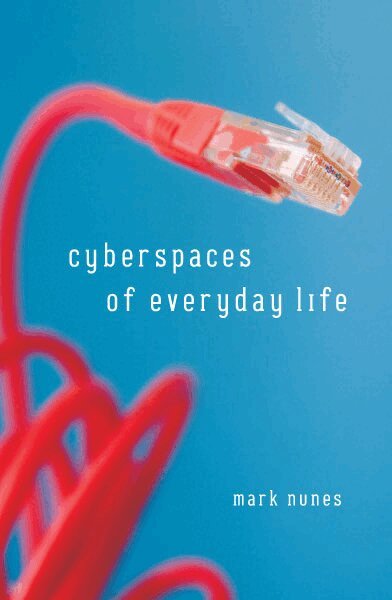
Networks and computer-mediated communication now penetrate the spaces of everyday life at a fundamental level. We communicate, work, bank, date, check the weather, and fuel conspiracy theories online. In each instance, users interact with network technology as much more than a computational device. Cyberspaces of Everyday Life provides a critical framework for understanding how the Internet takes part in the production of social space. Mark Nunes draws on the spatial analysis work of Henri Lefebvre to make sense of cyberspace as a social product. Looking at online education, he explores the ways in which the Internet restructures the university. Nunes also examines social uses of the World Wide Web and illustrates the ways online communication alters the relation between the global and the local. He also applies Deleuzian theory to emphasize computer-mediated communications’ performative elements of spatial production. Addressing the social and cultural implications of spam and anti-spam legislation, as well as how the burst Internet stock bubble and the Patriot Act have affected the relationship between networked spaces and daily living, Cyberspaces of Everyday Life sheds new light on the question of virtual space and its role in the offline world. Mark Nunes is associate professor and chair of the English, Technical Communication, and Media Arts Department at Southern Polytechnic State University.
875 kr
Skickas inom 10-15 vardagar
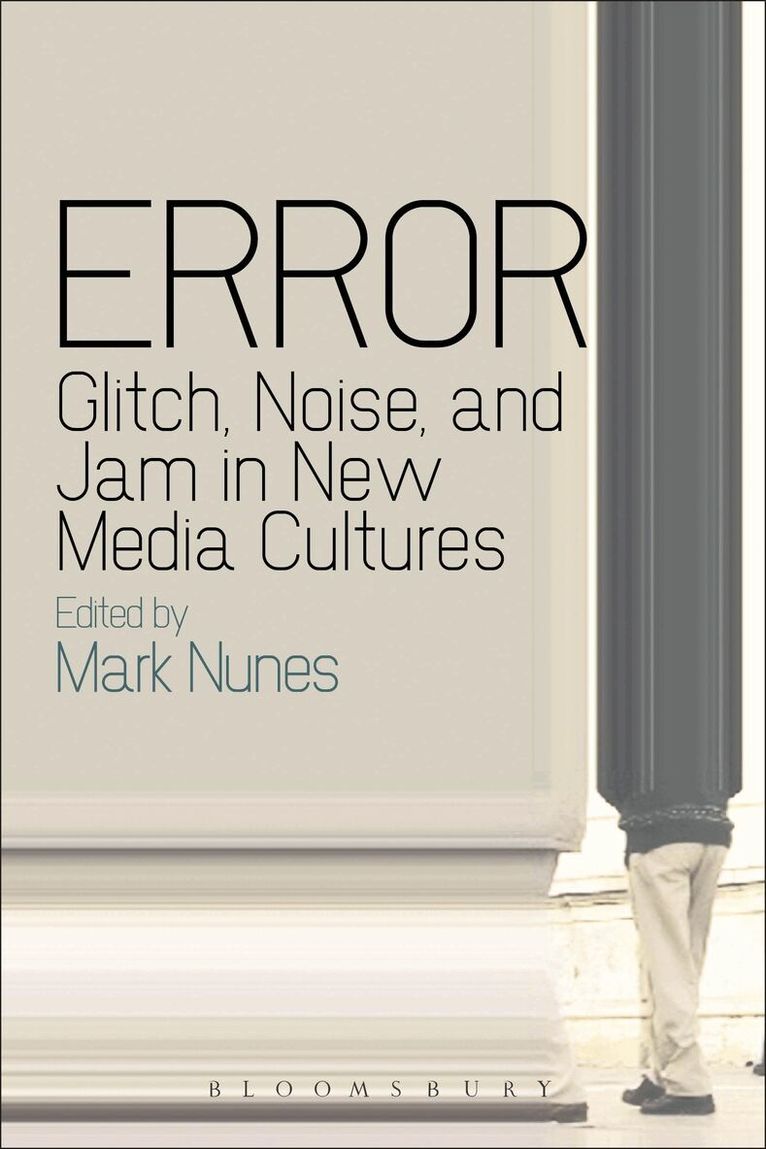
Divided into three sections, Error brings together established critics and emerging voices to offer a significant contribution to the field of new media studies. In the first section, "Hack," contributors explore the ways in which errors, glitches, and failure provide opportunities for critical and aesthetic intervention within new media practices. In the second section, "Game," they examine how errors allow for intentional and accidental co-opting of rules and protocols toward unintended ends. The final section, "Jam," considers the role of error as both an inherent "counterstrategy" and a mode of tactical resistance within a network society. By offering a timely and novel exploration into the ways in which error and noise "slip through" in systems dominated by principles of efficiency and control, this collection provides a unique take on the ways in which information theory and new media technologies inform cultural practice. >
1 314 kr
Skickas inom 10-15 vardagar
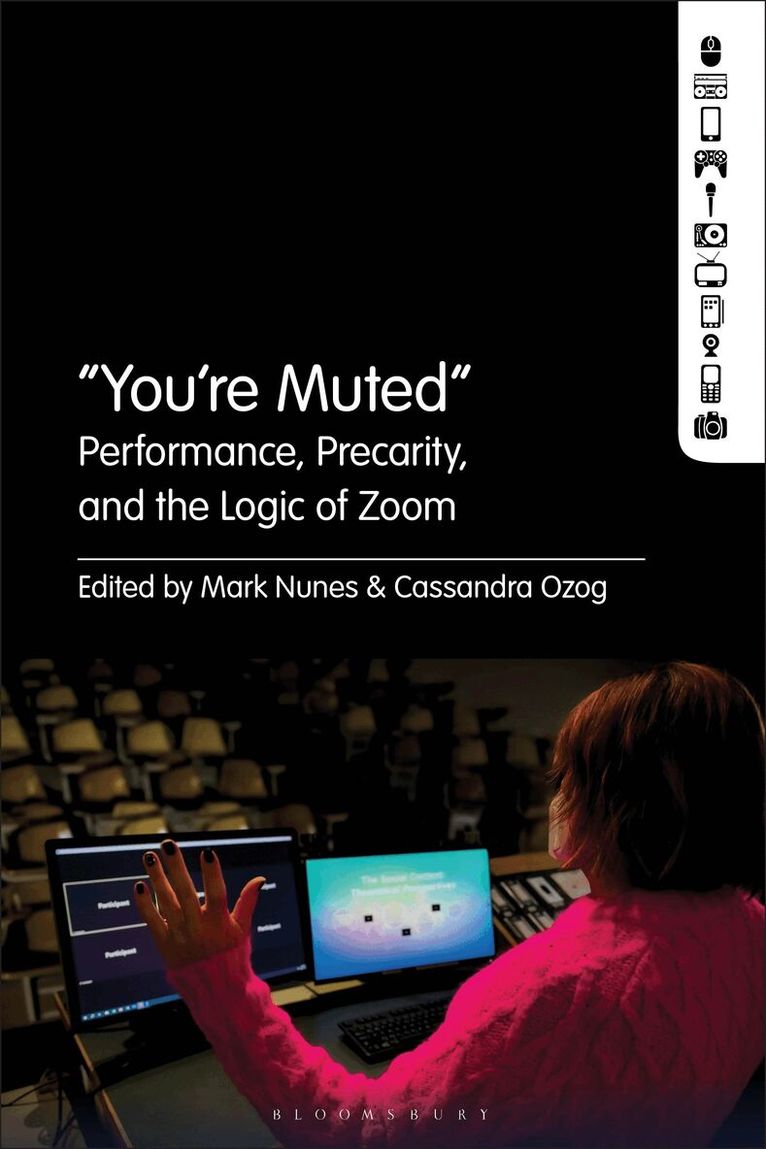
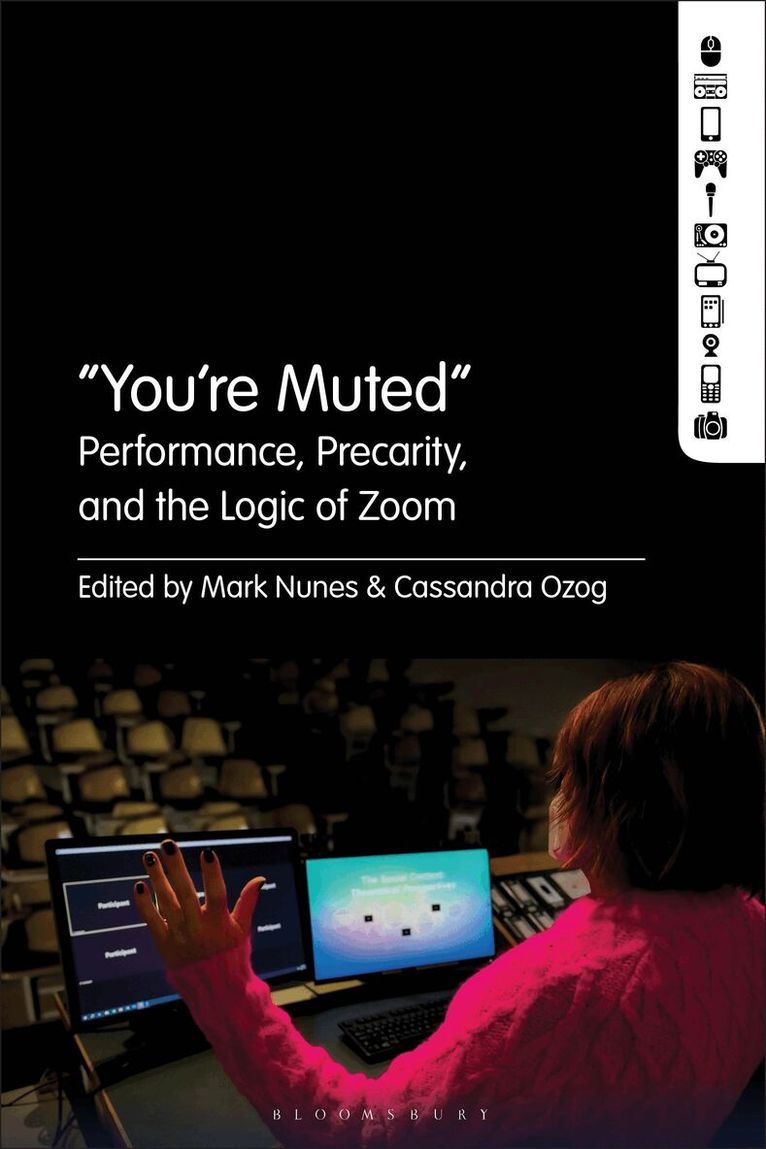
Through the frame of Zoom, this collection of essays examines the rapid emergence of videoconferencing in everyday life under COVID-19, its preexisting performative logic, and the ongoing implication of these practices for millions of individuals and institutions.The year 2023 marked the end of the World Health Organization’s classification of the COVID-19 outbreak as a “public health emergency of international concern,” yet many of the organizational and institutional restructurings that occurred in the rapid response to the pandemic have remained firmly in place. The prevalence of videoconferencing in everyday life marks one such instance, not only highlighting the dramatic social and cultural transformations that occurred during a period of lockdowns, social distancing, and stay-at-home orders, but also serving as an index of all that has emerged as the “new normal” since March 2020.Overnight, it seemed, Zoom emerged as the default videoconferencing platform, rapidly morphing from brand name to eponymous generic. While this volume focuses predominantly on Zoom and its place in the collective imagination and daily practice of those of us whose lives are profoundly caught up in digital networks, many of these insights presented here apply to other videoconferencing platforms as well, and a supporting logic that has governed neoliberal lives since long before the first lockdowns began. The twelve chapters in this collection explore how videoconferencing platforms in general, and Zoom in particular, have provided individuals and institutions new modes of “engagement,” while at the same time reifying, normalizing, and domesticating modes of surveillance, control, and marginalization that have been part and parcel of a networked-based performative logic for nearly a century.
406 kr
Skickas inom 10-15 vardagar
Through the frame of Zoom, this collection of essays examines the rapid emergence of videoconferencing in everyday life under COVID-19, its preexisting performative logic, and the ongoing implication of these practices for millions of individuals and institutions.The year 2023 marked the end of the World Health Organization’s classification of the COVID-19 outbreak as a “public health emergency of international concern,” yet many of the organizational and institutional restructurings that occurred in the rapid response to the pandemic have remained firmly in place. The prevalence of videoconferencing in everyday life marks one such instance, not only highlighting the dramatic social and cultural transformations that occurred during a period of lockdowns, social distancing, and stay-at-home orders, but also serving as an index of all that has emerged as the “new normal” since March 2020.Overnight, it seemed, Zoom emerged as the default videoconferencing platform, rapidly morphing from brand name to eponymous generic. While this volume focuses predominantly on Zoom and its place in the collective imagination and daily practice of those of us whose lives are profoundly caught up in digital networks, many of these insights presented here apply to other videoconferencing platforms as well, and a supporting logic that has governed neoliberal lives since long before the first lockdowns began. The twelve chapters in this collection explore how videoconferencing platforms in general, and Zoom in particular, have provided individuals and institutions new modes of “engagement,” while at the same time reifying, normalizing, and domesticating modes of surveillance, control, and marginalization that have been part and parcel of a networked-based performative logic for nearly a century.