Mark Salter – författare
Visar alla böcker från författaren Mark Salter. Handla med fri frakt och snabb leverans.
21 produkter
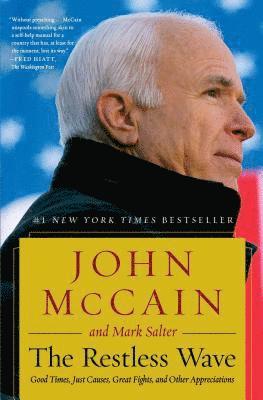
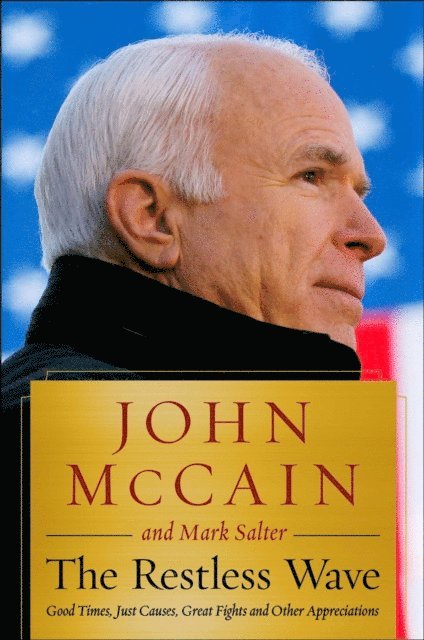
The Restless Wave: Good Times, Just Causes, Great Fights, and Other Appreciations
Häftad, 2019
284 kr
Lägg i varukorg
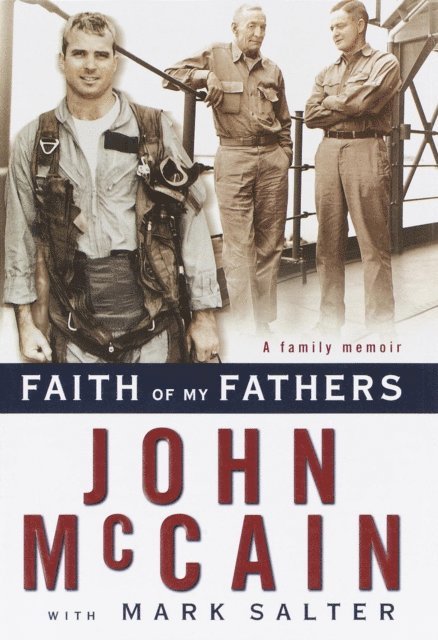
Faith of My Fathers
A Family Memoir
E-bok, 2000
228 kr
Lägg i varukorg
NEW YORK TIMES BESTSELLER • John McCain’s deeply moving memoir is the story of three generations of warriors and the ways that sons are shaped and enriched by their fathers. McCain’s grandfather, a four-star admiral and one of the navy’s greatest commanders, led the strongest aircraft carrier force …
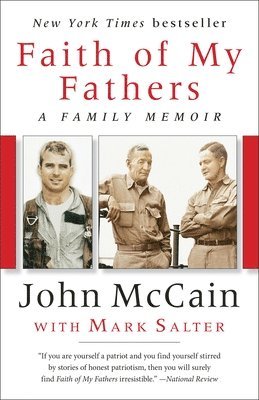
Faith of My Fathers
A Family Memoir
Häftad, 2016
325 kr
Lägg i varukorg
NEW YORK TIMES BESTSELLER • Senator John McCain’s deeply moving memoir is the story of three generations of warriors and the ways that sons are shaped and enriched by their fathers. John McCain’s grandfather, a four-star admiral and one of the navy’s greatest commanders, led the strongest aircraft …
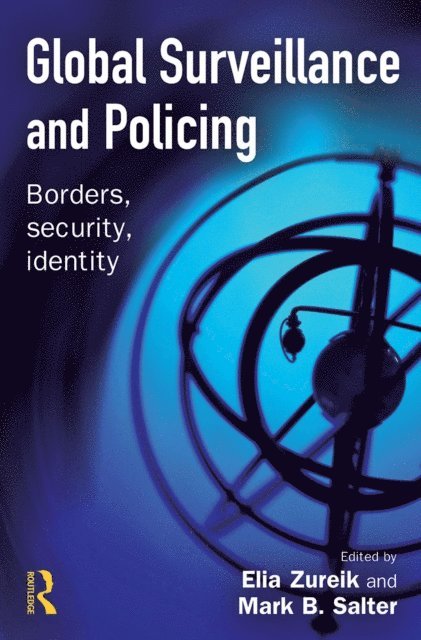
Global Surveillance and Policing
E-bok, 2013
762 kr
Lägg i varukorg
Since the 9.11 attacks in North America and the accession of the Schengen Accord in Europe there has been widespread concern with international borders, the passage of people and the flow of information across borders. States have fundamentally changed the ways in which they police and monitor this …
Global Surveillance and Policing
E-bok, 2013
762 kr
Lägg i varukorg
Since the 9.11 attacks in North America and the accession of the Schengen Accord in Europe there has been widespread concern with international borders, the passage of people and the flow of information across borders. States have fundamentally changed the ways in which they police and monitor this …
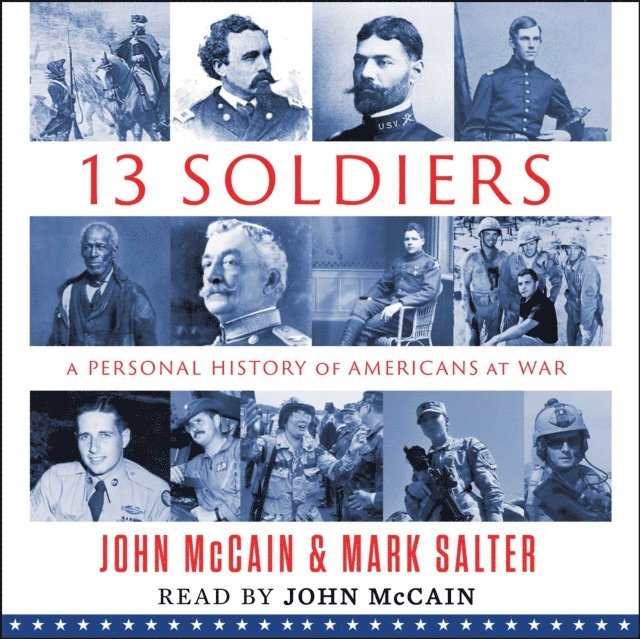
Thirteen Soldiers
A Personal History of Americans at War
Ljudbok, 2014
441 kr
Lägg i varukorg
A personal history of war from bestselling authors John McCain and Mark Salter, told through the stories of thirteen remarkable American soldiers who fought in the nation’s major military conflicts, from the Revolution of 1776 through the wars in Iraq and Afghanistan. As a veteran himself, a member …
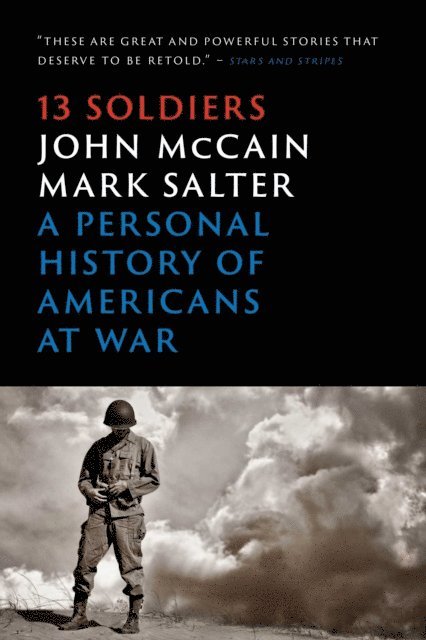
Thirteen Soldiers
A Personal History of Americans at War
E-bok, 2014
213 kr
Lägg i varukorg
A personal history of war from bestselling authors John McCain and Mark Salter, told through the stories of thirteen remarkable American soldiers who fought in the nation’s major military conflicts, from the Revolution of 1776 through the wars in Iraq and Afghanistan. As a veteran himself, a member …
Restless Wave
Good Times, Just Causes, Great Fights, and Other Appreciations
E-bok, 2018
209 kr
Lägg i varukorg
#1 NEW YORK TIMES BESTSELLER “History matters to McCain, and for him America is and was about its promise. The book is his farewell address, a mixture of the personal and the political. ‘I have loved my life,’ he writes. ‘All of it.’ The Restless Wave is a fitting valedictory for a man who seldom …
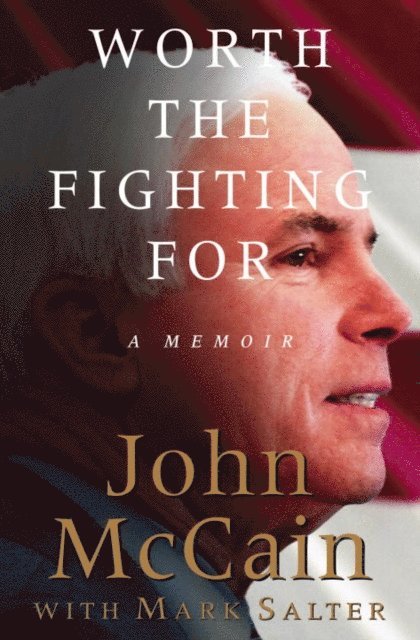
Worth the Fighting For
A Memoir
E-bok, 2002
199 kr
Lägg i varukorg
In 1999, John McCain wrote one of the most acclaimed and bestselling memoirs of the decade, Faith of My Fathers. That book ended in 1972, with McCain’s release from imprisonment in Vietnam. This is the rest of his story, about his great American journey from the U.S. Navy to his electrifying run …
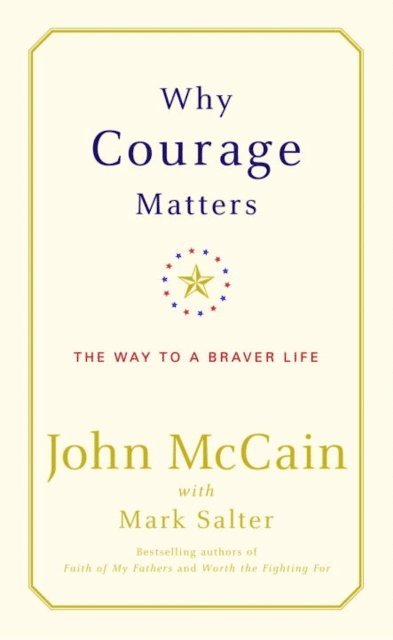
Why Courage Matters
The Way to a Braver Life
E-bok, 2004
235 kr
Lägg i varukorg
“Courage,” Winston Churchill explained, is “the first of human qualities . . . because it guarantees all the others.” As a naval officer, P.O.W., and one of America’s most admired political leaders, John McCain has seen countless acts of bravery and self-sacrifice. Now, in this inspiring meditation …
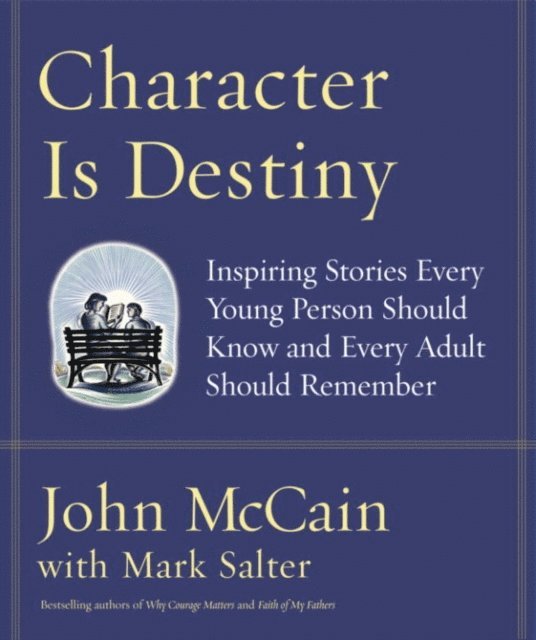
Character Is Destiny
Inspiring Stories Every Young Person Should Know and Every Adult Should Remember
E-bok, 2005
137 kr
Lägg i varukorg
In Character is Destiny , McCain tells the stories of celebrated historical figures and lesser-known heroes whose values exemplify the best of the human spirit. He illustrates these qualities with moving stories of triumph against the odds, righteousness in the face of iniquity, hope in adversity, …
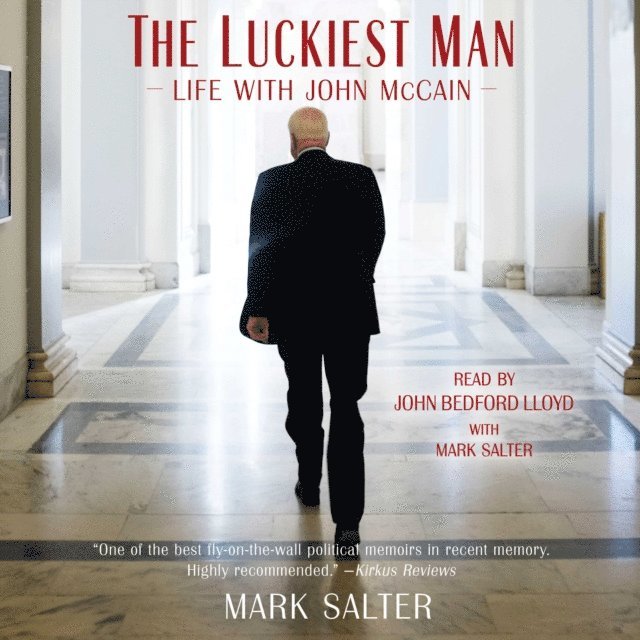
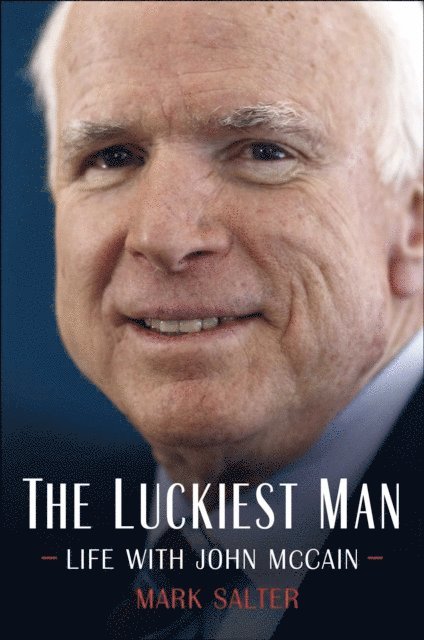
Luckiest Man
Life with John McCain
Av Mark Salter
Ljudbok, 2020
606 kr
Lägg i varukorg
A “moving and lucidly written memoir” ( The Wall Street Journal ) of the late Senator John McCain from one of his closest and most trusted confidants, friends, and political advisors. More so than almost anyone outside of McCain’s immediate family, Mark Salter had unparalleled access to and served …
From Independence to Aragalaya
A Modern History of Sri Lanka
Av Mark Salter
Häftad, 2026
416 kr
Kommande
An indispensable political history of independent Sri Lanka, from the post-war years to the 2022 uprising.In February 1948, following centuries of colonial rule—by the Portuguese, Dutch and British successively—Sri Lanka (then Ceylon) gained its independence. Unlike neighbouring India, it did so …
Global Surveillance and Policing
Häftad, 2005
650 kr
Lägg i varukorg
Since the 9.11 attacks in North America and the accession of the Schengen Accord in Europe there has been widespread concern with international borders, the passage of people and the flow of information across borders. States have fundamentally changed the ways in which they police and monitor this …
Global Surveillance and Policing
Inbunden, 2005
1833 kr
Lägg i varukorg
Since the 9.11 attacks in North America and the accession of the Schengen Accord in Europe there has been widespread concern with international borders, the passage of people and the flow of information across borders. States have fundamentally changed the ways in which they police and monitor this …
To End a Civil War
Norway's Peace Engagement with Sri Lanka
Av Mark Salter
Häftad, 2015
338 kr
Lägg i varukorg
Between 1983 and 2009 Sri Lanka was host to a bitter civil war fought between the Government and the Tamil Tigers, which sought the creation of an independent Tamil state. In May 2009 came the war's violent end with the crushing defeat of the Tamil Tigers at the hands of the Sri Lanka Army. But …
To End a Civil War
Norway's Peace Engagement in Sri Lanka
Av Mark Salter
E-bok, 2015
440 kr
Lägg i varukorg
Between 1983 and 2009 Sri Lanka was host to a bitter civil war fought between the Government and the Tamil Tigers, which sought the creation of an independent Tamil state. In May 2009 came the war''s violent end with the crushing defeat of the Tamil Tigers at the hands of the Sri Lanka Army. But …
To End a Civil War
Norway's Peace Engagement in Sri Lanka
Av Mark Salter
E-bok, 2015
440 kr
Lägg i varukorg
Between 1983 and 2009 Sri Lanka was host to a bitter civil war fought between the Government and the Tamil Tigers, which sought the creation of an independent Tamil state. In May 2009 came the war''s violent end with the crushing defeat of the Tamil Tigers at the hands of the Sri Lanka Army. But …
Luckiest Man
Life with John McCain
Av Mark Salter
E-bok, 2020
182 kr
Lägg i varukorg
A “moving and lucidly written memoir” ( The Wall Street Journal ) of the late Senator John McCain from one of his closest and most trusted confidants, friends, and political advisors. More so than almost anyone outside of McCain’s immediate family, Mark Salter had unparalleled access to and served …
Cabello de ángel
Av Mark Salter
E-bok, 2024
68 kr
Lägg i varukorg
La vida siempre da otra oportunidad.Muchos años después de haberse conocido, siendo aún adolescentes, Bruno y Francina se reencuentran. Ese encuentro abre una caja de sorpresas en ambos. Toda una vida los había separado y ahora, tal vez, toda una vida iba a quedarles por delante.Todo reencuentro …
Desnudo querer
Cartas a Federica
Av Mark Salter
E-bok, 2019
73 kr
Lägg i varukorg
Este libro es un testimonio de que el amor perdura en el tiempo. Es la máxima que Mark Salter quiere transmitir a través de sus cartas a Federica. Porque escribir ayuda a superar el duelo y tener cerca a nuestros seres queridos nos hace ser mejores personas. El dolor y la felicidad están unidos, …