Mark Stoll – författare
Visar alla böcker från författaren Mark Stoll. Handla med fri frakt och snabb leverans.
8 produkter
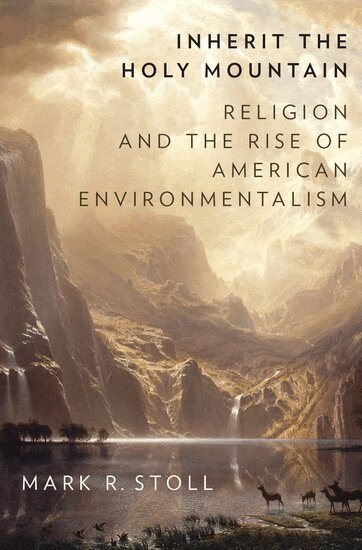
Inherit the Holy Mountain
Religion and the Rise of American Environmentalism
Av Mark Stoll
Inbunden, 2015
905 kr
Lägg i varukorg
Historians of American environmentalism have long given religion either a negligible role or a negative one in the development of the field. According to the standard view, Christianity fostered attitudes hostile or indifferent to nature, with Protestantism the worst offender. While virtually all …
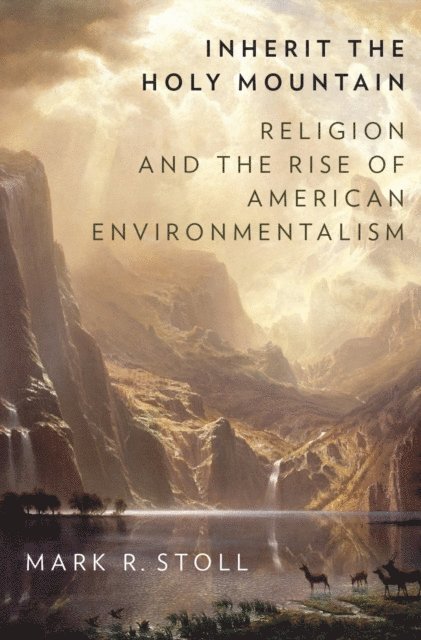
Inherit the Holy Mountain
Religion and the Rise of American Environmentalism
Av Mark Stoll
E-bok, 2015
440 kr
Lägg i varukorg
In Inherit the Holy Mountain , historian Mark Stoll introduces us to the religious roots of the American environmental movement. Religion, he shows, provided environmentalists both with deeply-embedded moral and cultural ways of viewing the world and with content, direction, and tone for the causes …
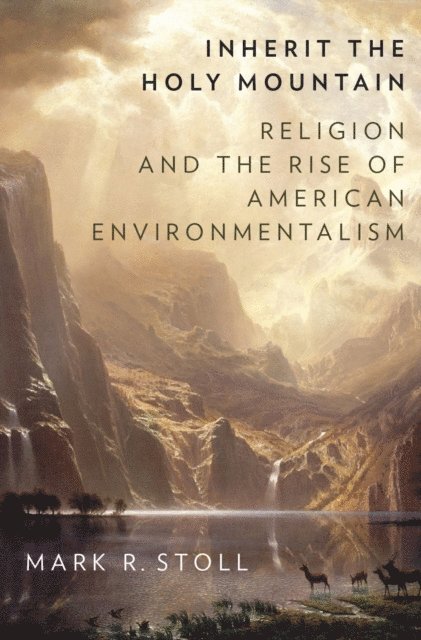
Inherit the Holy Mountain
Religion and the Rise of American Environmentalism
Av Mark Stoll
E-bok, 2015
440 kr
Lägg i varukorg
In Inherit the Holy Mountain , historian Mark Stoll introduces us to the religious roots of the American environmental movement. Religion, he shows, provided environmentalists both with deeply-embedded moral and cultural ways of viewing the world and with content, direction, and tone for the causes …
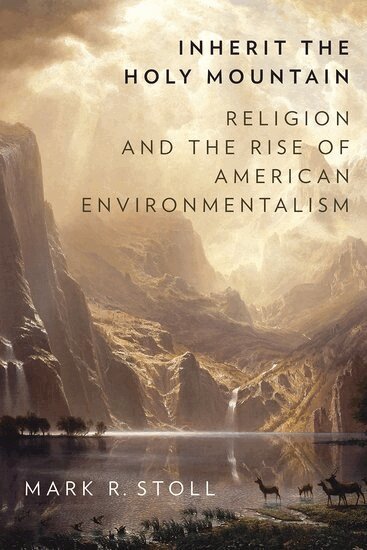
Inherit the Holy Mountain
Religion and the Rise of American Environmentalism
Av Mark Stoll
Häftad, 2017
730 kr
Lägg i varukorg
In Inherit the Holy Mountain, historian Mark Stoll introduces us to the religious roots of the American environmental movement. Religion, he shows, provided environmentalists both with deeply-embedded moral and cultural ways of viewing the world and with content, direction, and tone for the causes …
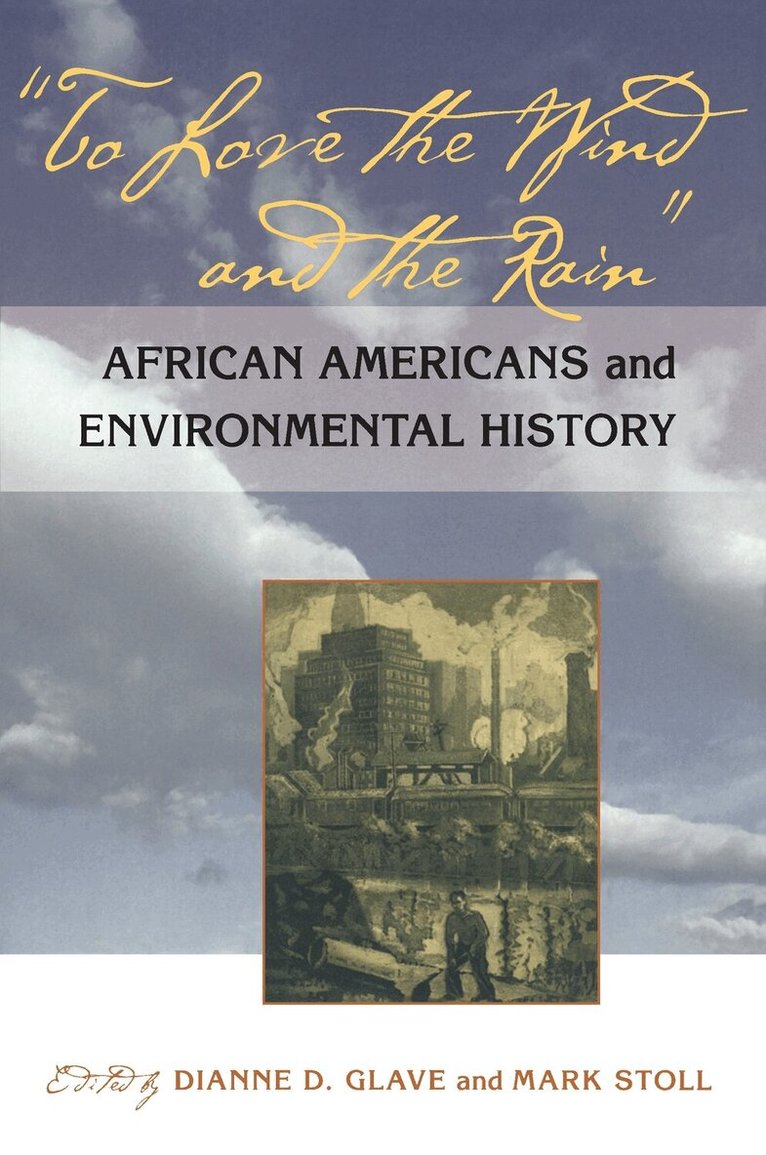
To Love the Wind and the Rain
African Americans and Environmental History
Häftad, 2005
703 kr
Lägg i varukorg
“To Love the Wind and the Rain” is a groundbreaking and vivid analysis of the relationship between African Americans and the environment in U.S. history. It focuses on three major themes: African Americans in the rural environment, African Americans in the urban and suburban environments, and …
Profit
An Environmental History
Av Mark Stoll
Inbunden, 2022
556 kr
Lägg i varukorg
Profit — getting more out of something than you put into it — is the original genius of homo sapiens, who learned how to unleash the energy stored in wood, exploit the land, and refashion ecosystems. As civilization developed, we found more and more ways of extracting surplus value from the earth, …
Profit
An Environmental History
Av Mark Stoll
Häftad, 2024
181 kr
Lägg i varukorg
Profit — getting more out of something than you put into it — is the original genius of homo sapiens, who learned how to unleash the energy stored in wood, exploit the land, and refashion ecosystems. As civilization developed, we found more and more ways of extracting surplus value from the earth, …
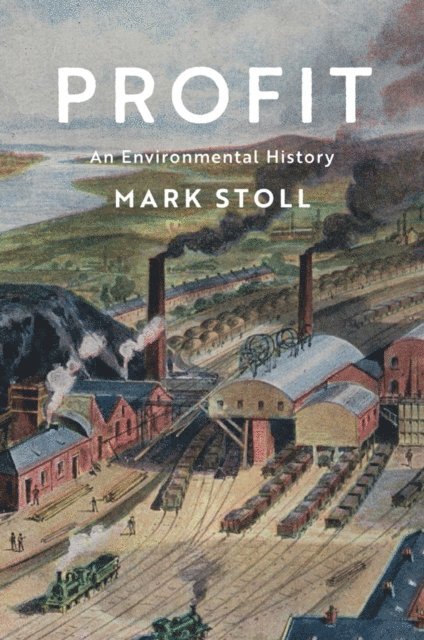
Profit
An Environmental History
Av Mark Stoll
E-bok, 2022
294 kr
Lägg i varukorg
Profit — getting more out of something than you put into it — is the original genius of homo sapiens, who learned how to unleash the energy stored in wood, exploit the land, and refashion ecosystems. As civilization developed, we found more and more ways of extracting surplus value from the earth, …