Markku Hokkanen – författare
Visar alla böcker från författaren Markku Hokkanen. Handla med fri frakt och snabb leverans.
4 produkter
4 produkter
Del 152 - Studies in Imperialism
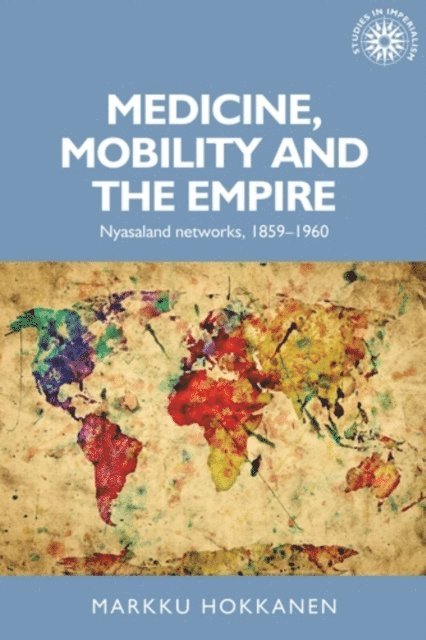
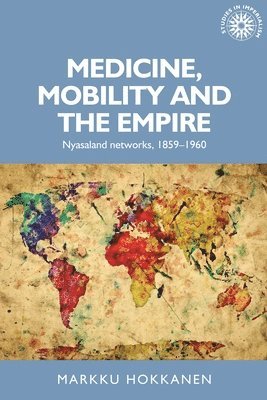
Medicine, Mobility and the Empire
Nyasaland Networks, 1859–1960
E-bok
PDF, Engelska, 20171 170 kr
Läs direkt efter köp
David Livingstone’s Zambesi expedition marked the beginning of an ongoing series of medical exchanges between the British and Malawians. This book explores these entangled histories by placing medicine in the frameworks of mobilities and networks that extended across Southern Africa and beyond. It provides a new approach to the study of medicine and empire.Drawing on a range of written and oral sources, the book argues that mobility was a crucial aspect of intertwined medical cultures that shared a search for therapy in changing conditions. Mobile individuals, ideas and materials played key roles in medical networks that involved both professionals and laypeople. These networks connected colonial medicine with Protestant Christianity and migrant labour.The book will be of value to scholars and students of history and anthropology of colonialism and medicine, as well as a wider readership interested in the plural search for health in Africa and globally.
Del 152 - Studies in Imperialism
Medicine, Mobility and the Empire
Nyasaland Networks, 1859–1960
Inbunden, Engelska, 2017
1 185 kr
Skickas inom 5-8 vardagar
David Livingstone’s Zambesi expedition marked the beginning of an ongoing series of medical exchanges between the British and Malawians. This book explores these entangled histories by placing medicine in the frameworks of mobilities and networks that extended across Southern Africa and beyond. It provides a new approach to the study of medicine and empire.Drawing on a range of written and oral sources, the book argues that mobility was a crucial aspect of intertwined medical cultures that shared a search for therapy in changing conditions. Mobile individuals, ideas and materials played key roles in medical networks that involved both professionals and laypeople. These networks connected colonial medicine with Protestant Christianity and migrant labour.The book will be of value to scholars and students of history and anthropology of colonialism and medicine, as well as a wider readership interested in the plural search for health in Africa and globally.
Inbunden, Engelska, 2019
1 458 kr
Skickas inom 10-15 vardagar
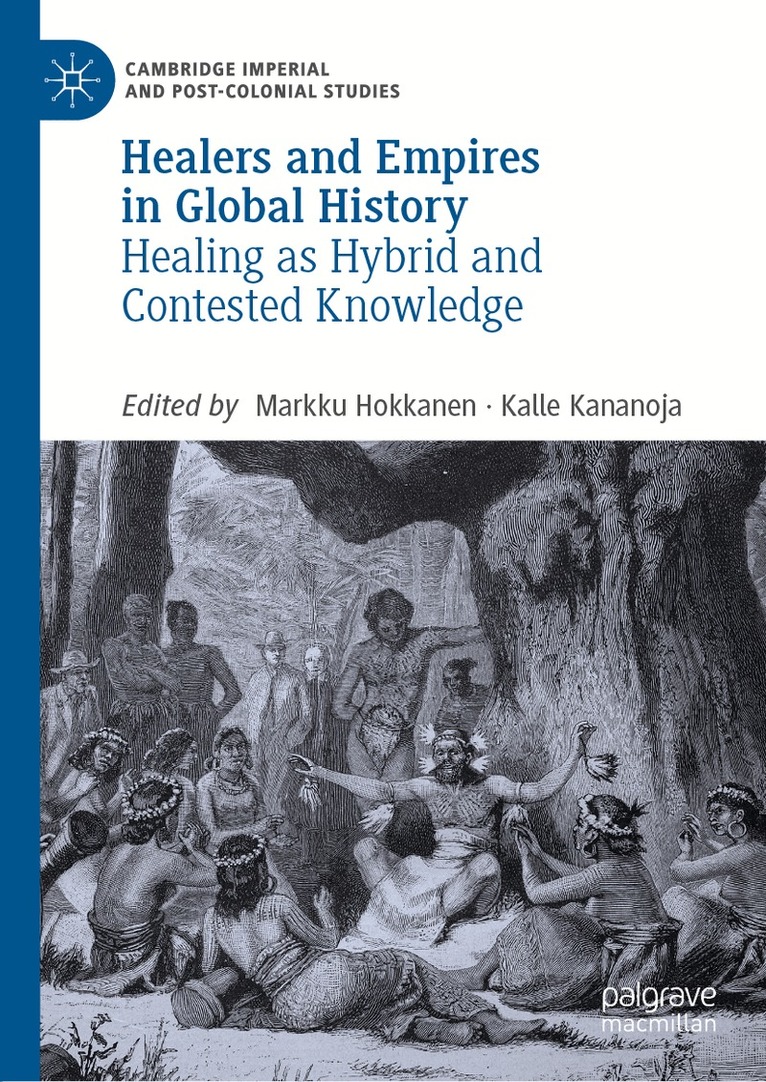
This book explores cross-cultural medical encounters involving non-Western healers in a variety of imperial contexts from the Arctic, Asia, Africa, Americas and the Caribbean. It highlights contests over healing, knowledge and medicines through the frameworks of hybridisation and pluralism. The intertwined histories of medicine, empire and early globalisation influenced the ways in which millions of people encountered and experienced suffering, healing and death. In an increasingly global search for therapeutics and localised definition of acceptable healing, networks and mobilities played key roles. Healers’ engagements with politics, law and religion underline the close connections between healing, power and authority. They also reveal the agency of healers, sufferers and local societies, in encounters with modernising imperial states, medical science and commercialisation. The book questions and complements the traditional narratives of triumphant biomedicine, reminding readersthat ‘traditional’ medical cultures and practitioners did not often disappear, but rather underwent major changes in the increasingly interconnected world.
1 722 kr
Läs direkt efter köp
This book explores cross-cultural medical encounters involving non-Western healers in a variety of imperial contexts from the Arctic, Asia, Africa, Americas and the Caribbean. It highlights contests over healing, knowledge and medicines through the frameworks of hybridisation and pluralism. The intertwined histories of medicine, empire and early globalisation influenced the ways in which millions of people encountered and experienced suffering, healing and death. In an increasingly global search for therapeutics and localised definition of acceptable healing, networks and mobilities played key roles. Healers’ engagements with politics, law and religion underline the close connections between healing, power and authority. They also reveal the agency of healers, sufferers and local societies, in encounters with modernising imperial states, medical science and commercialisation. The book questions and complements the traditional narratives of triumphant biomedicine, reminding readersthat ‘traditional’ medical cultures and practitioners did not often disappear, but rather underwent major changes in the increasingly interconnected world.