Markus Haacker – författare
Visar alla böcker från författaren Markus Haacker. Handla med fri frakt och snabb leverans.
5 produkter
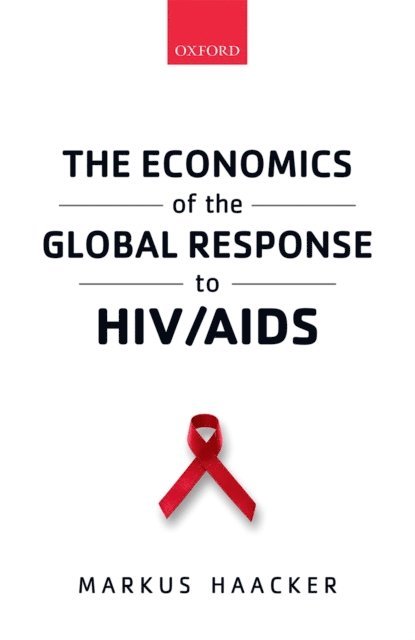
Economics of the Global Response to HIV/AIDS
E-bok, 2016
888 kr
Lägg i varukorg
The global response to HIV/AIDS has been a major aspect of global health and development policy over the last three decades. The book illustrates the devastating health impacts of the epidemic, with life expectancy in some countries falling to the lowest levels observed anywhere, and the remarkable …
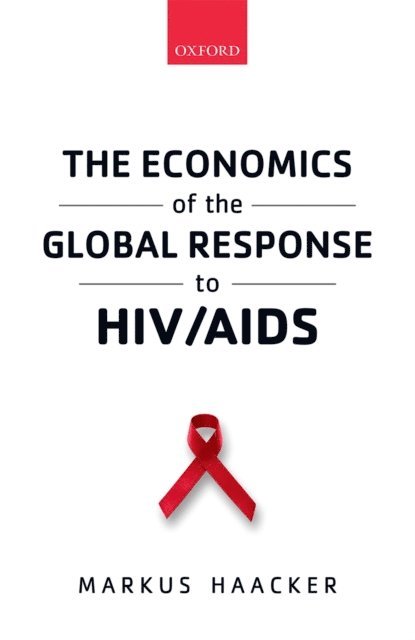
Economics of the Global Response to HIV/AIDS
E-bok, 2016
888 kr
Lägg i varukorg
The global response to HIV/AIDS has been a major aspect of global health and development policy over the last three decades. The book illustrates the devastating health impacts of the epidemic, with life expectancy in some countries falling to the lowest levels observed anywhere, and the remarkable …
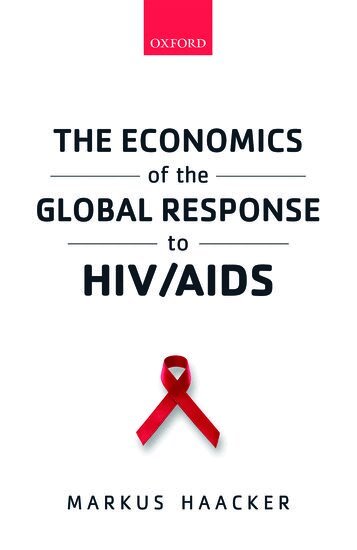
The Economics of the Global Response to HIV/AIDS
Inbunden, 2016
1433 kr
Lägg i varukorg
The global response to HIV/AIDS has been a major aspect of global health and development policy over the last three decades. The book illustrates the devastating health impacts of the epidemic, with life expectancy in some countries falling to the lowest levels observed anywhere, and the remarkable …
HIV and AIDS in South Asia
An Economic Development Risk
Av Markus Haacker, Mariam Claeson
Häftad, 2009
356 kr
Lägg i varukorg
This book offers an original perspective on AIDS as a development issue in South Asia, a region with a heterogeneous epidemic and estimated national HIV prevalence rates of up to 0.5 percent. The analysis challenges the common perception of HIV and AIDS which has been shaped to a large extent by …
Fiscal Dimensions of HIV/AIDS in Botswana, South Africa, Swaziland, and Uganda
Av Elizabeth Lule, Markus Haacker
Häftad, 2011
474 kr
Lägg i varukorg
"HIV/AIDS continues to take a tremendous toll on the populations of many countries, especially in sub-Saharan Africa. In some countries with high HIV prevalence rates, life expectancy has declined by more than a decade and in a few cases by more than two decades. Even in countries with HIV …