Marta Filipová – författare
Visar alla böcker från författaren Marta Filipová. Handla med fri frakt och snabb leverans.
5 produkter
5 produkter
651 kr
Skickas inom 10-15 vardagar
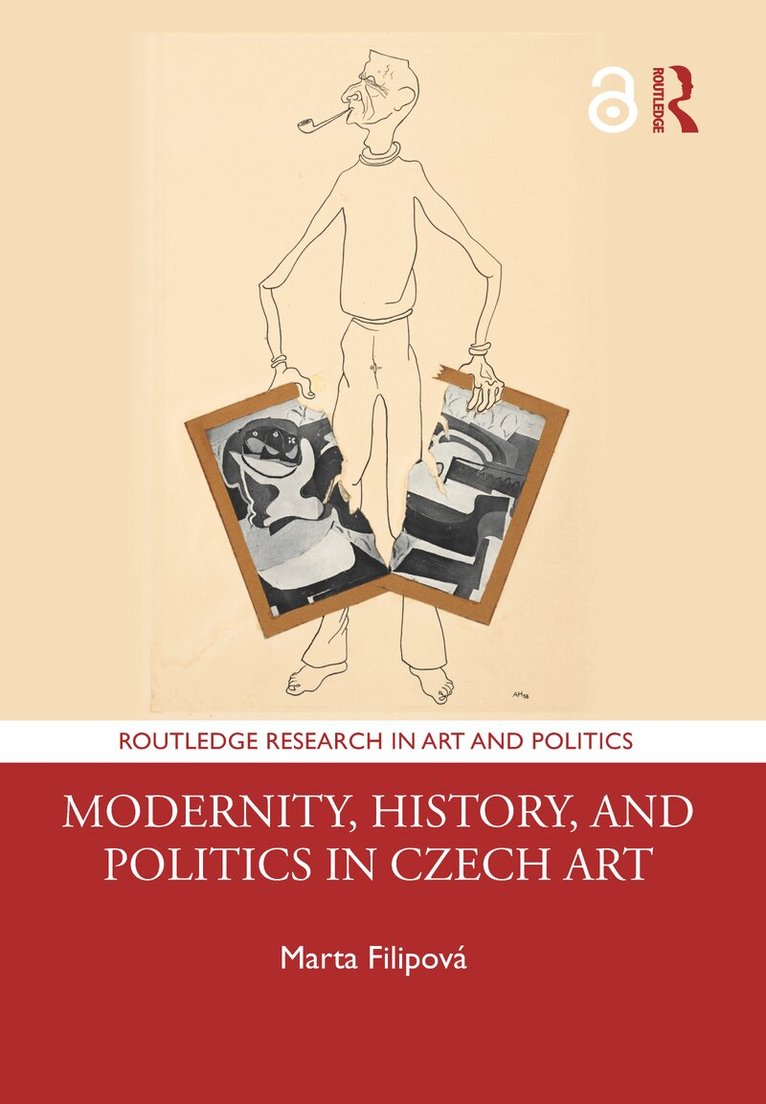
This book traces the influence of the changing political environment on Czech art, criticism, history, and theory between 1895 and 1939, looking beyond the avant-garde to the peripheries of modern art. The period is marked by radical political changes, the formation of national and regional identities, and the rise of modernism in Central Europe – specifically, the collapse of Austria-Hungary and the creation of the new democratic state of Czechoslovakia. Marta Filipová studies the way in which narratives of modern art were formed in a constant negotiation and dialogue between an effort to be international and a desire to remain authentically local.
Cultures of International Exhibitions 1840-1940
Great Exhibitions in the Margins
Häftad, Engelska, 2020
651 kr
Skickas inom 10-15 vardagar
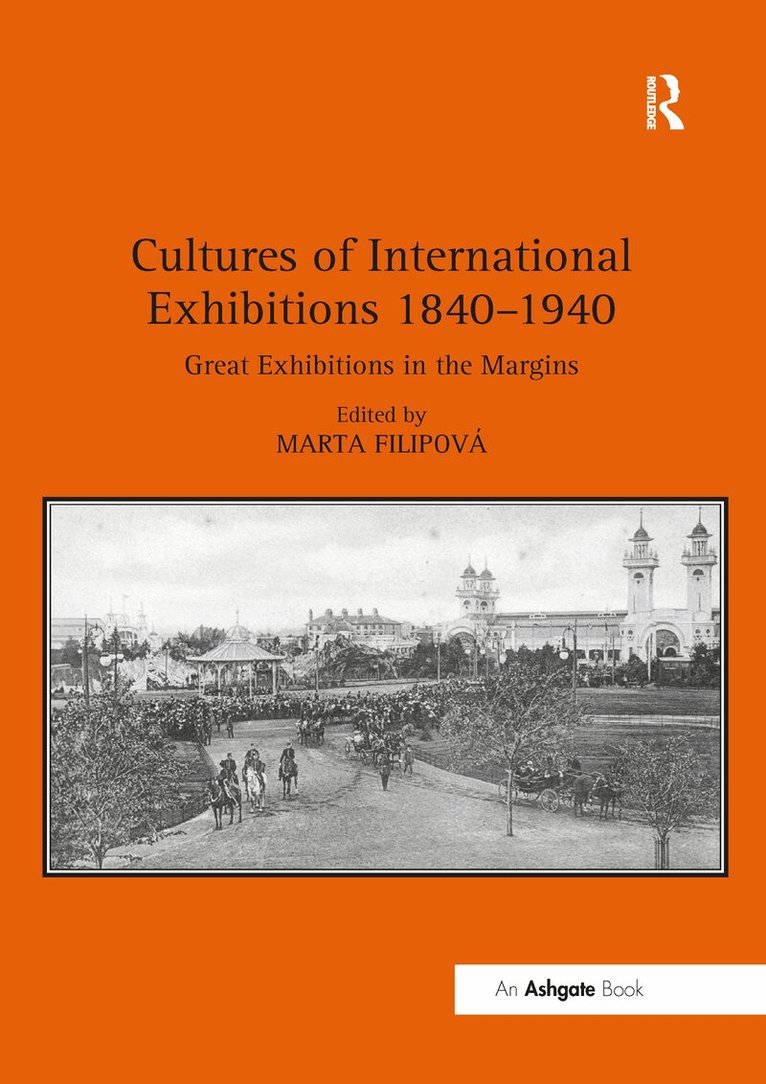
Beyond the great exhibitions, expositions universelles and world fairs in London, Paris or Chicago, numerous smaller, yet ambitious exhibitions took place in provincial cities and towns across the world. Focusing on the period between 1840 and 1940, this volume takes a novel look at the exhibitionary cultures of this period and examines the motivations, scope, and impact of lesser-known exhibitions in, for example, Australia, Japan, Brazil, as well as a number of European countries. The individual case studies included explore the role of these exhibitions in the global exhibitionary network and consider their ’marginality’ related to their location and omission by academic research so far. The chapters also highlight a number of important issues from regional or national identities, the role of modernisation and tradition, to the relationship between capital cities and provincial towns present in these exhibitions. They also address the key topic of colonial exhibitions as well as the displays of arts and design in the context of the so-called marginal fairs. Cultures of International Exhibitions 1840-1940: Great Exhibitions in the Margins therefore opens up new angles in the way the global phenomenon of a great exhibition can be examined through the prism of the regional, and will make a vital contribution to those interested in exhibition studies and related fields.
2 176 kr
Skickas inom 10-15 vardagar
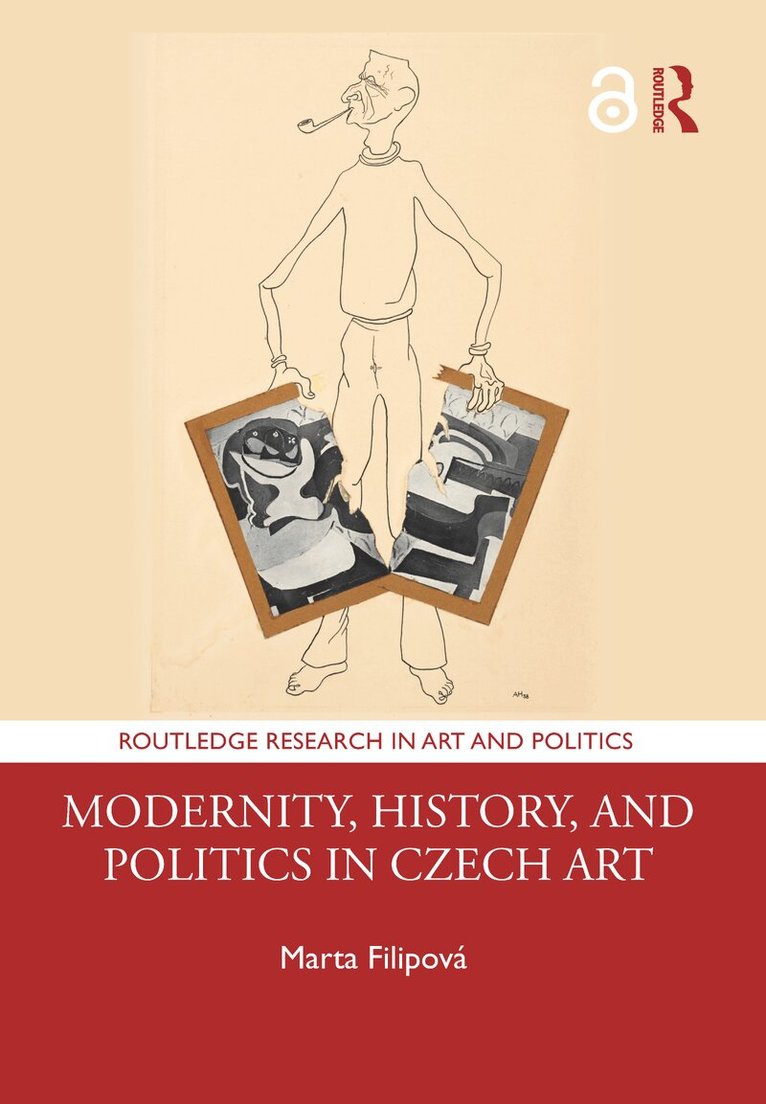
This book traces the influence of the changing political environment on Czech art, criticism, history, and theory between 1895 and 1939, looking beyond the avant-garde to the peripheries of modern art. The period is marked by radical political changes, the formation of national and regional identities, and the rise of modernism in Central Europe – specifically, the collapse of Austria-Hungary and the creation of the new democratic state of Czechoslovakia. Marta Filipová studies the way in which narratives of modern art were formed in a constant negotiation and dialogue between an effort to be international and a desire to remain authentically local.The Open Access version of this book, available at http://www.taylorfrancis.com, has been made available under a Creative Commons Attribution-Non Commercial-No Derivatives 4.0 license.
Cultures of International Exhibitions 1840-1940
Great Exhibitions in the Margins
Inbunden, Engelska, 2015
2 176 kr
Skickas inom 10-15 vardagar
Beyond the great exhibitions, expositions universelles and world fairs in London, Paris or Chicago, numerous smaller, yet ambitious exhibitions took place in provincial cities and towns across the world. Focusing on the period between 1840 and 1940, this volume takes a novel look at the exhibitionary cultures of this period and examines the motivations, scope, and impact of lesser-known exhibitions in, for example, Australia, Japan, Brazil, as well as a number of European countries. The individual case studies included explore the role of these exhibitions in the global exhibitionary network and consider their ’marginality’ related to their location and omission by academic research so far. The chapters also highlight a number of important issues from regional or national identities, the role of modernisation and tradition, to the relationship between capital cities and provincial towns present in these exhibitions. They also address the key topic of colonial exhibitions as well as the displays of arts and design in the context of the so-called marginal fairs. Cultures of International Exhibitions 1840-1940: Great Exhibitions in the Margins therefore opens up new angles in the way the global phenomenon of a great exhibition can be examined through the prism of the regional, and will make a vital contribution to those interested in exhibition studies and related fields.
1 714 kr
Skickas inom 10-15 vardagar
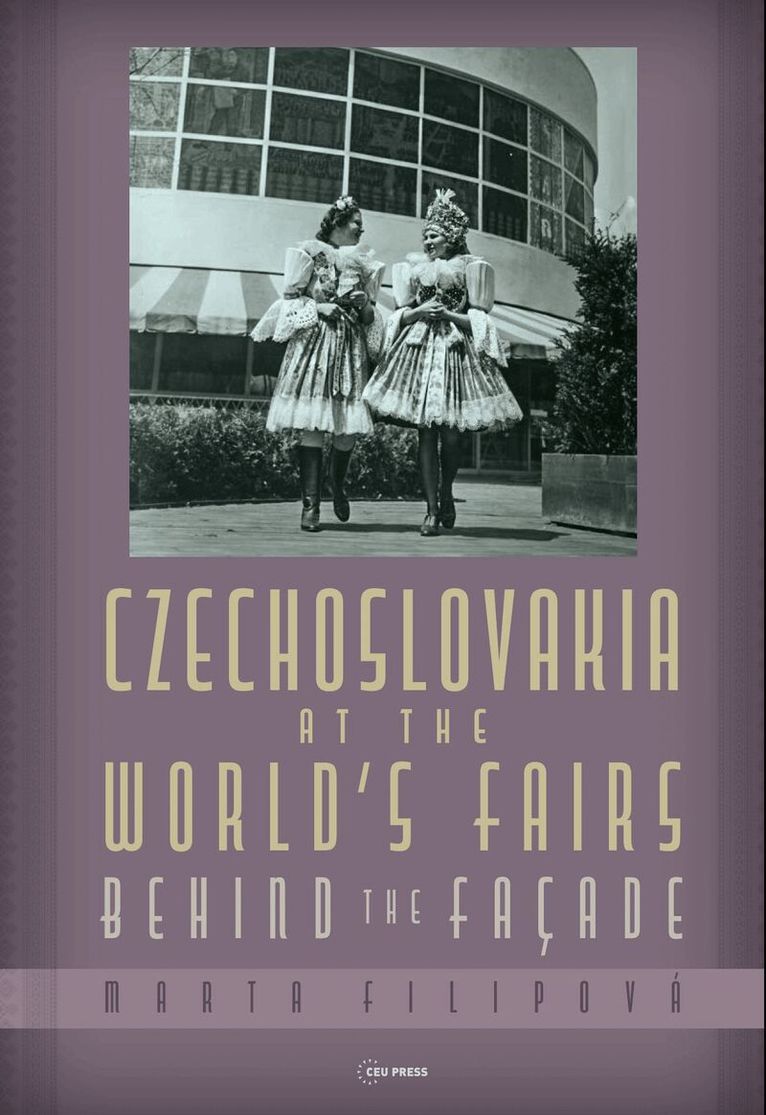
Established in 1918, as a new state the First Czechoslovak Republic was keen to project a distinct image. Participation in World Fairs offered the perfect opportunity-. In this comprehensive account of Czechoslovak participation in international exhibitions of the interwar period Marta Filipová looks beyond the sleek façade of the modernist pavilions to examine the intersections of architecture, art and design with commercial interests, state agendas, individual action and the public, offering a complex insight into the production and reception of national displays. The rich collection of images – mainly photographs – provides a close look at the Czechoslovak pavilions. The design, content and context of the displays convey an idealized narrative that was created for the fairs and the myths on which the Czechoslovak nation and state were built. Heavy machinery, modern art, tourist destinations, and food and drink were presented as Czechoslovak, while many aspects of social life – particularly women or ethnic minorities – were strikingly underrepresented or absent. The book argues that the objects and ideas that the pavilion organizers put on display legitimized and validated the existence of the new state through the inclusion and exclusion of exhibits, people, and ideas.While Marta Filipová primarily focuses on Czechoslovakia, she also offers insights into how other emerging nations projected and sustained their image during this historical period and how interwar world’s fairs accommodated them.