Martha R. Severens - Böcker
Visar alla böcker från författaren Martha R. Severens. Handla med fri frakt och snabb leverans.
4 produkter
4 produkter
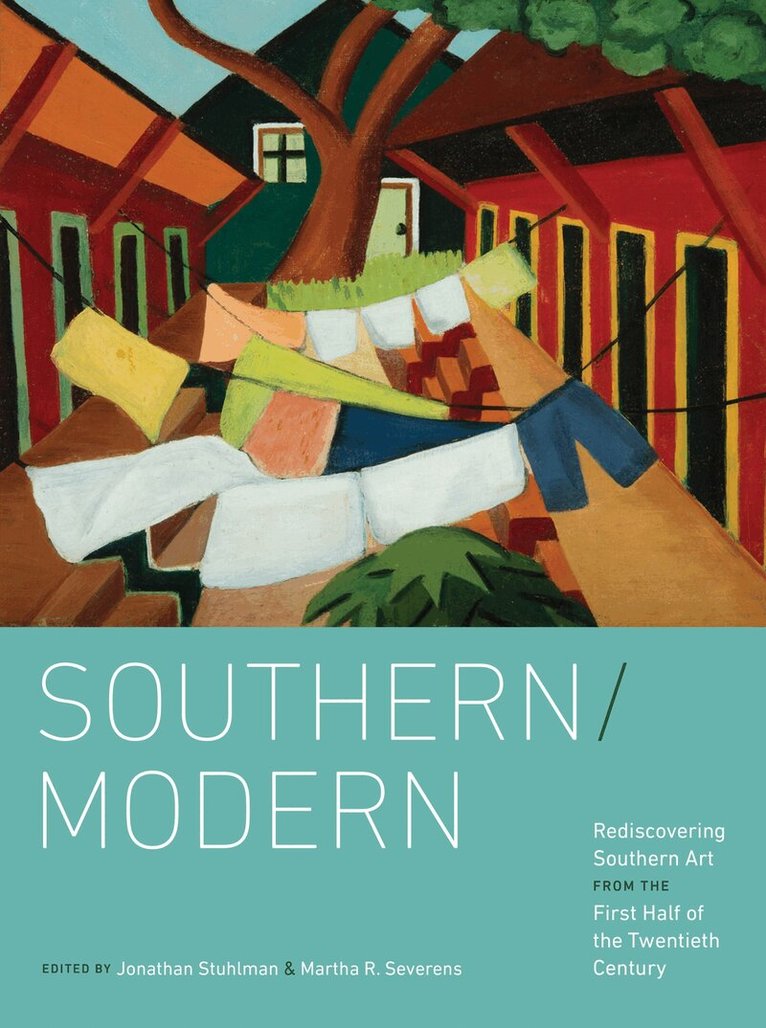
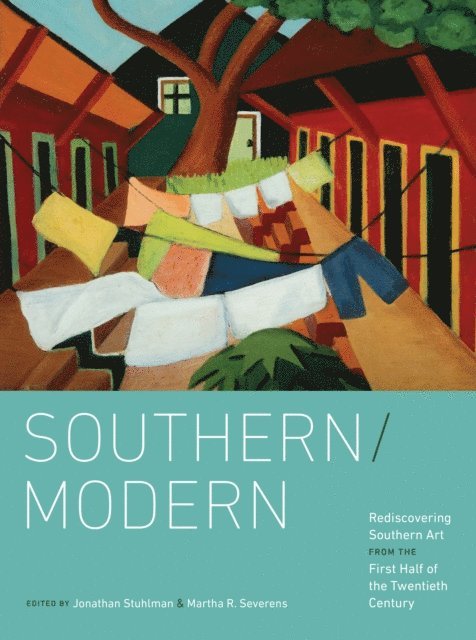
Southern/Modern
Rediscovering Southern Art from the First Half of the Twentieth Century
Inbunden, Engelska, 2023
709 kr
Skickas inom 7-10 vardagar
Drawn from a companion exhibition, Southern/Modern is the first book to survey progressive art created in the American South during the first half of the twentieth century. Featuring twelve essays, this lavishly illustrated volume catalogs works from the exhibition and assesses a broader body of contextual pieces to offer a fascinating, multipronged look at modernism's thriving presence in the South—until now, something largely overlooked in histories of American art. Contributors take a broad view of the region, considering artists working in the states below the Mason-Dixon Line and those bordering the Mississippi River. It examines the central roles played by women and artists of color, providing a fuller, richer, and more accurate overview of the artistic activity in the region than has been previously presented. The book is structured around key themes, including the embrace of "high" modernism, the importance of emerging university programs and artist colonies, the depiction of rural and urban modern life, and the role of artists from the South who left and artists from outside the region who came to the South seeking new subjects.Contributors are Daniel Belasco, Katelyn D. Crawford, William Underwood Eiland, William R. Ferris, Shawnya Harris, Todd Herman, Karen Towers Klacsmann, Leo G. Mazow, Christopher C. Oliver, Jeffrey Richmond-Moll, Martha R. Severens, Jonathan Stuhlman, Rebecca VanDiver, and Jonathan Frederick Walz.
633 kr
Skickas inom 3-6 vardagar
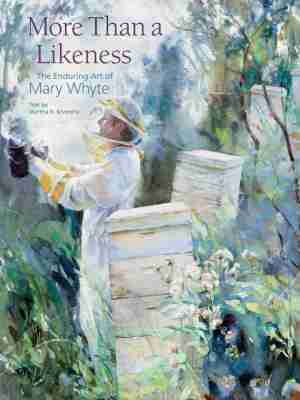
More Than a Likeness: The Enduring Art of Mary Whyte is the first comprehensive book on the life and work of one of today's most renowned watercolourists. From Whyte's earliest paintings in rural Ohio and Pennsylvania, to the riveting portraits of her southern neighbours, historian Martha R. Severens provides us with an intimate look into the artist's private world.With more than two hundred full-colour images of Whyte's paintings and sketches, as well as comparison works by masters such as Winslow Homer, Andrew Wyeth, and John Singer Sargent, Severens clearly illustrates how Whyte's art has been shaped and how the artist forged her own place in the world today. Though Whyte's academic training in Philadelphia was in oil painting, she learned the art of watercolour on her own--by studying masterworks in museums. Today Whyte's style of watercolour painting is a unique blend of classical realism and contemporary vision, as seen in her intimate portraits of Southern blue-collar workers and elderly African American women in the South Carolina lowcountry. ""For me ideas are more plentiful than the hours to paint them, and I worry that I cannot get to all of my thoughts before they are forgotten or are pushed aside by more pressing concerns,"" explains Whyte. ""Some works take time to evolve. Like small seeds the paintings might not come to fruition until several years later, after there has been ample time for germination."" Using broad sweeping washes as well as miniscule brushstrokes, Whyte directs the viewer's attention to the areas in her paintings she deems most important. Murky passages of neutral colours often give way to areas of intense detail and colour, giving the works a variety of edges and poetic focus. Several paintings included in the book are accompanied by enlarged areas of detail, showcasing Whyte's technical mastery. More Than a Likeness is replete with engaging artwork and inspiring text that mark the mid-point in Whyte's artistry. Of what she will paint in the future, the artist says, ""I have always believed that as artists we don't choose our vocation, style, or subject matter. Art chooses us.
412 kr
Skickas inom 11-20 vardagar
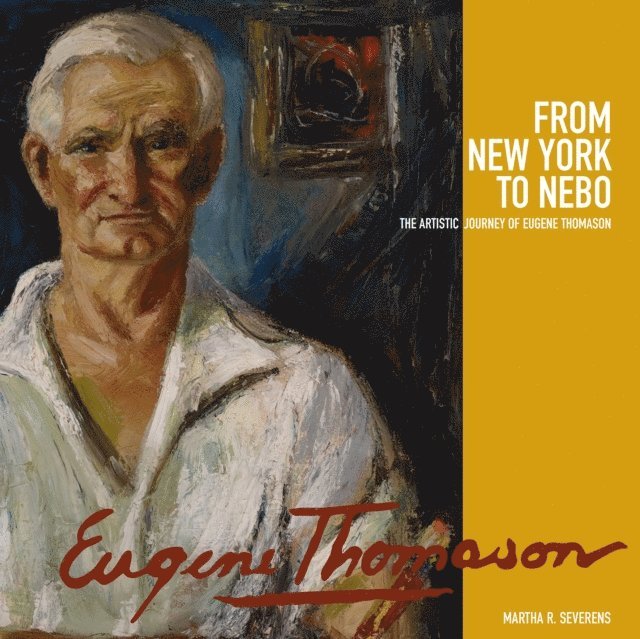
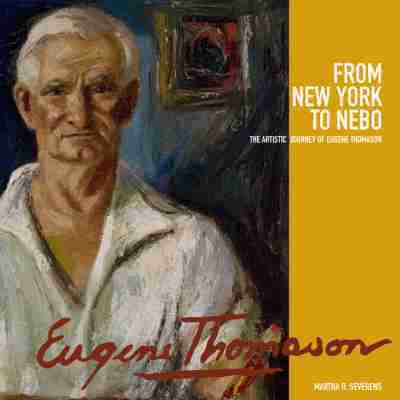
A product of the industrialized New South, Eugene Healan Thomason (1895-1972) made the obligatory pilgrimage to New York to advance his art education and launch his career. Like so many other aspiring American artists, he understood that the city offered unparalleled personal and professional opportunities - prestigious schools, groundbreaking teachers, and an intoxicating cosmopolitan milieu - for a promising young painter in the early 1920s. The patronage of one of the nation's most powerful tycoons afforded him entrance to the renowned Art Students League, where he fell under the influence of the leading members of the Ashcan School, including Robert Henri, John Sloan, and George Luks. In all, Thomason spent a decade in the city, adopting - and eventually adapting - the Ashcan movement's gritty realistic aesthetic into a distinctive regionalist style that utilized thick paint and simple subject matter.Eugene Thomason returned to the South in the early 1930s, living first in Charlotte, North Carolina, before settling in a small Appalachian crossroads called Nebo. For the next thirty-plus years, he mined the rural landscape's rolling terrain and area residents for inspiration, finding there an abundance of colorful imagery more evocative - and more personally resonant - than the urbanism of New York. Painting at the same time as such well known Regionalists as Thomas Hart Benton and Grant Wood, Eugene Thomason embraced and convincingly portrayed his own region, becoming the visual spokesman for that place and its people.Copublished with The Johnson Collection.
547 kr
Skickas inom 7-10 vardagar
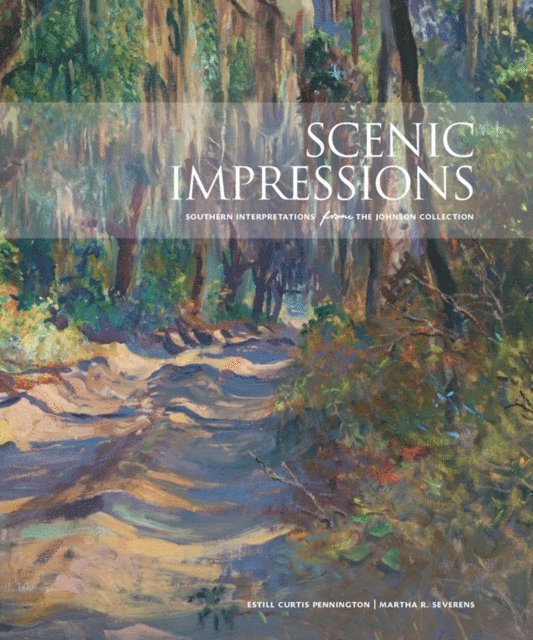
The radical changes wrought by the rise of the salon system in nineteenth-century Europe provoked an interesting response from painters in the American South. Painterly trends emanating from Barbizon and Giverny emphasized the subtle textures of nature through warm colour and broken brush stroke. Artists' subject matter tended to represent a prosperous middle class at play, with the subtle suggestion that painting was indeed art for art's sake and not an evocation of the heroic manner. Many painters in the South took up the stylistics of Tonalism, Impressionism, and naturalism to create works of a very evocative nature, works which celebrated the Southern scene as an exotic other, a locale offering refuge from an increasingly mechanized urban environment.Scenic Impressions offers an insight into a particular period of American art history as borne out in seminal paintings from the holdings of the Johnson Collection of Spartanburg, South Carolina. By consolidating academic information on a disparate group of objects under a common theme and important global artistic umbrella, Scenic Impressions will underscore the Johnsons' commitment to illuminating the rich cultural history of the American South and advancing scholarship in the field, specifically examining some forty paintings created between 1880 and 1940, including landscapes and genre scenes. A foreword, written by Kevin Sharp, director of the Dixon Gallery and Gardens in Memphis, Tennessee, introduces the topic. Two lead essays, written by noted art historians Pennington, Estill Curtisand Martha R. Severens, discuss the history and import of the Impressionist movement--abroad and domestically--and specifically address the school's influence on art created in and about the American South. The featured works of art are presented in full colour plates and delineated in complementary entries written by Pennington and Severens. Also included are detailed artist biographies illustrated by photographs of the artists, extensive documentation, and indices.Featured artists include Wayman Adams, Colin Campbell Cooper, Elliott Daingerfield, G. Ruger Donoho, Harvey Joiner, John Ross Key, Blondelle Malone, Lawrence Mazzanovich, Paul Plaschke, Hattie Saussy, Alice Ravenel, Huger Smith, Anthony Thieme, and Helen Turner.