Martin Easdown – författare
Visar alla böcker från författaren Martin Easdown. Handla med fri frakt och snabb leverans.
13 produkter
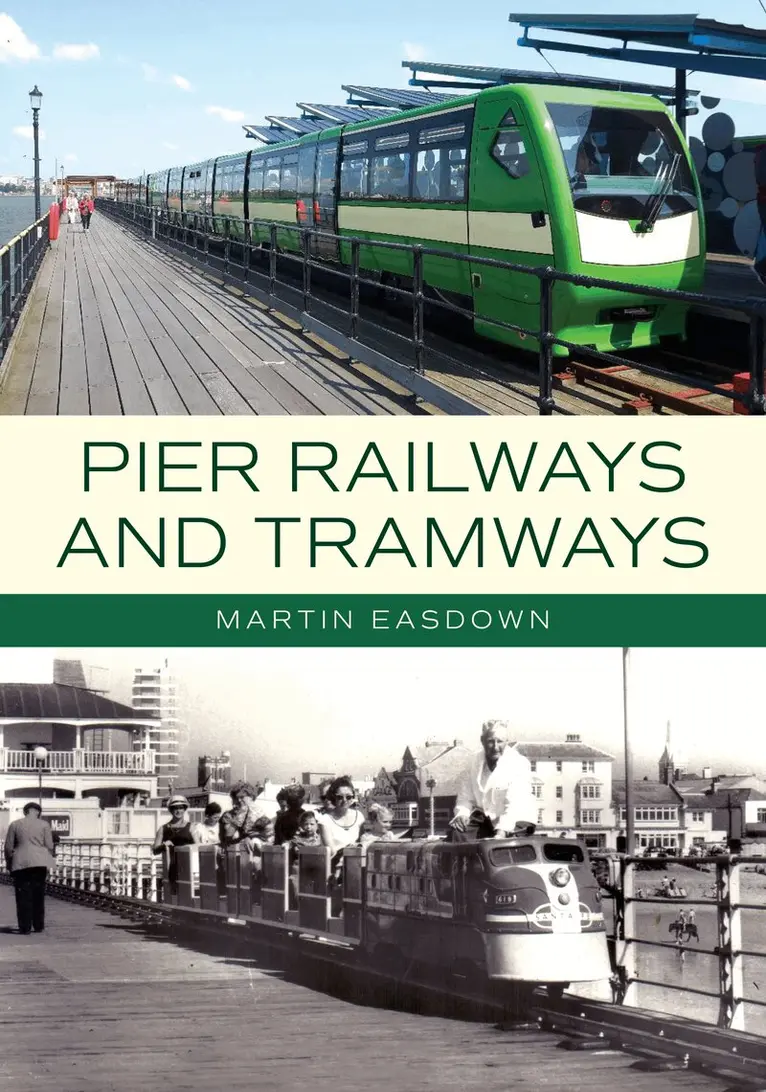
Pier Railways and Tramways
Häftad, 2025
187 kr
Lägg i varukorg
The nineteenth-century craze for building pleasure piers around the coast of Britain has left a legacy of seaside fun unmatched around the world. Although some of Britain’s piers have succumbed to fire and storm damage over the years, over fifty of these remarkable structures are still standing …
Pier Railways and Tramways
E-bok, 2025
178 kr
Lägg i varukorg
The nineteenth-century craze for building pleasure piers around the coast of Britain has left a legacy of seaside fun unmatched around the world. Although some of Britain's piers have succumbed to fire and storm damage over the years, over fifty of these remarkable structures are still standing …
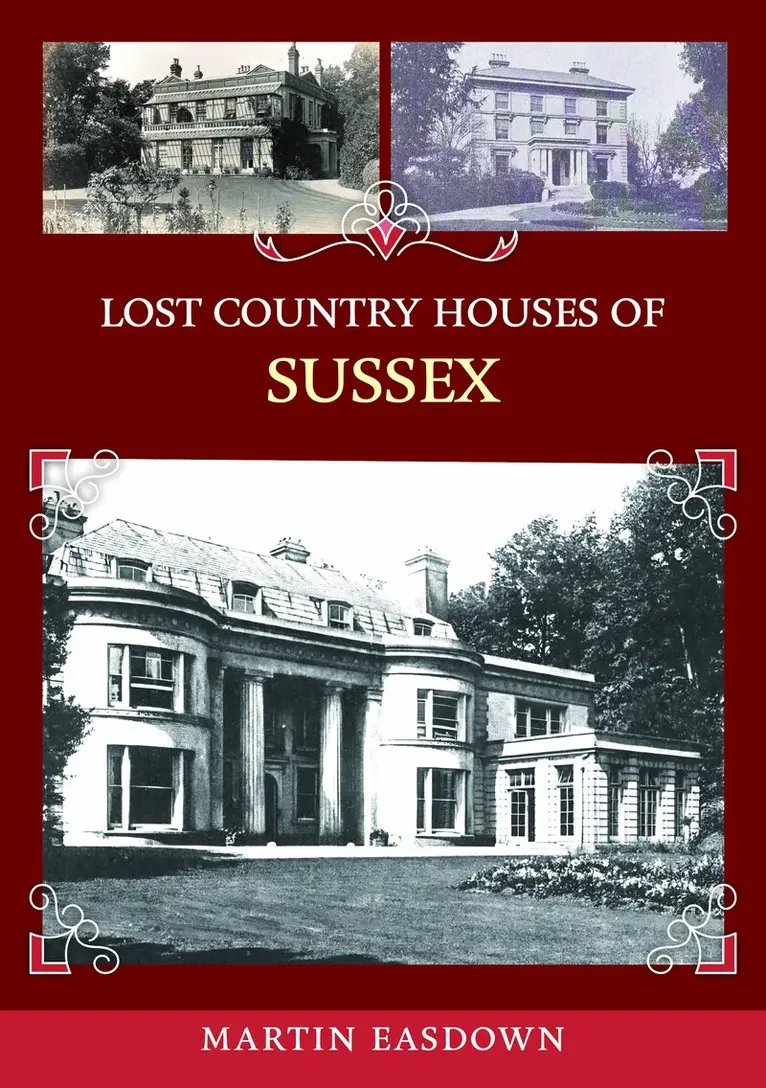
Lost Country Houses of Sussex
Häftad, 2027
181 kr
Kommande
Rudyard Kipling’s poem Sussex celebrates the beauty of his deeply loved adopted county with its rolling green hills, spectacular chalk downs and its varied and playful coastline. Fortunately, Kipling’s country house and many grander mansions are still with us yet, as elsewhere in the United …
Lost Country Houses of Surrey
Häftad, 2027
181 kr
Kommande
Surrey had been home to large houses of the landed gentry and even royalty through the centuries but once the new railways opened up the county in the nineteenth century, Surrey’s proximity to London meant that many large houses were built for the wealthy who worked in the capital. However, …
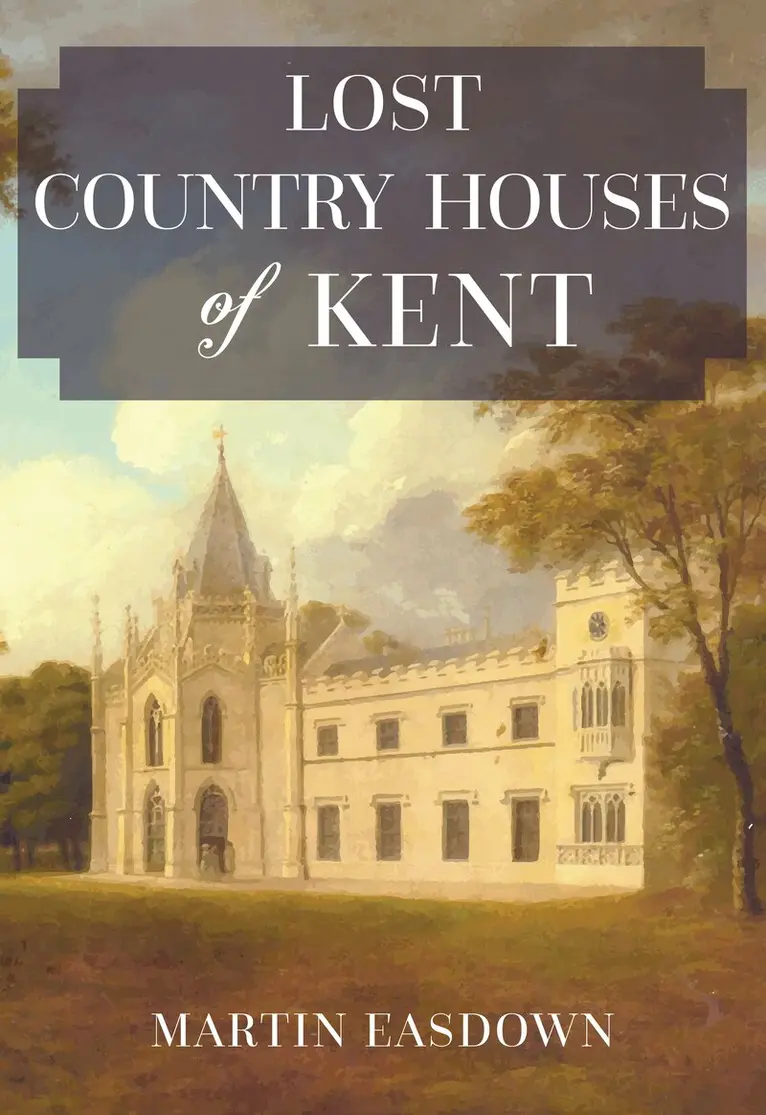
Lost Country Houses of Kent
Häftad, 2017
171 kr
Lägg i varukorg
Country houses were the showpieces of the nation’s elite and Kent can still boast some of the finest examples, with Leeds Castle, Chevening, Cobham Hall, Knole, Penshurst Place, Mereworth and Broome Park to name but a few. Sadly, the county has also witnessed the demolition of several of its …
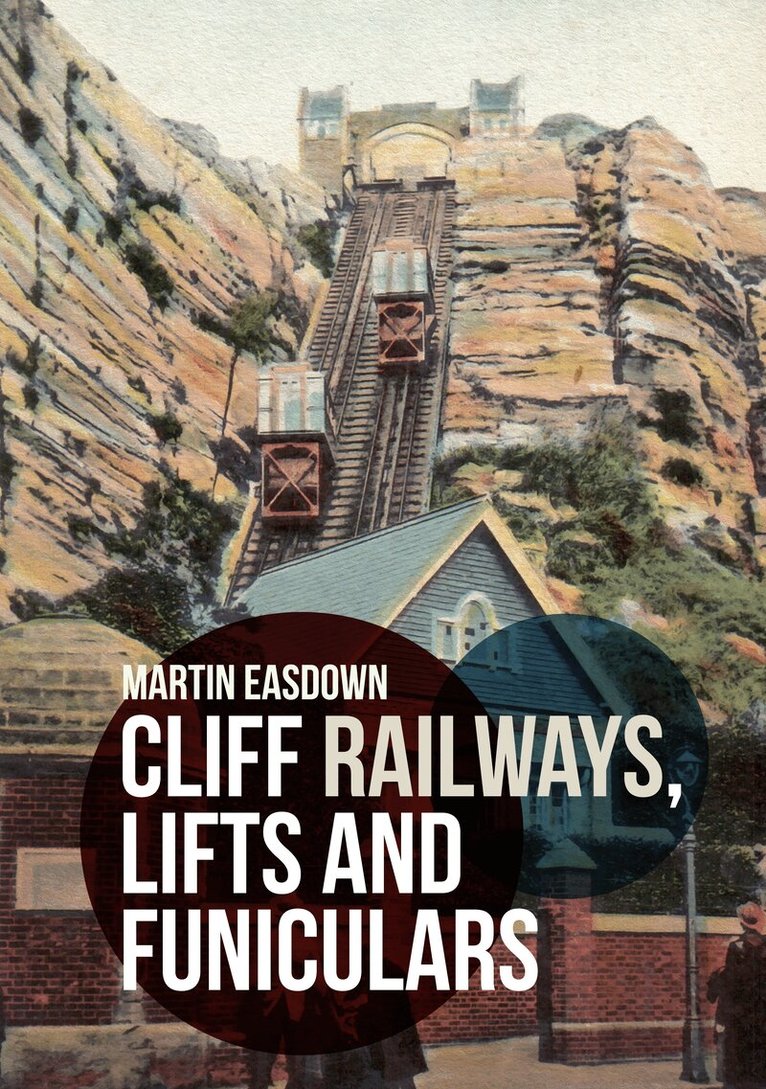
Cliff Railways, Lifts and Funiculars
Häftad, 2018
187 kr
Lägg i varukorg
One of the most evocative reminders of Victorian ingenuity at the British seaside is the much-loved cliff lift. This simple method of transporting people up and down the cliff side has been a feature of our coast, and a few inland towns, for over 150 years and has recently undergone a renaissance …
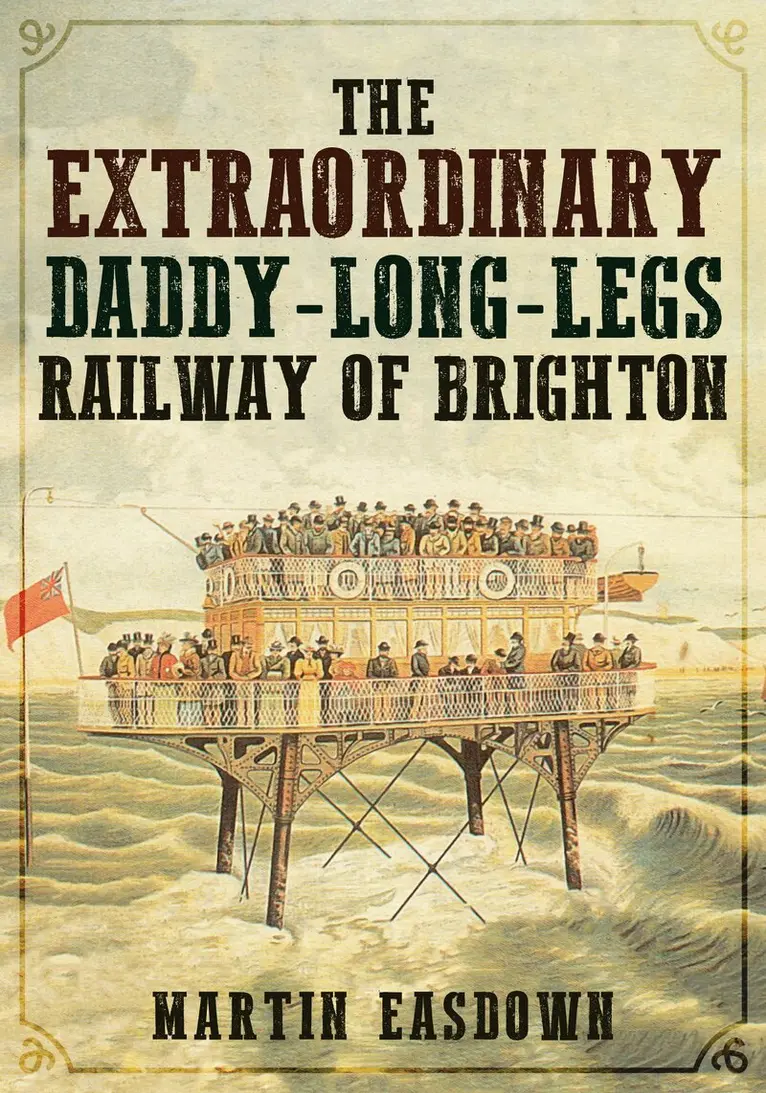
Extraordinary Daddy-Long-Legs Railway of Brighton
Häftad, 2019
183 kr
Lägg i varukorg
The unique, but sadly short-lived, Brighton & Rottingdean Seashore Electric Railway must have presented quite an amazing spectacle, even during those late Victorian days of engineering excellence. Affectionately known as the ‘Daddy-Long-Legs’, ‘spider car’ or ‘sea car’, the railway resembled a …
Amusement Park Rides
E-bok, 2012
88 kr
Lägg i varukorg
A ride on a rollercoaster is the highlight of any trip to an amusement or theme park, and such attractions have been entertaining the public for well over a century. From the first mass-produced rollercoaster, the Switchback Railway, through to the giant wooden coasters of the inter-war period, …
Amusement Park Rides
E-bok, 2012
87 kr
Lägg i varukorg
A ride on a rollercoaster is the highlight of any trip to an amusement or theme park, and such attractions have been entertaining the public for well over a century. From the first mass-produced rollercoaster, the Switchback Railway, through to the giant wooden coasters of the inter-war period, …
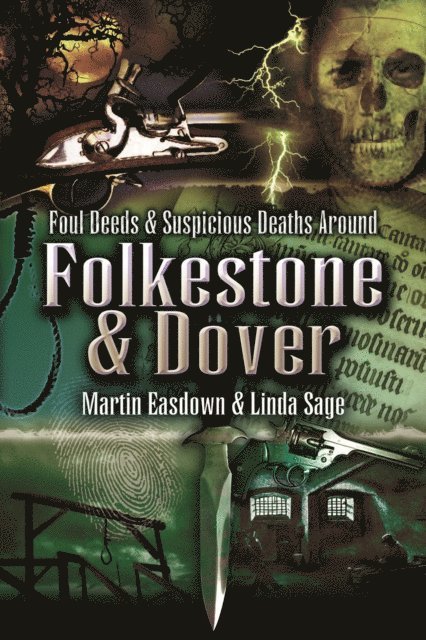
Foul Deeds & Suspicious Deaths in Folkestone & Dover
E-bok, 2006
31 kr
Lägg i varukorg
Foul Deeds and Suspicious Deaths Around Folkestone takes the reader on a sinister journey through the annals of crime in Folkestone, Hythe and the surrounding area. Along the way we meet villains, murderers and victims of many kinds, including cut-throat soldiers, a ''baby farmer'', a Jack the …
Foul Deeds & Suspicious Deaths in Folkestone & Dover
E-bok, 2006
31 kr
Lägg i varukorg
Foul Deeds and Suspicious Deaths Around Folkestone takes the reader on a sinister journey through the annals of crime in Folkestone, Hythe and the surrounding area. Along the way we meet villains, murderers and victims of many kinds, including cut-throat soldiers, a ''baby farmer'', a Jack the …
Piers of Kent
Häftad, 2007
160 kr
Tillfälligt slut
Kent was once at the forefront of the British seaside resorts, and this book concentrates on the construction of piers along the coastline of Kent.
Hythe: A History
Inbunden, 2008
197 kr
Tillfälligt slut
Hythe is the favourite Kent town for many people. An historic Cinque Port and seaside resort, great defensive interest and unusual charm add to its appeal as a quintessential small English town. Its Golden Age was from the 11th to the 14th centuries, when, along with the other Cinque Ports, it was …