Martin J. Graves – författare
Visar alla böcker från författaren Martin J. Graves. Handla med fri frakt och snabb leverans.
8 produkter
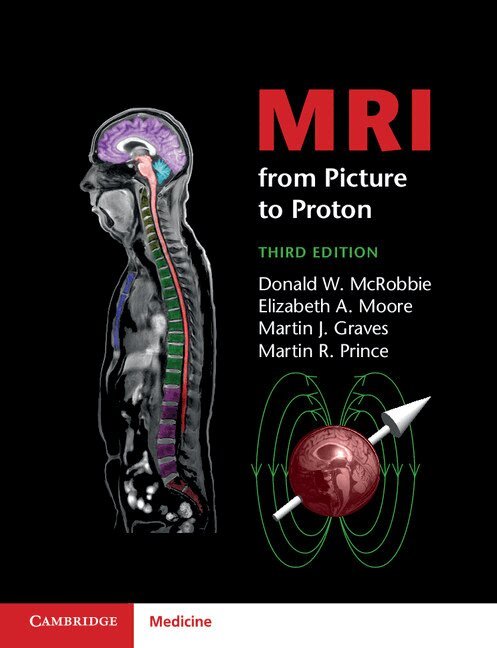
MRI from Picture to Proton
Av Donald W. McRobbie, Elizabeth A. Moore m. fl.
Häftad, 2017
1387 kr
Lägg i varukorg
MR is a powerful modality. At its most advanced, it can be used not just to image anatomy and pathology, but to investigate organ function, to probe in vivo chemistry, and even to visualise the brain thinking. However, clinicians, technologists and scientists struggle with the study of the subject. …
MRI from Picture to Proton
Av Martin R. Prince, Martin J. Graves m. fl.
E-bok, 2017
1377 kr
Lägg i varukorg
MR is a powerful modality. At its most advanced, it can be used not just to image anatomy and pathology, but to investigate organ function, to probe in vivo chemistry, and even to visualise the brain thinking. However, clinicians, technologists and scientists struggle with the study of the subject. …
MRI from Picture to Proton
Av Martin R. Prince, Martin J. Graves m. fl.
E-bok, 2017
1377 kr
Lägg i varukorg
MR is a powerful modality. At its most advanced, it can be used not just to image anatomy and pathology, but to investigate organ function, to probe in vivo chemistry, and even to visualise the brain thinking. However, clinicians, technologists and scientists struggle with the study of the subject. …
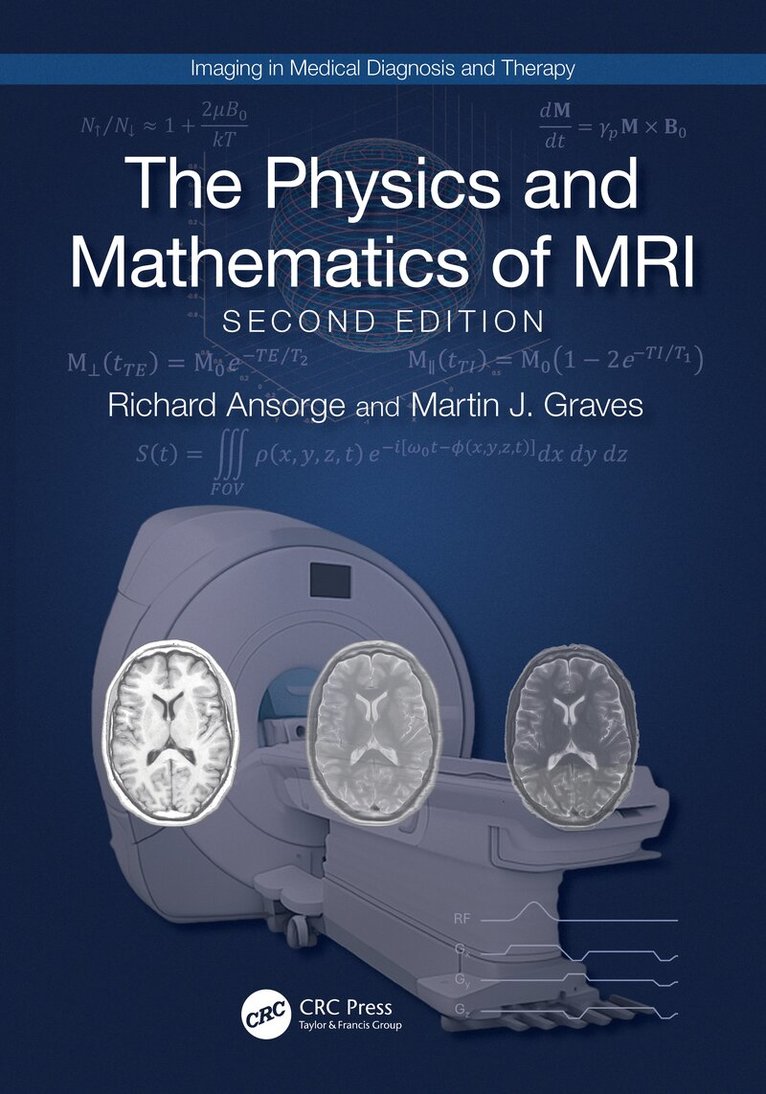
Physics and Mathematics of MRI
Av Richard Ansorge, Martin J. Graves
Inbunden, 2026
2585 kr
Lägg i varukorg
Magnetic resonance imaging (MRI) remains one of the most versatile and powerful diagnostic tools in modern medicine, yet its underlying physics and mathematics form a subtle and elegant synthesis of quantum mechanics, engineering principles and signal processing. The first edition of The Physics …
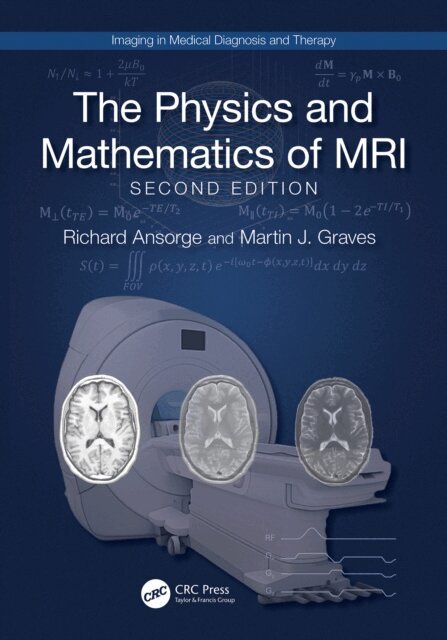
Physics and Mathematics of MRI
Av Richard Ansorge, Martin J. Graves
Häftad, 2026
846 kr
Lägg i varukorg
Magnetic resonance imaging (MRI) remains one of the most versatile and powerful diagnostic tools in modern medicine, yet its underlying physics and mathematics form a subtle and elegant synthesis of quantum mechanics, engineering principles and signal processing. The first edition of The Physics …
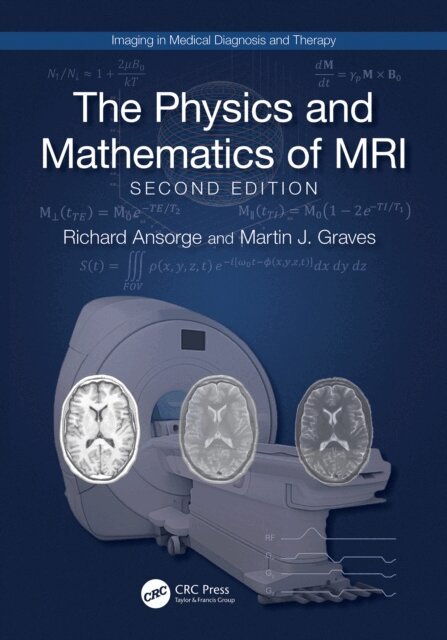
Physics and Mathematics of MRI
Av Martin J. Graves, Richard Ansorge
E-bok, 2026
999 kr
Lägg i varukorg
Magnetic resonance imaging (MRI) remains one of the most versatile and powerful diagnostic tools in modern medicine, yet its underlying physics and mathematics form a subtle and elegant synthesis of quantum mechanics, engineering principles and signal processing. The first edition of The Physics …
Physics and Mathematics of MRI
Av Martin J. Graves, Richard Ansorge
E-bok, 2026
977 kr
Lägg i varukorg
Magnetic resonance imaging (MRI) remains one of the most versatile and powerful diagnostic tools in modern medicine, yet its underlying physics and mathematics form a subtle and elegant synthesis of quantum mechanics, engineering principles and signal processing. The first edition of The Physics …
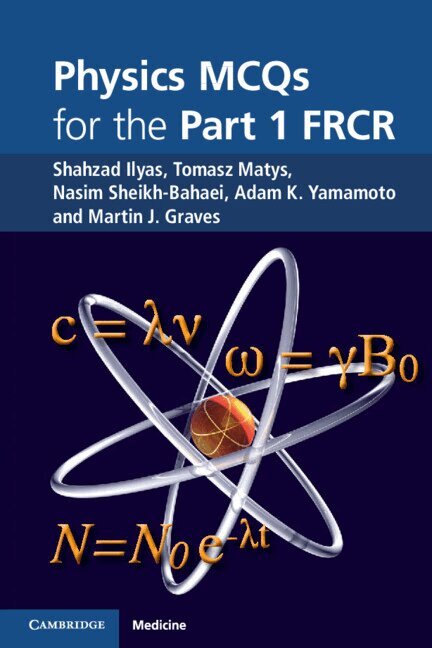
Physics MCQs for the Part 1 FRCR
Av Shahzad Ilyas, Tomasz Matys m. fl.
Häftad, 2011
820 kr
Lägg i varukorg
Physics MCQs for the Part 1 FRCR is a comprehensive and practical revision tool for the new format Part 1 FRCR examination, covering the complete physics curriculum. Key features: • Contains 300 questions that reflect the style and difficulty of the real exam • Covers basic physics, radiation …