Martin Schermaier - Böcker
Visar alla böcker från författaren Martin Schermaier. Handla med fri frakt och snabb leverans.
3 produkter
3 produkter
1 132 kr
Skickas inom 5-8 vardagar
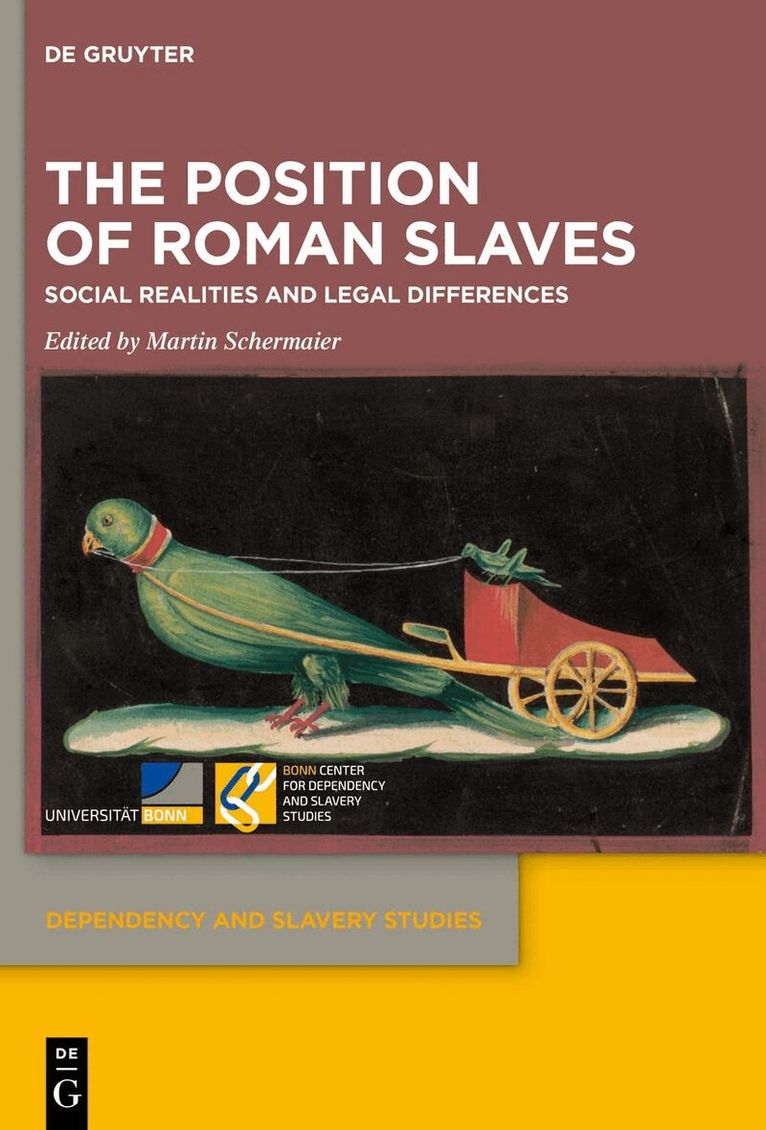
Slaves were property of their dominus, objects rather than persons, without rights: These are some components of our basic knowledge about Roman slavery. But Roman slavery was more diverse than we might assume from the standard wording about servile legal status. Numerous inscriptions as well as literary and legal sources reveal clear differences in the social structure of Roman slavery. There were numerous groups and professions who shared the status of being unfree while inhabiting very different worlds. The papers in this volume pose the question of whether and how legal texts reflected such social differences within the Roman servile community. Did the legal system reinscribe social differences, and if so, in what shape? Were exceptions created only in individual cases, or did the legal system generate privileges for particular groups of slaves? Did it reinforce and even promote social differentiation? All papers probe neuralgic points that are apt to challenge the homogeneous image of Roman slave law. They show that this law was a good deal more colourful than historical research has so far assumed. The authors’ primary concern is to make this legal diversity accessible to historical scholarship.
Norms of Dependency in Late Antique and Early Medieval Societies
Contextualising Roman Legal Terminology
Inbunden, Engelska, 2025
1 499 kr
Skickas inom 3-6 vardagar
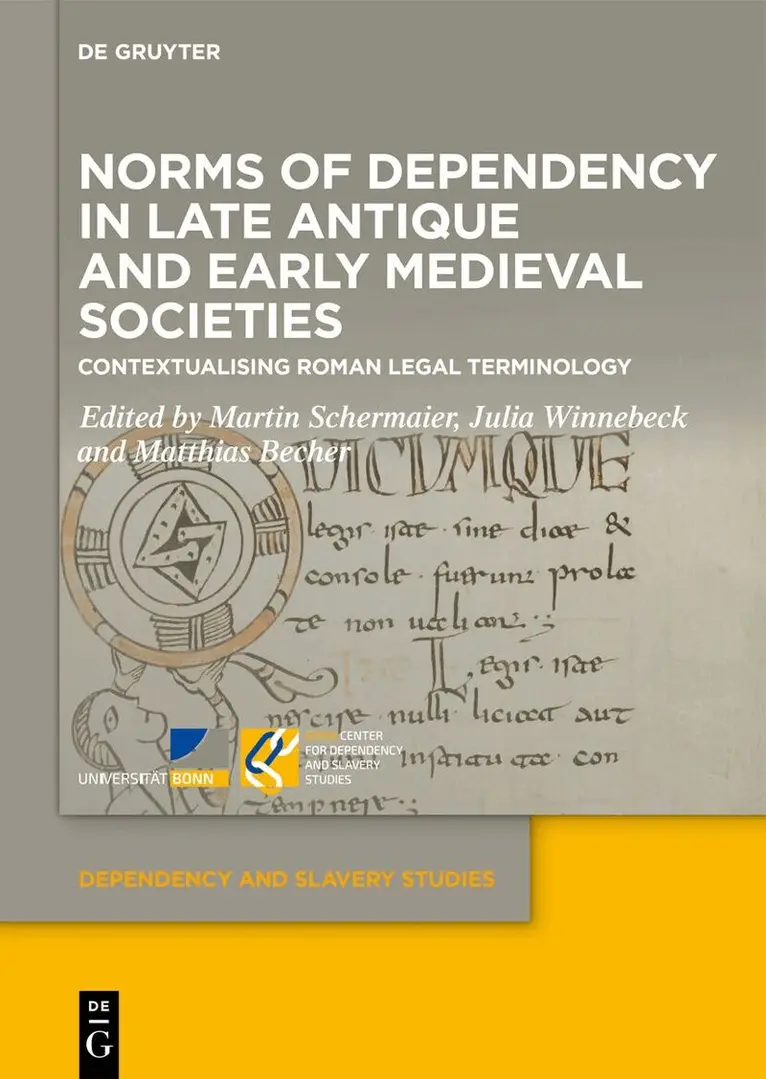
Late antique and early medieval normative sources frequently employ Roman legal terminology to denote a person’s legal inferiority, and thus suggest the continued relevance of the concepts associated with these terms. However, it is far from clear to what extent the use of identical terminology actually indicates the similarity of social phenomena. There is ample evidence of important changes regarding the rights and duties of enslaved persons and the development or emergence of other, new, forms of asymmetrical dependency. This raises the question to what extent consistency in terminology and legal practice is actually an indicator of the stability of social structures. Against this background, a group of scholars of legal, ecclesiastical, and social history were invited to a conference at the BCDSS in March 2022 to scrutinise different law codes and legal sources for their evidence of dependency. The result are these ten papers that truly enhance our understanding of slavery and other dependency relations in late antique and early medieval societies from c. 100 to c. 900 CE.
2 564 kr
Skickas inom 3-6 vardagar