Martine Julia van Ittersum – författare
Visar alla böcker från författaren Martine Julia van Ittersum. Handla med fri frakt och snabb leverans.
3 produkter
3 produkter
E-bok
Engelska, 200677 kr
Läs direkt efter köp
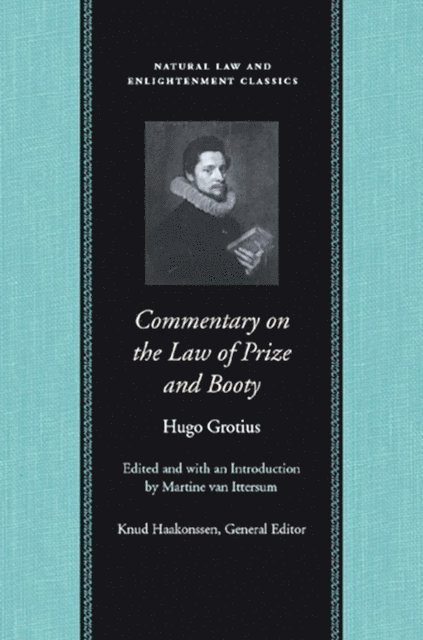
This Liberty Fund edition of Commentary on the Law of Prize and Booty is based on the one prepared by Gwladys L. Williams and Walter H. Zeydel for the Carnegie Endowment for International Peace. It combines the original text and new material.
Hugo Grotius (1583–1645) was a lawyer and legal theorist, diplomat and political philosopher, ecumenical activist and theologian.
Martine Julia van Ittersum is a Lecturer in History at the University of Dundee.
Please note: This title is available as an ebook for purchase on Amazon, Barnes and Noble, and iTunes.Del 343 - Brill's Studies in Intellectual History
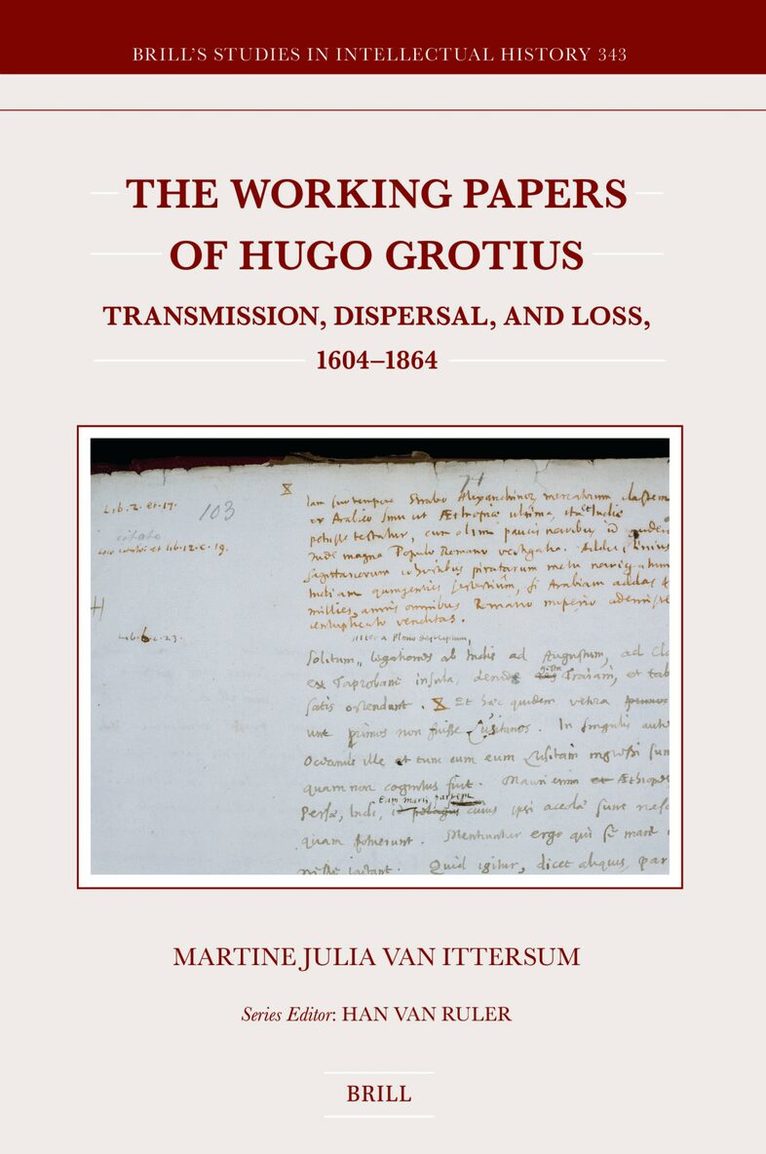
Working Papers of Hugo Grotius
Transmission, Dispersal, and Loss, 1604–1864
Inbunden, Engelska, 2024
3 379 kr
Skickas inom 5-8 vardagar
The Working Papers of Hugo Grotius is the first full-length study of the handwritten documents initially used by the author of Mare Liberum (1609) and De Jure Belli ac Pacis (1625) in his day-to-day activities as a scholar, lawyer, and politician, but subsequently incorporated into his own or other archives. Martine van Ittersum reconstructs a process of transmission, dispersal, and loss that started during Grotius’ lifetime and ended with the papers’ auction in 1864. This is also a study of archival afterlives. Our understanding of Grotius’ life and work is shaped by the conscious decisions of previous generations to retain or discard documents, frequently for the sake of individual lives and careers, family honour and/or larger political and religious ends.
E-bok
PDF, Engelska, 20243 976 kr
Läs direkt efter köp
The Working Papers of Hugo Grotius is the first full-length study of the handwritten documents initially used by the author of Mare Liberum (1609) and De Jure Belli ac Pacis (1625) in his day-to-day activities as a scholar, lawyer, and politician, but subsequently incorporated into his own or other archives. Martine van Ittersum reconstructs a process of transmission, dispersal, and loss that started during Grotius' lifetime and ended with the papers' auction in 1864. This is also a study of archival afterlives. Our understanding of Grotius' life and work is shaped by the conscious decisions of previous generations to retain or discard documents, frequently for the sake of individual lives and careers, family honour and/or larger political and religious ends.