Mary Elizabeth Perry – författare
1 212 kr
Skickas inom 5-8 vardagar
308 kr
Skickas inom 5-8 vardagar
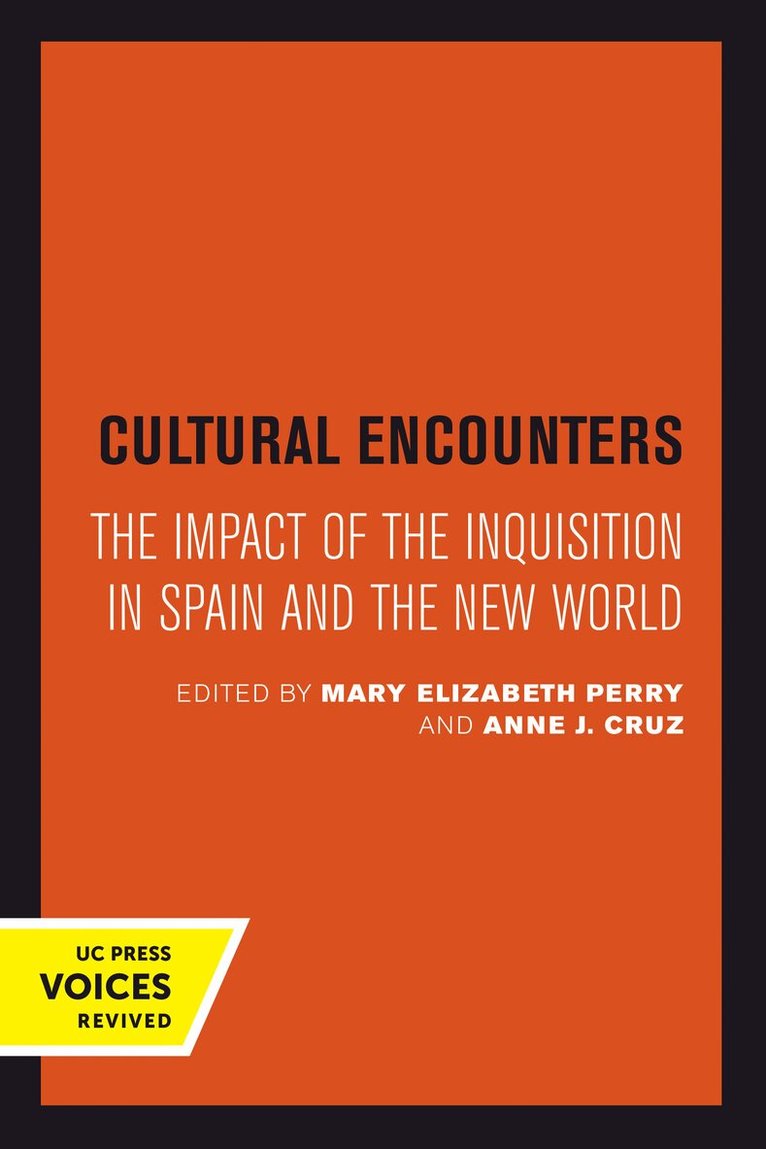
Cultural Encounters
The Impact of the Inquisition in Spain and the New World
337 kr
Skickas inom 5-8 vardagar
337 kr
Läs direkt efter köp
Cultural Encounters
The Impact of the Inquisition in Spain and the New World
1 501 kr
Skickas inom 3-6 vardagar
475 kr
Skickas inom 5-8 vardagar
404 kr
Skickas inom 5-8 vardagar
642 kr
Läs direkt efter köp
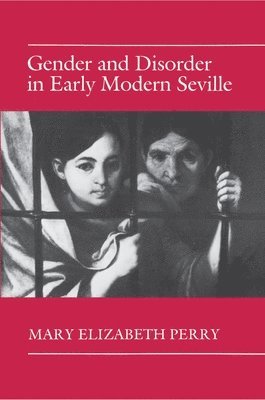
In this exploration of crisis in Counter-Reformation Spain, Mary Elizabeth Perry reveals the significance of gender for social order by portraying the lives of women who lived on the margins of respectability--prostitutes, healers, visionaries, and other deviants who provoked the concern of a growing central government linked closely to the church. Focusing on Seville, the commercial capital of Habsburg Spain, Perry uses rich archival sources to document the economic and spiritual activity of women, and efforts made by civil and church authorities to control this activity, during a period of local economic change and religious turmoil. In analyzing such sources as art and literature from the period, women''s writings, Inquisition records, and laws and regulations, Perry finds that social definitions of what it meant to be a woman or a man persisted due to their sanctification by religious ideas and their adaptation into political order. She describes the tension between gender ideals and actual conditions in women''s lives, and shows how some women subverted the gender order by using a surprisingly wide variety of intellectual and physical strategies.
554 kr
Läs direkt efter köp
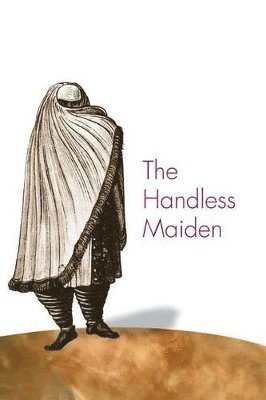
In 1502, a decade of increasing tension between Muslims and Christians in Spain culminated in a royal decree that Muslims in Castile wanting to remain had to convert to Christianity. Mary Elizabeth Perry uses this event as the starting point for a remarkable exploration of how Moriscos, converted Muslims and their descendants, responded to their increasing disempowerment in sixteenth- and early-seventeenth-century Spain. Stepping beyond traditional histories that have emphasized armed conflict from the view of victors, The Handless Maiden focuses on Morisco women. Perry argues that these women''s lives offer vital new insights on the experiences of Moriscos in general, and on how the politics of religion both empowers and oppresses. Drawing on archival documents, legends, and literature, Perry shows that the Moriscas carried out active resistance to cultural oppression through everyday rituals and acts. For example, they taught their children Arabic language and Islamic prayers, dietary practices, and the observation of Islamic holy days. Thus the home, not the battlefield, became the major forum for Morisco-Christian interaction. Moriscas'' experiences further reveal how the Morisco presence provided a vital counter-identity for a centralizing state in early modern Spain. For readers of the twenty-first century, The Handless Maiden raises urgent questions of how we choose to use difference and historical memory.