Marzia Traverso – författare
Visar alla böcker från författaren Marzia Traverso. Handla med fri frakt och snabb leverans.
4 produkter
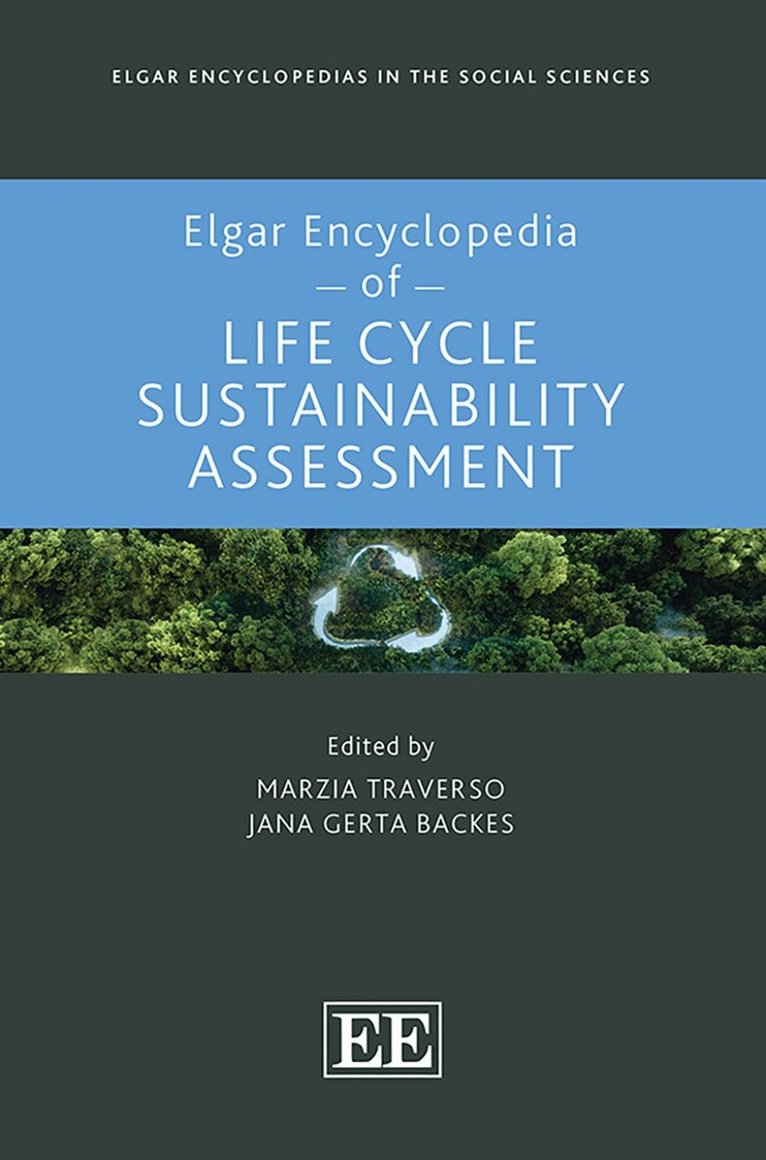
Elgar Encyclopedia of Life Cycle Sustainability Assessment
Av Marzia Traverso, Jana G. Backes
Inbunden, 2026
5447 kr
Lägg i varukorg
The Elgar Encyclopedia of Life Cycle Sustainability Assessment provides concise and authoritative information on the methods, standards, and best practices in sustainability assessment.The Encyclopedia promotes the use of standardized language in order to ensure the successful interdisciplinary …
Perspectives on Social LCA
Contributions from the 6th International Conference
Av Alessandra Zamagni, Luigia Petti m. fl.
E-bok, 2019
734 kr
Lägg i varukorg
This book gives a selection of contributions from the 6 th Social Life Cycle Assessment (S-LCA) Conference in Pescara, Italy. S-LCA is a social (real and potential) impact assessment method that aims to drive improvements in order to increase the value of products and services. It helps …
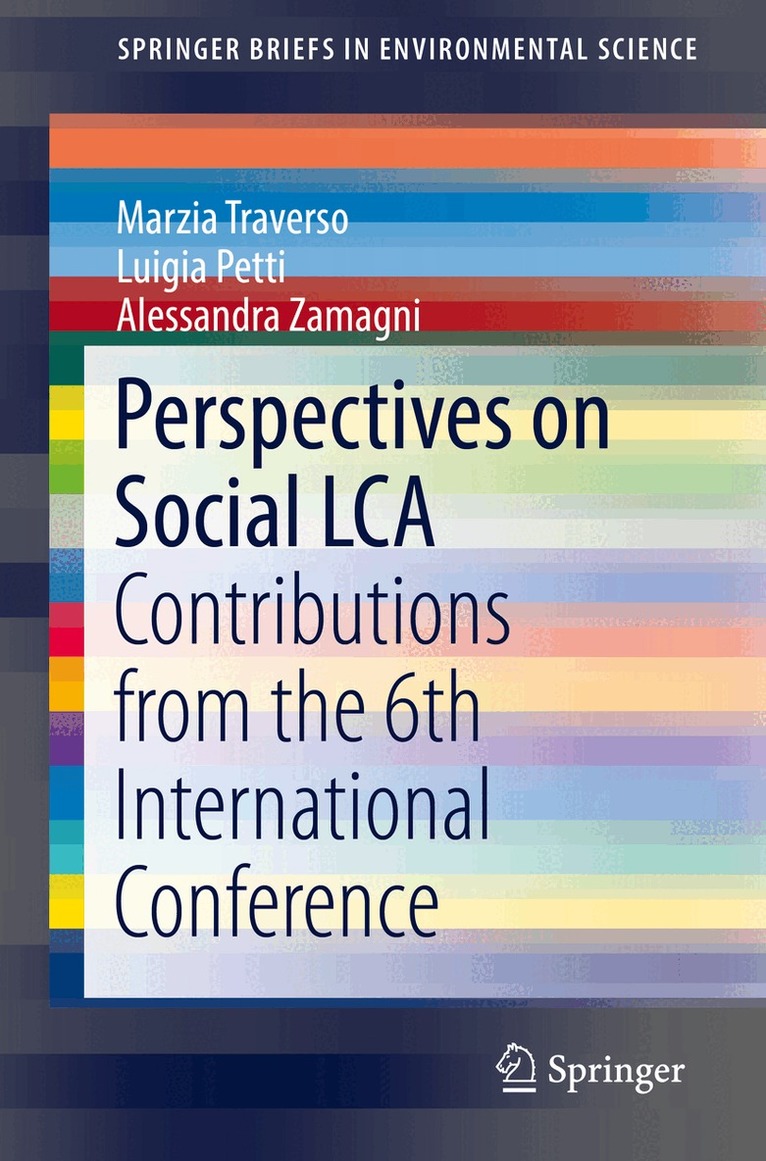
Perspectives on Social LCA
Contributions from the 6th International Conference
Av Marzia Traverso, Luigia Petti m. fl.
Häftad, 2019
552 kr
Lägg i varukorg
This book gives a selection of contributions from the 6th Social Life Cycle Assessment (S-LCA) Conference in Pescara, Italy. S-LCA is a social (real and potential) impact assessment method that aims to drive improvements in order to increase the value of products and services. It helps …
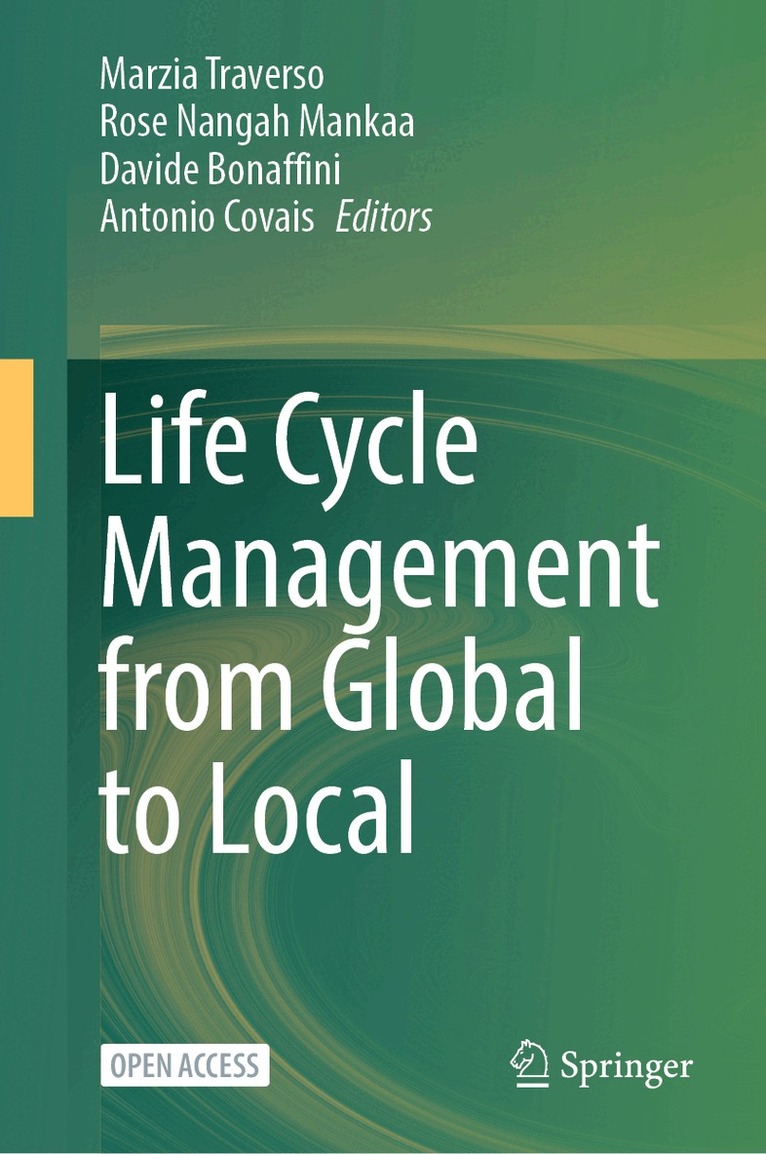
Life Cycle Management from Global to Local
Av Marzia Traverso, Rose Nangah Mankaa m. fl.
Inbunden, 2026
552 kr
Lägg i varukorg
This open access book opens up the question on what is sustainable by exploring how to measure sustainability. In doing this, it gathers academic and industry work from different geographical locations which embed the existing political reality. In particular, the practical use of the LCM …