Massimo Morini – författare
Visar alla böcker från författaren Massimo Morini. Handla med fri frakt och snabb leverans.
6 produkter
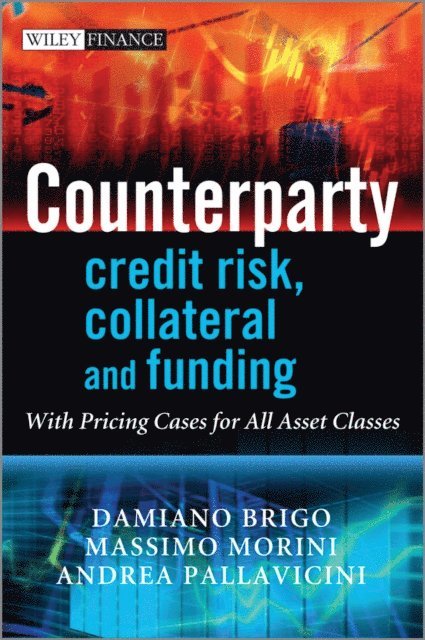
Counterparty Credit Risk, Collateral and Funding
With Pricing Cases For All Asset Classes
Av Andrea Pallavicini, Massimo Morini m. fl.
E-bok, 2013
1192 kr
Lägg i varukorg
The book''s content is focused on rigorous and advanced quantitative methods for the pricing and hedging of counterparty credit and funding risk. The new general theory that is required for this methodology is developed from scratch, leading to a consistent and comprehensive framework for …
Counterparty Credit Risk, Collateral and Funding
With Pricing Cases For All Asset Classes
Av Andrea Pallavicini, Massimo Morini m. fl.
E-bok, 2013
1192 kr
Lägg i varukorg
The book''s content is focused on rigorous and advanced quantitative methods for the pricing and hedging of counterparty credit and funding risk. The new general theory that is required for this methodology is developed from scratch, leading to a consistent and comprehensive framework for …
Counterparty Credit Risk, Collateral and Funding
With Pricing Cases For All Asset Classes
Av Damiano Brigo, Massimo Morini m. fl.
Inbunden, 2013
1014 kr
Lägg i varukorg
The book's content is focused on rigorous and advanced quantitative methods for the pricing and hedging of counterparty credit and funding risk. The new general theory that is required for this methodology is developed from scratch, leading to a consistent and comprehensive framework for …
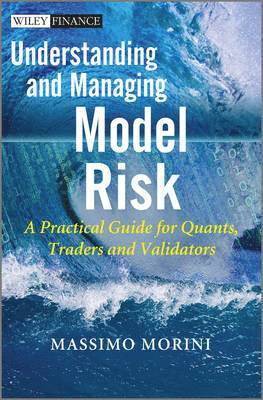
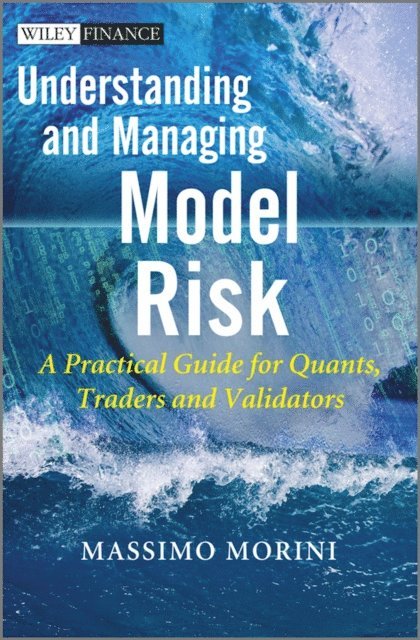
Understanding and Managing Model Risk
A Practical Guide for Quants, Traders and Validators
Inbunden, 2011
970 kr
Lägg i varukorg
A guide to the validation and risk management of quantitative models used for pricing and hedging Whereas the majority of quantitative finance books focus on mathematics and risk management books focus on regulatory aspects, this book addresses the elements missed by this literature--the risks of …
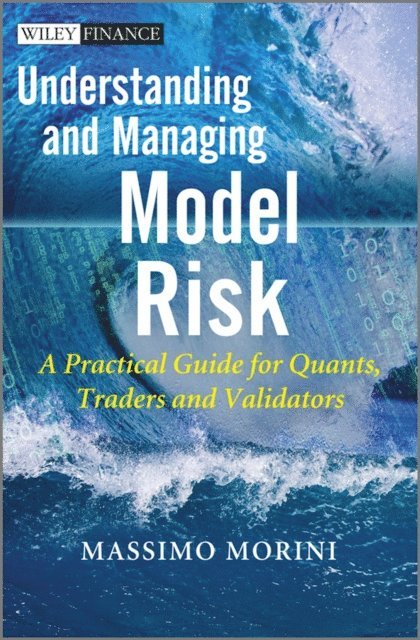
Understanding and Managing Model Risk
A Practical Guide for Quants, Traders and Validators
E-bok, 2011
1141 kr
Lägg i varukorg
A guide to the validation and risk management of quantitative models used for pricing and hedging Whereas the majority of quantitative finance books focus on mathematics and risk management books focus on regulatory aspects, this book addresses the elements missed by this literature--the risks of …
Understanding and Managing Model Risk
A Practical Guide for Quants, Traders and Validators
E-bok, 2011
1116 kr
Lägg i varukorg
A guide to the validation and risk management of quantitative models used for pricing and hedging Whereas the majority of quantitative finance books focus on mathematics and risk management books focus on regulatory aspects, this book addresses the elements missed by this literature--the risks of …