Massimo Vidale – författare
Visar alla böcker från författaren Massimo Vidale. Handla med fri frakt och snabb leverans.
8 produkter
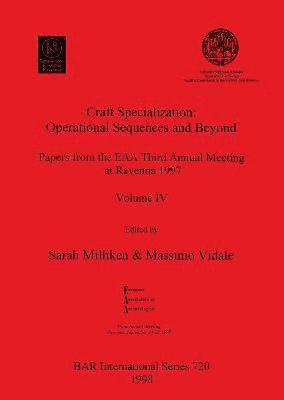
Craft Specialization: Operational Sequences and Beyond
Papers from the EAA Third Annual Meeting at Ravenna 1997. Volume IV
Av Sarah Milliken, Massimo Vidale
Häftad, 1998
399 kr
Lägg i varukorg
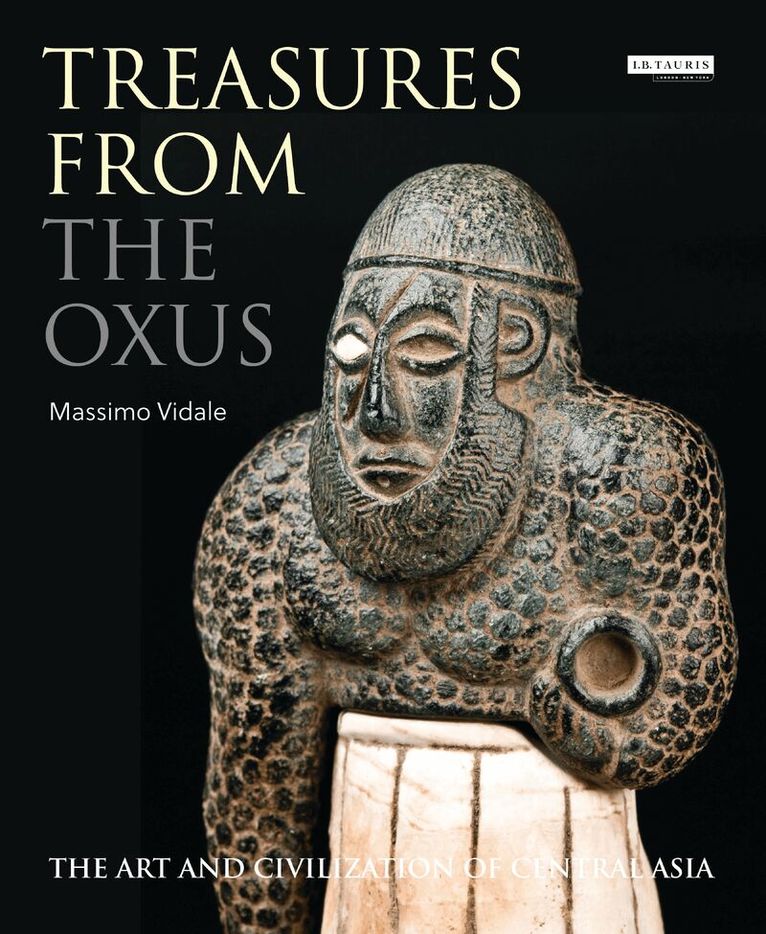
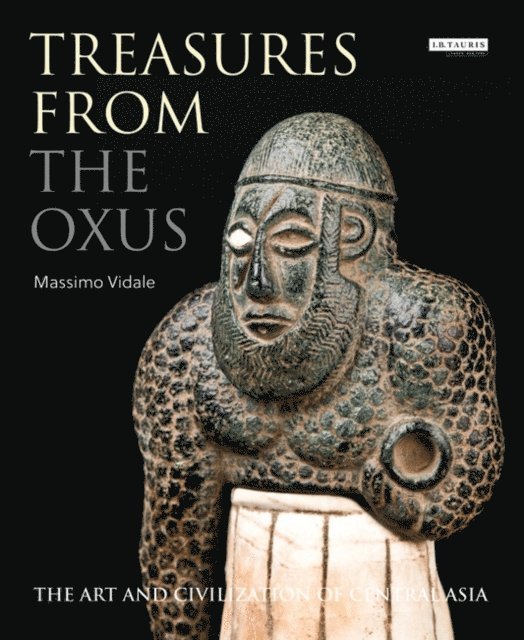
Treasures from the Oxus
The Art and Civilization of Central Asia
Inbunden, 2017
802 kr
Lägg i varukorg
In history, this grand arterial 1500-mile waterway was always seen as the natural frontier between the northern provinces of the Iranian empires and the outer Turanian lands. It was for centuries central to Achaemenid and later Persian power. But, as the author shows, it has a prehistory which goes …
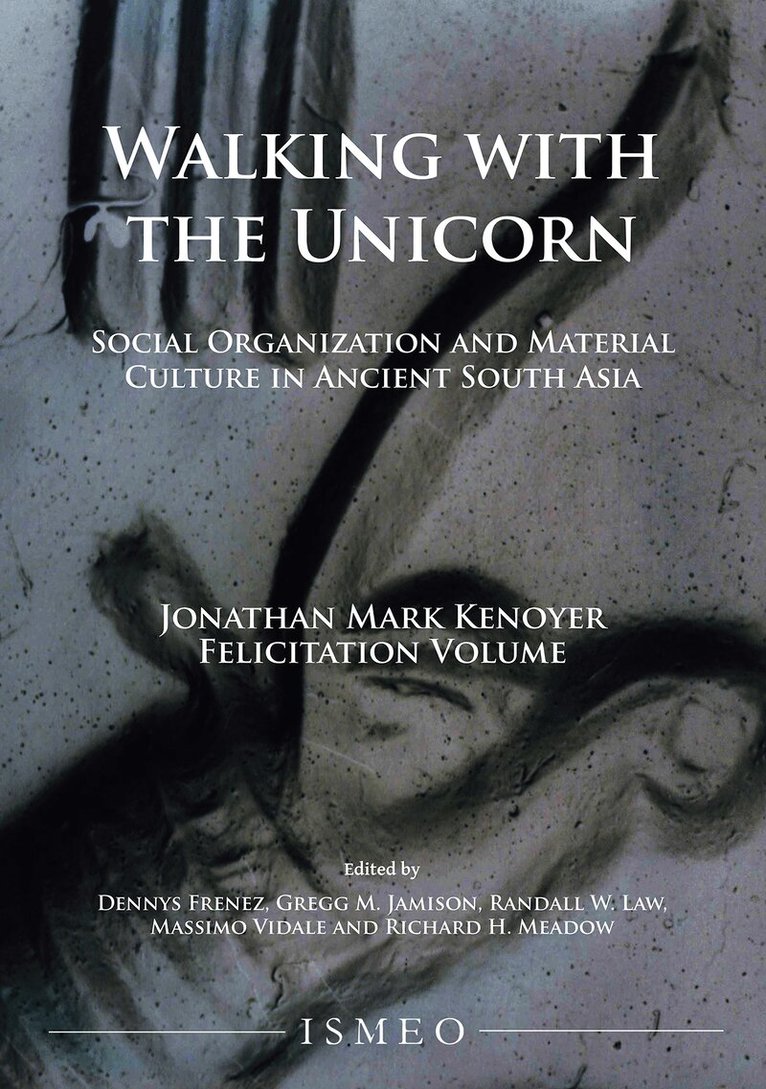
Walking with the Unicorn: Social Organization and Material Culture in Ancient South Asia
Jonathan Mark Kenoyer Felicitation Volume
Av Dennys Frenez, Gregg M. Jamison m. fl.
Häftad, 2018
1738 kr
Lägg i varukorg
Walking with the Unicorn – Jonathan Mark Kenoyer Felicitation Volume' is an important contribution highlighting recent developments in the archaeological research of ancient South Asia, with specific reference to the Indus Civilization. As suggested by the title, it is a compilation of original …
Walking with the Unicorn: Social Organization and Material Culture in Ancient South Asia
Jonathan Mark Kenoyer Felicitation Volume
Av Richard H. Meadow, Massimo Vidale m. fl.
E-bok, 2018
235 kr
Lägg i varukorg
Walking with the Unicorn – Jonathan Mark Kenoyer Felicitation Volume'' is an important contribution highlighting recent developments in the archaeological research of ancient South Asia, with specific reference to the Indus Civilization. As suggested by the title, it is a compilation of original …
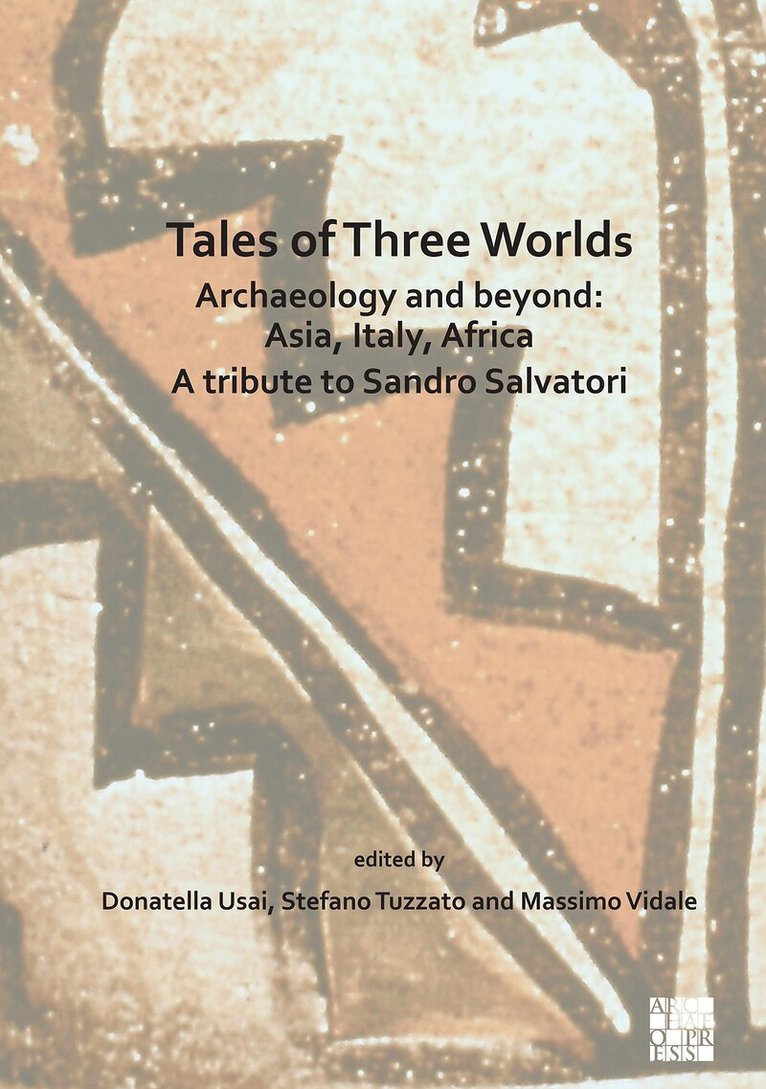
Tales of Three Worlds - Archaeology and Beyond: Asia, Italy, Africa
A Tribute to Sandro Salvatori
Av Donatella Usai, Stefano Tuzzato m. fl.
Häftad, 2020
777 kr
Lägg i varukorg
Tales of Three Worlds collects, as a sign of gratitude and affection, a series of papers by many authors who, in different times, contexts and contingencies, had the luck to meet Sandro Salvatori, and share with him a path of knowledge and mutual personal acquaintance. The book is divided in three …
Treasures from the Oxus
The Art and Civilization of Central Asia
E-bok, 2017
883 kr
Lägg i varukorg
In history, this grand arterial 1500-mile waterway was always seen as the natural frontier between the northern provinces of the Iranian empires and the outer Turanian lands. It was for centuries central to Achaemenid and later Persian power. But, as the author shows, it has a prehistory which goes …
Treasures from the Oxus
The Art and Civilization of Central Asia
E-bok, 2017
883 kr
Lägg i varukorg
In history, this grand arterial 1500-mile waterway was always seen as the natural frontier between the northern provinces of the Iranian empires and the outer Turanian lands. It was for centuries central to Achaemenid and later Persian power. But, as the author shows, it has a prehistory which goes …
Teaching and Learning Classics at the University Level Vol. 3
Mythology, Arts & Archaeology
Av Minerva Alganza Roldán, Debosmita Biswas m. fl.
Inbunden, 2026
1694 kr
Lägg i varukorg