Mat Callahan - Böcker
Visar alla böcker från författaren Mat Callahan. Handla med fri frakt och snabb leverans.
14 produkter
14 produkter
592 kr
Kommande
1 536 kr
Kommande
1 208 kr
Skickas inom 7-10 vardagar
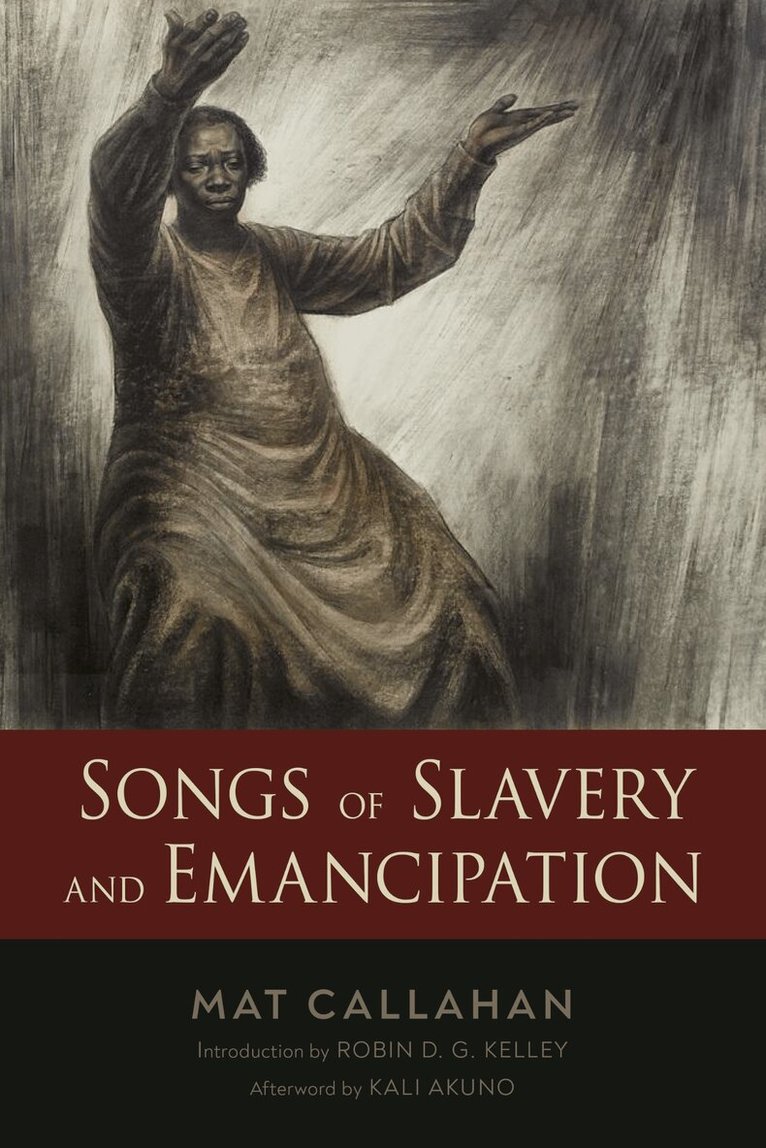
Throughout the history of slavery, enslaved people organized resistance, escape, and rebellion. Sustaining them in this struggle was their music, some examples of which are sung to this day. While the existence of slave songs, especially spirituals, is well known, their character is often misunderstood. Slave songs were not only lamentations of suffering or distractions from a life of misery. Some songs openly called for liberty and revolution, celebrating such heroes as Gabriel Prosser and Nat Turner, and, especially, celebrating the Haitian Revolution.The fight for freedom also included fugitive slaves, free Black people, and their white allies who brought forth a set of songs that were once widely disseminated but are now largely forgotten, the songs of the abolitionists. Often composed by fugitive slaves and free Black people, and first appearing in the eighteenth century, these songs continued to be written and sung until the Civil War. As the movement expanded, abolitionists even published song books used at public meetings. Mat Callahan presents recently discovered songs composed by enslaved people explicitly calling for resistance to slavery, some originating as early as 1784 and others as late as the Civil War. He also presents long-lost songs of the abolitionist movement, some written by fugitive slaves and free Black people, challenging common misconceptions of abolitionism. Songs of Slavery and Emancipation features the lyrics of fifteen slave songs and fifteen abolitionist songs, placing them in proper historical context and making them available again to the general public. These songs not only express outrage at slavery but call for militant resistance and destruction of the slave system. There can be no doubt as to their purpose: the abolition of slavery, the emancipation of African American people, and a clear and undeniable demand for equality and justice for all humanity.
321 kr
Skickas inom 7-10 vardagar
Throughout the history of slavery, enslaved people organized resistance, escape, and rebellion. Sustaining them in this struggle was their music, some examples of which are sung to this day. While the existence of slave songs, especially spirituals, is well known, their character is often misunderstood. Slave songs were not only lamentations of suffering or distractions from a life of misery. Some songs openly called for liberty and revolution, celebrating such heroes as Gabriel Prosser and Nat Turner, and, especially, celebrating the Haitian Revolution.The fight for freedom also included fugitive slaves, free Black people, and their white allies who brought forth a set of songs that were once widely disseminated but are now largely forgotten, the songs of the abolitionists. Often composed by fugitive slaves and free Black people, and first appearing in the eighteenth century, these songs continued to be written and sung until the Civil War. As the movement expanded, abolitionists even published song books used at public meetings. Mat Callahan presents recently discovered songs composed by enslaved people explicitly calling for resistance to slavery, some originating as early as 1784 and others as late as the Civil War. He also presents long-lost songs of the abolitionist movement, some written by fugitive slaves and free Black people, challenging common misconceptions of abolitionism. Songs of Slavery and Emancipation features the lyrics of fifteen slave songs and fifteen abolitionist songs, placing them in proper historical context and making them available again to the general public. These songs not only express outrage at slavery but call for militant resistance and destruction of the slave system. There can be no doubt as to their purpose: the abolition of slavery, the emancipation of African American people, and a clear and undeniable demand for equality and justice for all humanity.
1 317 kr
Skickas inom 7-10 vardagar
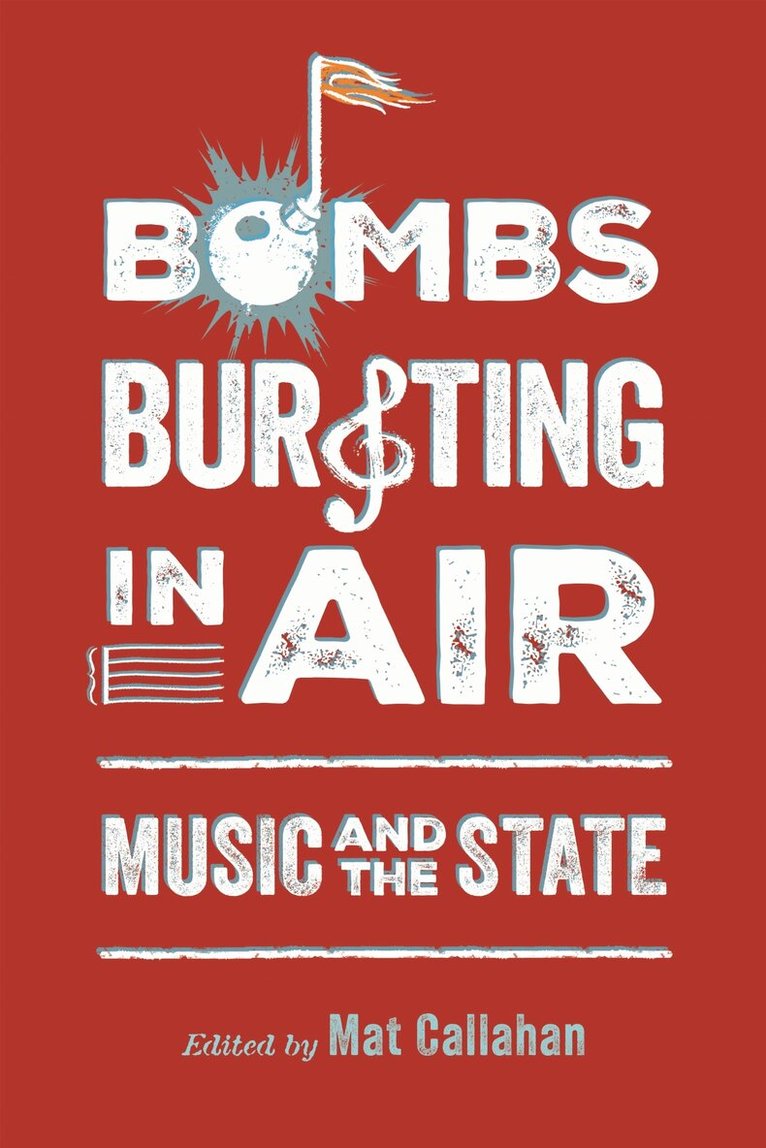
Contributions by Mat Callahan, Suzanne G. Cusick, James E. Dillard, Steven Garabedian, Franz Andres Morrissey, Jim Rogers, Elissa Stroman, Britta Sweers, and Dick WeissmanWhat exactly is American music? Is blackface minstrelsy American music? Is Hawaiian music? Is "The Star-Spangled Banner," written by an Englishman, American music? And what exactly is "Rockin’ in the Free World"? Why does the Voice of America use American music to promote America? These and many other questions are discussed in Bombs Bursting in Air: Music and the State.The relationship between music and the state has been the topic of controversy for at least 2,500 years. The oft-quoted passage from Plato's Republic, "the musical modes are never changed without changes in the most basic of the City's laws," not only underscores the importance of music in general but warns of music's ability to affect how society is governed. The state must therefore employ music to serve its ends while at the same time guarding against the lawlessness and subversion music is capable of introducing.Bombs Bursting in Air gathers contributions from historians and musicologists to explore the role of music in the history of the United States. The essayists exhume music that has been forgotten or deliberately buried while drawing comparison with what has been promoted as "American music" by the academy, the music industry, and journalism, as well as by the US State Department.
375 kr
Skickas inom 7-10 vardagar
Contributions by Mat Callahan, Suzanne G. Cusick, James E. Dillard, Steven Garabedian, Franz Andres Morrissey, Jim Rogers, Elissa Stroman, Britta Sweers, and Dick WeissmanWhat exactly is American music? Is blackface minstrelsy American music? Is Hawaiian music? Is "The Star-Spangled Banner," written by an Englishman, American music? And what exactly is "Rockin’ in the Free World"? Why does the Voice of America use American music to promote America? These and many other questions are discussed in Bombs Bursting in Air: Music and the State.The relationship between music and the state has been the topic of controversy for at least 2,500 years. The oft-quoted passage from Plato's Republic, "the musical modes are never changed without changes in the most basic of the City's laws," not only underscores the importance of music in general but warns of music's ability to affect how society is governed. The state must therefore employ music to serve its ends while at the same time guarding against the lawlessness and subversion music is capable of introducing.Bombs Bursting in Air gathers contributions from historians and musicologists to explore the role of music in the history of the United States. The essayists exhume music that has been forgotten or deliberately buried while drawing comparison with what has been promoted as "American music" by the academy, the music industry, and journalism, as well as by the US State Department.
254 kr
Kommande
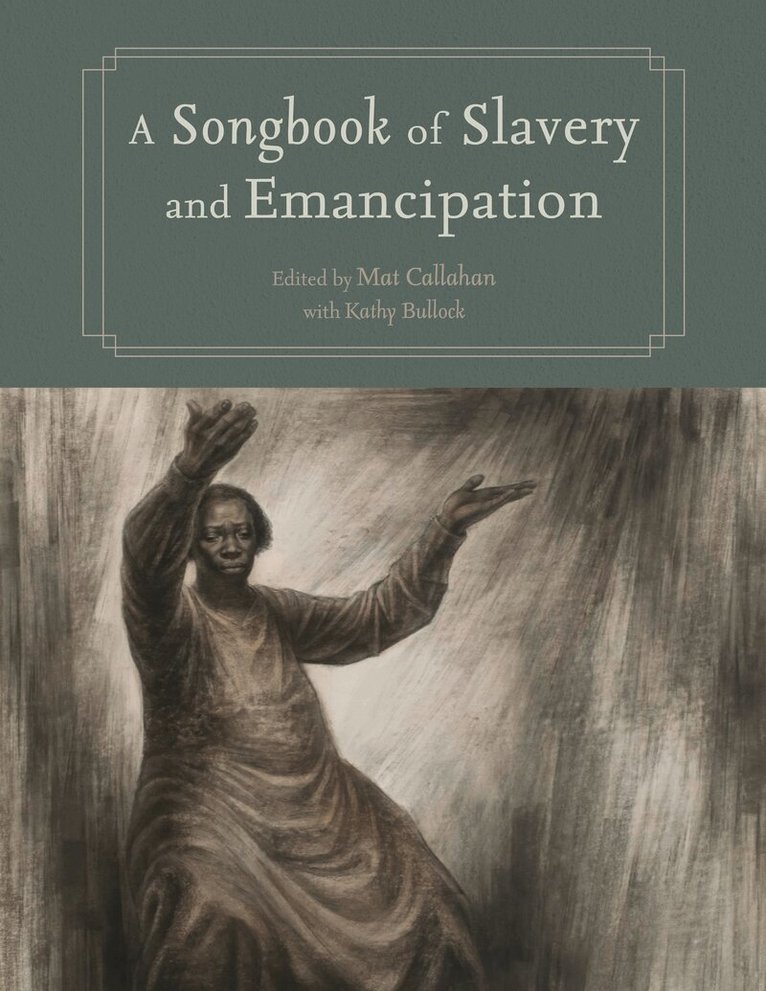
Throughout the history of slavery in the Americas, music carried messages of survival, rebellion, and solidarity. Enslaved people composed songs that were far more than laments—they were calls for liberty and revolution, celebrating heroes like Gabriel Prosser and Nat Turner and the triumph of the Haitian Revolution.Alongside these songs, fugitive and free Black people and white abolitionist allies created and circulated songs that fueled the abolitionist movement. Sung in meetings, printed in songbooks, and passed hand to hand, these works stirred action and sustained courage well into the Civil War.A Songbook of Slavery and Emancipation brings together these long‑hidden voices. Mat Callahan and Kathy Bullock present sheet music for recently unearthed slave songs and abolitionist songs—some dating as far back as 1784—to make them available to chorus leaders, music teachers, church and community groups, and individual singers and musicians inspired by these powerful songs. Included in the book is a brief history of the project, background material on each song, and explanatory notes regarding the different styles of singing presented. This collection stands as both history and testimony: a living archive of music that called for the end of slavery, the emancipation of African Americans, and a future built on equality and human dignity. These songs do not simply mourn oppression; they demand resistance, freedom, and justice.
1 110 kr
Kommande
Throughout the history of slavery in the Americas, music carried messages of survival, rebellion, and solidarity. Enslaved people composed songs that were far more than laments—they were calls for liberty and revolution, celebrating heroes like Gabriel Prosser and Nat Turner and the triumph of the Haitian Revolution.Alongside these songs, fugitive and free Black people and white abolitionist allies created and circulated songs that fueled the abolitionist movement. Sung in meetings, printed in songbooks, and passed hand to hand, these works stirred action and sustained courage well into the Civil War.A Songbook of Slavery and Emancipation brings together these long‑hidden voices. Mat Callahan and Kathy Bullock present sheet music for recently unearthed slave songs and abolitionist songs—some dating as far back as 1784—to make them available to chorus leaders, music teachers, church and community groups, and individual singers and musicians inspired by these powerful songs. Included in the book is a brief history of the project, background material on each song, and explanatory notes regarding the different styles of singing presented. This collection stands as both history and testimony: a living archive of music that called for the end of slavery, the emancipation of African Americans, and a future built on equality and human dignity. These songs do not simply mourn oppression; they demand resistance, freedom, and justice.
164 kr
Skickas inom 7-10 vardagar
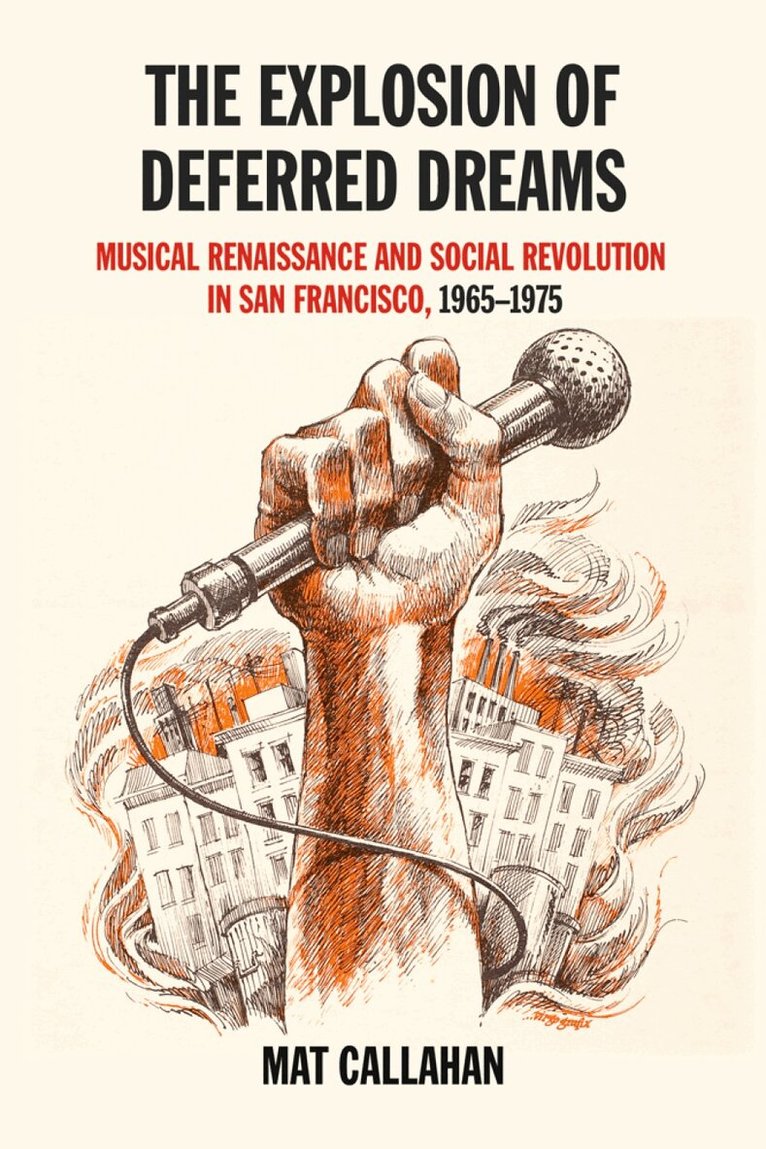
Explosion of Deferred Dreams
Musical Renaissance and Social Revolution in San Francisco, 1965-1975
Häftad, Engelska, 2017
237 kr
Skickas inom 7-10 vardagar
164 kr
Skickas inom 7-10 vardagar
314 kr
Skickas inom 10-15 vardagar
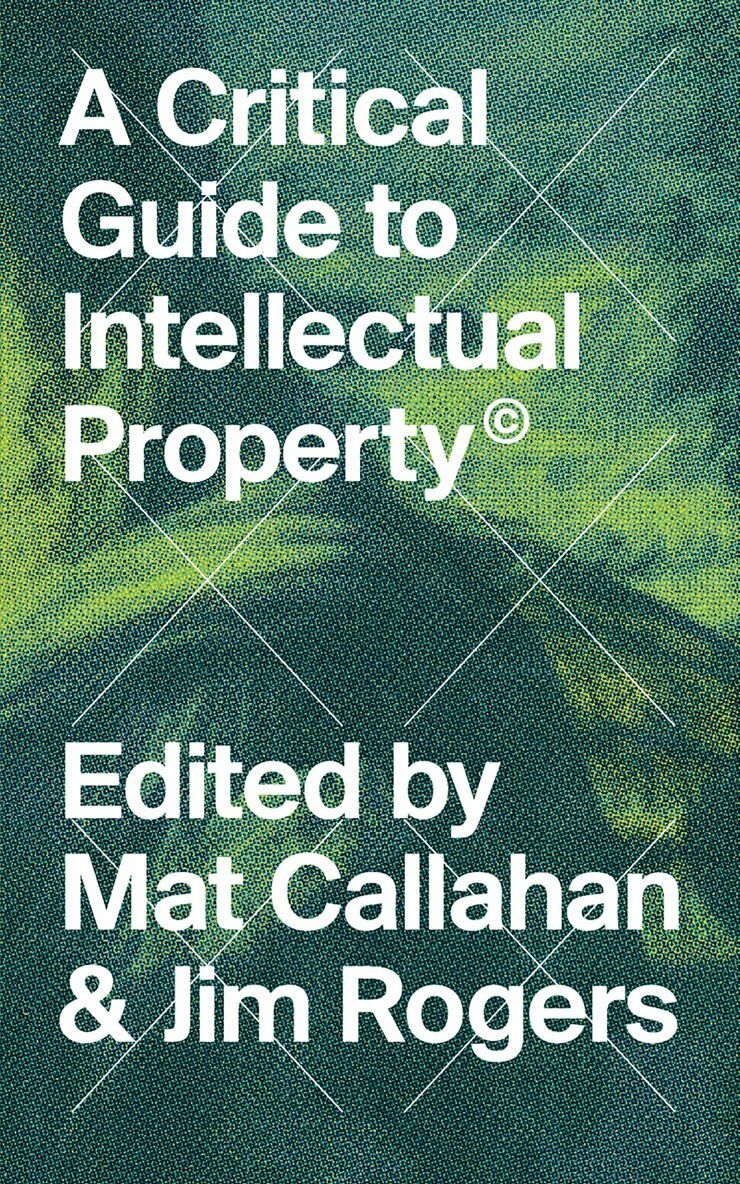
Ours is an era when human genes can be copied and patented. From genetically modified foods to digital piracy, the concept of intellectual property (IP) and the laws upholding it play a foundational role in our society, but its political and ideological dimensions have rarely been understood outside of specialist circles. This collection cuts through the legal jargon that so often surrounds IP, to provide both a comprehensive history and analysis that explores the corporate interests that shape its conception and the movements that are developing alternatives.As the nature of industry changes, we might ask: what are the wider implications of the concept of IP, be it for agribusiness and pharmaceutical companies or the film and music industries? Has IP law has been used to safeguard and assert the ownership of ideas and creativity, or is it an essential foundation of our culture?Today, with mounting challenges from the growth of free software and open source movements, this collection provides an accessible and alternative guide to IP, exploring its significance within the wider struggle between capital and the commons.
112 kr
Skickas inom 7-10 vardagar
314 kr
Skickas inom 3-6 vardagar