Matthew D. Johnson – författare
Visar alla böcker från författaren Matthew D. Johnson. Handla med fri frakt och snabb leverans.
12 produkter
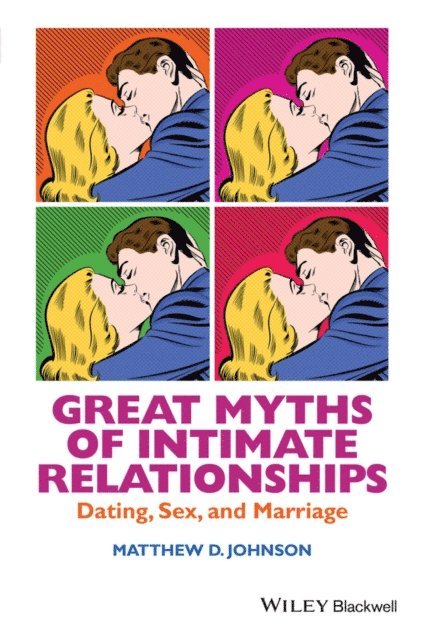
Great Myths of Intimate Relationships
Dating, Sex, and Marriage
Inbunden, 2016
683 kr
Lägg i varukorg
Great Myths of Intimate Relationships provides a captivating, pithy introduction to the subject that challenges and demystifies the many fabrications and stereotypes surrounding relationships, attraction, sex, love, internet dating, and heartbreak. The book thoroughly interrogates the current …
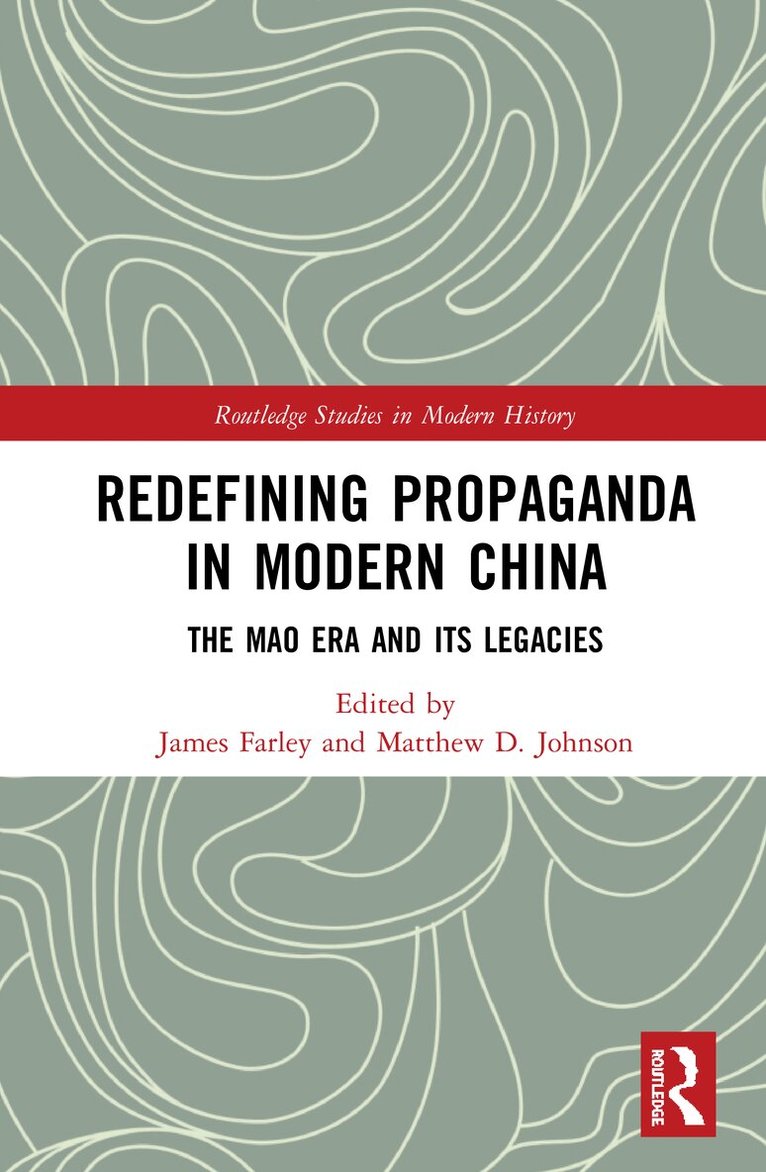
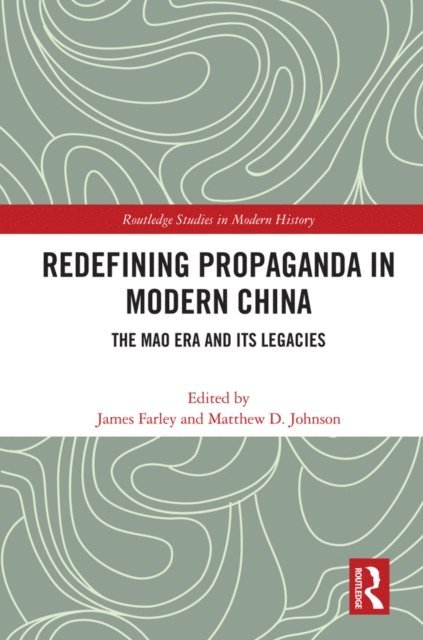
Redefining Propaganda in Modern China
The Mao Era and its Legacies
Av James Farley, Matthew D. Johnson
Inbunden, 2020
2578 kr
Lägg i varukorg
Usage of the political keyword 'propaganda' by the Chinese Communist Party has changed and expanded over time. These changes have been masked by strong continuities spanning periods in the history of the People's Republic of China from the Mao Zedong era (1949–76) to the new era of Xi Jinping …
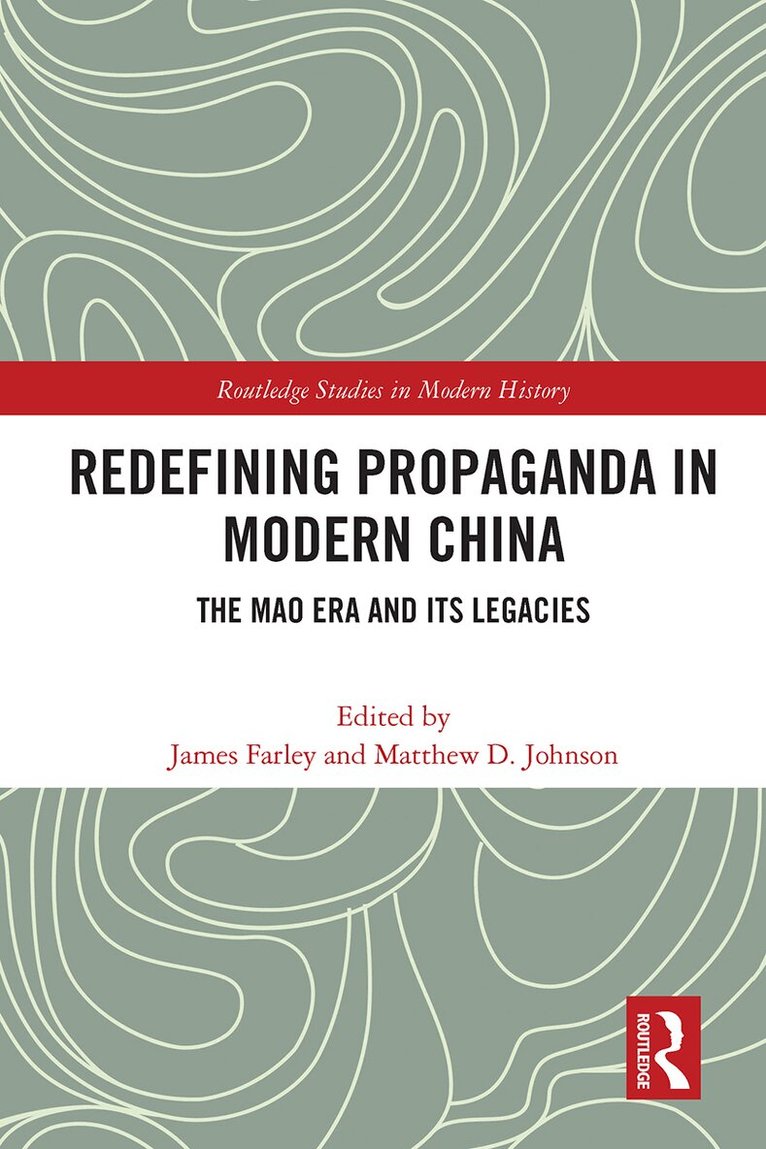
Redefining Propaganda in Modern China
The Mao Era and its Legacies
Av James Farley, Matthew D. Johnson
Häftad, 2022
704 kr
Lägg i varukorg
Usage of the political keyword 'propaganda' by the Chinese Communist Party has changed and expanded over time. These changes have been masked by strong continuities spanning periods in the history of the People's Republic of China from the Mao Zedong era (1949–76) to the new era of Xi Jinping …
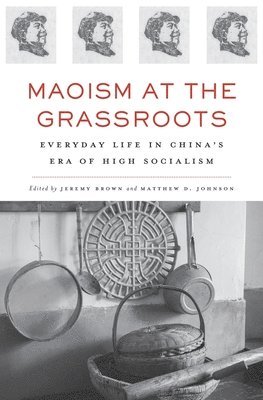
Maoism at the Grassroots
Everyday Life in China’s Era of High Socialism
Av Jeremy Brown, Matthew D. Johnson
Inbunden, 2015
606 kr
Lägg i varukorg
The Maoist state’s dominance over Chinese society, achieved through such watersheds as the Great Leap Forward and the Cultural Revolution, is well known. Maoism at the Grassroots reexamines this period of transformation and upheaval from a new perspective, one that challenges the standard …
Redefining Propaganda in Modern China
The Mao Era and its Legacies
Av Matthew D. Johnson, James Farley
E-bok, 2020
838 kr
Lägg i varukorg
Usage of the political keyword ''propaganda'' by the Chinese Communist Party has changed and expanded over time. These changes have been masked by strong continuities spanning periods in the history of the People''s Republic of China from the Mao Zedong era (1949–76) to the new era of Xi Jinping …
Redefining Propaganda in Modern China
The Mao Era and its Legacies
Av Matthew D. Johnson, James Farley
E-bok, 2020
856 kr
Lägg i varukorg
Usage of the political keyword ''propaganda'' by the Chinese Communist Party has changed and expanded over time. These changes have been masked by strong continuities spanning periods in the history of the People''s Republic of China from the Mao Zedong era (1949–76) to the new era of Xi Jinping …
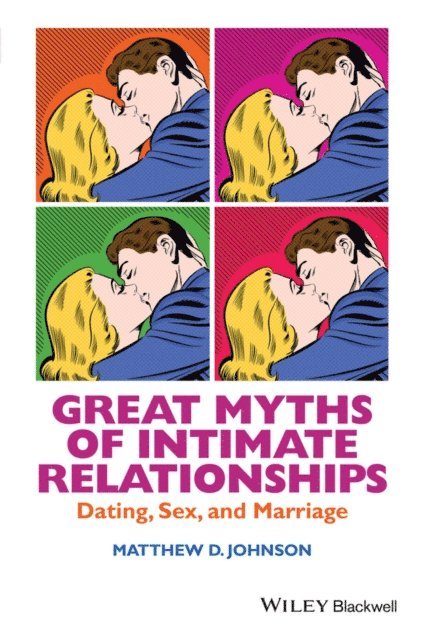
Great Myths of Intimate Relationships
Dating, Sex, and Marriage
E-bok, 2016
1146 kr
Lägg i varukorg
Great Myths of Intimate Relationships provides a captivating, pithy introduction to the subject that challenges and demystifies the many fabrications and stereotypes surrounding relationships, attraction, sex, love, internet dating, and heartbreak. The book thoroughly interrogates the current …
Great Myths of Intimate Relationships
Dating, Sex, and Marriage
E-bok, 2016
332 kr
Lägg i varukorg
Great Myths of Intimate Relationships provides a captivating, pithy introduction to the subject that challenges and demystifies the many fabrications and stereotypes surrounding relationships, attraction, sex, love, internet dating, and heartbreak. The book thoroughly interrogates the current …
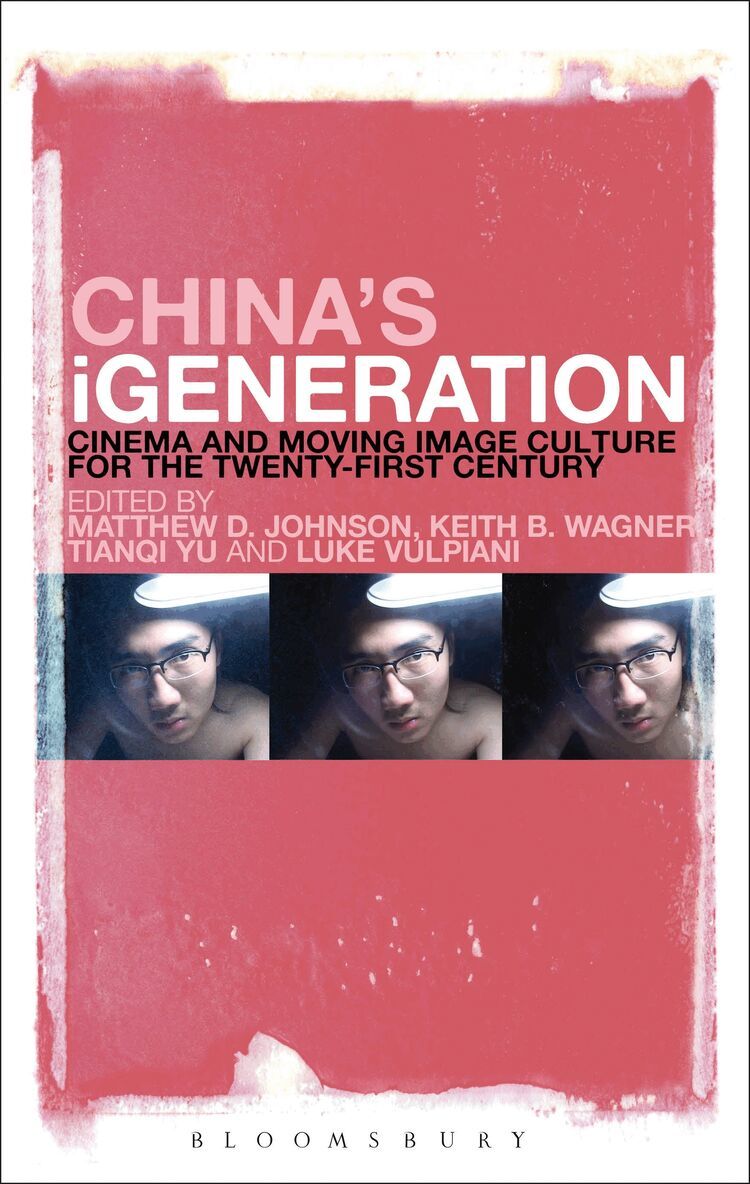
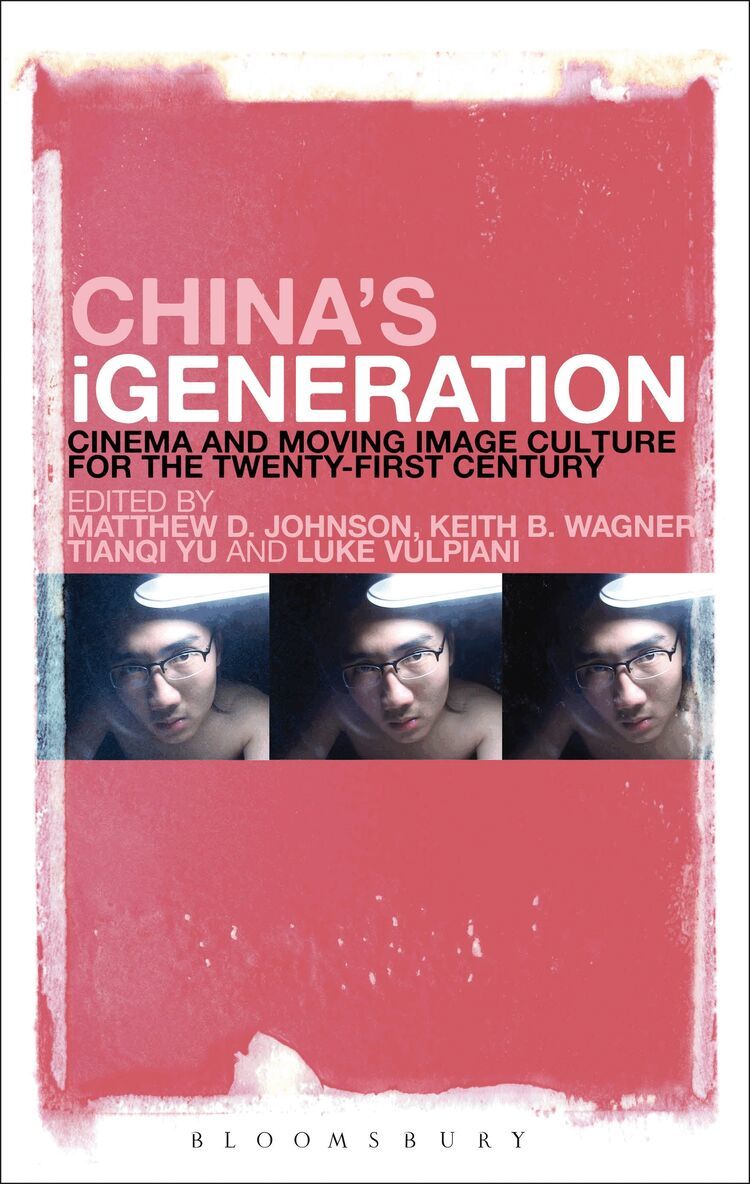
China's iGeneration
Cinema and Moving Image Culture for the Twenty-First Century
Av Matthew D. Johnson, Keith B. Wagner m. fl.
Häftad, 2015
590 kr
Lägg i varukorg
This book is open access and available on www.bloomsburycollections.com. It is funded by Knowledge Unlatched.This innovative collection of essays on twenty-first century Chinese cinema and moving image culture features contributions from an international community of scholars, critics, and …
China's iGeneration
Cinema and Moving Image Culture for the Twenty-First Century
Av Matthew D. Johnson, Keith B. Wagner m. fl.
Inbunden, 2014
2250 kr
Lägg i varukorg
This book is open access and available on www.bloomsburycollections.com. It is funded by Knowledge Unlatched.This innovative collection of essays on twenty-first century Chinese cinema and moving image culture features contributions from an international community of scholars, critics, and …
China's iGeneration
Cinema and Moving Image Culture for the Twenty-First Century
Av Matthew D. Johnson, Keith B. Wagner m. fl.
E-bok, 2014
29 kr
Lägg i varukorg
This book is open access and available on www.bloomsburycollections.com. It is funded by Knowledge Unlatched.This innovative collection of essays on twenty-first century Chinese cinema and moving image culture features contributions from an international community of scholars, critics, and …
Great Myths of Intimate Relationships
Dating, Sex, and Marriage
Häftad, 2016
204 kr
Tillfälligt slut
Great Myths of Intimate Relationships provides a captivating, pithy introduction to the subject that challenges and demystifies the many fabrications and stereotypes surrounding relationships, attraction, sex, love, internet dating, and heartbreak. The book thoroughly interrogates the current …