Matthew Ingleby – författare
Visar alla böcker från författaren Matthew Ingleby. Handla med fri frakt och snabb leverans.
11 produkter
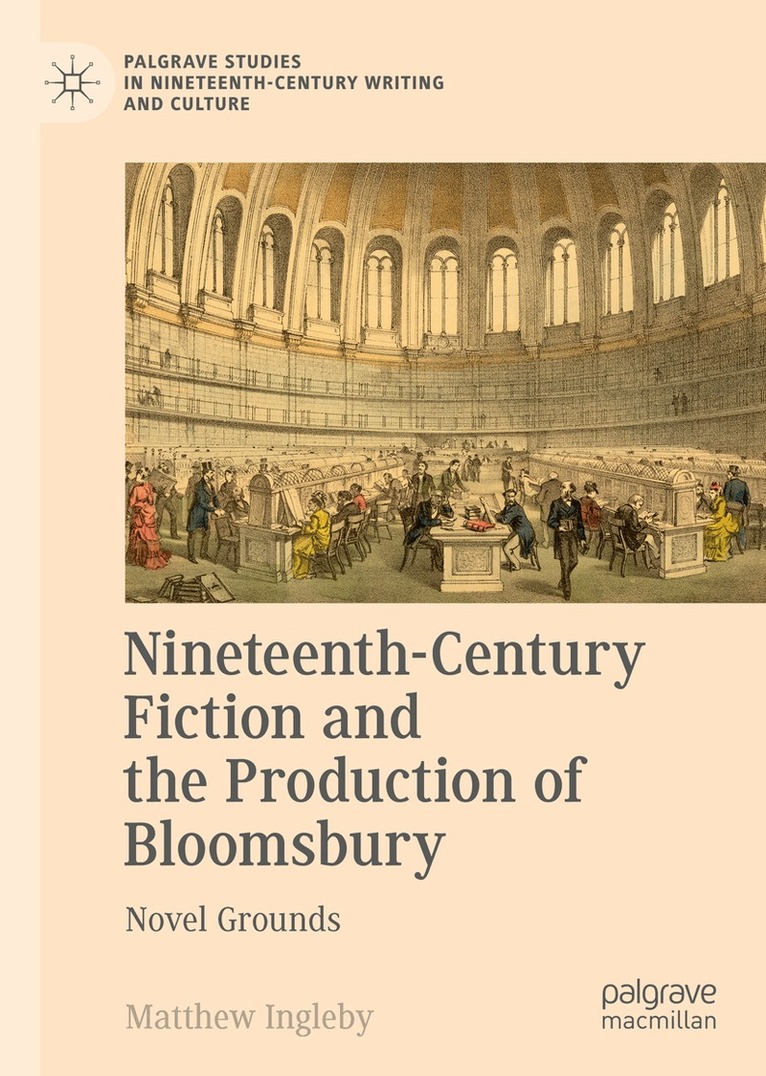
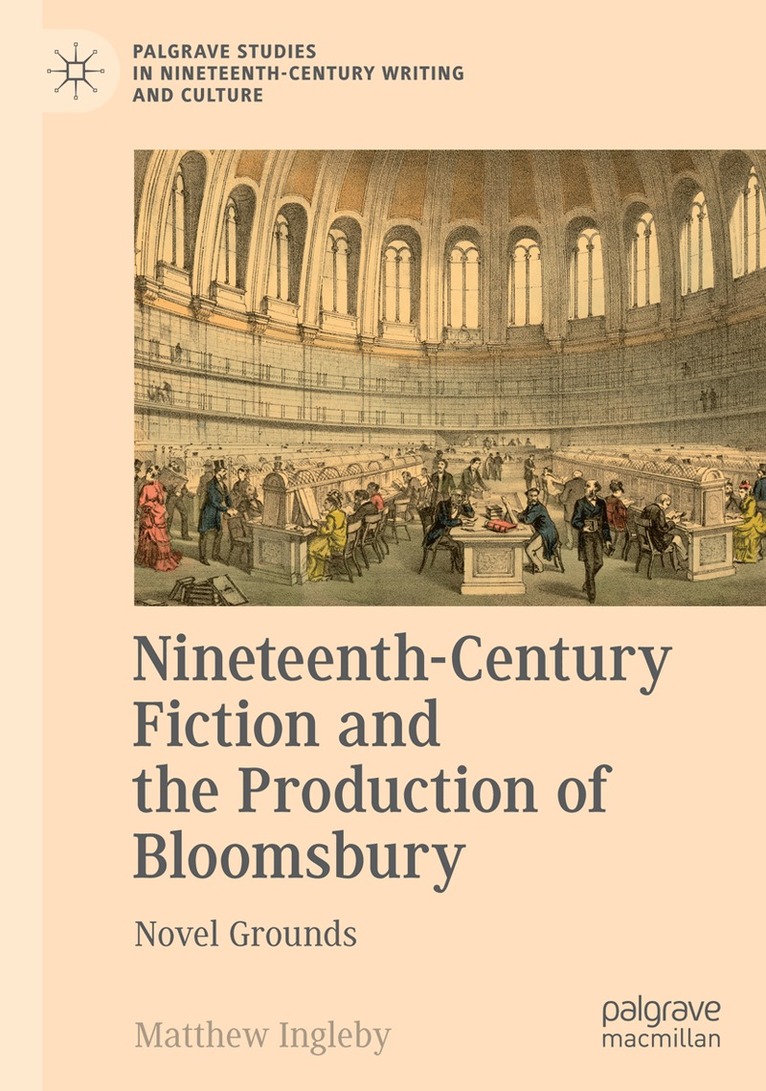
Nineteenth-Century Fiction and the Production of Bloomsbury
Novel Grounds
Inbunden, 2018
965 kr
Lägg i varukorg
This study explores the role of fiction in the social production of the West Central district of London in the nineteenth century. It tells a new history of the novel from a local geographical perspective, tracing developments in the form as it engaged with Bloomsbury in the period it emerged as …
Nineteenth-Century Fiction and the Production of Bloomsbury
Novel Grounds
E-bok, 2018
996 kr
Lägg i varukorg
This study explores the role of fiction in the social production of the West Central district of London in the nineteenth century. It tells a new history of the novel from a local geographical perspective, tracing developments in the form as it engaged with Bloomsbury in the period it emerged as …
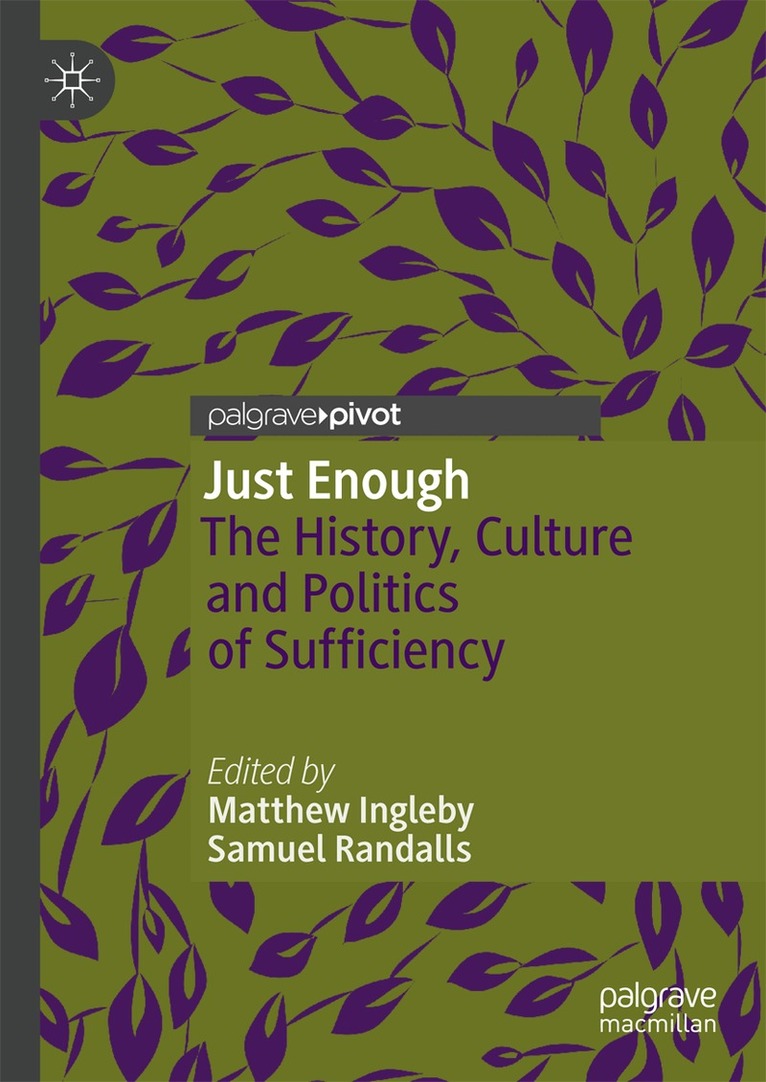
Just Enough
The History, Culture and Politics of Sufficiency
Av Matthew Ingleby, Samuel Randalls
Inbunden, 2018
606 kr
Lägg i varukorg
This book fosters a wide-ranging and nuanced discussion of the concept of ‘enough’. Acknowledging the prominence of notions of sufficiency in debates about sustainability, it argues for a more complex, culturally and historically informed understanding of how these might be manifested across a wide …
Just Enough
The History, Culture and Politics of Sufficiency
Av Samuel Randalls, Matthew Ingleby
E-bok, 2018
996 kr
Lägg i varukorg
This book fosters a wide-ranging and nuanced discussion of the concept of ‘enough’. Acknowledging the prominence of notions of sufficiency in debates about sustainability, it argues for a more complex, culturally and historically informed understanding of how these might be manifested across a wide …
Nineteenth-Century Fiction and the Production of Bloomsbury
Novel Grounds
Häftad, 2020
698 kr
Lägg i varukorg
This study explores the role of fiction in the social production of the West Central district of London in the nineteenth century. It tells a new history of the novel from a local geographical perspective, tracing developments in the form as it engaged with Bloomsbury in the period it emerged as …
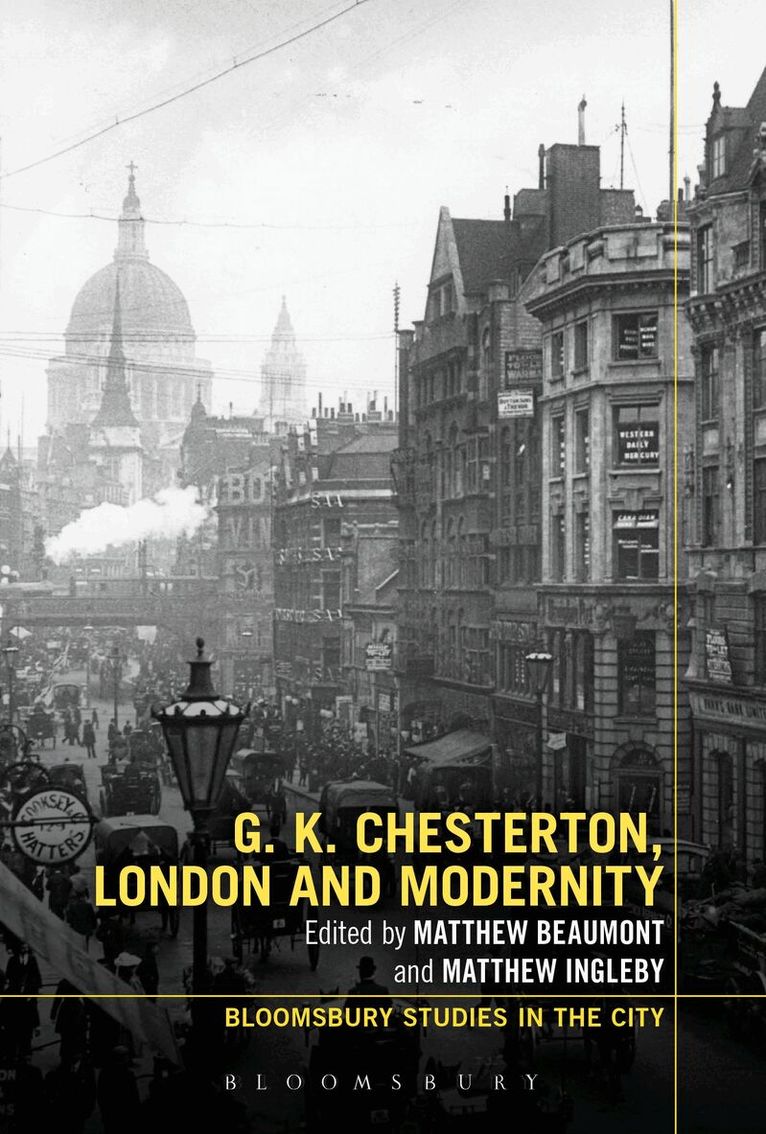
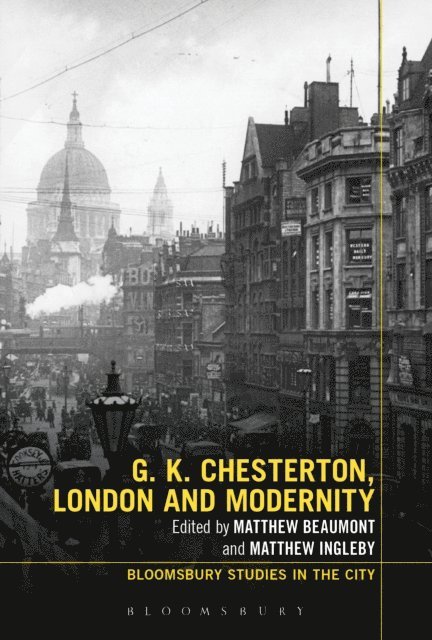
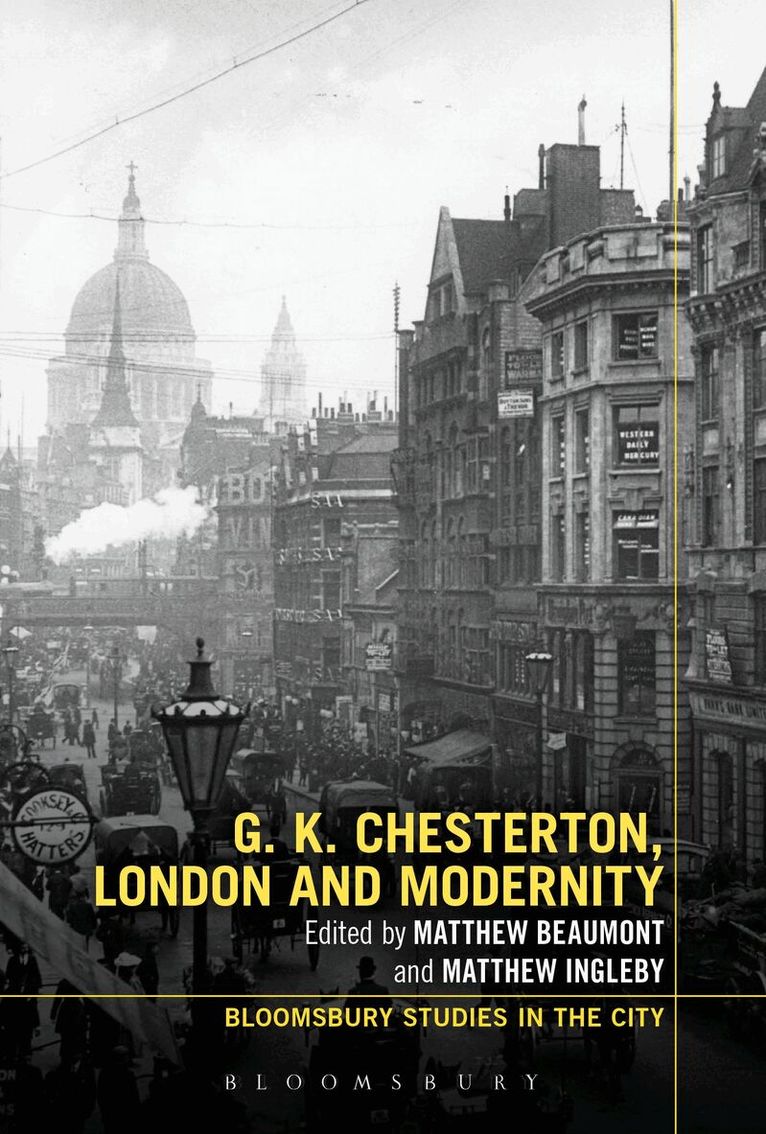
G.K. Chesterton, London and Modernity
Av Matthew Beaumont, Matthew Ingleby
Häftad, 2016
643 kr
Lägg i varukorg
G. K. Chesterton, London and Modernity is the first book to explore the persistent theme of the city in Chesterton's writing. Situating him in relation to both Victorian and Modernist literary paradigms, the book explores a range of theoretical and methodological approaches to address the way his …
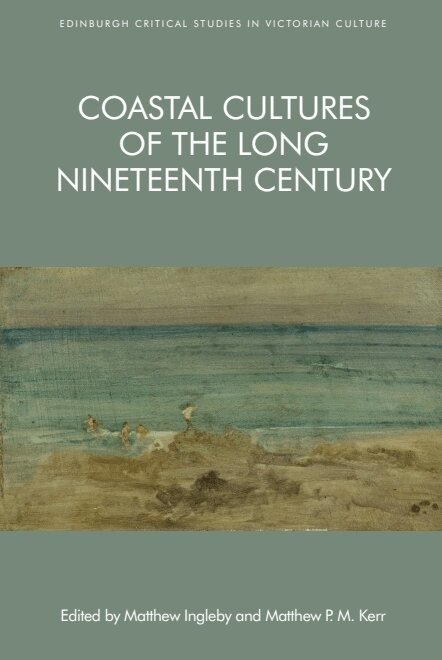
Coastal Cultures of the Long Nineteenth Century
Av Matthew Ingleby, Matthew Ingleby m. fl.
Inbunden, 2018
2270 kr
Lägg i varukorg
Examines the cultural importance of the coastline in the nineteenth-century British imaginationThe long nineteenth century witnessed a dramatic, varied flourishing in uses for and understandings of the coast, which could seem at once a space of clarity or of misty distance, a terminus or a place of …
G.K. Chesterton, London and Modernity
Av Matthew Beaumont, Matthew Ingleby
E-bok, 2013
699 kr
Lägg i varukorg
G. K. Chesterton, London and Modernity is the first book to explore the persistent theme of the city in Chesterton''s writing. Situating him in relation to both Victorian and Modernist literary paradigms, the book explores a range of theoretical and methodological approaches to address the way his …
G.K. Chesterton, London and Modernity
Av Matthew Beaumont, Matthew Ingleby
E-bok, 2013
699 kr
Lägg i varukorg
G. K. Chesterton, London and Modernity is the first book to explore the persistent theme of the city in Chesterton''s writing. Situating him in relation to both Victorian and Modernist literary paradigms, the book explores a range of theoretical and methodological approaches to address the way his …
G.K. Chesterton, London and Modernity
Av Matthew Beaumont, Matthew Ingleby
Inbunden, 2013
2289 kr
Lägg i varukorg
G. K. Chesterton, London and Modernity is the first book to explore the persistent theme of the city in Chesterton's writing. Situating him in relation to both Victorian and Modernist literary paradigms, the book explores a range of theoretical and methodological approaches to address the way his …
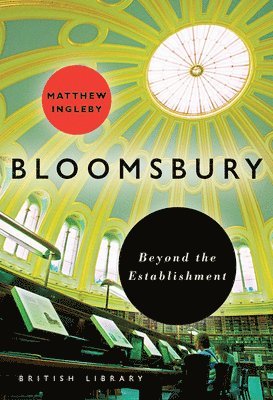
Bloomsbury
Beyond the Establishment
Häftad, 2017
116 kr
Tillfälligt slut
Bloomsbury lies at the heart of cultural and intellectual London, famed for its museums, universities and literary heritage. Matthew Ingleby's new history ranges across the neighbourhood to explore hidden corners and reveal unexpected connections between Bloomsbury's past and present, its buildings …