Matthew J. Christensen - Böcker
Visar alla böcker från författaren Matthew J. Christensen. Handla med fri frakt och snabb leverans.
6 produkter
6 produkter
671 kr
Skickas inom 7-10 vardagar
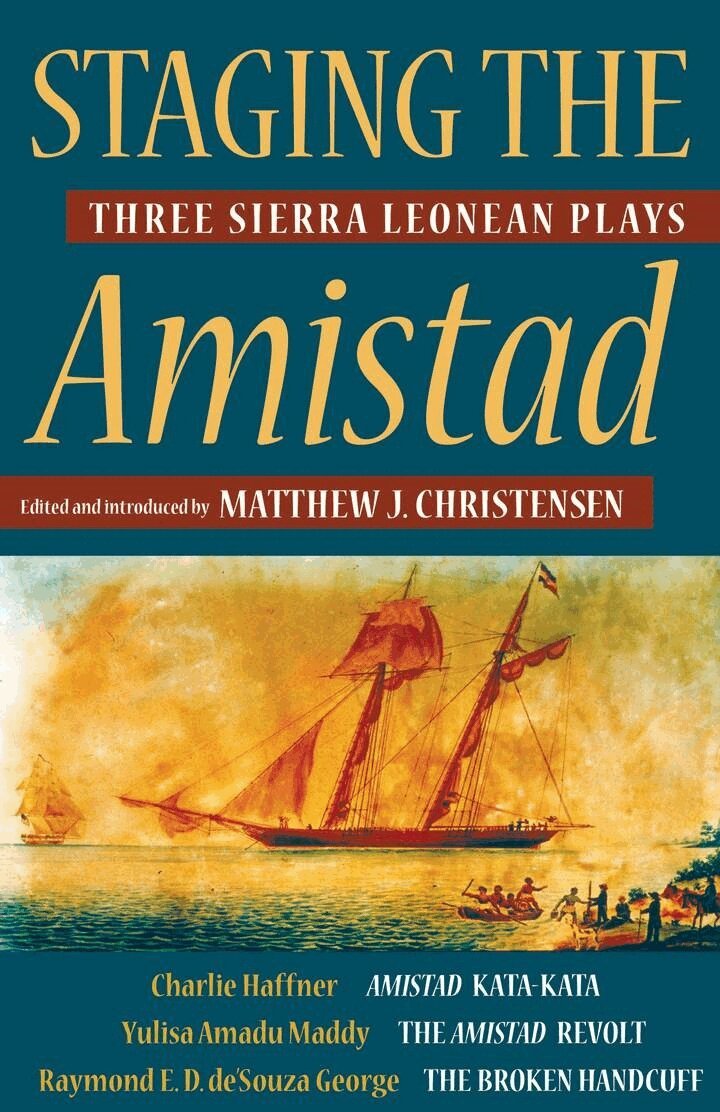
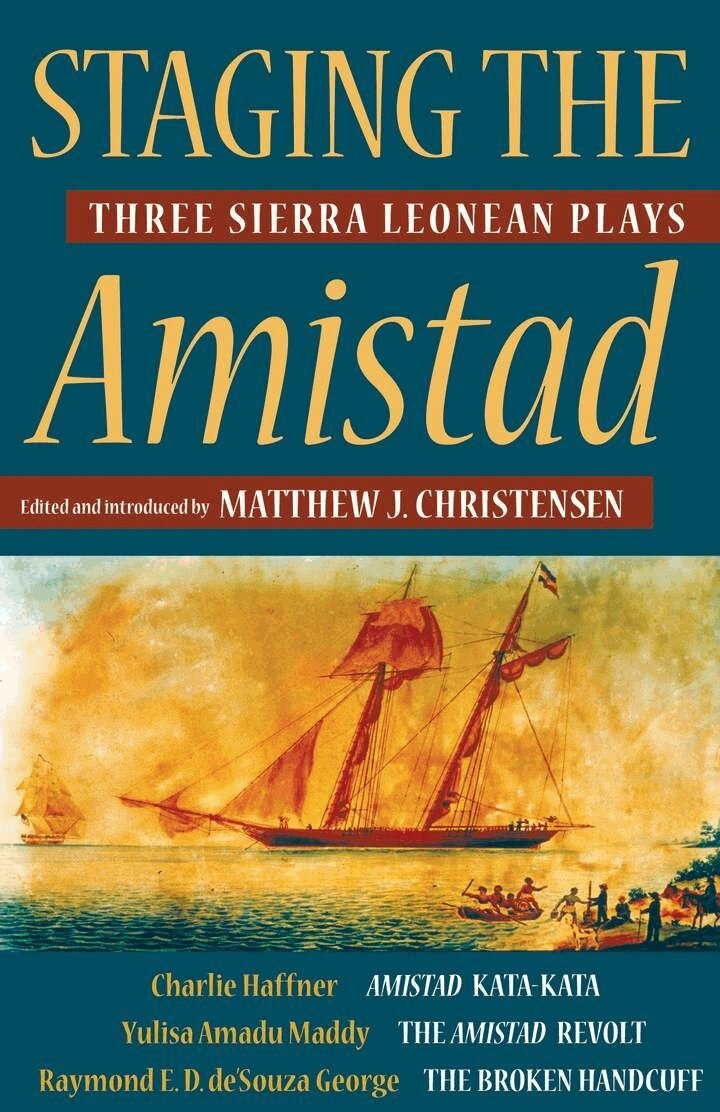
Staging the Amistad collects in print for the first time plays about the Amistad slave revolt by three of Sierra Leone's most influential playwrights of the latter decades of the twentieth century: Charlie Haffner, Yulisa Amadu "Pat" Maddy, and Raymond E. D. de'Souza George. Until the late 1980s, when the first of these plays was performed, the 1839 shipboard slave rebellion and the return of its victors to their homes in what is modern-day Sierra Leone had been an unrecognized chapter in the country's history.The plays recast the tale of heroism, survival, and resistance to tyranny as a distinctly Sierra Leonean story, emphasizing the agency of its African protagonists. For this reason, Haffner, Maddy, and de'Souza George counterbalance the better-known American representations of the rebellion, which center on American characters and American political and cultural concerns.The first public performances of these plays constituted a watershed moment. Written and staged immediately before and after the start of Sierra Leone's decade-long conflict, they brought the Amistad rebellion to public consciousness. Furthermore, their turn to a uniquely Sierra Leonean history of heroic resistance to tyranny highlights the persistent faith in nation-state nationalism and the dreams of decolonization.
339 kr
Skickas inom 7-10 vardagar
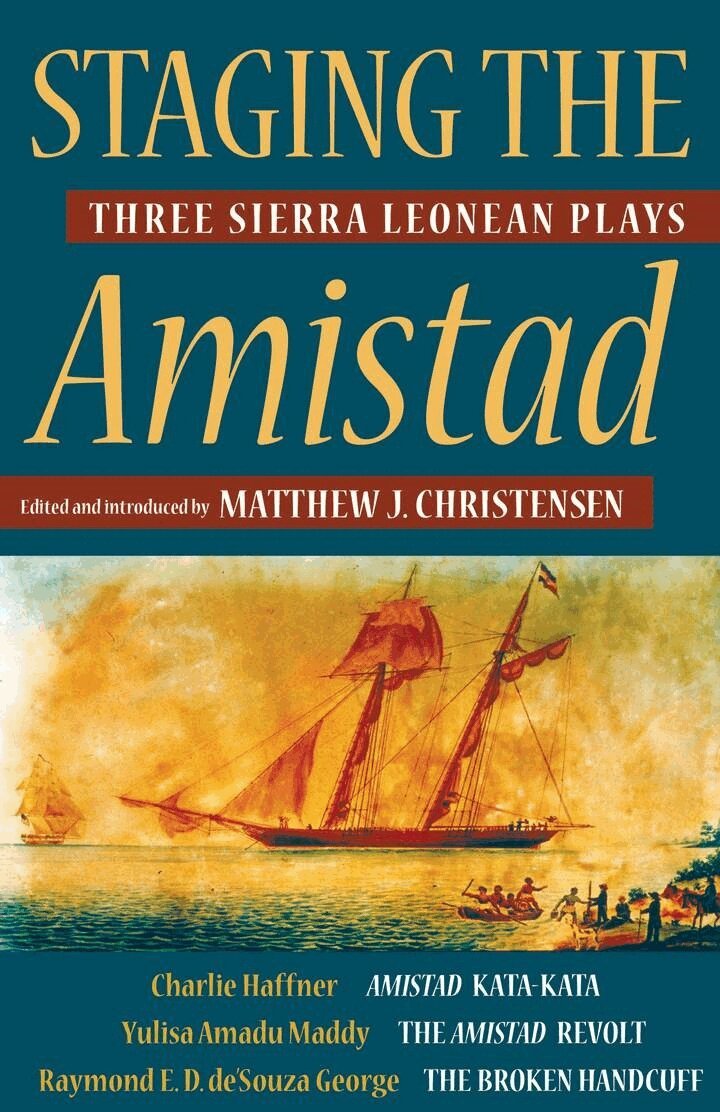
Staging the Amistad collects in print for the first time plays about the Amistad slave revolt by three of Sierra Leone's most influential playwrights of the latter decades of the twentieth century: Charlie Haffner, Yulisa Amadu "Pat" Maddy, and Raymond E. D. de'Souza George. Until the late 1980s, when the first of these plays was performed, the 1839 shipboard slave rebellion and the return of its victors to their homes in what is modern-day Sierra Leone had been an unrecognized chapter in the country's history.The plays recast the tale of heroism, survival, and resistance to tyranny as a distinctly Sierra Leonean story, emphasizing the agency of its African protagonists. For this reason, Haffner, Maddy, and de'Souza George counterbalance the better-known American representations of the rebellion, which center on American characters and American political and cultural concerns.The first public performances of these plays constituted a watershed moment. Written and staged immediately before and after the start of Sierra Leone's decade-long conflict, they brought the Amistad rebellion to public consciousness. Furthermore, their turn to a uniquely Sierra Leonean history of heroic resistance to tyranny highlights the persistent faith in nation-state nationalism and the dreams of decolonization.
Rebellious Histories
The Amistad Slave Revolt and the Cultures of Late Twentieth-Century Black Transnationalism
Inbunden, Engelska, 2012
1 215 kr
Tillfälligt slut
Traces the emergence of creative texts focusing on the nineteenth-century slave trade to make sense of the radicalized effects of global capitalism.From the early 1970s to the mid-1990s, playwrights, novelists, filmmakers, visual artists, and prison writers from Sierra Leone and the United States brought a new attention to the events of the 1839 Amistad shipboard slave rebellion. As a testament of the human will to freedom, the story of the Amistad mutineers also describes the wide arc of the international circuits of capital, commerce, juridical power, and diplomacy that structured and reproduced the Atlantic slave trade for nearly four centuries. In Rebellious Histories, Matthew J. Christensen argues that for creative artists struggling to comprehend-and survive-pernicious manifestations of globalization like Sierra Leone's civil war, the Amistad rebellion's narrative of exploitative resource extraction, transatlantic migrations, armed rebellion, and American judicial intervention offers both a historical antecedent and allegory for contemporary global capitalism's reconfiguration of culture and subjectivity. At the same time, he shows how the mutineers' example provides a model for imagining utopian forms of transnationalism. With its wide-ranging comparative approach, Rebellious Histories brings a unique perspective to the study of the cultural histories of both slave resistance and globalization.
Rebellious Histories
The Amistad Slave Revolt and the Cultures of Late Twentieth-Century Black Transnationalism
Häftad, Engelska, 2013
394 kr
Tillfälligt slut
Traces the emergence of creative texts focusing on the nineteenth-century slave trade to make sense of the radicalized effects of global capitalism.From the early 1970s to the mid-1990s, playwrights, novelists, filmmakers, visual artists, and prison writers from Sierra Leone and the United States brought a new attention to the events of the 1839 Amistad shipboard slave rebellion. As a testament of the human will to freedom, the story of the Amistad mutineers also describes the wide arc of the international circuits of capital, commerce, juridical power, and diplomacy that structured and reproduced the Atlantic slave trade for nearly four centuries. In Rebellious Histories, Matthew J. Christensen argues that for creative artists struggling to comprehend-and survive-pernicious manifestations of globalization like Sierra Leone's civil war, the Amistad rebellion's narrative of exploitative resource extraction, transatlantic migrations, armed rebellion, and American judicial intervention offers both a historical antecedent and allegory for contemporary global capitalism's reconfiguration of culture and subjectivity. At the same time, he shows how the mutineers' example provides a model for imagining utopian forms of transnationalism. With its wide-ranging comparative approach, Rebellious Histories brings a unique perspective to the study of the cultural histories of both slave resistance and globalization.
Del 12 - African Articulations
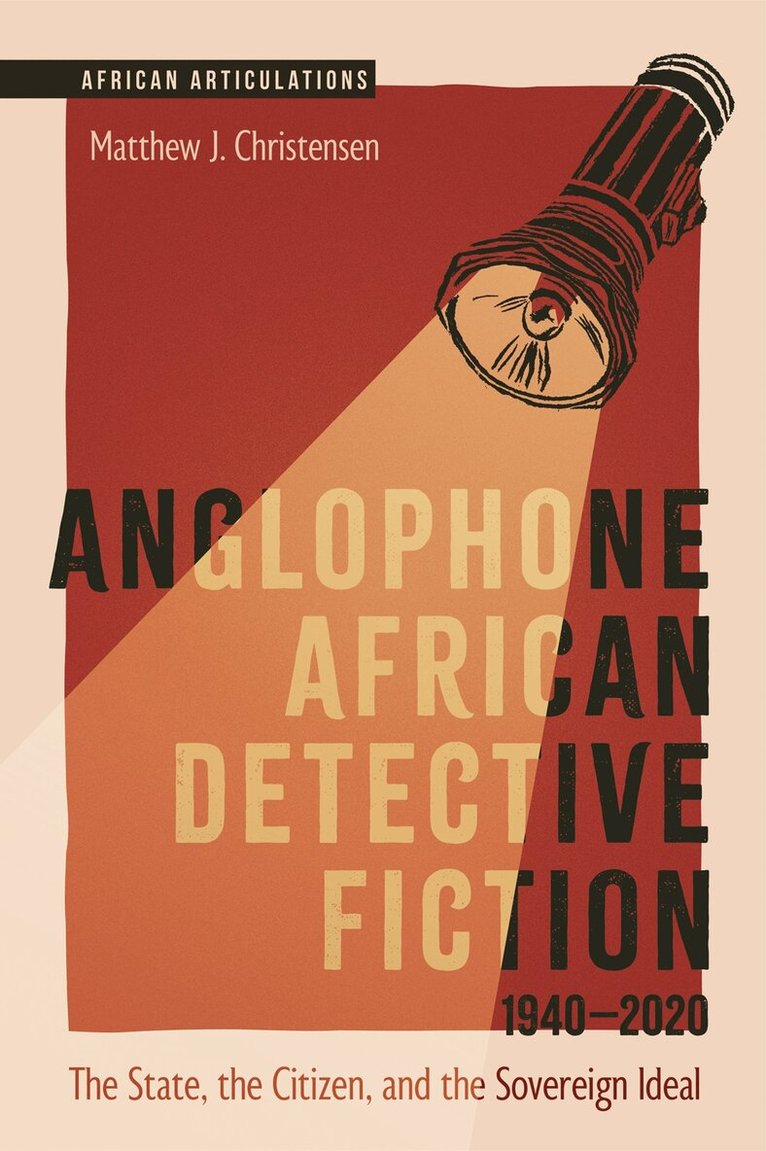
Anglophone African Detective Fiction 1940-2020
The State, the Citizen, and the Sovereign Ideal
Inbunden, Engelska, 2024
1 192 kr
Skickas inom 7-10 vardagar
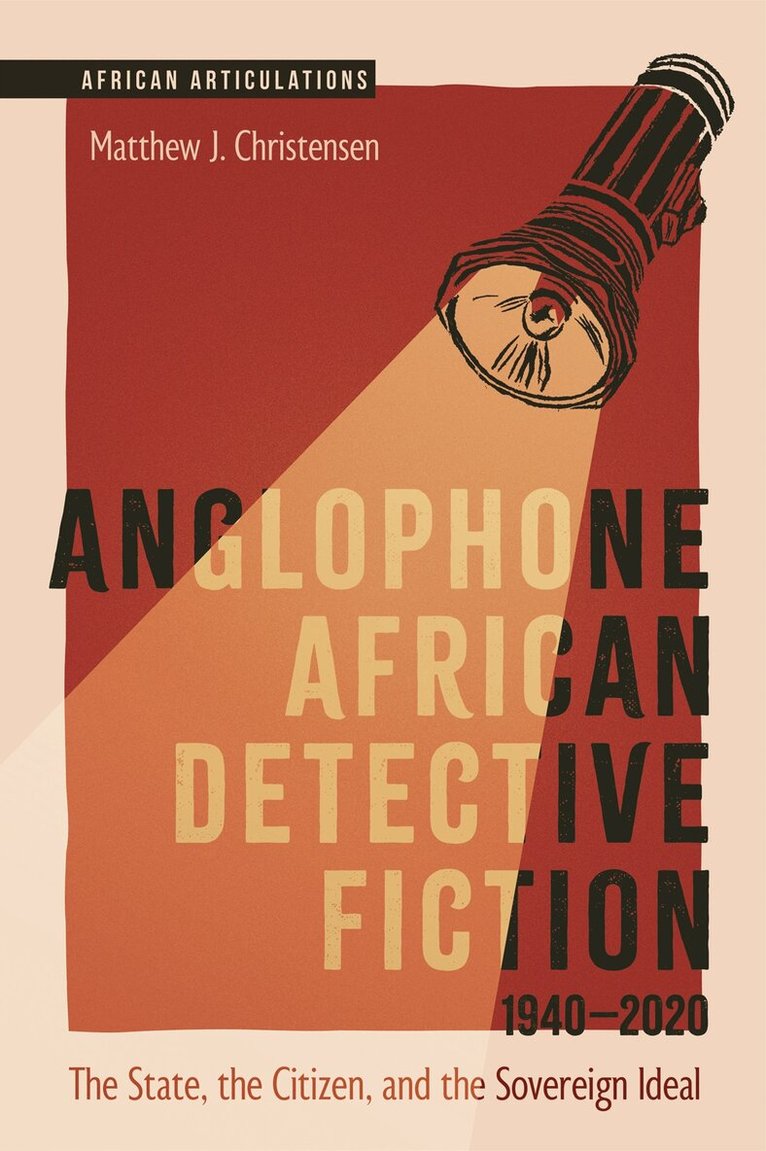
Providing a survey of Anglophone African detective fiction, from the late 1940s to the present day, this study traces its history both as a literary form and a mode of critical exploration of the fraught sovereignties of the African state and its citizens.Since the late 1940s, African writers including Cyprian Ekwensi, Arthur Maimane, Adaora Lily Ulasi, Hilary Ng'weno, Unity Dow, Parker Bilal, and Angela Makholwa have published over 200 murder mysteries, police procedurals, spy thrillers, and other fictional narratives of investigation and discovery in English-language newspapers, magazines, and novels. Distributed widely across the continent's diverse cultural and political geographies, these texts share aesthetic characteristics and thematic preoccupations that reflect transnational networks of production, circulation, and influence. Anglophone African Detective Fiction, 1940-2020 surveys this literary history and examines how African writers have repeatedly harnessed the detective story to interrogate postcolonial realities of selfhood and the state. It argues that African writers have turned the detective story into a highly productive, while at the same time suspense-filled and entertaining, mode of social and political critique, first of colonialism and the independence era and latterly of neoliberal governance. Offering an overview of paradigmatic texts, from Ghana to Kenya and Sudan to South Africa, the book traces the contours of the history of Anglophone African detective fiction that is at once a cultural history of a uniquely African assessment of the ongoing problematics of sovereignty and decolonization.
Del 12 - African Articulations
Anglophone African Detective Fiction 1940-2020
The State, the Citizen, and the Sovereign Ideal
Häftad, Engelska, 2026
318 kr
Skickas inom 7-10 vardagar
Providing a survey of Anglophone African detective fiction, from the late 1940s to the present day, this study traces its history both as a literary form and a mode of critical exploration of the fraught sovereignties of the African state and its citizens.Since the late 1940s, African writers including Cyprian Ekwensi, Arthur Maimane, Adaora Lily Ulasi, Hilary Ng'weno, Unity Dow, Parker Bilal, and Angela Makholwa have published over 200 murder mysteries, police procedurals, spy thrillers, and other fictional narratives of investigation and discovery in English-language newspapers, magazines, and novels. Distributed widely across the continent's diverse cultural and political geographies, these texts share aesthetic characteristics and thematic preoccupations that reflect transnational networks of production, circulation, and influence. Anglophone African Detective Fiction, 1940-2020 surveys this literary history and examines how African writers have repeatedly harnessed the detective story to interrogate postcolonial realities of selfhood and the state. It argues that African writers have turned the detective story into a highly productive, while at the same time suspense-filled and entertaining, mode of social and political critique, first of colonialism and the independence era and latterly of neoliberal governance. Offering an overview of paradigmatic texts, from Ghana to Kenya and Sudan to South Africa, the book traces the contours of the history of Anglophone African detective fiction that is at once a cultural history of a uniquely African assessment of the ongoing problematics of sovereignty and decolonization.