Matthew Jefferies – författare
Visar alla böcker från författaren Matthew Jefferies. Handla med fri frakt och snabb leverans.
12 produkter
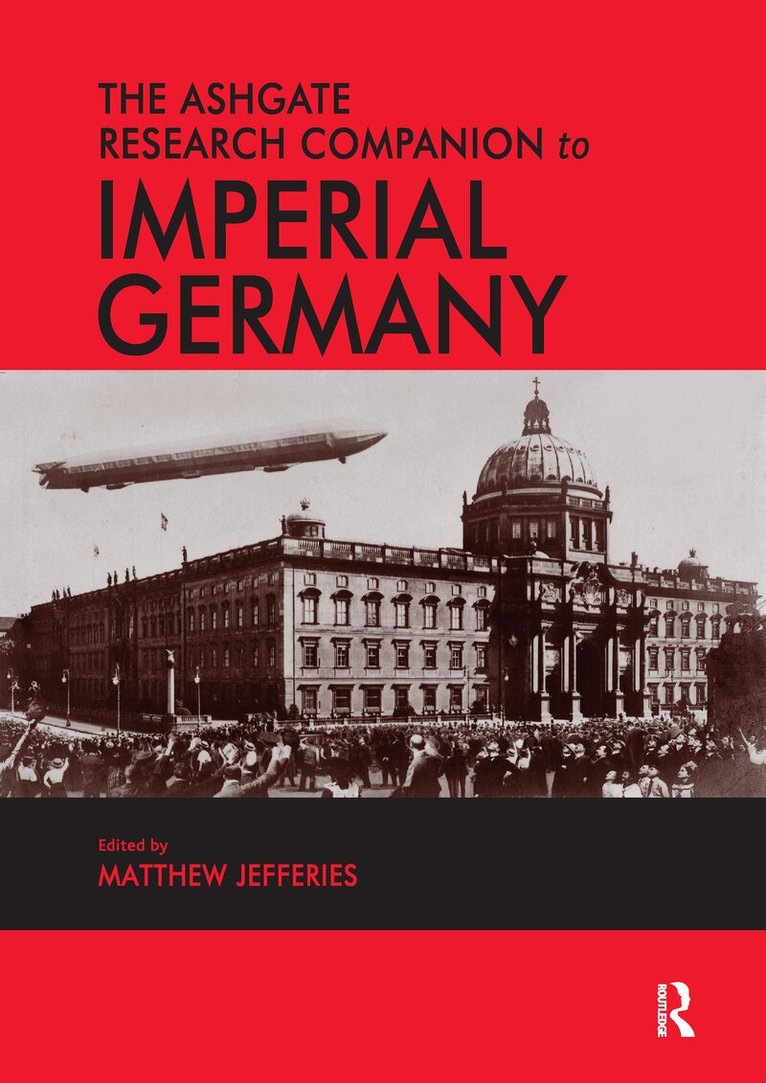
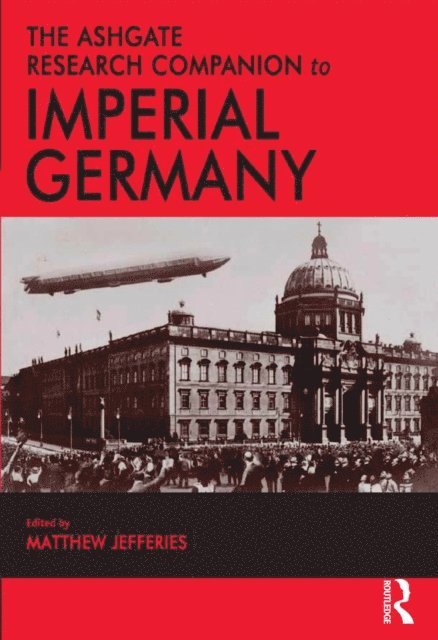
Ashgate Research Companion to Imperial Germany
Häftad, 2020
725 kr
Lägg i varukorg
Germany's imperial era (1871-1918) continues to attract both scholars and the general public alike. The American historian Roger Chickering has referred to the historiography on the Kaiserreich as an 'extraordinary body of historical scholarship', whose quality and diversity stands comparison with …
Politics and Culture in Wilhelmine Germany
The Case of Industrial Architecture
Inbunden, 1995
2038 kr
Lägg i varukorg
- A valuable resource for students taking specialist options on Imperial Germany or the origins of modern architecture and design.This original book explores the relationship between politics and culture in turn-of-the-century Germany through the unusual medium of industrial architecture, which for …
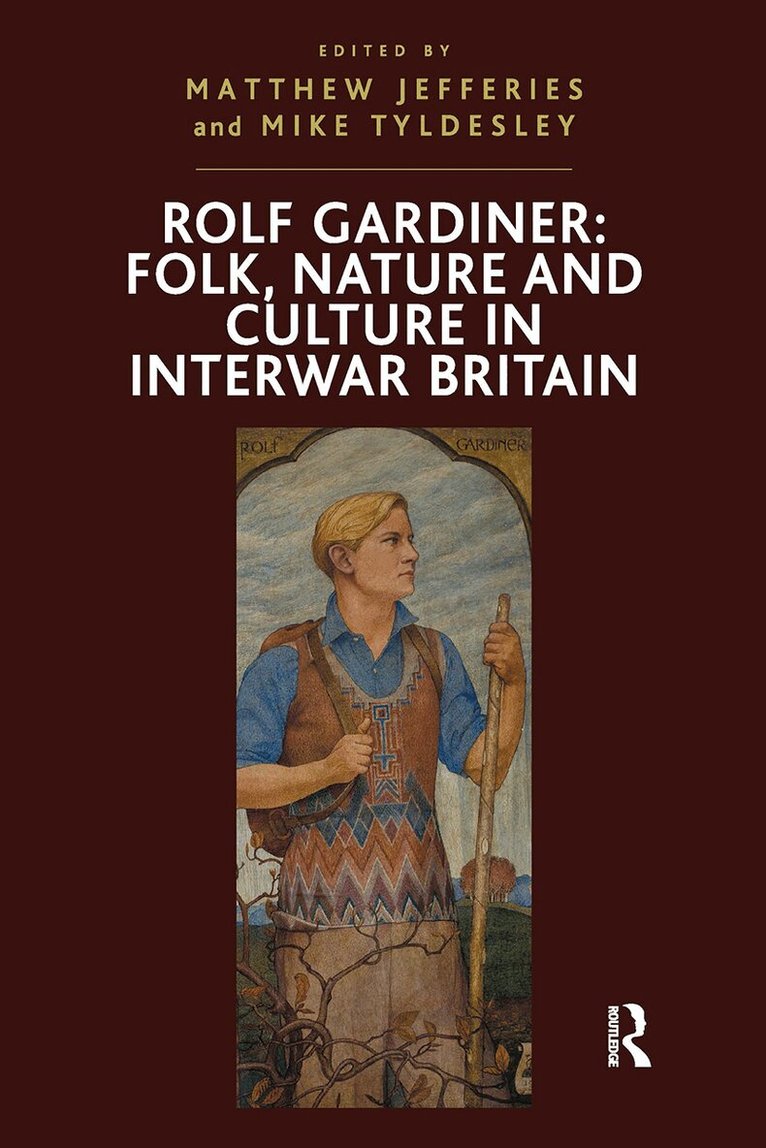
Rolf Gardiner: Folk, Nature and Culture in Interwar Britain
Av Mike Tyldesley, Matthew Jefferies
Häftad, 2024
650 kr
Lägg i varukorg
Folk dancer, forester, poet and visionary, Rolf Gardiner (1902-71) is both a compelling and troubling figure in the history of twentieth-century Britain. While he is celebrated as a pioneer of organic farming and co-founder of the Soil Association, Gardiner's organicist outlook was not confined to …
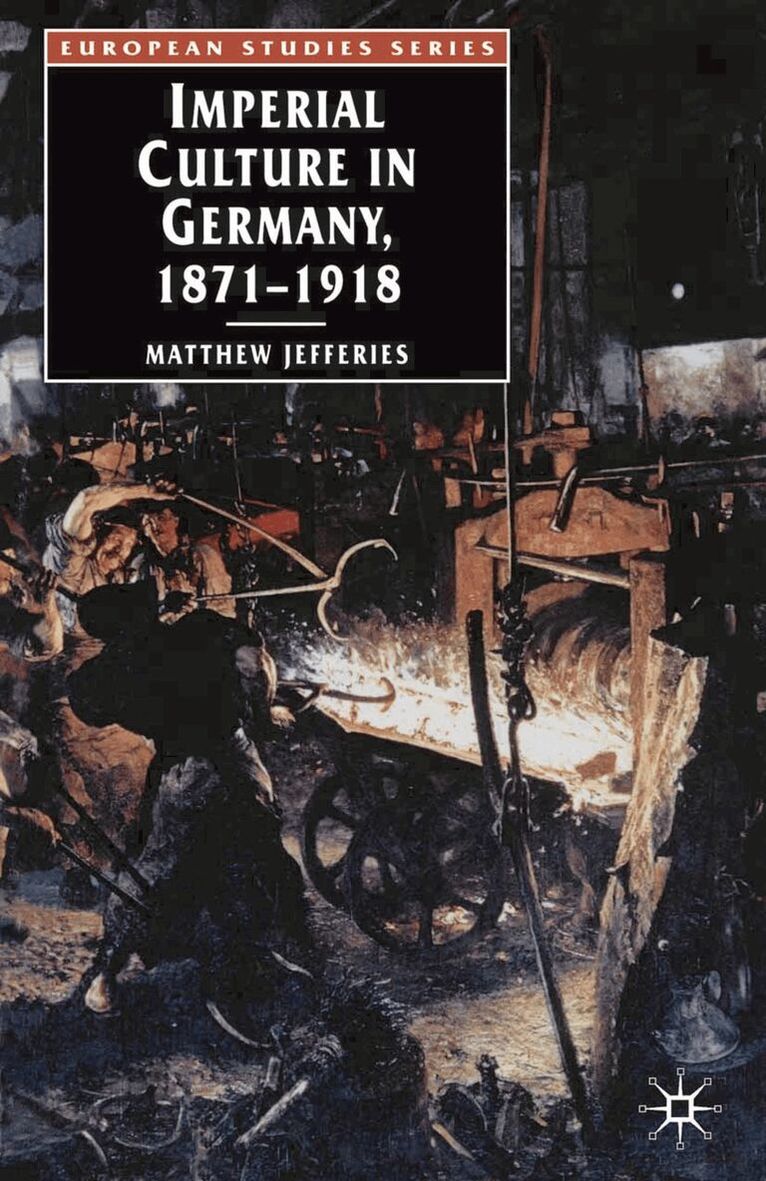
Imperial Culture in Germany, 1871-1918
E-bok, 2020
622 kr
Lägg i varukorg
It has often ben suggested that artists and writers in Germany''s imperial era shunned social engagement, preferring instead apolitical introspection. However, as Matthew Jefferies reveals, whether one looks at the painters, poets and architects who helped to create an official imperial identity …
Ashgate Research Companion to Imperial Germany
E-bok, 2016
856 kr
Lägg i varukorg
Germany''s imperial era (1871-1918) continues to attract both scholars and the general public alike. The American historian Roger Chickering has referred to the historiography on the Kaiserreich as an ''extraordinary body of historical scholarship'', whose quality and diversity stands comparison …
Ashgate Research Companion to Imperial Germany
E-bok, 2016
856 kr
Lägg i varukorg
Germany''s imperial era (1871-1918) continues to attract both scholars and the general public alike. The American historian Roger Chickering has referred to the historiography on the Kaiserreich as an ''extraordinary body of historical scholarship'', whose quality and diversity stands comparison …
Rolf Gardiner: Folk, Nature and Culture in Interwar Britain
Av Mike Tyldesley, Matthew Jefferies
E-bok, 2016
750 kr
Lägg i varukorg
Folk dancer, forester, poet and visionary, Rolf Gardiner (1902-71) is both a compelling and troubling figure in the history of twentieth-century Britain. While he is celebrated as a pioneer of organic farming and co-founder of the Soil Association, Gardiner''s organicist outlook was not confined to …
Rolf Gardiner: Folk, Nature and Culture in Interwar Britain
Av Mike Tyldesley, Matthew Jefferies
E-bok, 2016
767 kr
Lägg i varukorg
Folk dancer, forester, poet and visionary, Rolf Gardiner (1902-71) is both a compelling and troubling figure in the history of twentieth-century Britain. While he is celebrated as a pioneer of organic farming and co-founder of the Soil Association, Gardiner''s organicist outlook was not confined to …
Imperial Culture in Germany, 1871-1918
Av Matthew Jefferies, Richard J. Overy
Häftad, 2003
587 kr
Lägg i varukorg
It has often ben suggested that artists and writers in Germany's imperial era shunned social engagement, preferring instead apolitical introspection. However, as Matthew Jefferies reveals, whether one looks at the painters, poets and architects who helped to create an official imperial identity …
Contesting the German Empire 1871 - 1918
Häftad, 2007
524 kr
Lägg i varukorg
This volume provides an up-to-date and accessible guide to the diversity of current thinking on Imperial Germany. Offers a historiographical overview, spanning more than a century of works on the German EmpireGuides readers through the main approaches, from 'personalist' to 'structuralist' and …
Rolf Gardiner: Folk, Nature and Culture in Interwar Britain
Av Mike Tyldesley, Matthew Jefferies
Inbunden, 2010
2578 kr
Lägg i varukorg
Folk dancer, forester, poet and visionary, Rolf Gardiner (1902-71) is both a compelling and troubling figure in the history of twentieth-century Britain. While he is celebrated as a pioneer of organic farming and co-founder of the Soil Association, Gardiner's organicist outlook was not confined to …
Ashgate Research Companion to Imperial Germany
Inbunden, 2015
2578 kr
Lägg i varukorg
Germany's imperial era (1871-1918) continues to attract both scholars and the general public alike. The American historian Roger Chickering has referred to the historiography on the Kaiserreich as an 'extraordinary body of historical scholarship', whose quality and diversity stands comparison with …