Matthew Levay – Författare
Visar alla böcker från författaren Matthew Levay. Handla med fri frakt och snabb leverans.
2 produkter
2 produkter
1 431 kr
Skickas inom 7-10 vardagar
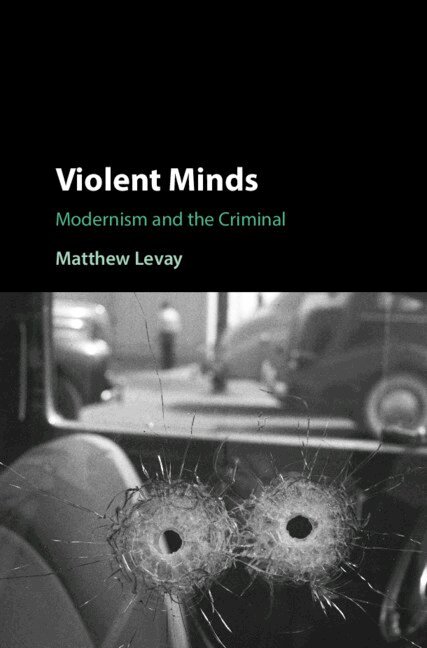
Just as cultural attitudes toward criminality were undergoing profound shifts in the late nineteenth and early twentieth centuries, modernist authors became fascinated by crime and its perpetrators, as well as the burgeoning genre of crime fiction. Throughout the period, a diverse range of British and American novelists took the criminal as a case study for experimenting with forms of psychological representation while also drawing on the conventions of crime fiction in order to imagine new ways of conceptualizing the criminal mind. Matthew Levay traces the history of that attention to criminal psychology in modernist fiction, placing understudied authors like Wyndham Lewis, Dorothy Sayers, Graham Greene, and Patricia Highsmith in dialogue with more canonical contemporaries like Joseph Conrad, Henry James, Dashiell Hammett, and Gertrude Stein. Levay demonstrates criminality's pivotal role in establishing quintessentially modernist forms of psychological representation and brings to light modernism's deep but understudied connections to popular literature, especially crime fiction.
399 kr
Kommande
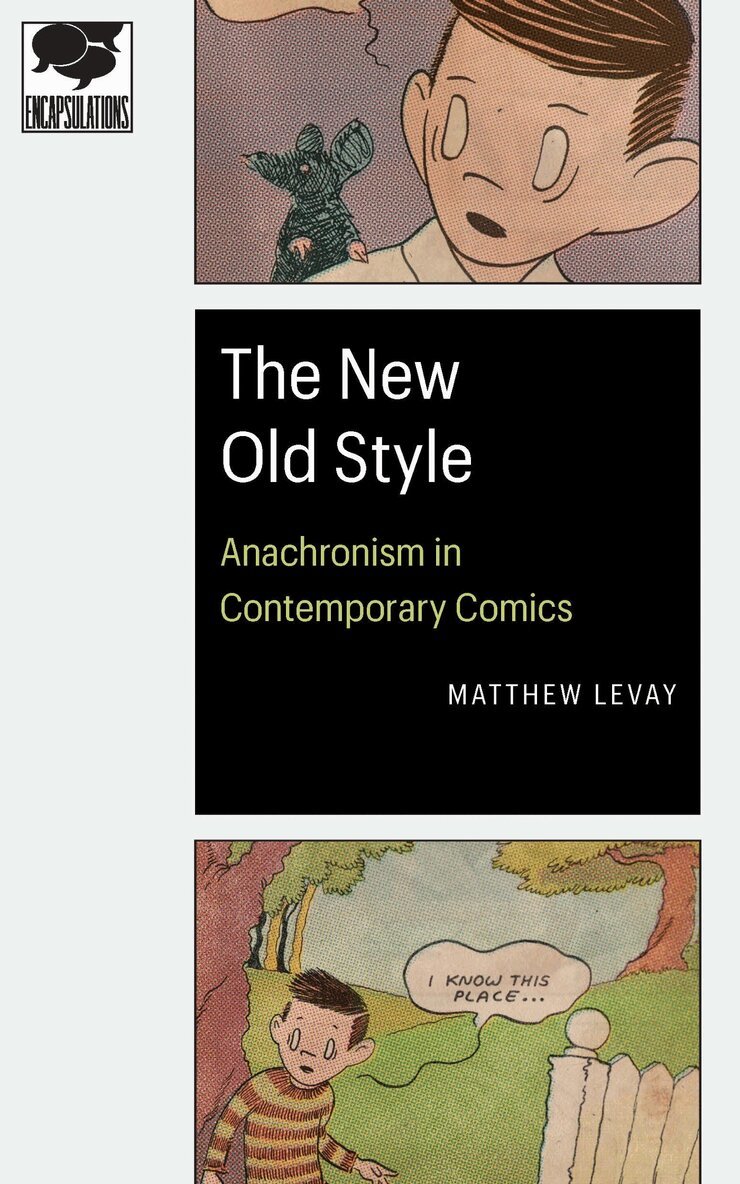
The New Old Style explores how the deliberate use of cartooning styles that mimic those of the early twentieth century has paradoxically become one of the most significant vehicles for formal experimentation in contemporary comics. Dubbing this phenomenon "the anachronistic aesthetic," Matthew Levay argues that what can initially appear to be a nostalgic affinity for outmoded drawing styles is in fact a complex and holistic movement in contemporary comics with profound consequences for how artists and audiences might understand the critical possibilities and historical legacies of the medium itself.The phenomenon of anachronism as an aesthetic mode is visible in North American comics as early as the 1970s, but it rose to prominence in the 1990s. Since then, multiple artists have drawn in ways that reference cartooning styles of the distant past—those of early twentieth-century newspaper comics, early American animation, and midcentury comic books for young children, to name a few. The New Old Style characterizes these cartoonists' use of anachronism as a mode of critical engagement that reveals how comics, as a medium, can simultaneously interrogate its history—and the violence, misogyny, and racial stereotype that pervade it—while opening up new ways of addressing its aesthetic conditions. A work of comics history as well as theory, The New Old Style traces the uses of anachronism in comics published from the 1970s to the present and, via a focused set of case studies, argues that those uses represent a wide-ranging critique of the politics of the past, the material culture of the present, and the aesthetic possibilities of the future.