Matthew P. Meyer – författare
Visar alla böcker från författaren Matthew P. Meyer. Handla med fri frakt och snabb leverans.
6 produkter
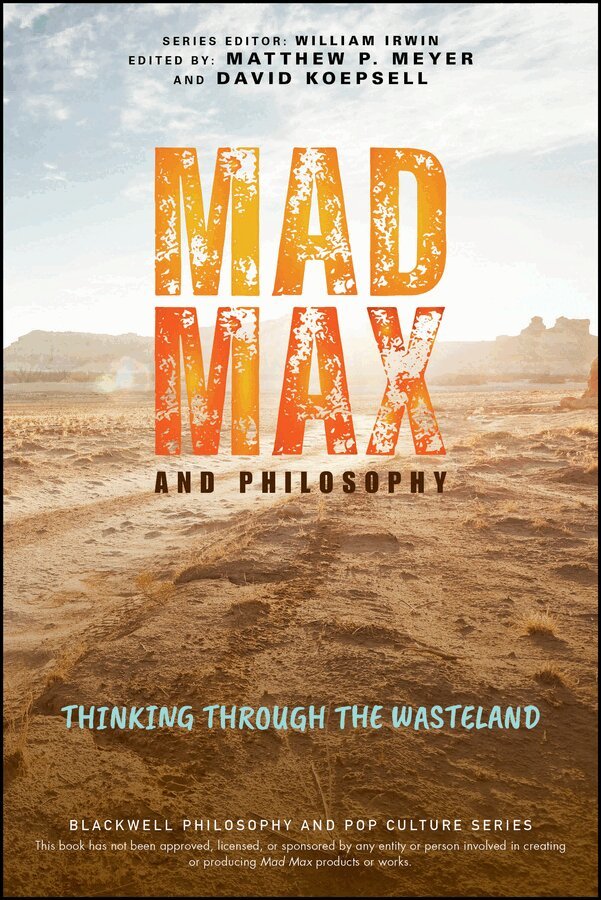
Mad Max and Philosophy
Thinking Through the Wasteland
Av Matthew P. Meyer, David Koepsell
Häftad, 2024
172 kr
Lägg i varukorg
Explore the philosophy at the core of the apocalyptic future of Mad Max Beneath the stylized violence and thrilling car crashes, the Mad Max films consider universal questions about the nature of human life, order and anarchy, justice and moral responsibility, society and technology, and …
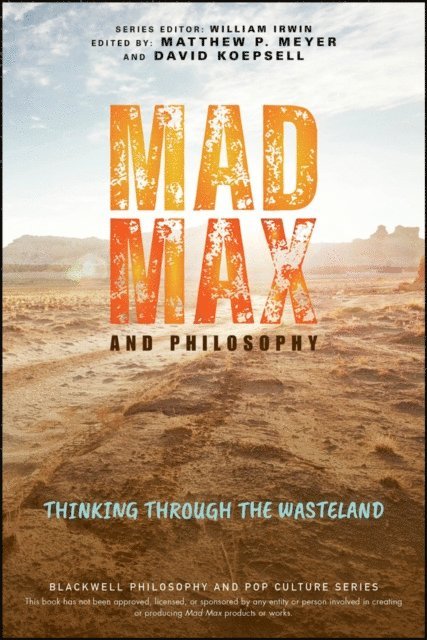
Mad Max and Philosophy
Thinking Through the Wasteland
Av David Koepsell, Matthew P. Meyer
E-bok, 2024
271 kr
Lägg i varukorg
Explore the philosophy at the core of the apocalyptic future of Mad Max Beneath the stylized violence and thrilling car crashes, the Mad Max films consider universal questions about the nature of human life, order and anarchy, justice and moral responsibility, society and technology, and …
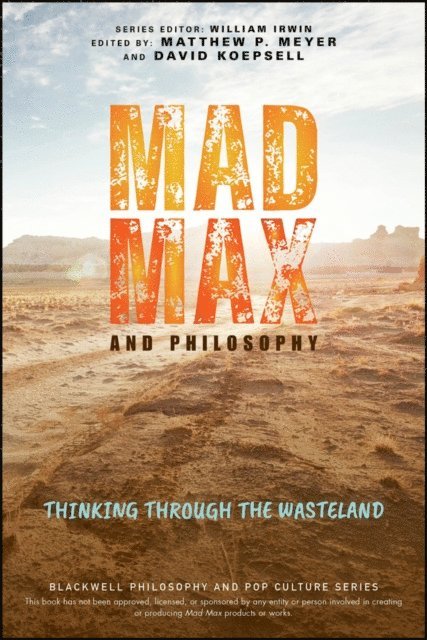
Mad Max and Philosophy
Thinking Through the Wasteland
Av David Koepsell, Matthew P. Meyer
E-bok, 2024
277 kr
Lägg i varukorg
Explore the philosophy at the core of the apocalyptic future of Mad Max Beneath the stylized violence and thrilling car crashes, the Mad Max films consider universal questions about the nature of human life, order and anarchy, justice and moral responsibility, society and technology, and …
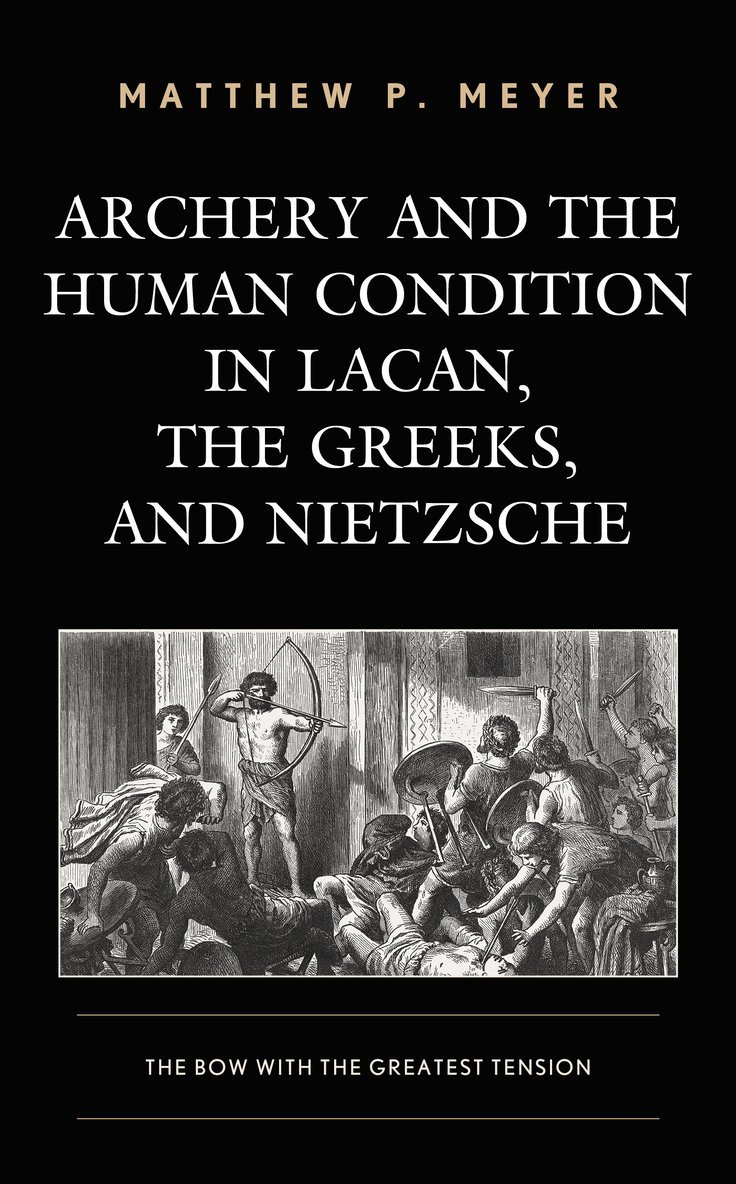
Archery and the Human Condition in Lacan, the Greeks, and Nietzsche
The Bow with the Greatest Tension
Inbunden, 2019
1474 kr
Lägg i varukorg
Archery and the Human Condition in Lacan, the Greeks, and Nietzsche showcases archery as a metaphor for the fundamental tension at the heart of the human condition. Matthew Meyer develops a theory of subjectivity that incorporates elements from psychoanalysis, Greek literature, philosophy, and Zen …
On Thoughtlessness
An Existential Analysis of Meaning, Death, and Hate
Inbunden, 2027
1200 kr
Kommande
Expanding the study of thoughtlessness, this book considers its role in situations such as group hate and the existential themes of avoidance of thinking about death and despair.Within the framework of existentialism, the author argues, there are different lenses through which to conceive our …
Mad Max and Philosophy: Thinking Through the Waste land
Av Matthew P. Meyer, David Koepsell
2023
202 kr
Tillfälligt slut