Matthew Sakiestewa Gilbert - Böcker
Visar alla böcker från författaren Matthew Sakiestewa Gilbert. Handla med fri frakt och snabb leverans.
2 produkter
2 produkter
350 kr
Skickas inom 7-10 vardagar
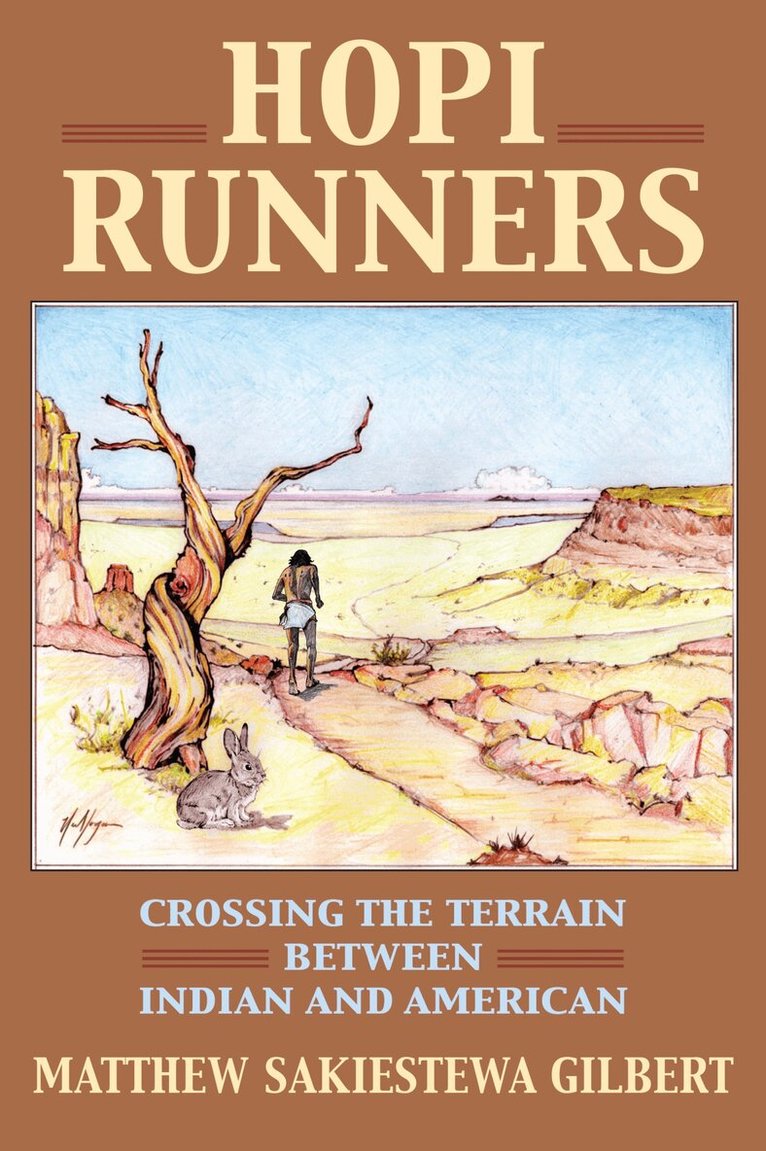
In the summer of 1912 Hopi runner Louis Tewanima won silver in the 10,000-meter race at the Stockholm Olympics. In that same year Tewanima and another champion Hopi runner, Philip Zeyouma, were soundly defeated by two Hopi elders in a race hosted by members of the tribe. Long before Hopis won trophy cups or received acclaim in American newspapers, Hopi clan runners competed against each other on and below their mesas—and when they won footraces, they received rain. Hopi Runners provides a window into this venerable tradition at a time of great consequence for Hopi culture. The book places Hopi long-distance runners within the larger context of American sport and identity from the early 1880s to the 1930s, a time when Hopis competed simultaneously for their tribal communities, Indian schools, city athletic clubs, the nation, and themselves.Author Matthew Sakiestewa Gilbert brings a Hopi perspective to this history. His book calls attention to Hopi philosophies of running that connected the runners to their villages; at the same time it explores the internal and external forces that strengthened and strained these cultural ties when Hopis competed in US marathons. Between 1908 and 1936 Hopi marathon runners such as Tewanima, Zeyouma, Franklin Suhu, and Harry Chaca navigated among tribal dynamics, school loyalties, and a country that closely associated sport with US nationalism. The cultural identity of these runners, Sakiestewa Gilbert contends, challenged white American perceptions of modernity, and did so in a way that had national and international dimensions. This broad perspective linked Hopi runners to athletes from around the world—including runners from Japan, Ireland, and Mexico—and thus, Hopi Runners suggests, caused non-Natives to reevaluate their understandings of sport, nationhood, and the cultures of American Indian people.
449 kr
Skickas inom 10-15 vardagar
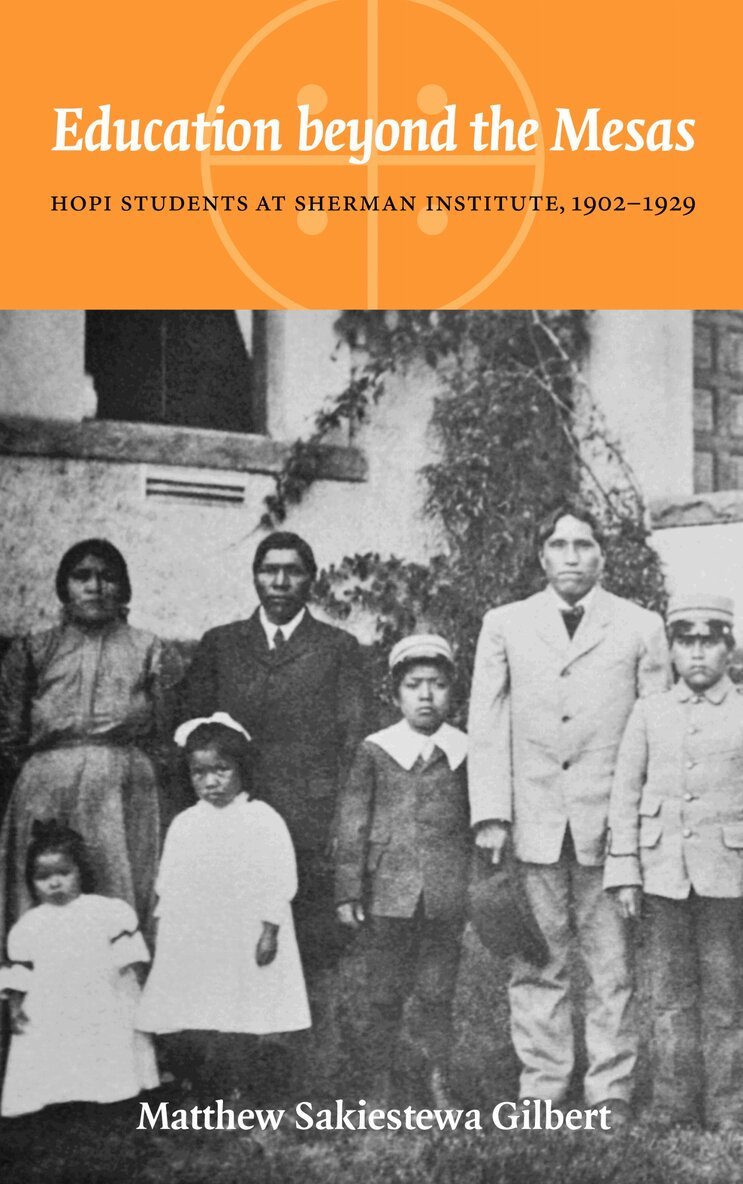
Education beyond the Mesas is the fascinating story of how generations of Hopi schoolchildren from northeastern Arizona "turned the power" by using compulsory federal education to affirm their way of life and better their community. Sherman Institute in Riverside, California, one of the largest off-reservation boarding schools in the United States, followed other federally funded boarding schools of the late nineteenth and early twentieth centuries in promoting the assimilation of indigenous people into mainstream America. Many Hopi schoolchildren, deeply conversant in Hopi values and traditional education before being sent to Sherman Institute, resisted this program of acculturation. Immersed in learning about another world, generations of Hopi children drew on their culture to skillfully navigate a system designed to change them irrevocably. In fact, not only did the Hopi children strengthen their commitment to their families and communities while away in the "land of oranges," they used their new skills, fluency in English, and knowledge of politics and economics to help their people when they eventually returned home. Matthew Sakiestewa Gilbert draws on interviews, archival records, and his own experiences growing up in the Hopi community to offer a powerful account of a quiet, enduring triumph.