Matthias Schwannauer – författare
Visar alla böcker från författaren Matthias Schwannauer. Handla med fri frakt och snabb leverans.
8 produkter
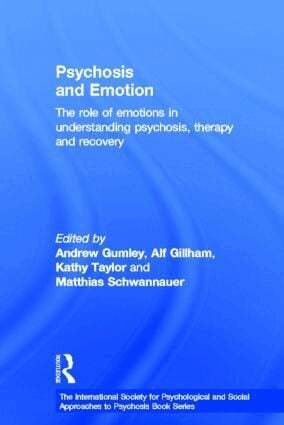
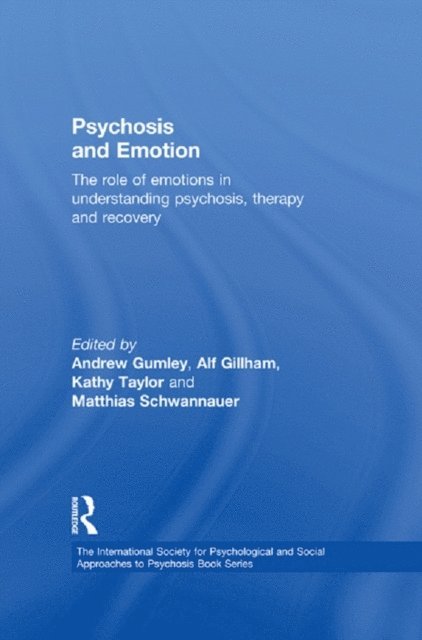
Psychosis and Emotion
The role of emotions in understanding psychosis, therapy and recovery
Av Andrew I. Gumley, Alf Gillham m. fl.
Inbunden, 2013
2588 kr
Lägg i varukorg
There is increasing recognition that emotional distress plays a significant part in the onset of psychosis, the experience of psychosis itself and in the unfolding of recovery that follows. This book brings together leading international experts to explore the role of emotion and emotion regulation …
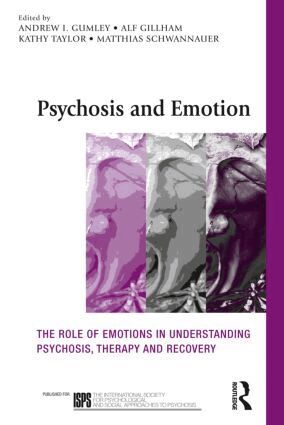
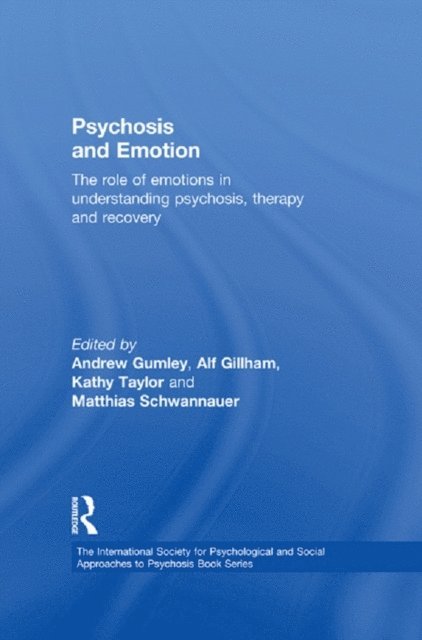
Psychosis and Emotion
The role of emotions in understanding psychosis, therapy and recovery
Av Andrew I. Gumley, Alf Gillham m. fl.
Häftad, 2013
637 kr
Lägg i varukorg
There is increasing recognition that emotional distress plays a significant part in the onset of psychosis, the experience of psychosis itself and in the unfolding of recovery that follows. This book brings together leading international experts to explore the role of emotion and emotion regulation …
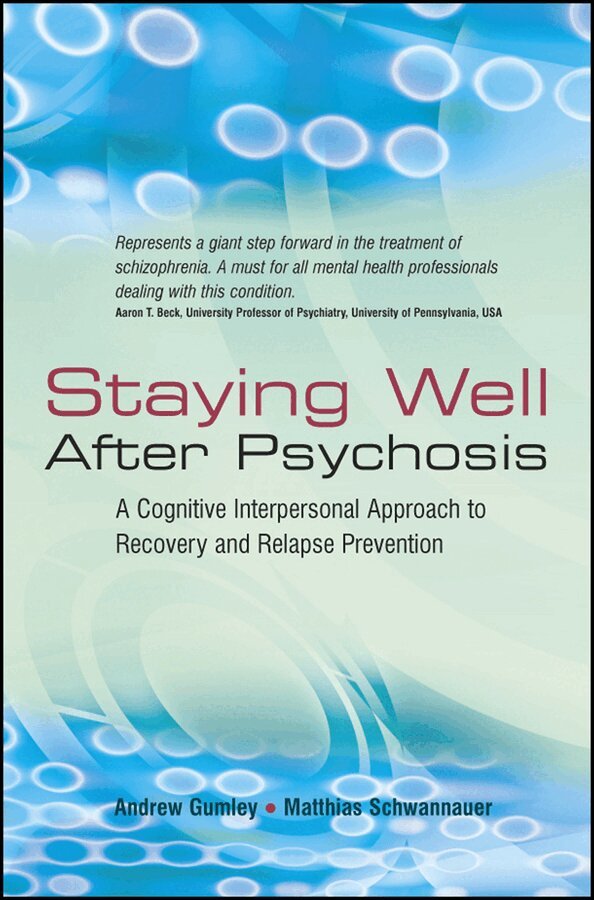
Staying Well After Psychosis
A Cognitive Interpersonal Approach to Recovery and Relapse Prevention
Av Andrew Gumley, Matthias Schwannauer
Inbunden, 2006
1909 kr
Lägg i varukorg
Staying Well After Psychosis Staying Well After Psychosis is extremely readable, based on solid research evidence and packed full of clinical insights and strategies that will satisfy any clinician seeking innovative approaches to the promotion of recovery from psychosis.Anthony P. Morrison, …
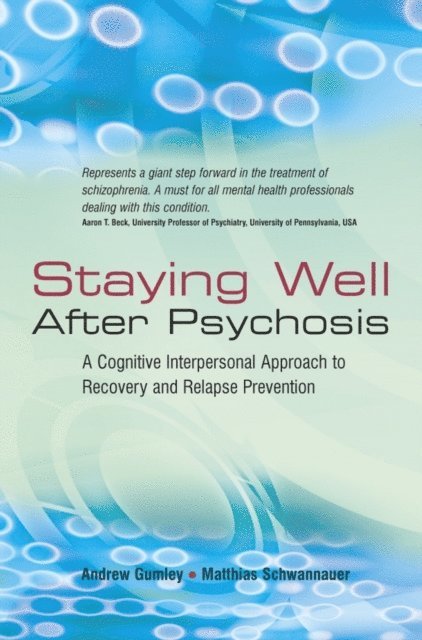
Staying Well After Psychosis
A Cognitive Interpersonal Approach to Recovery and Relapse Prevention
Av Andrew Gumley, Matthias Schwannauer
Häftad, 2006
670 kr
Lägg i varukorg
Staying Well After Psychosis Staying Well After Psychosis is extremely readable, based on solid research evidence and packed full of clinical insights and strategies that will satisfy any clinician seeking innovative approaches to the promotion of recovery from psychosis.Anthony P. Morrison, …
Staying Well After Psychosis
A Cognitive Interpersonal Approach to Recovery and Relapse Prevention
Av Matthias Schwannauer, Andrew Gumley
E-bok, 2006
2231 kr
Lägg i varukorg
Staying Well After Psychosis Staying Well After Psychosis is extremely readable, based on solid research evidence and packed full of clinical insights and strategies that will satisfy any clinician seeking innovative approaches to the promotion of recovery from psychosis. Anthony P. Morrison, …
Psychosis and Emotion
The role of emotions in understanding psychosis, therapy and recovery
Av Matthias Schwannauer, Kathy Taylor m. fl.
E-bok, 2013
733 kr
Lägg i varukorg
There is increasing recognition that emotional distress plays a significant part in the onset of psychosis, the experience of psychosis itself and in the unfolding of recovery that follows. This book brings together leading international experts to explore the role of emotion and emotion regulation …
Psychosis and Emotion
The role of emotions in understanding psychosis, therapy and recovery
Av Matthias Schwannauer, Kathy Taylor m. fl.
E-bok, 2013
749 kr
Lägg i varukorg
There is increasing recognition that emotional distress plays a significant part in the onset of psychosis, the experience of psychosis itself and in the unfolding of recovery that follows. This book brings together leading international experts to explore the role of emotion and emotion regulation …
Staying Well After Psychosis – A Cognitive Interpersonal Approach to Recovery and Relapse Prevention
Av Andrew Gumley, Matthias Schwannauer
2008
1232 kr
Tillfälligt slut
"Staying Well After Psychosis is extremely readable, based on solid research evidence and packed full of clinical insights and strategies that will satisfy any clinician seeking innovative approaches to the promotion of recovery from psychosis." --Anthony P. Morrison, Professor of Clinical …