Maureen Miner - Böcker
Visar alla böcker från författaren Maureen Miner. Handla med fri frakt och snabb leverans.
8 produkter
8 produkter
599 kr
Skickas inom 7-10 vardagar
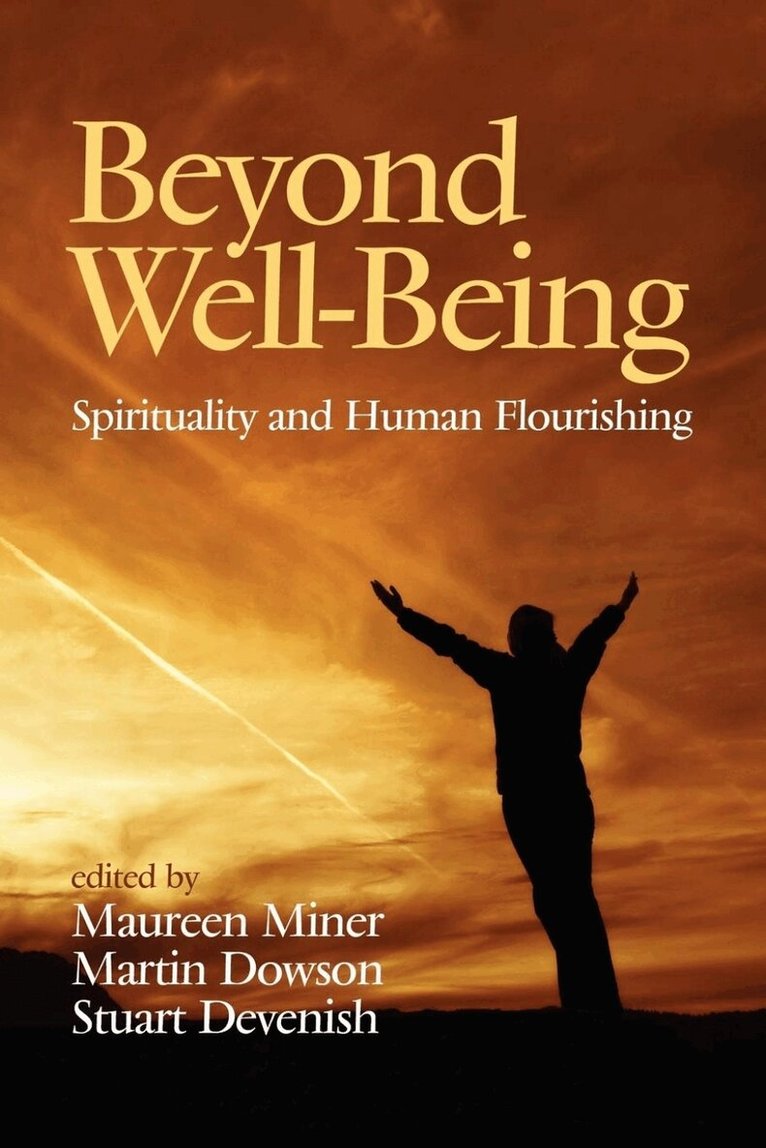
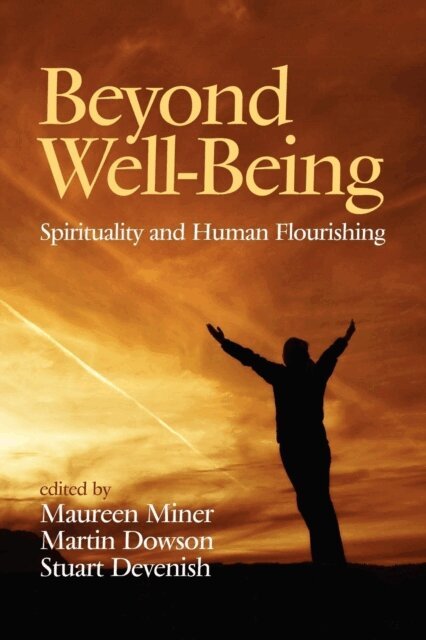
This volume arose out of a deep concern to assist people in their struggle to lead a flourishing life. Fractured, stressed, relationally broken and spiritually empty people may instinctively reach for the supposed panacea of happiness. But happiness is often a transitory state. More stable and worthwhile than the pursuit of happiness is leading a flourishing life. But what is flourishing? Is spirituality necessary for human flourishing and, if so, in what ways might spirituality provide a unique and important contribution to flourishing?The volume provides complementary yet diverse accounts of human flourishing. Each account argues that spirituality in general, and Christian spirituality in particular, are vital contributors to flourishing.The volume will be valuable for those who are dissatisfied with popular hedonistic approaches to flourishing. Such people are ready for a change in approach, but often do not have a clear alternative in view. The Volume will provide a clear alternative to popular culture‘s representation of the flourishing person, which is largely vested in conspicuous consumption. The book will also be valuable for those who have considered alternatives to popular culture, but who lack an informed basis on which to evaluate these alternatives. Finally, the book will be valuable for those who are committed to Christian spirituality but may not appreciate the rich resources which Christian faith offers for human flourishing. Amongst the latter group are included Christian leaders such as priests and pastors, voluntary church workers and lay people who may or may not be involved in formal religion but who long to flourish in their own lives and to enable others to do the same.
1 059 kr
Skickas inom 7-10 vardagar
This volume arose out of a deep concern to assist people in their struggle to lead a flourishing life. Fractured, stressed, relationally broken and spiritually empty people may instinctively reach for the supposed panacea of happiness. But happiness is often a transitory state. More stable and worthwhile than the pursuit of happiness is leading a flourishing life. But what is flourishing? Is spirituality necessary for human flourishing and, if so, in what ways might spirituality provide a unique and important contribution to flourishing?The volume provides complementary yet diverse accounts of human flourishing. Each account argues that spirituality in general, and Christian spirituality in particular, are vital contributors to flourishing.The volume will be valuable for those who are dissatisfied with popular hedonistic approaches to flourishing. Such people are ready for a change in approach, but often do not have a clear alternative in view. The Volume will provide a clear alternative to popular culture‘s representation of the flourishing person, which is largely vested in conspicuous consumption. The book will also be valuable for those who have considered alternatives to popular culture, but who lack an informed basis on which to evaluate these alternatives. Finally, the book will be valuable for those who are committed to Christian spirituality but may not appreciate the rich resources which Christian faith offers for human flourishing. Amongst the latter group are included Christian leaders such as priests and pastors, voluntary church workers and lay people who may or may not be involved in formal religion but who long to flourish in their own lives and to enable others to do the same.
533 kr
Skickas inom 7-10 vardagar
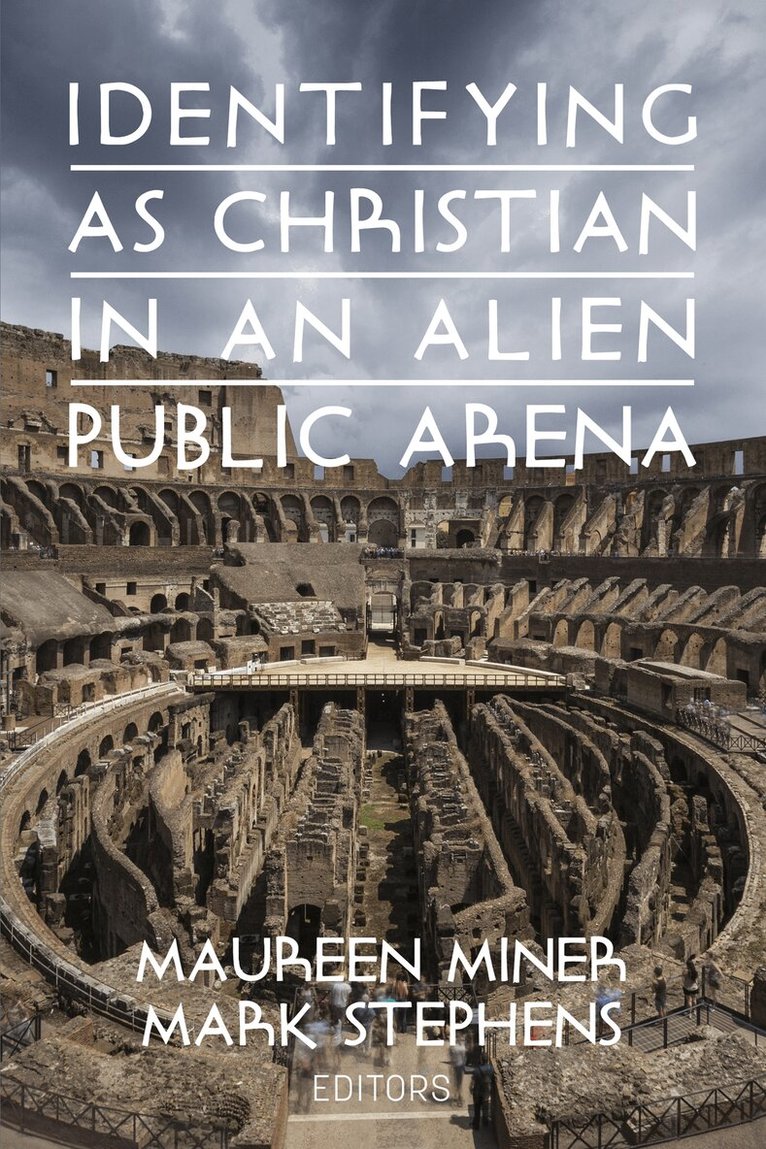
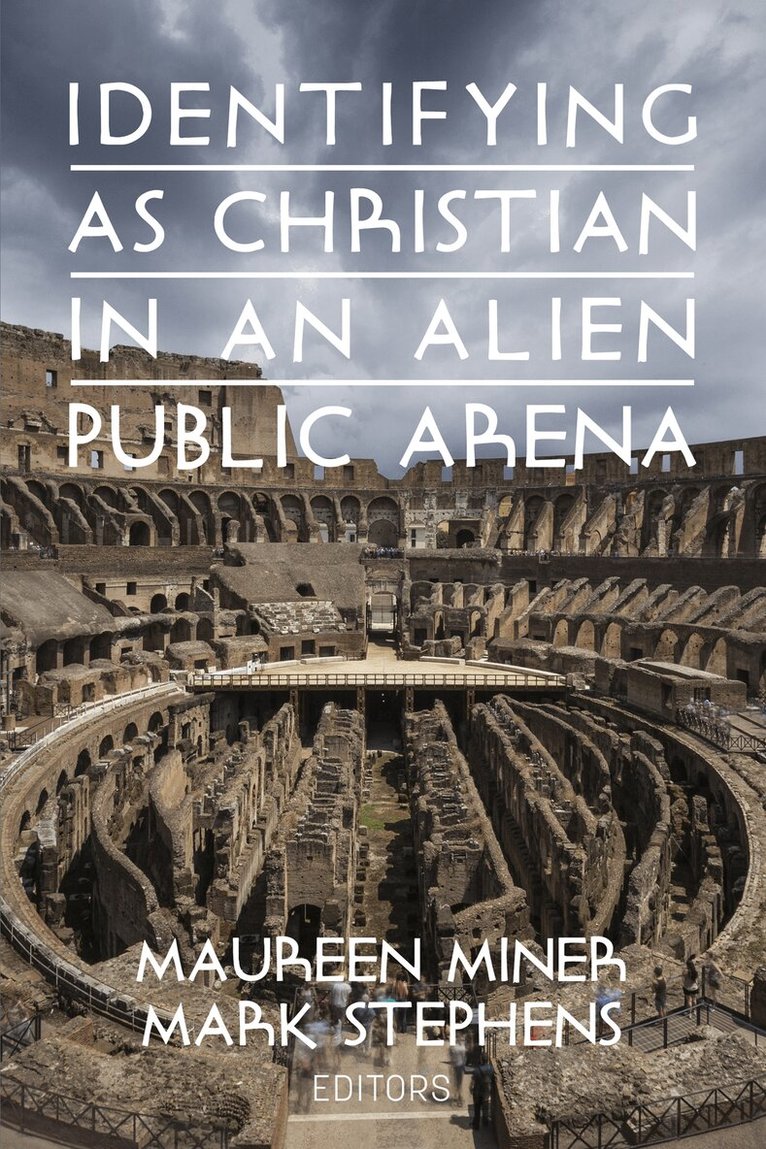
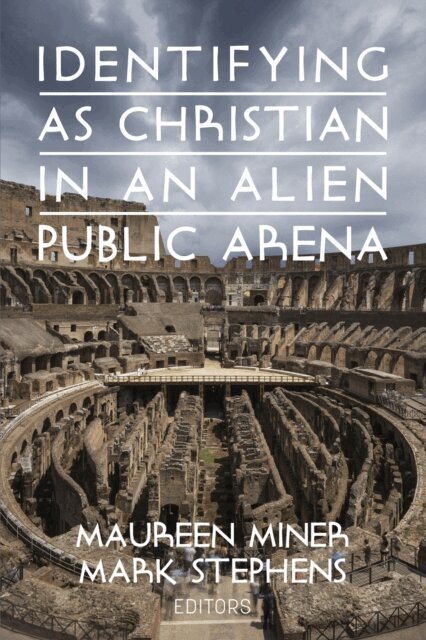
Although Christianity is the world’s largest religion, there is confusion over what it means to be Christian within contemporary society. For individuals it is difficult to find, form, or receive a Christian identity, let alone maintain one within a secular world. Within organizations such as the church and professions there is often a disconnection between public and private identities and the reality of being Christian in our culture. For society there is the problem of disparate portrayals of Christianity, the marginalized status of Christianity with an associated lack of influence of Christians on our society, and the ongoing shaping of Christian identity by the public arena itself. Associated questions are: should Christians try to engage in, and even shape, the public arena and if so, how?This volume examines the problem of confused and misunderstood Christian identity in a post-Christian age. It suggests ways of shaping Christian identity for the benefit of individuals and for the common good. The importance of well-formed Christian identities is illustrated by research and analysis of selected professions so that the public life of Christians can be more fulfilling and effective.This book will be valuable for all those who are interested in religious identity within a secular society. People of faith and religious organizations will benefit from a penetrating analysis of what it means to be Christian today. Similarly, those whose work involves the church, counseling, education and the performing arts will find specific applications that address concerns about faith in the workplace.
980 kr
Skickas inom 7-10 vardagar
Although Christianity is the world’s largest religion, there is confusion over what it means to be Christian within contemporary society. For individuals it is difficult to find, form, or receive a Christian identity, let alone maintain one within a secular world. Within organizations such as the church and professions there is often a disconnection between public and private identities and the reality of being Christian in our culture. For society there is the problem of disparate portrayals of Christianity, the marginalized status of Christianity with an associated lack of influence of Christians on our society, and the ongoing shaping of Christian identity by the public arena itself. Associated questions are: should Christians try to engage in, and even shape, the public arena and if so, how?This volume examines the problem of confused and misunderstood Christian identity in a post-Christian age. It suggests ways of shaping Christian identity for the benefit of individuals and for the common good. The importance of well-formed Christian identities is illustrated by research and analysis of selected professions so that the public life of Christians can be more fulfilling and effective.This book will be valuable for all those who are interested in religious identity within a secular society. People of faith and religious organizations will benefit from a penetrating analysis of what it means to be Christian today. Similarly, those whose work involves the church, counseling, education and the performing arts will find specific applications that address concerns about faith in the workplace.
533 kr
Skickas inom 7-10 vardagar
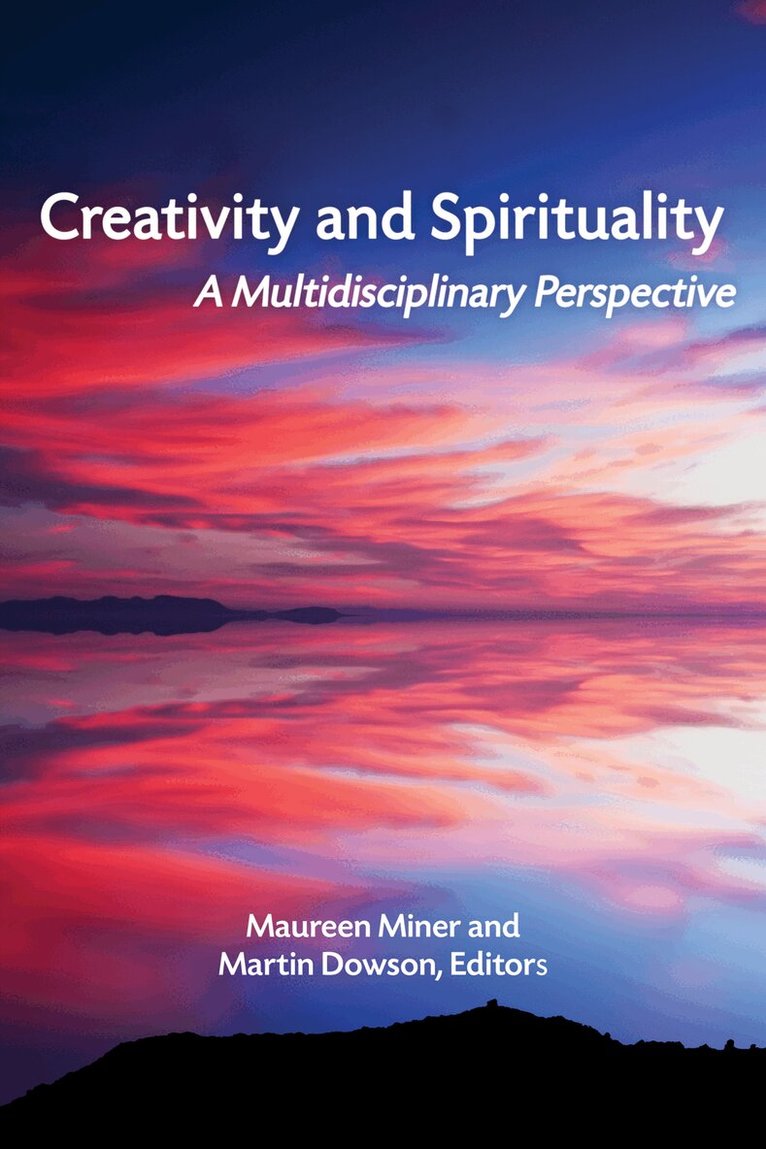
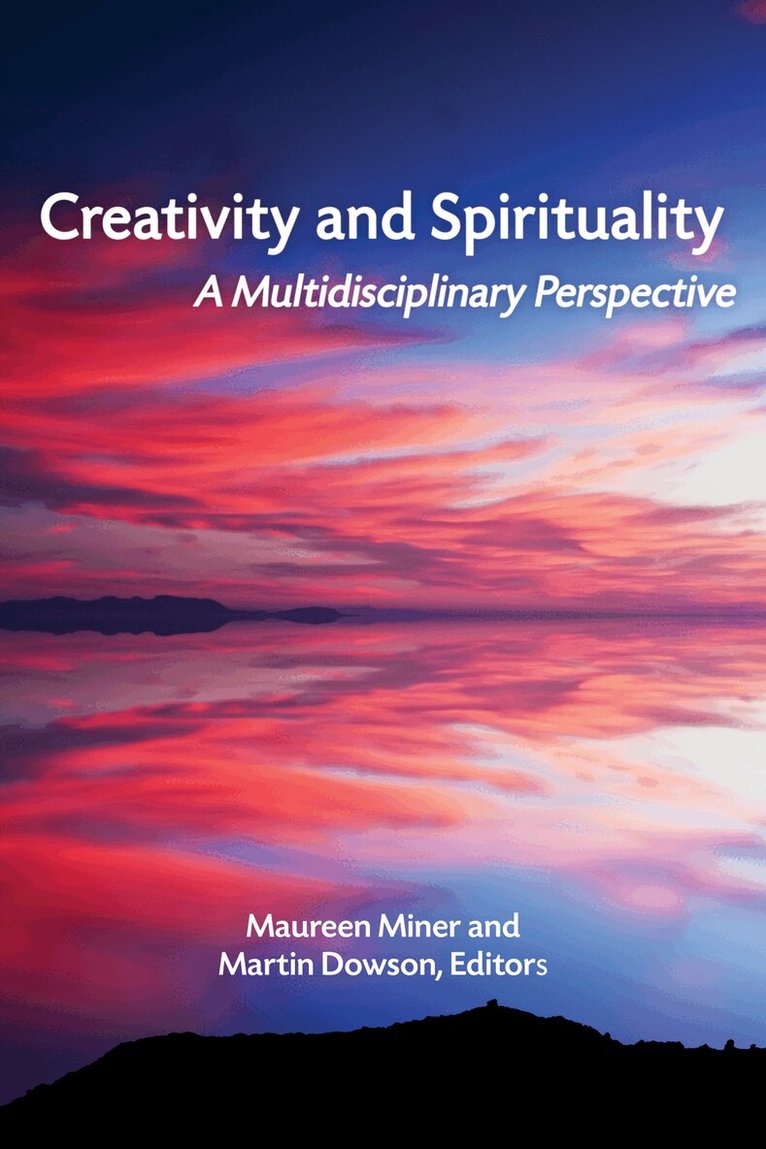
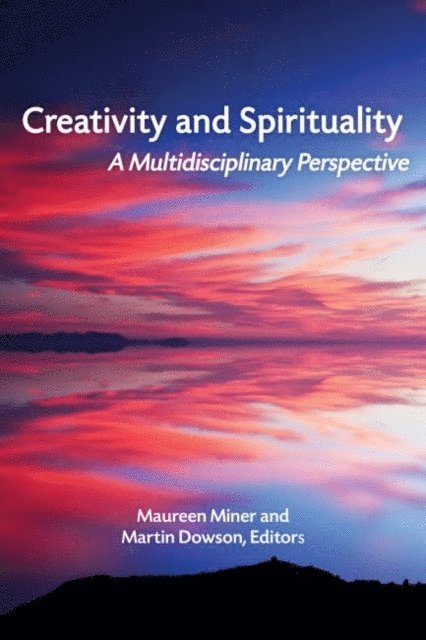
The volume was developed to address conceptual, relational and formational questions around the phenomena of creativity and spirituality from a multidisciplinary perspective. We acknowledge the complexity of each phenomenon, and the need for multiple perspectives, in a number of ways. First, different chapters are written from psychological, theological or philosophical perspectives. Second, multiple research perspectives are considered across empirical and phenomenological methods of inquiry. Finally, multiple associations between creativity and spirituality are evaluated.From such multiple perspectives the theme of this volume emerges. Both creativity and spirituality are important for individual and societal flourishing but we know little about fostering both in the 21st century. Some ways of fostering them are psychologically harmful and need to be avoided. New ways of protecting people as they engage in creative and spiritual endeavours are needed. In particular, formal training in both creativity and spirituality within the sphere of higher education should be developed in the light of current research. However, new research that integrates multiple perspectives and examines creativity and spirituality together is needed for training that avoids harm and promotes individual and social flourishing.The book will be valuable for educators in all disciplines of higher education because it justifies and explicates training in creativity and spirituality within all areas of higher education. Further, it discusses how such training might best be included within andragogical practice. The book will be useful for researchers of creativity and spirituality because it gives an overview of contemporary research issues and findings, and proposes a new philosophical- theological perspective for integrative research in these areas. Students in fields of creativity, theology and spirituality will use the book as a synthesis of contemporary theories and research relating to both creativity and spirituality and for direction in post-graduate research. More broadly, Christians and others who appreciate the creative and performing arts will find much to challenge their thinking and deepen their awareness of spirituality within human creativity.
980 kr
Skickas inom 7-10 vardagar
The volume was developed to address conceptual, relational and formational questions around the phenomena of creativity and spirituality from a multidisciplinary perspective. We acknowledge the complexity of each phenomenon, and the need for multiple perspectives, in a number of ways. First, different chapters are written from psychological, theological or philosophical perspectives. Second, multiple research perspectives are considered across empirical and phenomenological methods of inquiry. Finally, multiple associations between creativity and spirituality are evaluated.From such multiple perspectives the theme of this volume emerges. Both creativity and spirituality are important for individual and societal flourishing but we know little about fostering both in the 21st century. Some ways of fostering them are psychologically harmful and need to be avoided. New ways of protecting people as they engage in creative and spiritual endeavours are needed. In particular, formal training in both creativity and spirituality within the sphere of higher education should be developed in the light of current research. However, new research that integrates multiple perspectives and examines creativity and spirituality together is needed for training that avoids harm and promotes individual and social flourishing.The book will be valuable for educators in all disciplines of higher education because it justifies and explicates training in creativity and spirituality within all areas of higher education. Further, it discusses how such training might best be included within andragogical practice. The book will be useful for researchers of creativity and spirituality because it gives an overview of contemporary research issues and findings, and proposes a new philosophical- theological perspective for integrative research in these areas. Students in fields of creativity, theology and spirituality will use the book as a synthesis of contemporary theories and research relating to both creativity and spirituality and for direction in post-graduate research. More broadly, Christians and others who appreciate the creative and performing arts will find much to challenge their thinking and deepen their awareness of spirituality within human creativity.
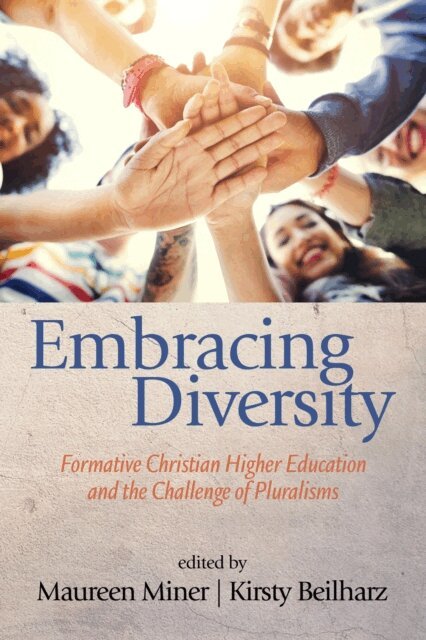
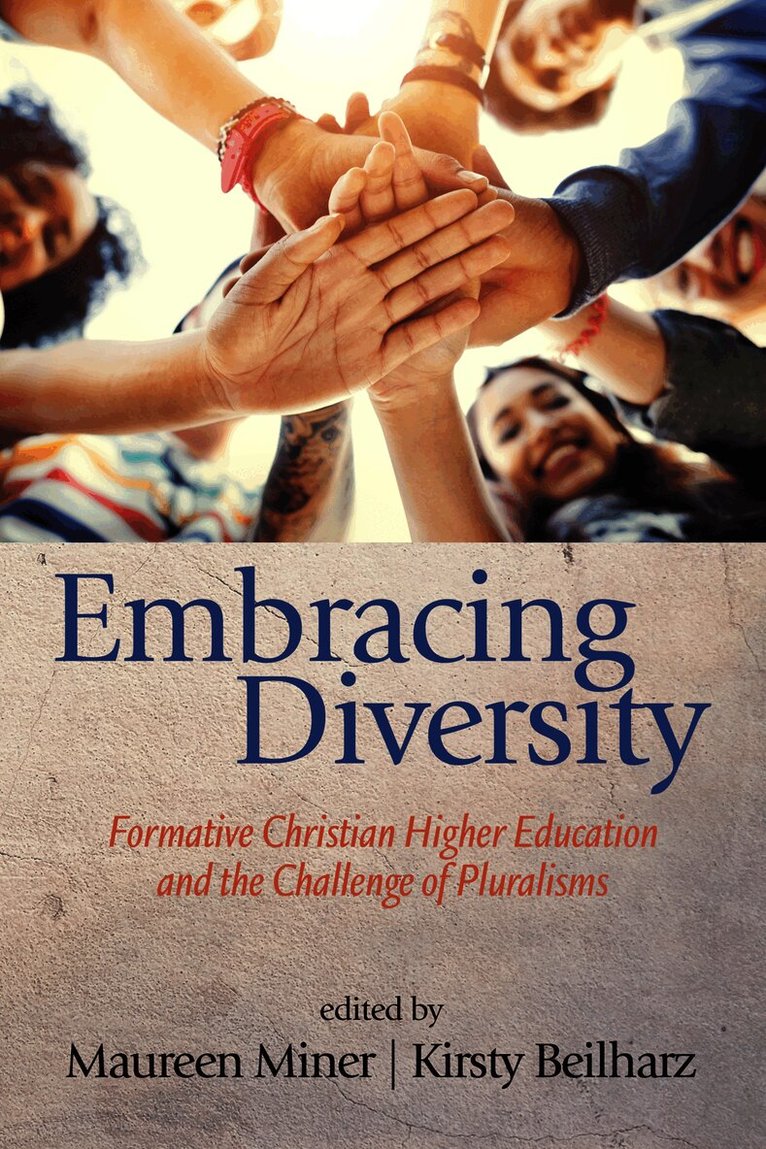
Embracing Diversity
Formative Christian Higher Education and the Challenge of Pluralisms
Häftad, Engelska, 2023
582 kr
Skickas inom 7-10 vardagar
Christian schools and colleges that include spiritual formation and Christian maturity within their mission are facing challenges. The challenge of being a Christian college within a secular society is well-recognized. There are intellectual clashes of secular versus religious worldviews to be negotiated, and clashes of social imaginaries where habitual ways of responding come into conflict. These challenges are difficult enough for staff of a Christian college when most students have a Christian background and there may be a common language and assumptions. Even more difficult are the challenges faced by Christian staff of a Christian college when most students identify with non-Christian religions. What does a college’s mission of forming mature Christians mean when students are largely Muslim, Hindu, Buddhist, Sikh, or other non-Christian faiths? Should staff modify curricula to reduce cognitive clashes? Should teaching practices be changed to reduce the dissonance of different social imaginaries? How can staff draw from Christian values of tolerance and respect to support non-Christian students in their formation of values and ethics while still respecting diversity?This volume draws together the work of scholars and researchers who have pondered the nature, purpose, and means of formation. It offers an analysis of the scope, context, and methods of formation of mature people without denying or downplaying the difficulties of formation. It offers hope that people who are mature in all areas of life, including the spiritual domain, can be formed and urges educators to encompass all domains in their formative work.
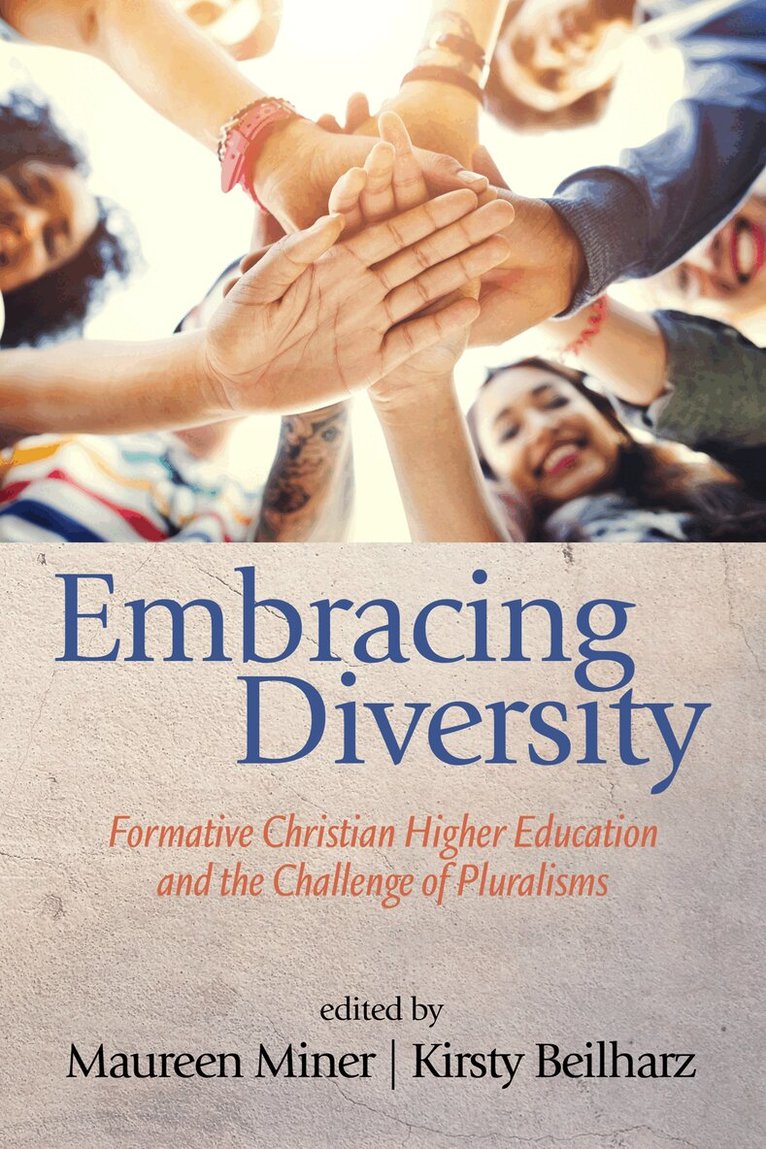
Embracing Diversity
Formative Christian Higher Education and the Challenge of Pluralisms
Inbunden, Engelska, 2023
1 029 kr
Skickas inom 7-10 vardagar
Christian schools and colleges that include spiritual formation and Christian maturity within their mission are facing challenges. The challenge of being a Christian college within a secular society is well-recognized. There are intellectual clashes of secular versus religious worldviews to be negotiated, and clashes of social imaginaries where habitual ways of responding come into conflict. These challenges are difficult enough for staff of a Christian college when most students have a Christian background and there may be a common language and assumptions. Even more difficult are the challenges faced by Christian staff of a Christian college when most students identify with non-Christian religions. What does a college’s mission of forming mature Christians mean when students are largely Muslim, Hindu, Buddhist, Sikh, or other non-Christian faiths? Should staff modify curricula to reduce cognitive clashes? Should teaching practices be changed to reduce the dissonance of different social imaginaries? How can staff draw from Christian values of tolerance and respect to support non-Christian students in their formation of values and ethics while still respecting diversity?This volume draws together the work of scholars and researchers who have pondered the nature, purpose, and means of formation. It offers an analysis of the scope, context, and methods of formation of mature people without denying or downplaying the difficulties of formation. It offers hope that people who are mature in all areas of life, including the spiritual domain, can be formed and urges educators to encompass all domains in their formative work.