Maximilian Kiener – författare
Visar alla böcker från författaren Maximilian Kiener. Handla med fri frakt och snabb leverans.
11 produkter
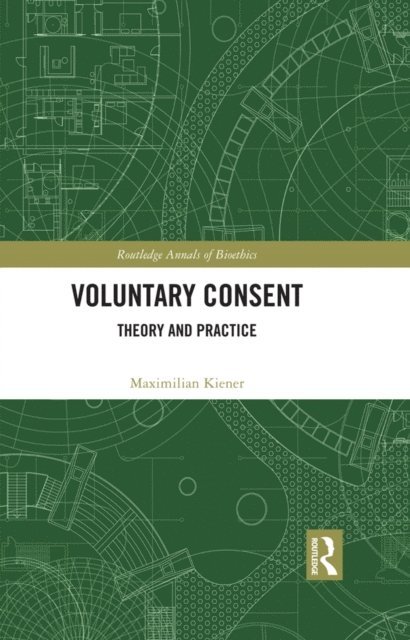
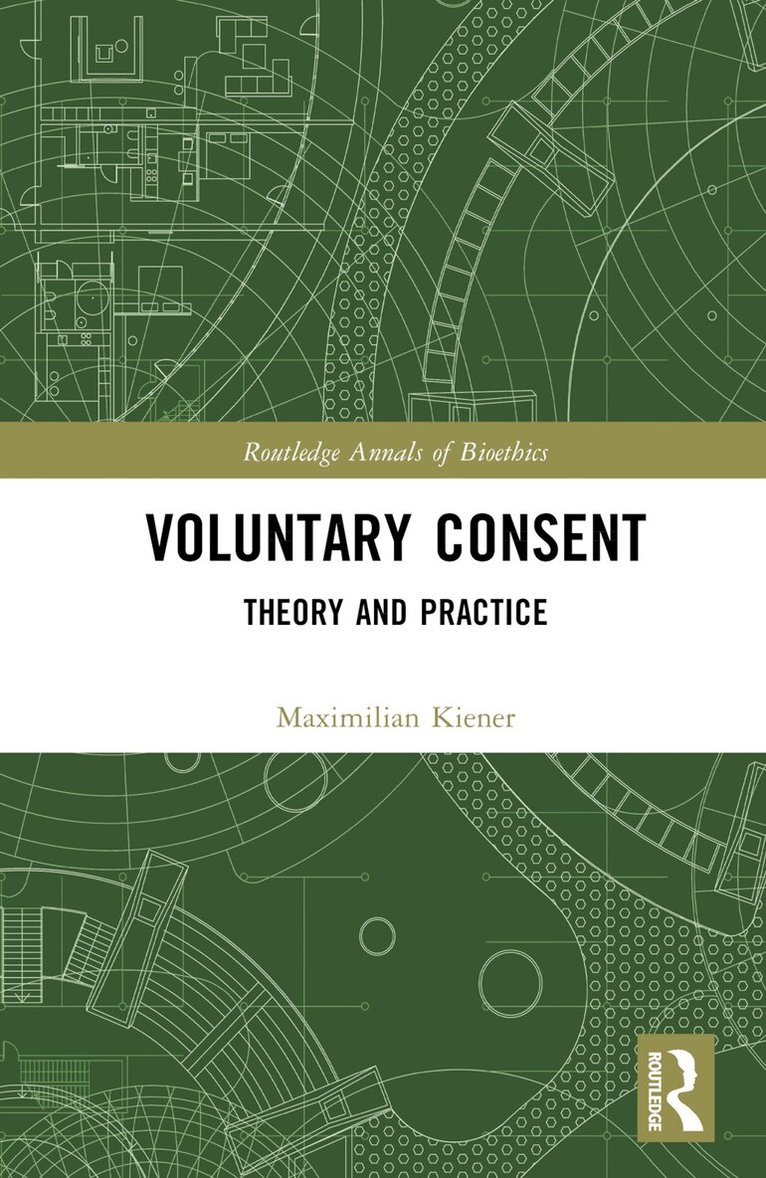
Voluntary Consent
Theory and Practice
E-bok, 2023
762 kr
Lägg i varukorg
Voluntariness is a necessary condition of valid consent. But determining whether a person consented voluntarily can be difficult, especially when people are subjected to coercion or manipulation, placed in a situation with no acceptable alternative other than to consent to something, or find …
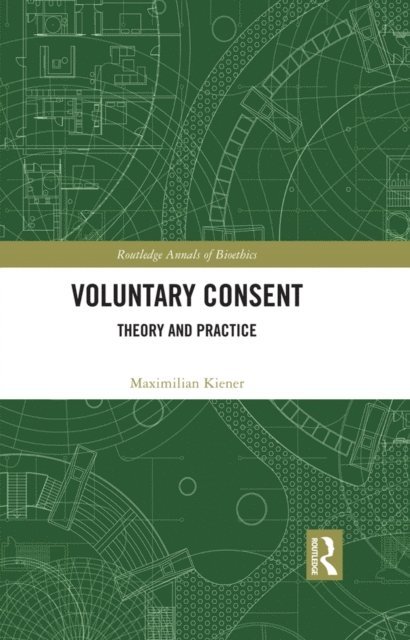
Voluntary Consent
Theory and Practice
E-bok, 2023
738 kr
Lägg i varukorg
Voluntariness is a necessary condition of valid consent. But determining whether a person consented voluntarily can be difficult, especially when people are subjected to coercion or manipulation, placed in a situation with no acceptable alternative other than to consent to something, or find …
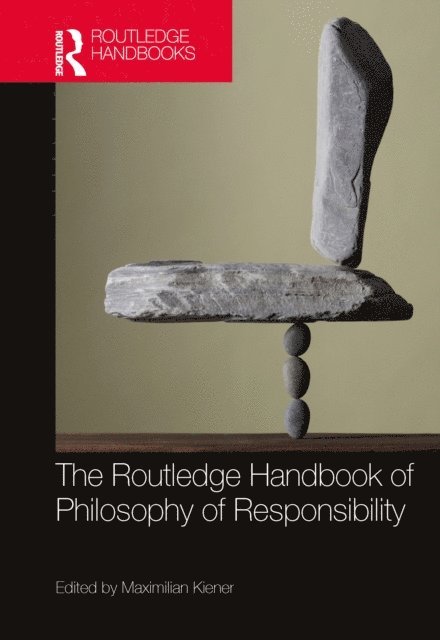
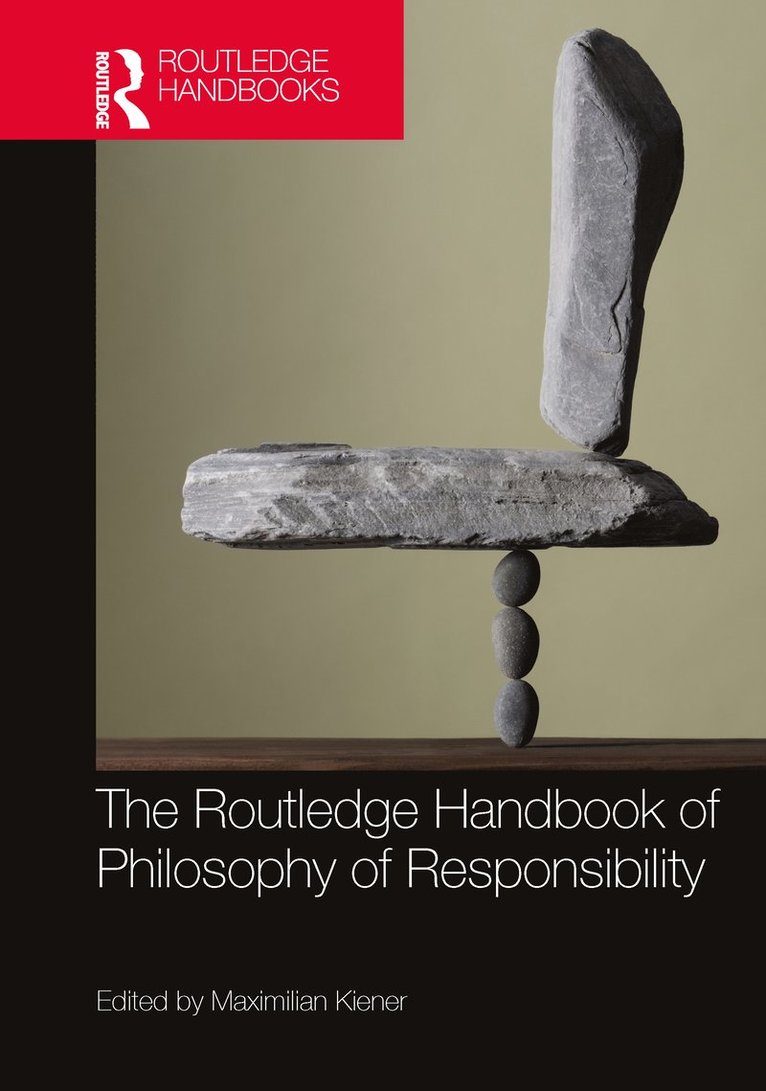
Routledge Handbook of Philosophy of Responsibility
E-bok, 2023
831 kr
Lägg i varukorg
The philosophical inquiry of responsibility is a major and fast-growing field. It not only features questions around free will and moral agency but also addresses various challenges in the social, institutional, and legal contexts in which people are being held responsible. The Routledge Handbook …
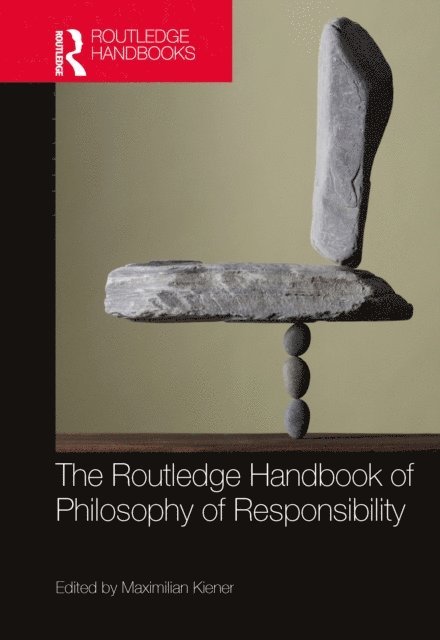
Routledge Handbook of Philosophy of Responsibility
E-bok, 2023
831 kr
Lägg i varukorg
The philosophical inquiry of responsibility is a major and fast-growing field. It not only features questions around free will and moral agency but also addresses various challenges in the social, institutional, and legal contexts in which people are being held responsible. The Routledge Handbook …
Routledge Handbook of Philosophy of Responsibility
Inbunden, 2023
3793 kr
Lägg i varukorg
The philosophical inquiry of responsibility is a major and fast-growing field. It not only features questions around free will and moral agency but also addresses various challenges in the social, institutional, and legal contexts in which people are being held responsible.The Routledge Handbook of …
Routledge Handbook of Philosophy of Responsibility
Häftad, 2025
793 kr
Lägg i varukorg
The philosophical inquiry of responsibility is a major and fast-growing field. It not only features questions around free will and moral agency but also addresses various challenges in the social, institutional, and legal contexts in which people are being held responsible.The Routledge Handbook of …
Voluntary Consent
Theory and Practice
Inbunden, 2023
2133 kr
Lägg i varukorg
Voluntariness is a necessary condition of valid consent. But determining whether a person consented voluntarily can be difficult, especially when people are subjected to coercion or manipulation, placed in a situation with no acceptable alternative other than to consent to something, or find …
Voluntary Consent
Theory and Practice
Häftad, 2024
648 kr
Lägg i varukorg
Voluntariness is a necessary condition of valid consent. But determining whether a person consented voluntarily can be difficult, especially when people are subjected to coercion or manipulation, placed in a situation with no acceptable alternative other than to consent to something, or find …
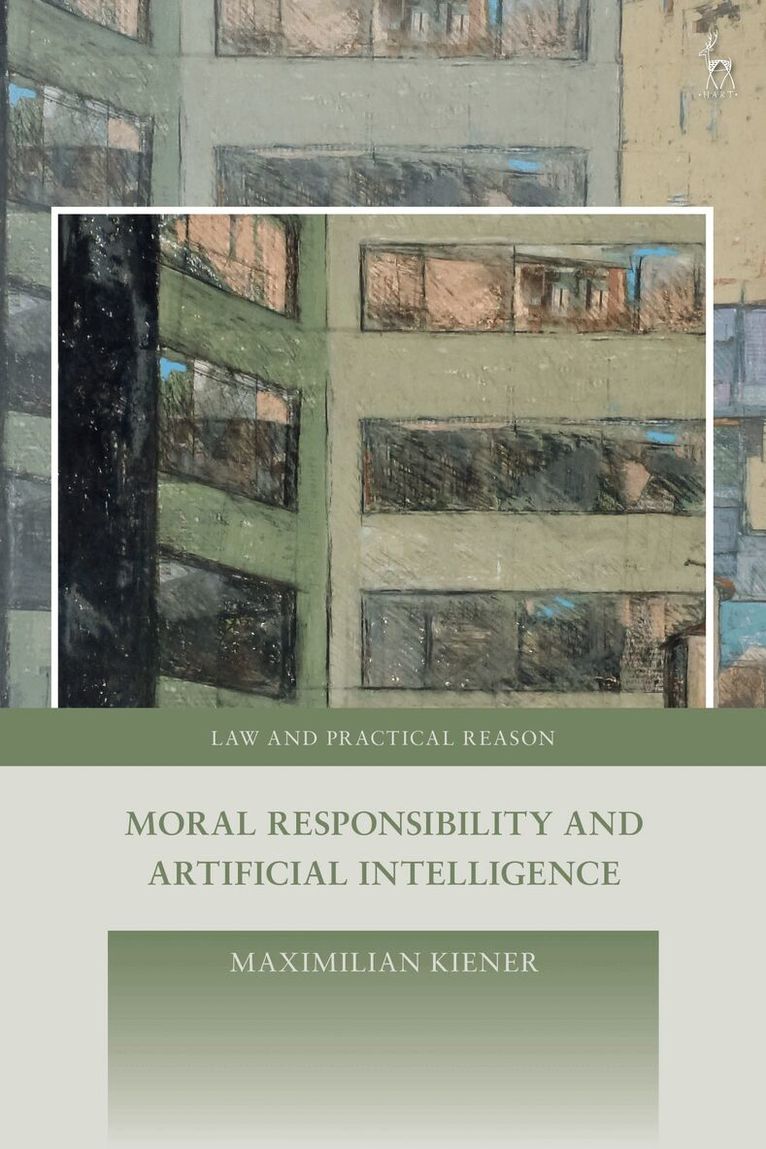
Moral Responsibility and Artificial Intelligence
Av Maximilian Kiener, George Pavlakos
Inbunden, 2025
1283 kr
Lägg i varukorg
This book introduces a novel puzzle, the 'Lorry Driver Paradox', to advance our understanding of moral responsibility beyond current paradigms, to connect moral philosophy and legal scholarship in new ways, and to break new ground in the ethics of AI. Part 1 introduces the Lorry Driver Paradox as a …
Moral Responsibility and Artificial Intelligence
E-bok, 2025
1211 kr
Lägg i varukorg
This book introduces a novel puzzle, the 'Lorry Driver Paradox', to advance our understanding of moral responsibility beyond current paradigms, to connect moral philosophy and legal scholarship in new ways, and to break new ground in the ethics of AI. Part 1 introduces the Lorry Driver Paradox as a …
Moral Responsibility and Artificial Intelligence
E-bok, 2025
1238 kr
Lägg i varukorg
This book introduces a novel puzzle, the 'Lorry Driver Paradox', to advance our understanding of moral responsibility beyond current paradigms, to connect moral philosophy and legal scholarship in new ways, and to break new ground in the ethics of AI. Part 1 introduces the Lorry Driver Paradox as a …