Maya Vinokour - Böcker
Visar alla böcker från författaren Maya Vinokour. Handla med fri frakt och snabb leverans.
8 produkter
8 produkter
913 kr
Skickas inom 7-10 vardagar
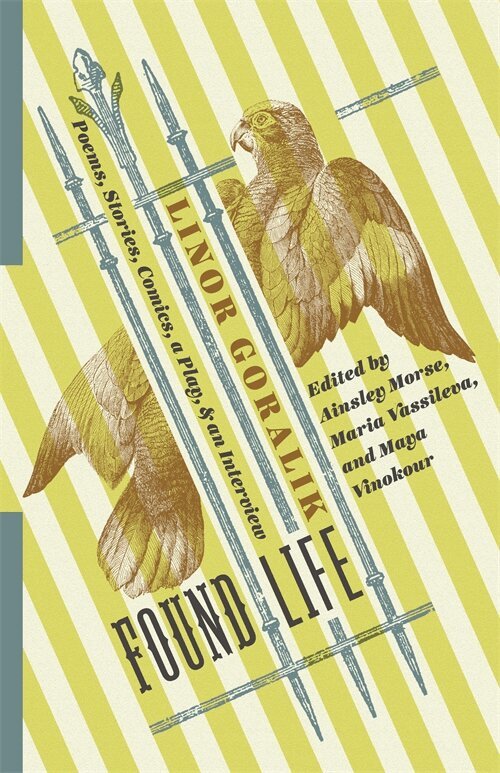
One of the first Russian writers to make a name for herself on the Internet, Linor Goralik writes conversational short works that conjure the absurd in all its forms, reflecting post-Soviet life and daily universals. Her mastery of the minimal, including a wide range of experiments in different forms of micro-prose, is on full display in this collection of poems, stories, comics, a play, and an interview, here translated for the first time. In Found Life, speech, condensed to the extreme, captures a vivid picture of fleeting interactions in a quickly moving world. Goralik's works evoke an unconventional palette of moods and atmospheres-slight doubt, subtle sadness, vague unease-through accumulation of unexpected details and command over colloquial language. While calling up a range of voices, her works are marked by a distinct voice, simultaneously slightly naive and deeply ironic. She is a keen observer of the female condition, recounting gendered tribulations with awareness and amusement. From spiritual rabbits and biblical zoos to poems about loss and comics about poetry, Goralik's colorful language and pervasive dark comedy capture the heights of absurdity and depths of grief.
234 kr
Skickas inom 7-10 vardagar
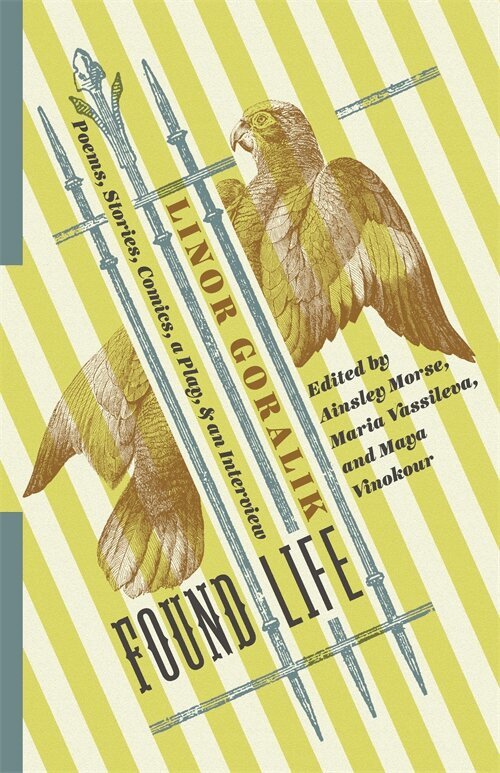
One of the first Russian writers to make a name for herself on the Internet, Linor Goralik writes conversational short works that conjure the absurd in all its forms, reflecting post-Soviet life and daily universals. Her mastery of the minimal, including a wide range of experiments in different forms of micro-prose, is on full display in this collection of poems, stories, comics, a play, and an interview, here translated for the first time. In Found Life, speech, condensed to the extreme, captures a vivid picture of fleeting interactions in a quickly moving world. Goralik's works evoke an unconventional palette of moods and atmospheres-slight doubt, subtle sadness, vague unease-through accumulation of unexpected details and command over colloquial language. While calling up a range of voices, her works are marked by a distinct voice, simultaneously slightly naive and deeply ironic. She is a keen observer of the female condition, recounting gendered tribulations with awareness and amusement. From spiritual rabbits and biblical zoos to poems about loss and comics about poetry, Goralik's colorful language and pervasive dark comedy capture the heights of absurdity and depths of grief.
775 kr
Skickas inom 10-15 vardagar
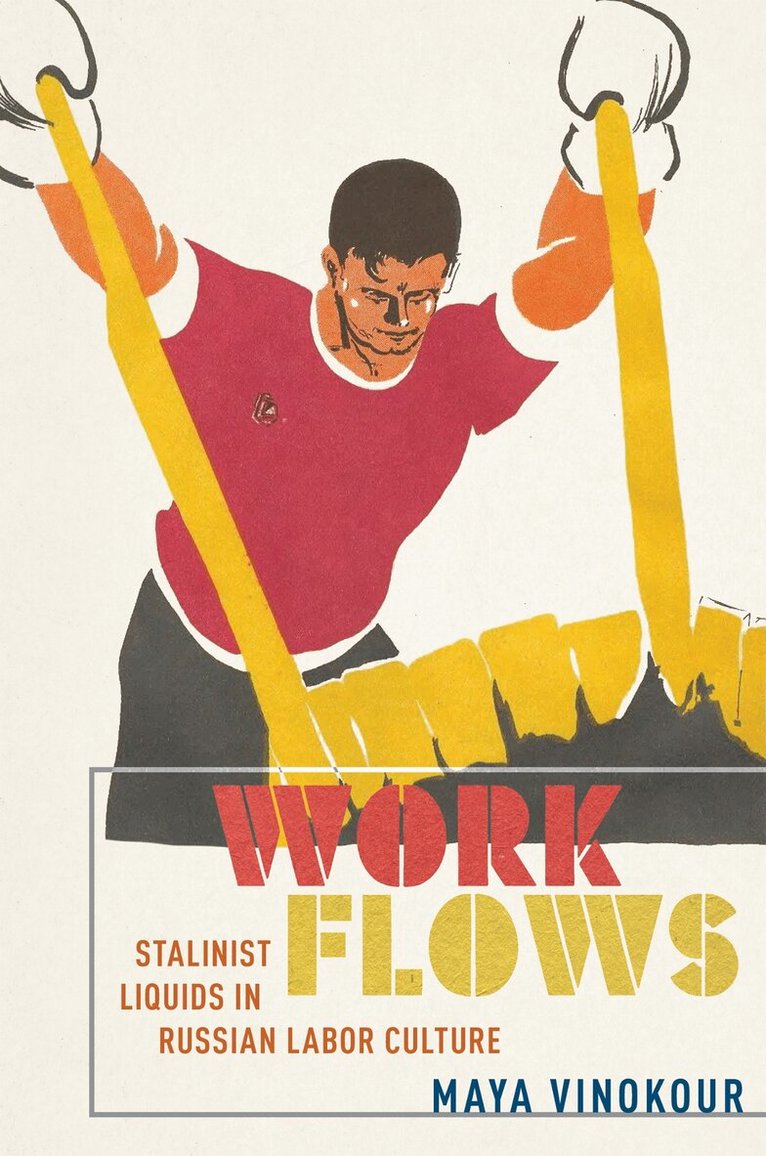
Work Flows investigates the emergence of "flow" as a crucial metaphor within Russian labor culture since 1870. Maya Vinokour frames concern with fluid channeling as immanent to vertical power structures—whether that verticality derives from the state, as in Stalin's Soviet Union and present-day Russia, or from the proliferation of corporate monopolies, as in the contemporary Anglo-American West. Originating in pre-revolutionary bio-utopianism, the Russian rhetoric of liquids and flow reached an apotheosis during Stalin's First Five-Year Plan and re-emerged in post-Soviet "managed democracy" and Western neoliberalism.The literary, philosophical, and official texts that Work Flows examines give voice to the Stalinist ambition of reforging not merely individual bodies, but space and time themselves. By mobilizing the understudied thematic of fluidity, Vinokour offers insight into the nexus of philosophy, literature, and science that underpinned Stalinism and remains influential today. Work Flows demonstrates that Stalinism is not a historical phenomenon restricted to the period 1922-1953, but a symptom of modernity as it emerged in the twentieth century. Stalinism's legacy extends far beyond the bounds of the former Soviet Union, emerging in seemingly disparate settings like post-Soviet Russia and Silicon Valley.
1 613 kr
Skickas inom 10-15 vardagar
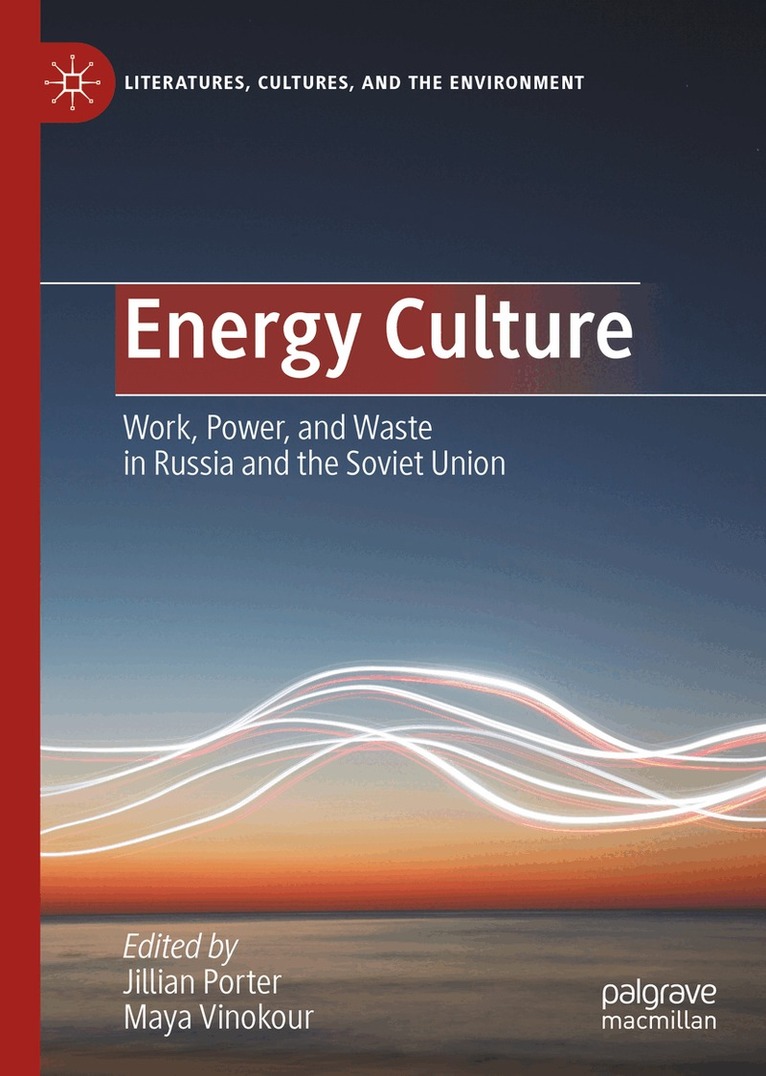
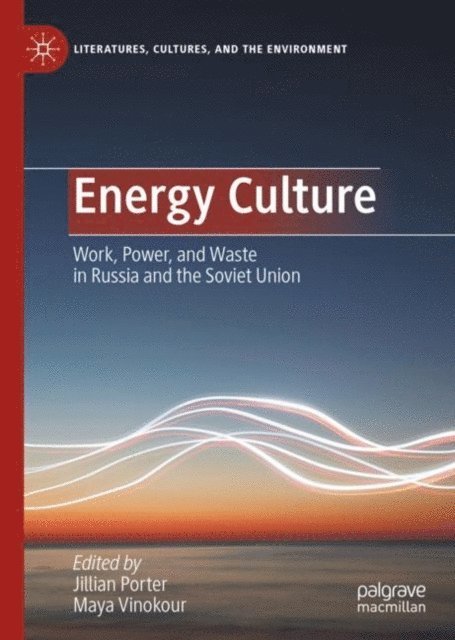
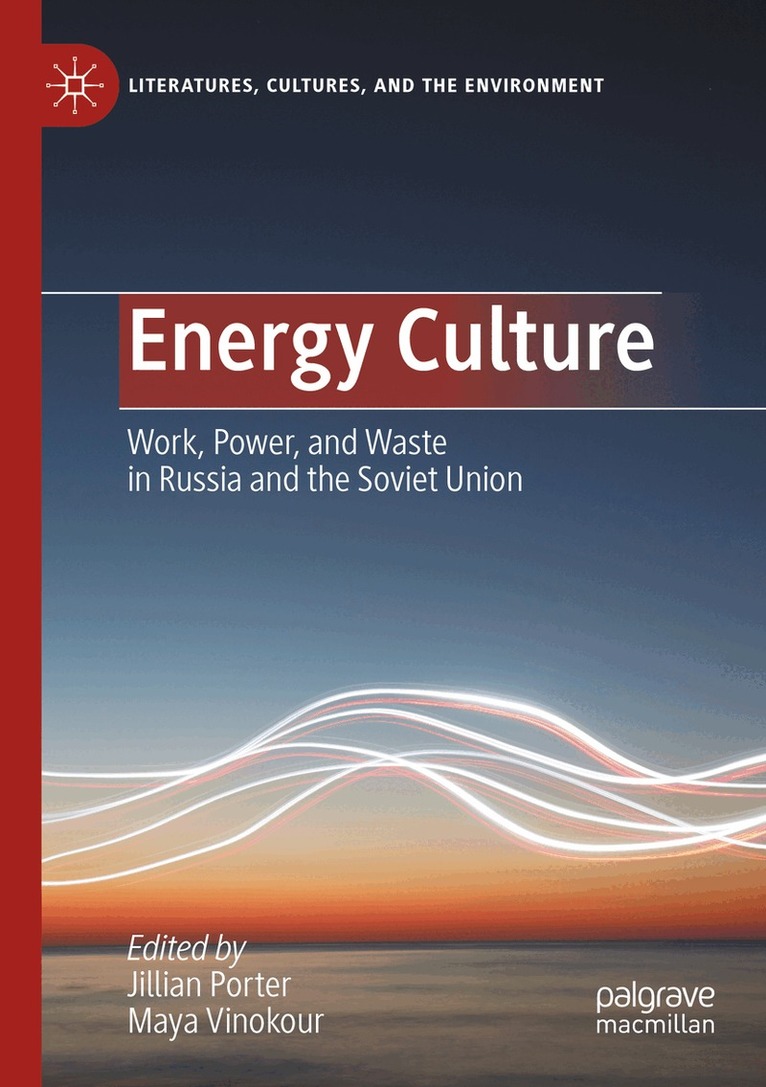
This volume investigates energy as a shaping force in Russian and Soviet literature, visual culture, and social practice. The cultural dimension of Russia’s efforts at energy dominance deserves increased scholarly attention not only in its own right, but also because it directly affects global energy policy.
695 kr
Skickas inom 5-8 vardagar
1 613 kr
Skickas inom 10-15 vardagar
This volume investigates energy as a shaping force in Russian and Soviet literature, visual culture, and social practice. The cultural dimension of Russia’s efforts at energy dominance deserves increased scholarly attention not only in its own right, but also because it directly affects global energy policy.
248 kr
Skickas inom 7-10 vardagar
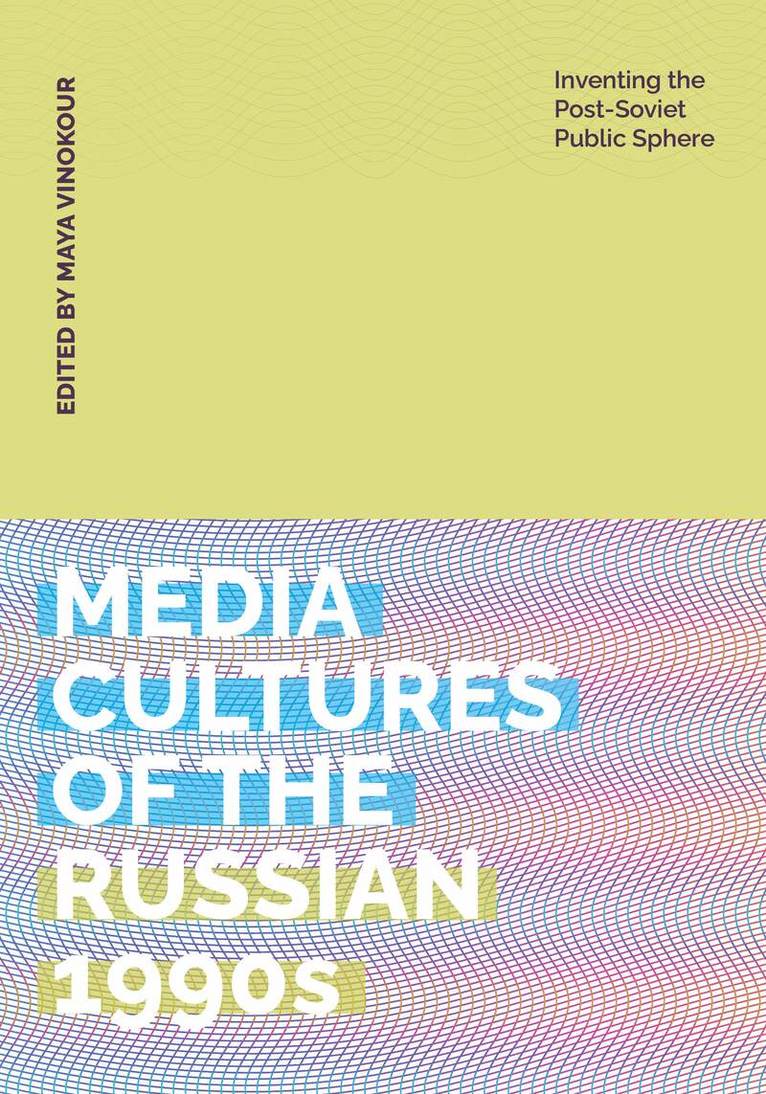
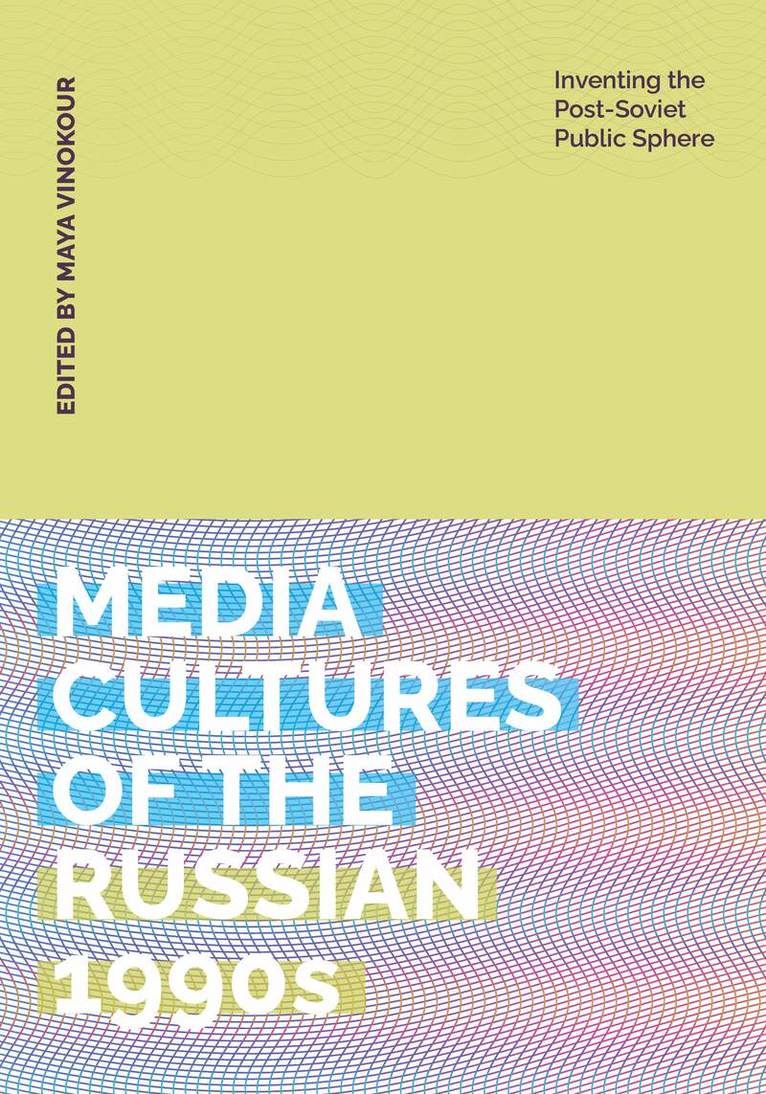
Examining Russian-language media from the “long 1990s”—the period beginning with Mikhail Gorbachev’s policy of glasnost (“openness”) and ending with the election of President Vladimir Putin—Media Cultures of the Russian 1990s shows how post-Soviet civil society emerged simultaneously with the explosion of new media, especially a newly liberated television and internet. A brief and contested period of media independence ensued as explosive creativity collided with rank commercialism, journalistic integrity with burgeoning political ambitions, and fringe with mainstream. By the late 1990s, however, the media landscape had succumbed to economic and political exploitation. The causes and nature of this shift, which set the stage for Putin’s crackdown on independent media after 2000—as well as Russia’s slide into aggressive authoritarianism—are embedded in the era’s media artifacts.Written by an interdisciplinary group of experts, this edited collection addresses the mutual influence among disparate spheres of public life that enabled the media “Wild West” of the first post-Soviet decade. As a joint platform, the volume and the associated Multimedia Sourcebook of the Russian 1990s present the decade’s media cultures in a manner that reflects their historical interconnectedness and relationship to the global present. Edited by Maya Vinokour with contributions from Bradley Gorski, Courtney Doucette, Fabrizio Fenghi, Rita Safariants, Daniil Leiderman, Thomas Keenan, and Pavel Khazanov.
978 kr
Skickas inom 7-10 vardagar
Examining Russian-language media from the “long 1990s”—the period beginning with Mikhail Gorbachev’s policy of glasnost (“openness”) and ending with the election of President Vladimir Putin—Media Cultures of the Russian 1990s shows how post-Soviet civil society emerged simultaneously with the explosion of new media, especially a newly liberated television and internet. A brief and contested period of media independence ensued as explosive creativity collided with rank commercialism, journalistic integrity with burgeoning political ambitions, and fringe with mainstream. By the late 1990s, however, the media landscape had succumbed to economic and political exploitation. The causes and nature of this shift, which set the stage for Putin’s crackdown on independent media after 2000—as well as Russia’s slide into aggressive authoritarianism—are embedded in the era’s media artifacts.Written by an interdisciplinary group of experts, this edited collection addresses the mutual influence among disparate spheres of public life that enabled the media “Wild West” of the first post-Soviet decade. As a joint platform, the volume and the associated Multimedia Sourcebook of the Russian 1990s present the decade’s media cultures in a manner that reflects their historical interconnectedness and relationship to the global present. Edited by Maya Vinokour with contributions from Bradley Gorski, Courtney Doucette, Fabrizio Fenghi, Rita Safariants, Daniil Leiderman, Thomas Keenan, and Pavel Khazanov.