Mbaye Lo – författare
Visar alla böcker från författaren Mbaye Lo. Handla med fri frakt och snabb leverans.
12 produkter
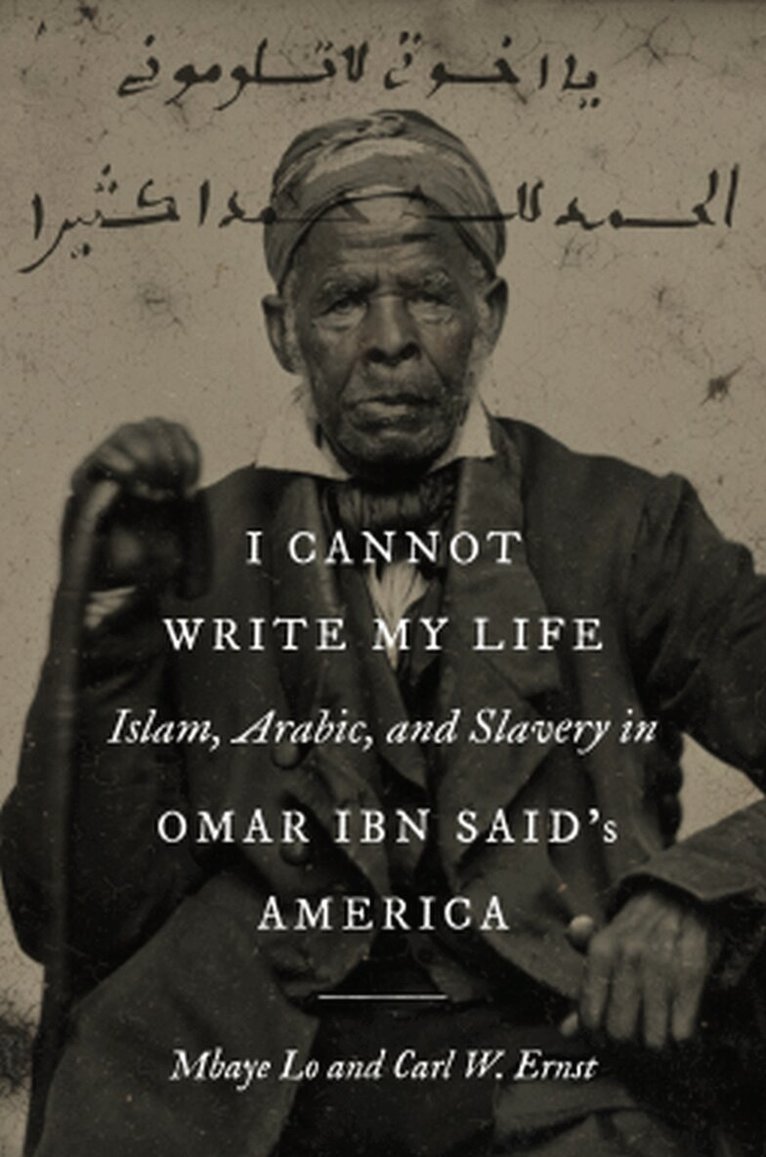
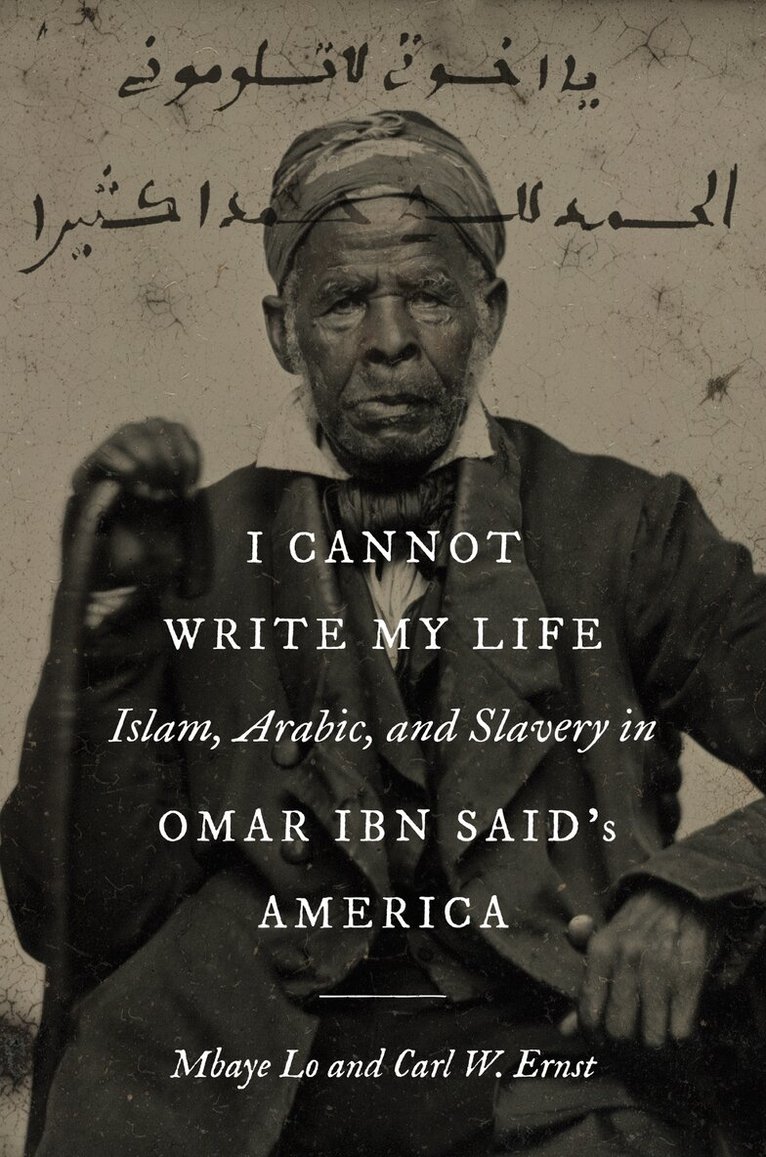
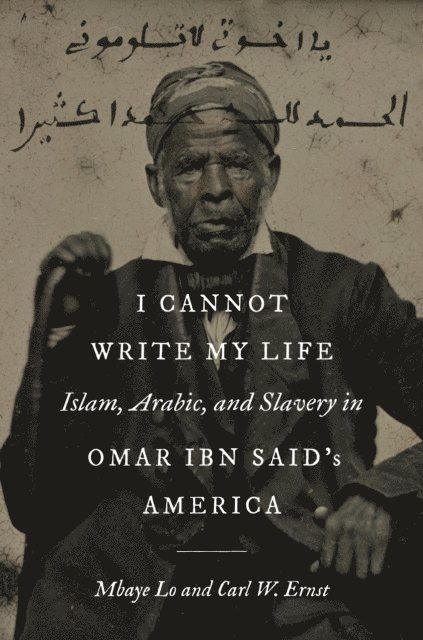
I Cannot Write My Life
Islam, Arabic, and Slavery in Omar Ibn Said's America
Häftad, 2023
290 kr
Lägg i varukorg
Omar ibn Said (1770–1863) was a Muslim scholar from West Africa who spent more than fifty years enslaved in the North Carolina household of James Owen, brother of Governor John Owen. In 1831 Omar composed a brief autobiography, the only known narrative written in Arabic by an enslaved person in …
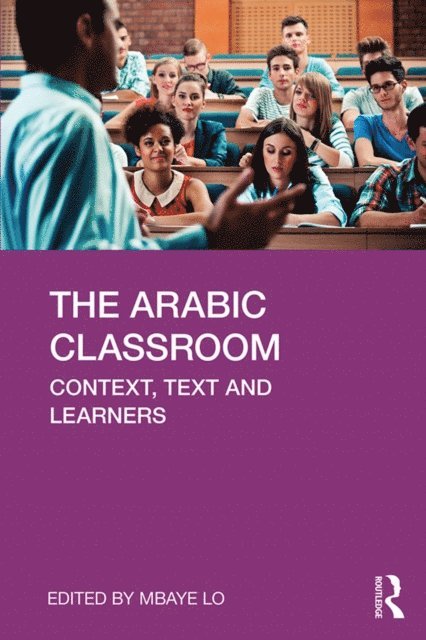
Arabic Classroom
Context, Text and Learners
Av Mbaye Lo
E-bok, 2019
892 kr
Lägg i varukorg
The Arabic Classroom is a multicontributor work for trainee and in-service teachers of Arabic as a foreign language. Collected here is recent scholarly work, and also critical writing from Arabic instructors, Arabists and language experts, to examine the status of the teaching and learning of …
Arabic Classroom
Context, Text and Learners
Av Mbaye Lo
E-bok, 2019
873 kr
Lägg i varukorg
The Arabic Classroom is a multicontributor work for trainee and in-service teachers of Arabic as a foreign language. Collected here is recent scholarly work, and also critical writing from Arabic instructors, Arabists and language experts, to examine the status of the teaching and learning of …
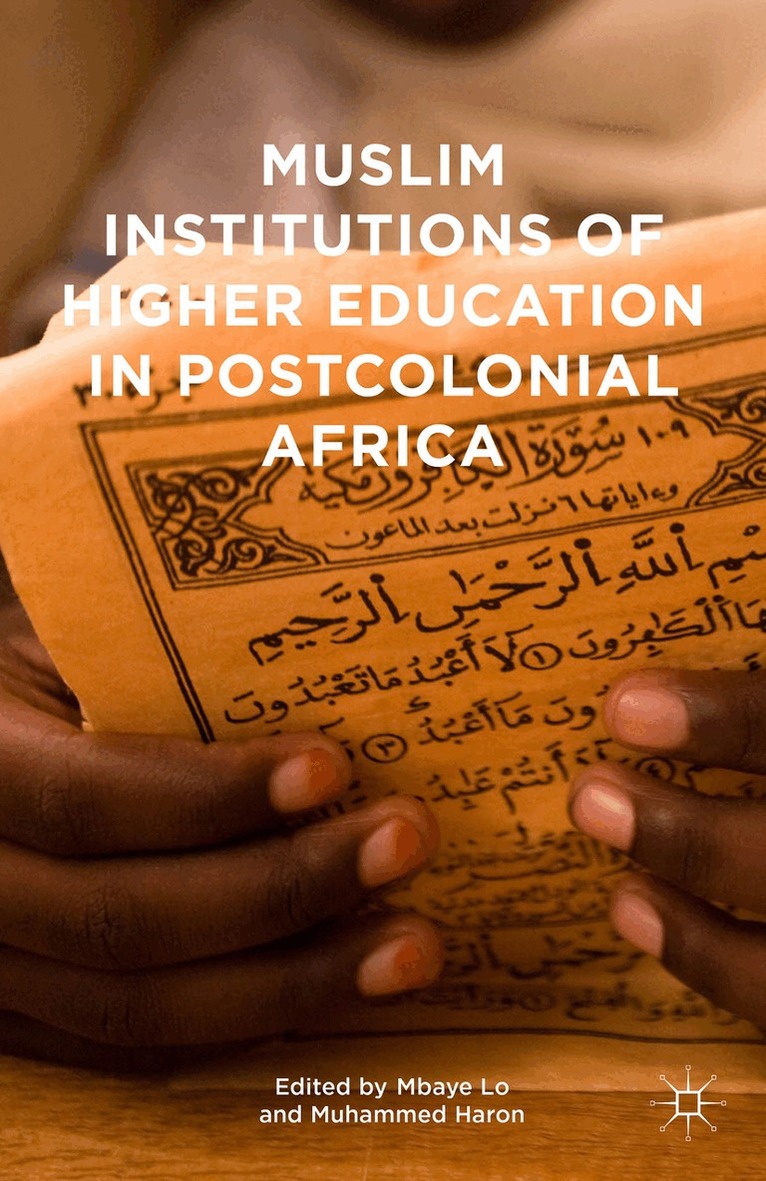
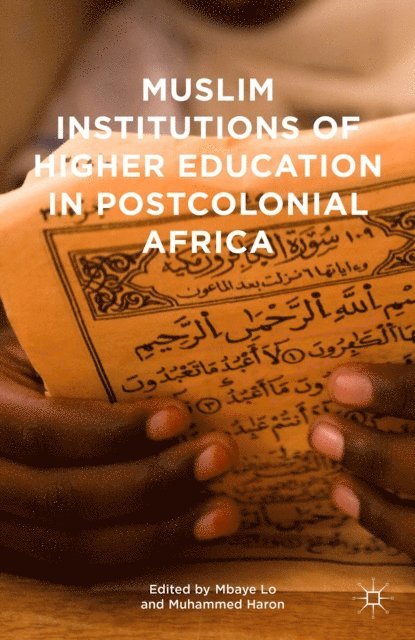
Muslim Institutions of Higher Education in Postcolonial Africa
Inbunden, 2015
1101 kr
Lägg i varukorg
Muslim Institutions of Higher Education in Postcolonial Africa examines the colonial discriminatory practices against Muslim education through control and dismissal and discusses the education reform movement of the post-colonial experience.
Muslim Institutions of Higher Education in Postcolonial Africa
E-bok, 2016
1550 kr
Lägg i varukorg
Muslim Institutions of Higher Education in Postcolonial Africa examines the colonial discriminatory practices against Muslim education through control and dismissal and discusses the education reform movement of the post-colonial experience.
Arabic Classroom
Context, Text and Learners
Av Mbaye Lo
Inbunden, 2019
2453 kr
Lägg i varukorg
The Arabic Classroom is a multicontributor work for trainee and in-service teachers of Arabic as a foreign language. Collected here is recent scholarly work, and also critical writing from Arabic instructors, Arabists and language experts, to examine the status of the teaching and learning of …
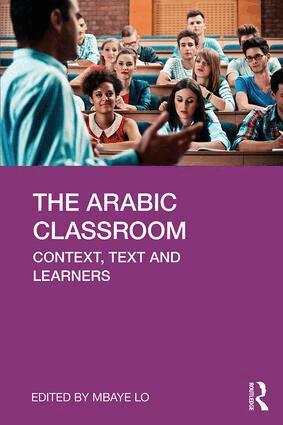
Arabic Classroom
Context, Text and Learners
Av Mbaye Lo
Häftad, 2019
718 kr
Lägg i varukorg
The Arabic Classroom is a multicontributor work for trainee and in-service teachers of Arabic as a foreign language. Collected here is recent scholarly work, and also critical writing from Arabic instructors, Arabists and language experts, to examine the status of the teaching and learning of …
I Cannot Write My Life
Islam, Arabic, and Slavery in Omar Ibn Said's America
Inbunden, 2023
1198 kr
Lägg i varukorg
Omar ibn Said (1770–1863) was a Muslim scholar from West Africa who spent more than fifty years enslaved in the North Carolina household of James Owen, brother of Governor John Owen. In 1831 Omar composed a brief autobiography, the only known narrative written in Arabic by an enslaved person in …
I Cannot Write My Life
Islam, Arabic, and Slavery in Omar ibn Said''s America
E-bok, 2023
2096 kr
Lägg i varukorg
Omar ibn Said (1770–1863) was a Muslim scholar from West Africa who spent more than fifty years enslaved in the North Carolina household of James Owen, brother of Governor John Owen. In 1831 Omar composed a brief autobiography, the only known narrative written in Arabic by an enslaved person in …
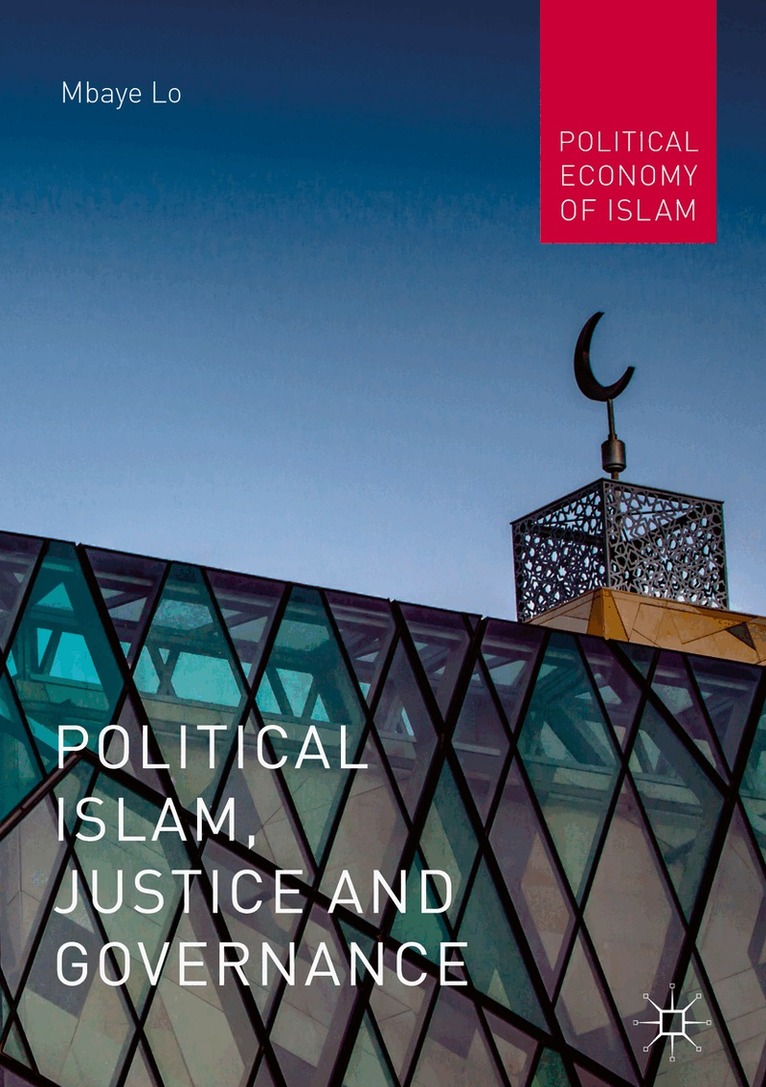
Political Islam, Justice and Governance
Av Mbaye Lo
Inbunden, 2018
993 kr
Lägg i varukorg
This book argues that political Islam (represented by its moderate and militant forms) has failed to govern effectively or successfully due to its inability to reconcile its discursive understanding of Islam, centered on literal justice, with the dominant neo-liberal value of freedom. Consequently, …
Political Islam, Justice and Governance
Av Mbaye Lo
E-bok, 2018
1296 kr
Lägg i varukorg
This book argues that political Islam (represented by its moderate and militant forms) has failed to govern effectively or successfully due to its inability to reconcile its discursive understanding of Islam, centered on literal justice, with the dominant neo-liberal value of freedom. Consequently, …
I Cannot Write My Life
Islam, Arabic, and Slavery in Omar ibn Said''s America
E-bok, 2023
2165 kr
Lägg i varukorg
Omar ibn Said (1770–1863) was a Muslim scholar from West Africa who spent more than fifty years enslaved in the North Carolina household of James Owen, brother of Governor John Owen. In 1831 Omar composed a brief autobiography, the only known narrative written in Arabic by an enslaved person in …