Megan DeVirgilis - Böcker
Visar alla böcker från författaren Megan DeVirgilis. Handla med fri frakt och snabb leverans.
2 produkter
2 produkter
1 411 kr
Kommande
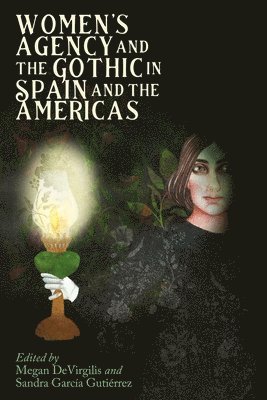
This volume offers a unique transnational and transhistorical exploration of the relationship between women and the Gothic in Spain and the Americas. By examining how women writers have reimagined Gothic conventions, the book delves into the intersection of gender, culture, and fear. It highlights how themes such as domestic abuse, alienation, and death have been transformed over time, with particular attention to feminist perspectives and shifting degrees of agency. Contributors analyse a diverse range of authors, from the 19th century to the present, revealing how women’s Gothic narratives challenge societal norms and offer new possibilities for empowerment. Exploring historical, ecological, and cultural concerns, this volume is an essential resource for anyone interested in the evolving role of women in the Gothic.
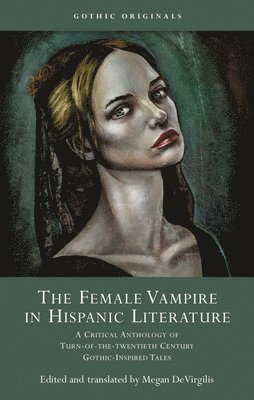
Female Vampire in Hispanic Literature
A Critical Anthology of Turn-of-the-Twentieth Century Gothic-Inspired Tales
Inbunden, Engelska, 2024
1 169 kr
Skickas inom 5-8 vardagar
This book exposes how turn-of-the-twentieth-century Hispanic authors broke from European and American Gothic models to contend with their own anxieties over modernity and rising first-wave feminisms. The result was a trend of sympathetic female vampires, predating comparable Anglo and European representations by several decades. In its analysis of the female vampire in Hispanic literature, the critical introduction also traces the Gothic’s origins and developments in Latin America and Spain, presenting a working theory of Gothic traditions in the form of a transhispanic literary phenomenon. The tales compiled in the collection include Leopoldo Lugones’s ‘The Female Vampire’ (1899), Clemente Palma’s ‘The White Farmhouse’ (1904), Antonio de Hoyos y Vinent’s ‘Mr. Cadaver and Miss Vampire’ (1910), Carmen de Burgos’s The Cold Woman (1922), and Horacio Quiroga’s ‘The Vampire’ (1927). Only two of these tales have been previously been translated into English, and each appears here for the first time with scholarly annotations and accompanying analysis.