Mehdi Belhaj Kacem – författare
Visar alla böcker från författaren Mehdi Belhaj Kacem. Handla med fri frakt och snabb leverans.
9 produkter
9 produkter
Häftad, Engelska, 2017
374 kr
Skickas inom 10-15 vardagar
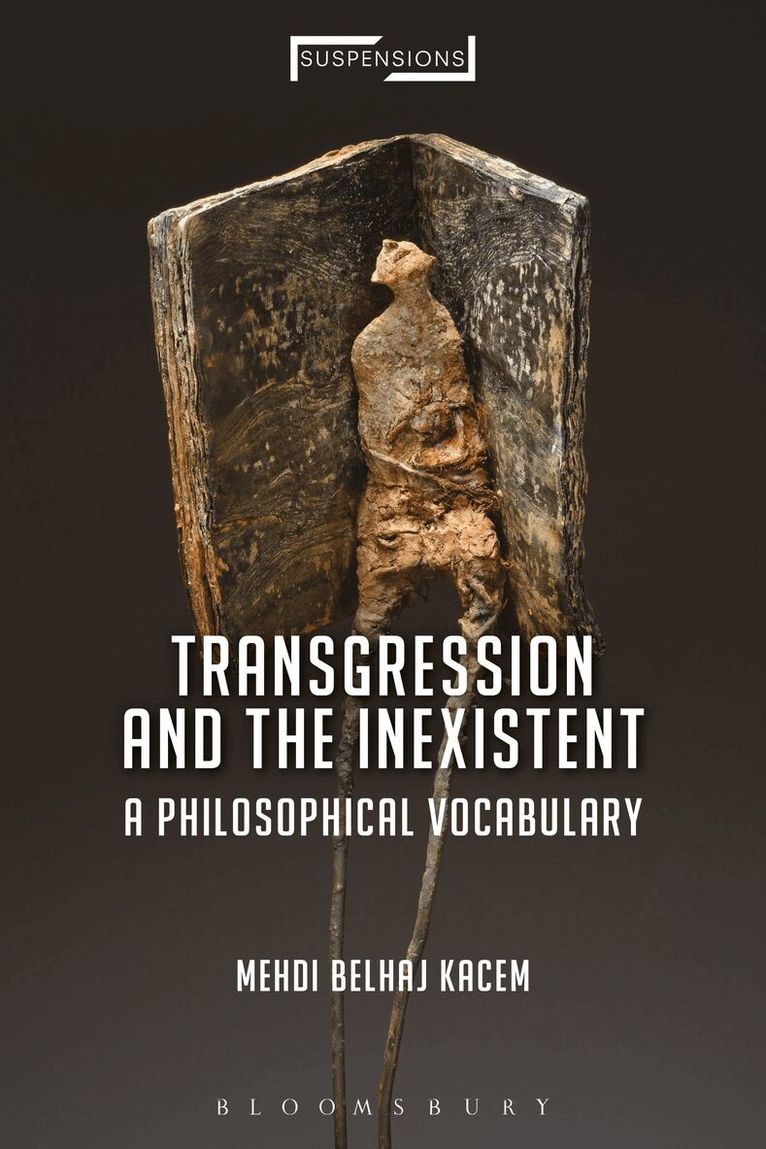
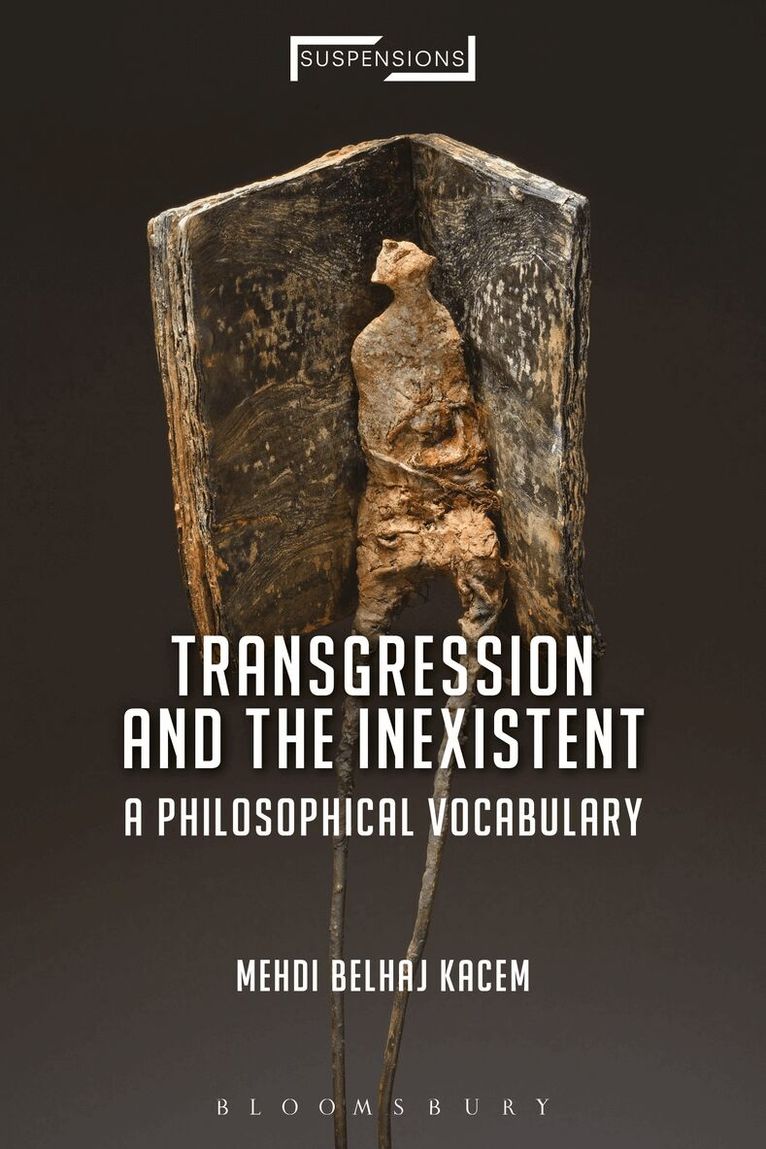
A contemporary philosopher of Tunisian origin, Mehdi Belhaj Kacem is here published in English for the first time. His new book, Transgression and the Inexistent: A Philosophical Vocabulary, is a comprehensive foray into Kacem's elaborate philosophical system in twenty-seven discreet chapters, each dedicated to a single concept. In each chapter, he explicates a critical re-thinking of ordinary lived experiences - such as desire, irony, play - or traditional philosophical ideas – such as catharsis, mimesis, techne – in light of 'the spirit of nihilism' that marks the contemporary human condition. Kacem gained notoriety in the domain of critical theory amid his controversial break with his mentor and leading contemporary philosopher, Alain Badiou. Transgression and the Inexistent lays out the essential concepts of his philosophical system: it is the most complete and synthetic book of his philosophical work, as well as being one of the most provocative in its claims. As a Francophone author engaging with contemporary world thought, he is able to develop novel philosophical perspectives that reach beyond the Middle East or the Continental, and the East/West binary. This is the book's first publication in any language, constituting a much-awaited first translation of Kacem into English.
E-bok
PDF, Engelska, 2014394 kr
Läs direkt efter köp
A contemporary philosopher of Tunisian origin, Mehdi Belhaj Kacem is here published in English for the first time. His new book, Transgression and the Inexistent: A Philosophical Vocabulary, is a comprehensive foray into Kacem''s elaborate philosophical system in twenty-seven discreet chapters, each dedicated to a single concept. In each chapter, he explicates a critical re-thinking of ordinary lived experiences - such as desire, irony, play - or traditional philosophical ideas – such as catharsis, mimesis, techne – in light of ''the spirit of nihilism'' that marks the contemporary human condition. Kacem gained notoriety in the domain of critical theory amid his controversial break with his mentor and leading contemporary philosopher, Alain Badiou. Transgression and the Inexistent lays out the essential concepts of his philosophical system: it is the most complete and synthetic book of his philosophical work, as well as being one of the most provocative in its claims. As a Francophone author engaging with contemporary world thought, he is able to develop novel philosophical perspectives that reach beyond the Middle East or the Continental, and the East/West binary. This is the book''s first publication in any language, constituting a much-awaited first translation of Kacem into English.
E-bok
Engelska, 2014394 kr
Läs direkt efter köp
A contemporary philosopher of Tunisian origin, Mehdi Belhaj Kacem is here published in English for the first time. His new book, Transgression and the Inexistent: A Philosophical Vocabulary, is a comprehensive foray into Kacem''s elaborate philosophical system in twenty-seven discreet chapters, each dedicated to a single concept. In each chapter, he explicates a critical re-thinking of ordinary lived experiences - such as desire, irony, play - or traditional philosophical ideas – such as catharsis, mimesis, techne – in light of ''the spirit of nihilism'' that marks the contemporary human condition. Kacem gained notoriety in the domain of critical theory amid his controversial break with his mentor and leading contemporary philosopher, Alain Badiou. Transgression and the Inexistent lays out the essential concepts of his philosophical system: it is the most complete and synthetic book of his philosophical work, as well as being one of the most provocative in its claims. As a Francophone author engaging with contemporary world thought, he is able to develop novel philosophical perspectives that reach beyond the Middle East or the Continental, and the East/West binary. This is the book''s first publication in any language, constituting a much-awaited first translation of Kacem into English.
Inbunden, Engelska, 2014
1 913 kr
Skickas inom 10-15 vardagar
A contemporary philosopher of Tunisian origin, Mehdi Belhaj Kacem is here published in English for the first time. His new book, Transgression and the Inexistent: A Philosophical Vocabulary, is a comprehensive foray into Kacem's elaborate philosophical system in twenty-seven discreet chapters, each dedicated to a single concept. In each chapter, he explicates a critical re-thinking of ordinary lived experiences - such as desire, irony, play - or traditional philosophical ideas – such as catharsis, mimesis, techne – in light of 'the spirit of nihilism' that marks the contemporary human condition. Kacem gained notoriety in the domain of critical theory amid his controversial break with his mentor and leading contemporary philosopher, Alain Badiou. Transgression and the Inexistent lays out the essential concepts of his philosophical system: it is the most complete and synthetic book of his philosophical work, as well as being one of the most provocative in its claims. As a Francophone author engaging with contemporary world thought, he is able to develop novel philosophical perspectives that reach beyond the Middle East or the Continental, and the East/West binary. This is the book's first publication in any language, constituting a much-awaited first translation of Kacem into English.
Häftad, Franska, 2019
312 kr
Skickas inom 3-6 vardagar
Häftad, Franska, 2019
513 kr
Skickas inom 3-6 vardagar
Häftad, Engelska, 2020
418 kr
Skickas inom 11-20 vardagar
Häftad, Engelska, 2020
351 kr
Skickas inom 11-20 vardagar
E-bok
Tyska, 201768 kr
Läs direkt efter köp
Warum schreiben? Warum lesen? In seinem emphatischen Plädoyer für eine gefährliche Literatur verweist der französische Philosoph Mehdi Belhaj Kacem auf den Zusammenhang von Kunst und Schmerz. Auf der Suche nach einer Antwort auf die Frage nach dem Sinn von Literatur besinnt er sich auf Rousseau, Hölderlin, Artaud, Pierre Michon und das Wagnis, das sie eingehen. Sie kennen keine Trennung von Leben und Werk und setzen sich bedingungslos den Abgründen der Suche nach dem Bösen – vielleicht die eigentliche Frage der Literatur – aus. Kacem erinnert uns daran, dass jede echte Literatur gefährlich ist – für die, die sie schreiben, wie für die, die sie lesen.