Melehat Kutun - Böcker
Visar alla böcker från författaren Melehat Kutun. Handla med fri frakt och snabb leverans.
7 produkter
7 produkter
2 113 kr
Skickas inom 10-15 vardagar
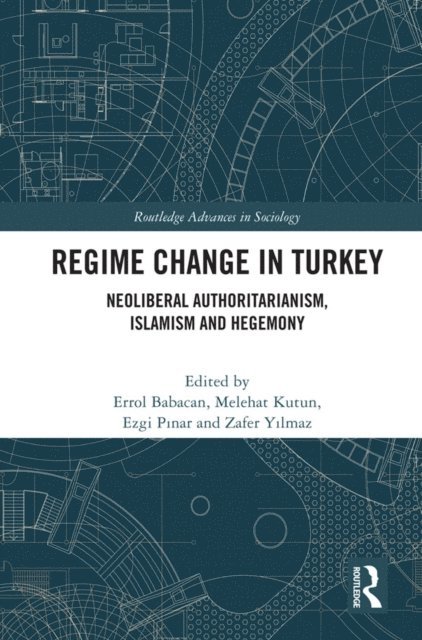
Turkey’s new presidential regime, promoted and shaped by the Justice and Development Party (AKP), has become a global template for rising authoritarianism. Its violence intensifi es the exigency for critical analysis. By focusing on neoliberal authoritarian, hegemonic and Islamist aspects, this book sheds light on long- term dynamics that resulted in the regime transformation. It presents a comprehensive study at a time when rising authoritarianism challenges liberal democracies on a global scale.Reaching from critical political economy and state theory to media, gender and cultural studies, this volume covers a range of studies that transcend disciplinary boundaries. These essays challenge the narrative of an "authoritarian turn" that splits the AKP era into democratic and authoritarian periods. Hence, recent transformation is analyzed in a broad historical framework which is sensitive to both continuities and shifts. Studies that explore moments of resistance and relate the political development in Turkey to rising authoritarianism and the crisis- driven trajectory of neoliberalism on a global scale are included in this effort. Since the advancement of neoliberal policies in conjunction with the religious project that is pushed forward by the AKP suggests that the ongoing transformation may well advance into a more totalitarian regime, this book strives to inform struggles that are trying to resist and reverse this development. By reviewing the dynamics and impacts of recent authoritarian developments, it calls on critical scholars to further seek out potentials and dynamics of opposition in the current authoritarian era.
618 kr
Skickas inom 10-15 vardagar
Turkey’s new presidential regime, promoted and shaped by the Justice and Development Party (AKP), has become a global template for rising authoritarianism. Its violence intensifi es the exigency for critical analysis. By focusing on neoliberal authoritarian, hegemonic and Islamist aspects, this book sheds light on long- term dynamics that resulted in the regime transformation. It presents a comprehensive study at a time when rising authoritarianism challenges liberal democracies on a global scale.Reaching from critical political economy and state theory to media, gender and cultural studies, this volume covers a range of studies that transcend disciplinary boundaries. These essays challenge the narrative of an "authoritarian turn" that splits the AKP era into democratic and authoritarian periods. Hence, recent transformation is analyzed in a broad historical framework which is sensitive to both continuities and shifts. Studies that explore moments of resistance and relate the political development in Turkey to rising authoritarianism and the crisis- driven trajectory of neoliberalism on a global scale are included in this effort. Since the advancement of neoliberal policies in conjunction with the religious project that is pushed forward by the AKP suggests that the ongoing transformation may well advance into a more totalitarian regime, this book strives to inform struggles that are trying to resist and reverse this development. By reviewing the dynamics and impacts of recent authoritarian developments, it calls on critical scholars to further seek out potentials and dynamics of opposition in the current authoritarian era.
Exiled Intellectuals: Encounters, Conflicts, and Experiences in Transnational Context
Volume 2: Politicians and Artists
Inbunden, Engelska, 2024
1 589 kr
Skickas inom 10-15 vardagar
Right after the Gezi Resistance, a new tendency of authoritarianism rapidly emerged in Turkey and AKP government started targeting anyone it perceives as a threat to its rule, especially academics, journalists, politicians, actors, directors, i.e. the intellectuals who produce oppositional art and critical knowledge, criminalizing them as enemies of the state. The authoritarian regime has permeated every aspect of economic, social, cultural, and political life, institutionalized primarily through the ongoing state of emergency declared in the wake of the July 15, 2016 coup attempt (one might also consider this as a controlled and manipulated toxoid coup). This new climate has started to limit the opportunities of production and reproduction for the intellectuals and artists, and even holding a dissident stance became a source of risk on its own. The Republic of Turkey limited, oppressed and punished the means of expression by giving one of the harshest (and maybe the most violent) reactions of its history against critical thought and opposition. The culture of democracy, which was almost already non-existent, has been completely abolished through the suspension of democracy on the ostensible level. This ongoing period is one, in which producers of critical knowledge and opposing artists are being faced with immense oppression and penal sanctions. One of the outcomes of this process is a kind of new-nomadism that we can sketch out as “leaving behind”. And one of the forms of this leaving is (voluntary or involuntary) exile. The majority of those whom we call “new-exile intellectuals” today have relocated generally to Western Europe, Great Britain, the United States, and especially to Germany. This new wave of political forced migration, which started in the aftermath of the Gezi uprisings and gained momentum following the coup attempt, has been defined by the editors of the book as “new-exile”', in order to draw a framework, as it has some unique characteristics different from the previous waves. The fundamental property of this experience is the simultaneous mobilization of intellectual capital and (bi-polar) opposition. This oppositional stance is both against the dominant global order and against German-style authoritarianism as well as Turkish-style fascism. It is bi-polar in the context of exile. The form of the opposition in question has the ability to take root in the lands it arrives at. It does not point towards a single direction (forward or backward) and a single place (the place it was ruptured); it is here/now and multidirectional. This state of new-exile bears the efforts of existing critical knowledge and art producers in the “heim” to which they have relocated, as critical knowledge and art producers are opposed to the dominant world system as well as to fascism in Turkey. As political subjects of the resistance against authoritarianism, they are continuously and collectively fighting against the structural fate of displacement.As both subjects and researchers of this current state of new-exile, it is our primary responsibility to understand and produce knowledge of these intellectuals’ responses in this new life, to monitor the creation processes of the new mechanisms to cope with the challenges, and to understand/investigate the effects of all these on the transnational social space. We have tried to determine the content of this book based on our own experiences as new-exiled intellectuals. We believe that in this period of new-exile we are subjects and witnesses of a historic period due to our individual struggle for existence as well as our modes of organization and solidarity as a group of new-exiled intellectuals. On one hand, we know that while transforming ourselves, we pave the way for mutual interaction and the transformation of the structures in which we relate.This is precisely why the motivation behind the idea of compiling this book, lies not only in academic concerns such as analyzing the process and contributing to the literature on new-exile, but also in keeping a record of our own stories, creating memories of our new-exilic lives, strategies of existence/solidarity and experiences of activism, and in sharing them with intellectuals around the globe who face the same fate. We believe that this book with academic analyses and personal stories of new-exile intellectuals from different professions will also serve as a guide for the steps towards transnational collaborations.

Exiled Intellectuals: Encounters, Conflicts, and Experiences in Transnational Context
Volume 2: Politicians and Artists
Häftad, Engelska, 2025
1 589 kr
Skickas inom 10-15 vardagar
Right after the Gezi Resistance, a new tendency of authoritarianism rapidly emerged in Turkey and AKP government started targeting anyone it perceives as a threat to its rule, especially academics, journalists, politicians, actors, directors, i.e. the intellectuals who produce oppositional art and critical knowledge, criminalizing them as enemies of the state. The authoritarian regime has permeated every aspect of economic, social, cultural, and political life, institutionalized primarily through the ongoing state of emergency declared in the wake of the July 15, 2016 coup attempt (one might also consider this as a controlled and manipulated toxoid coup). This new climate has started to limit the opportunities of production and reproduction for the intellectuals and artists, and even holding a dissident stance became a source of risk on its own. The Republic of Turkey limited, oppressed and punished the means of expression by giving one of the harshest (and maybe the most violent) reactions of its history against critical thought and opposition. The culture of democracy, which was almost already non-existent, has been completely abolished through the suspension of democracy on the ostensible level. This ongoing period is one, in which producers of critical knowledge and opposing artists are being faced with immense oppression and penal sanctions. One of the outcomes of this process is a kind of new-nomadism that we can sketch out as “leaving behind”. And one of the forms of this leaving is (voluntary or involuntary) exile. The majority of those whom we call “new-exile intellectuals” today have relocated generally to Western Europe, Great Britain, the United States, and especially to Germany. This new wave of political forced migration, which started in the aftermath of the Gezi uprisings and gained momentum following the coup attempt, has been defined by the editors of the book as “new-exile”', in order to draw a framework, as it has some unique characteristics different from the previous waves. The fundamental property of this experience is the simultaneous mobilization of intellectual capital and (bi-polar) opposition. This oppositional stance is both against the dominant global order and against German-style authoritarianism as well as Turkish-style fascism. It is bi-polar in the context of exile. The form of the opposition in question has the ability to take root in the lands it arrives at. It does not point towards a single direction (forward or backward) and a single place (the place it was ruptured); it is here/now and multidirectional. This state of new-exile bears the efforts of existing critical knowledge and art producers in the “heim” to which they have relocated, as critical knowledge and art producers are opposed to the dominant world system as well as to fascism in Turkey. As political subjects of the resistance against authoritarianism, they are continuously and collectively fighting against the structural fate of displacement.As both subjects and researchers of this current state of new-exile, it is our primary responsibility to understand and produce knowledge of these intellectuals’ responses in this new life, to monitor the creation processes of the new mechanisms to cope with the challenges, and to understand/investigate the effects of all these on the transnational social space. We have tried to determine the content of this book based on our own experiences as new-exiled intellectuals. We believe that in this period of new-exile we are subjects and witnesses of a historic period due to our individual struggle for existence as well as our modes of organization and solidarity as a group of new-exiled intellectuals. On one hand, we know that while transforming ourselves, we pave the way for mutual interaction and the transformation of the structures in which we relate.This is precisely why the motivation behind the idea of compiling this book, lies not only in academic concerns such as analyzing the process and contributing to the literature on new-exile, but also in keeping a record of our own stories, creating memories of our new-exilic lives, strategies of existence/solidarity and experiences of activism, and in sharing them with intellectuals around the globe who face the same fate. We believe that this book with academic analyses and personal stories of new-exile intellectuals from different professions will also serve as a guide for the steps towards transnational collaborations.
Exiled Intellectuals: Encounters, Conflicts, and Experiences in Transnational Context
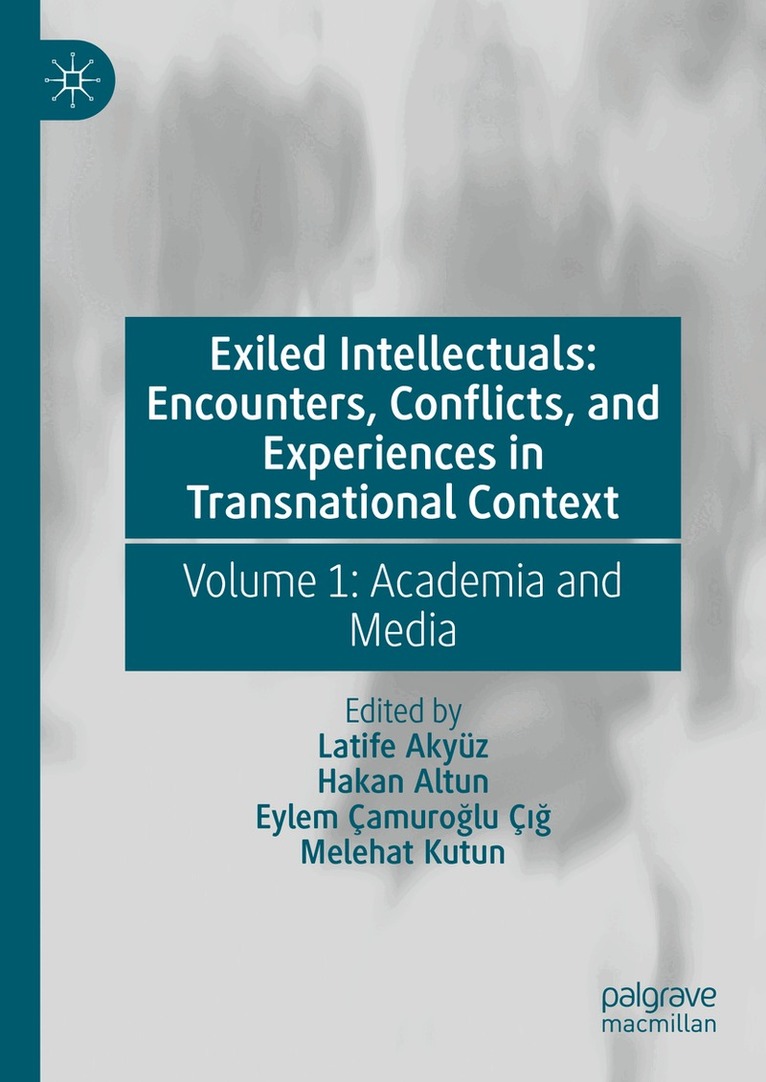
Volume 1: Academia and Media
Inbunden, Engelska, 2024
1 484 kr
Skickas inom 10-15 vardagar
Right after the Gezi Resistance, a new tendency of authoritarianism rapidly emerged in Turkey and AKP government started targeting anyone it perceives as a threat to its rule, especially academics, journalists, politicians, actors, directors, i.e. the intellectuals who produce oppositional art and critical knowledge, criminalizing them as enemies of the state. The authoritarian regime has permeated every aspect of economic, social, cultural, and political life, institutionalized primarily through the ongoing state of emergency declared in the wake of the July 15, 2016 coup attempt (one might also consider this as a controlled and manipulated toxoid coup). This new climate has started to limit the opportunities of production and reproduction for the intellectuals and artists, and even holding a dissident stance became a source of risk on its own. The Republic of Turkey limited, oppressed and punished the means of expression by giving one of the harshest (and maybe the most violent) reactions of its history against critical thought and opposition. The culture of democracy, which was almost already non-existent, has been completely abolished through the suspension of democracy on the ostensible level. This ongoing period is one, in which producers of critical knowledge and opposing artists are being faced with immense oppression and penal sanctions. One of the outcomes of this process is a kind of new-nomadism that we can sketch out as “leaving behind”. And one of the forms of this leaving is (voluntary or involuntary) exile. The majority of those whom we call “new-exile intellectuals” today have relocated generally to Western Europe, Great Britain, the United States, and especially to Germany. This new wave of political forced migration, which started in the aftermath of the Gezi uprisings and gained momentum following the coup attempt, has been defined by the editors of the book as “new-exile”', in order to draw a framework, as it has some unique characteristics different from the previous waves. The fundamental property of this experience is the simultaneous mobilization of intellectual capital and (bi-polar) opposition. This oppositional stance is both against the dominant global order and against German-style authoritarianism as well as Turkish-style fascism. It is bi-polar in the context of exile. The form of the opposition in question has the ability to take root in the lands it arrives at. It does not point towards a single direction (forward or backward) and a single place (the place it was ruptured); it is here/now and multidirectional. This state of new-exile bears the efforts of existing critical knowledge and art producers in the “heim” to which they have relocated, as critical knowledge and art producers are opposed to the dominant world system as well as to fascism in Turkey. As political subjects of the resistance against authoritarianism, they are continuously and collectively fighting against the structural fate of displacement.As both subjects and researchers of this current state of new-exile, it is our primary responsibility to understand and produce knowledge of these intellectuals’ responses in this new life, to monitor the creation processes of the new mechanisms to cope with the challenges, and to understand/investigate the effects of all these on the transnational social space. We have tried to determine the content of this book based on our own experiences as new-exiled intellectuals. We believe that in this period of new-exile we are subjects and witnesses of a historic period due to our individual struggle for existence as well as our modes of organization and solidarity as a group of new-exiled intellectuals. On one hand, we know that while transforming ourselves, we pave the way for mutual interaction and the transformation of the structures in which we relate.This is precisely why the motivation behind the idea of compiling this book, lies not only in academic concerns such as analyzing the process and contributing to the literature on new-exile, but also in keeping a record of our own stories, creating memories of our new-exilic lives, strategies of existence/solidarity and experiences of activism, and in sharing them with intellectuals around the globe who face the same fate. We believe that this book with academic analyses and personal stories of new-exile intellectuals from different professions will also serve as a guide for the steps towards transnational collaborations.
Exiled Intellectuals: Encounters, Conflicts, and Experiences in Transnational Context
Volume 1: Academia and Media
Häftad, Engelska, 2025
1 378 kr
Skickas inom 10-15 vardagar
Right after the Gezi Resistance, a new tendency of authoritarianism rapidly emerged in Turkey and AKP government started targeting anyone it perceives as a threat to its rule, especially academics, journalists, politicians, actors, directors, i.e. the intellectuals who produce oppositional art and critical knowledge, criminalizing them as enemies of the state. The authoritarian regime has permeated every aspect of economic, social, cultural, and political life, institutionalized primarily through the ongoing state of emergency declared in the wake of the July 15, 2016 coup attempt (one might also consider this as a controlled and manipulated toxoid coup). This new climate has started to limit the opportunities of production and reproduction for the intellectuals and artists, and even holding a dissident stance became a source of risk on its own. The Republic of Turkey limited, oppressed and punished the means of expression by giving one of the harshest (and maybe the most violent) reactions of its history against critical thought and opposition. The culture of democracy, which was almost already non-existent, has been completely abolished through the suspension of democracy on the ostensible level. This ongoing period is one, in which producers of critical knowledge and opposing artists are being faced with immense oppression and penal sanctions. One of the outcomes of this process is a kind of new-nomadism that we can sketch out as “leaving behind”. And one of the forms of this leaving is (voluntary or involuntary) exile. The majority of those whom we call “new-exile intellectuals” today have relocated generally to Western Europe, Great Britain, the United States, and especially to Germany. This new wave of political forced migration, which started in the aftermath of the Gezi uprisings and gained momentum following the coup attempt, has been defined by the editors of the book as “new-exile”', in order to draw a framework, as it has some unique characteristics different from the previous waves. The fundamental property of this experience is the simultaneous mobilization of intellectual capital and (bi-polar) opposition. This oppositional stance is both against the dominant global order and against German-style authoritarianism as well as Turkish-style fascism. It is bi-polar in the context of exile. The form of the opposition in question has the ability to take root in the lands it arrives at. It does not point towards a single direction (forward or backward) and a single place (the place it was ruptured); it is here/now and multidirectional. This state of new-exile bears the efforts of existing critical knowledge and art producers in the “heim” to which they have relocated, as critical knowledge and art producers are opposed to the dominant world system as well as to fascism in Turkey. As political subjects of the resistance against authoritarianism, they are continuously and collectively fighting against the structural fate of displacement.As both subjects and researchers of this current state of new-exile, it is our primary responsibility to understand and produce knowledge of these intellectuals’ responses in this new life, to monitor the creation processes of the new mechanisms to cope with the challenges, and to understand/investigate the effects of all these on the transnational social space. We have tried to determine the content of this book based on our own experiences as new-exiled intellectuals. We believe that in this period of new-exile we are subjects and witnesses of a historic period due to our individual struggle for existence as well as our modes of organization and solidarity as a group of new-exiled intellectuals. On one hand, we know that while transforming ourselves, we pave the way for mutual interaction and the transformation of the structures in which we relate.This is precisely why the motivation behind the idea of compiling this book, lies not only in academic concerns such as analyzing the process and contributing to the literature on new-exile, but also in keeping a record of our own stories, creating memories of our new-exilic lives, strategies of existence/solidarity and experiences of activism, and in sharing them with intellectuals around the globe who face the same fate. We believe that this book with academic analyses and personal stories of new-exile intellectuals from different professions will also serve as a guide for the steps towards transnational collaborations.
1 273 kr
Skickas inom 10-15 vardagar
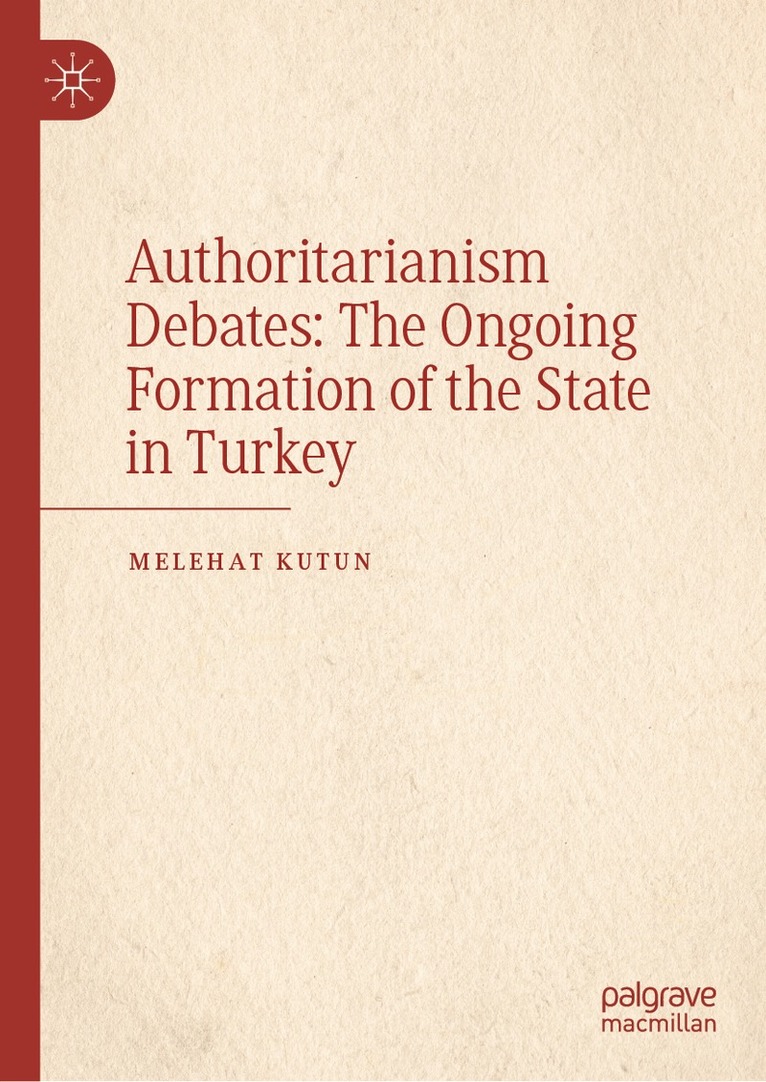
This methodological, theoretical and empirical contribution focuses on how the classical political-economic and sociological approaches that have long prevailed in studies on the state and authoritarianism reproduce or update themselves in the particularity of Turkey. It considers the “strong state tradition thesis” and its contemporary versions, “new-developmentalism” and “competitive authoritarianism”, to be variants or adaptations of the classical political-economic and sociological approaches, questioning why these new concepts are needed and what is, in their view, "new" since 2011 in the politics of Turkey. It problematises the ways these approaches are reproduced in the contexts of varied countries’ own peculiarities and Turkey’s specifically. It focuses on how these approaches have been transformed and updated while explaining recent political developments in Turkey and it presents an open-Marxist critique and a comprehensive explanation of authoritarianism contextualised amongst the other prominent discussions in Marxist state theory. It presents a multi-disciplinary approach that builds bridges between state theory, methodological concerns and contemporary politics in Turkey, focusing on the period since 2010 but with particular consideration of both the continuities and ruptures with the previous period.