Merouan Mekouar – författare
Visar alla böcker från författaren Merouan Mekouar. Handla med fri frakt och snabb leverans.
10 produkter
Doing Research as a Native
A Guide for Fieldwork in Illiberal and Repressive States
Av Kira D. Jumet, Merouan Mekouar
Inbunden, 2025
977 kr
Lägg i varukorg
Numerous publications have examined the challenges faced by non-native (often Western) academics conducting research in repressive countries. However, discussions of the unique security risks experienced by native scholars seem to be largely absent. While native academics face many of the …
Doing Research as a Native
A Guide for Fieldwork in Illiberal and Repressive States
Av Kira D. Jumet, Merouan Mekouar
Häftad, 2025
292 kr
Lägg i varukorg
Numerous publications have examined the challenges faced by non-native (often Western) academics conducting research in repressive countries. However, discussions of the unique security risks experienced by native scholars seem to be largely absent. While native academics face many of the …
Doing Research as a Native
A Guide for Fieldwork in Illiberal and Repressive States
Av Merouan Mekouar, Kira D. Jumet
E-bok, 2025
312 kr
Lägg i varukorg
Numerous publications have examined the challenges faced by non-native (often Western) academics conducting research in repressive countries. However, discussions of the unique security risks experienced by native scholars seem to be largely absent. While native academics face many of the …
Doing Research as a Native
A Guide for Fieldwork in Illiberal and Repressive States
Av Merouan Mekouar, Kira D. Jumet
E-bok, 2025
312 kr
Lägg i varukorg
Numerous publications have examined the challenges faced by non-native (often Western) academics conducting research in repressive countries. However, discussions of the unique security risks experienced by native scholars seem to be largely absent. While native academics face many of the …
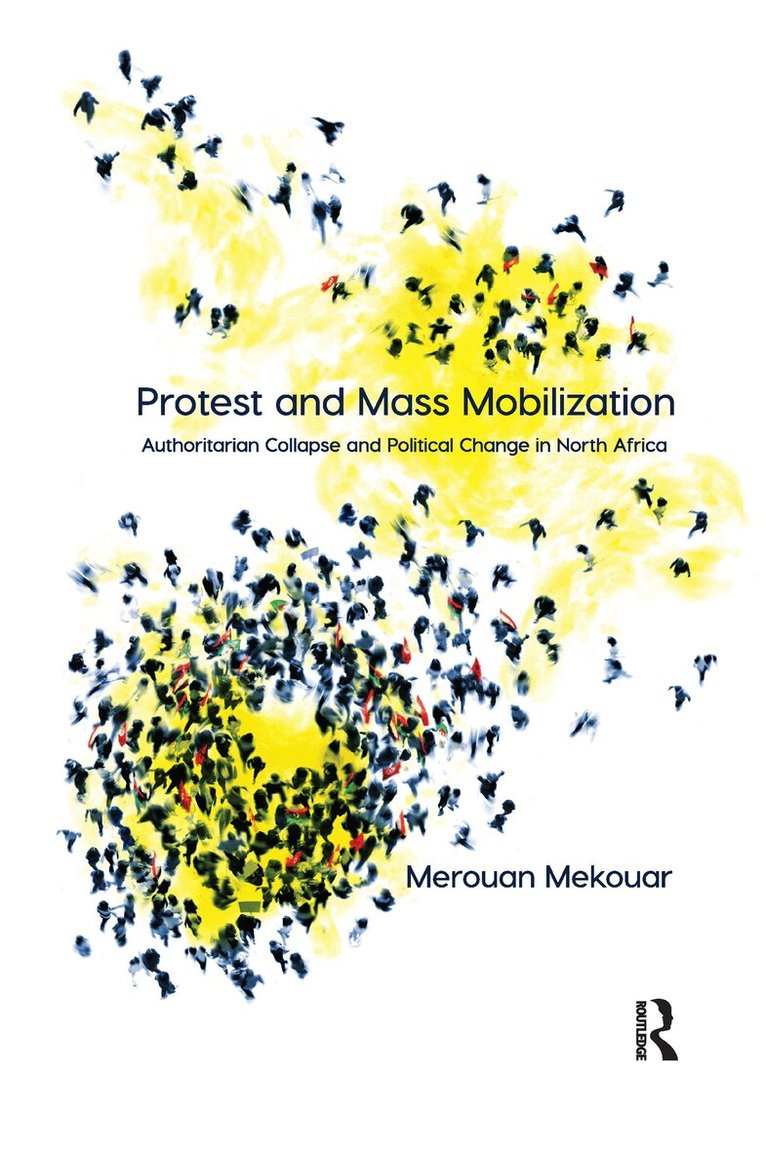
Protest and Mass Mobilization
Authoritarian Collapse and Political Change in North Africa
Häftad, 2020
691 kr
Lägg i varukorg
Why and how do some acts of protest trigger mass mobilization while others do not? Using the cases of Morocco, Algeria, Tunisia, and Libya, Mekouar argues that successful mass mobilization is the result of a surprise factor, whose impact and exceptionality is amplified by the presence of …
Protest and Mass Mobilization
Authoritarian Collapse and Political Change in North Africa
E-bok, 2016
814 kr
Lägg i varukorg
Why and how do some acts of protest trigger mass mobilization while others do not? Using the cases of Morocco, Algeria, Tunisia, and Libya, Mekouar argues that successful mass mobilization is the result of a surprise factor, whose impact and exceptionality is amplified by the presence of …
Protest and Mass Mobilization
Authoritarian Collapse and Political Change in North Africa
E-bok, 2016
790 kr
Lägg i varukorg
Why and how do some acts of protest trigger mass mobilization while others do not? Using the cases of Morocco, Algeria, Tunisia, and Libya, Mekouar argues that successful mass mobilization is the result of a surprise factor, whose impact and exceptionality is amplified by the presence of …
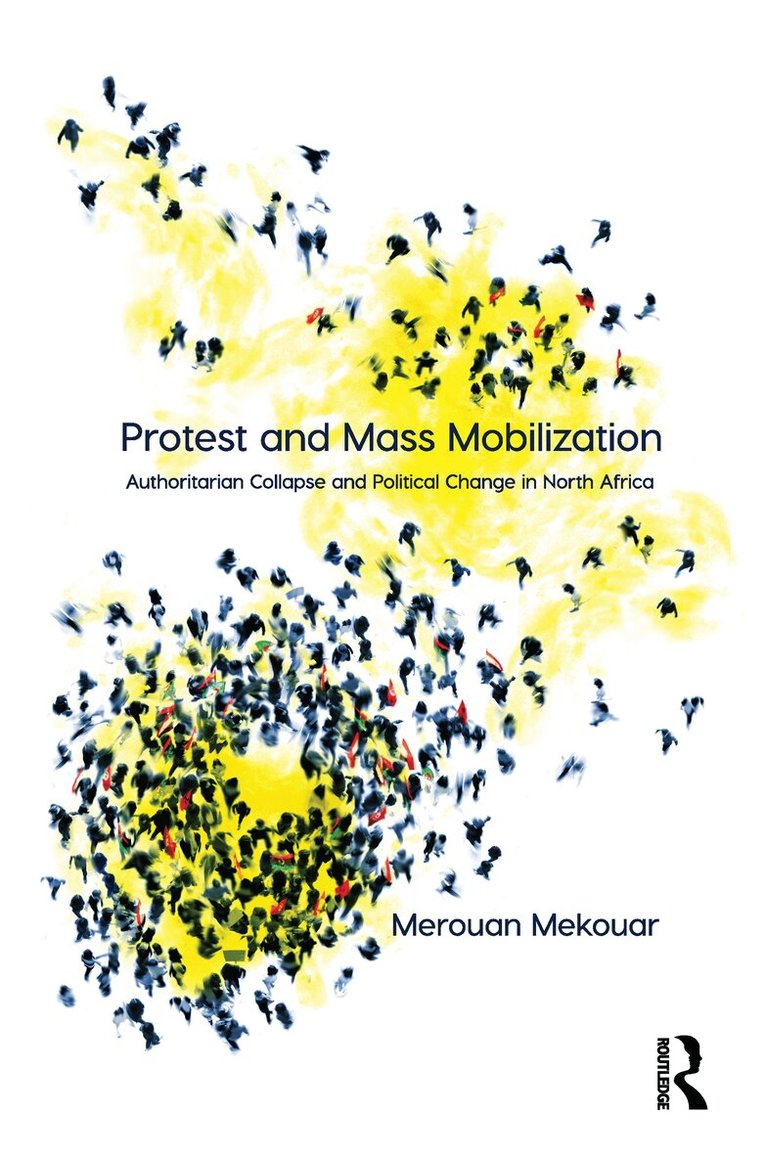
Protest and Mass Mobilization
Authoritarian Collapse and Political Change in North Africa
Inbunden, 2016
2510 kr
Lägg i varukorg
Why and how do some acts of protest trigger mass mobilization while others do not? Using the cases of Morocco, Algeria, Tunisia, and Libya, Mekouar argues that successful mass mobilization is the result of a surprise factor, whose impact and exceptionality is amplified by the presence of …
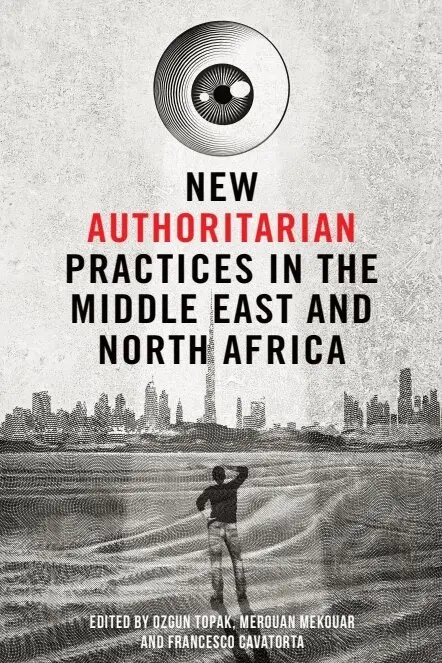
New Authoritarian Practices in the Middle East and North Africa
Av Ozgun Topak, Merouan Mekouar m. fl.
Inbunden, 2022
1955 kr
Lägg i varukorg
This collection examines new authoritarian practices that 16 MENA countries have developed in the aftermath of major uprisings across the region. These span new forms of digital surveillance, new protest policing practices, new forms of control over the judiciary, civil society and media, through …
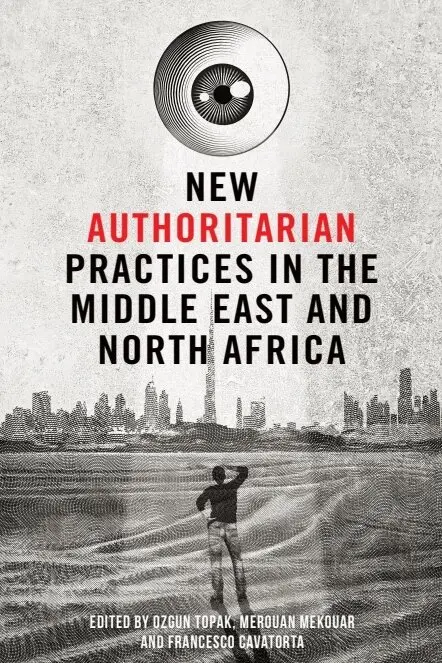
New Authoritarian Practices in the Middle East and North Africa
Av Ozgun Topak, Merouan Mekouar m. fl.
Häftad, 2024
264 kr
Lägg i varukorg
This book examines the new authoritarian practices MENA countries developed in the aftermath of the major uprisings in the region. These include new forms of digital surveillance (such as through internet, social media, and spyware), new protest policing practices, new forms of control over the …