Michael A. Rosenthal – författare
Visar alla böcker från författaren Michael A. Rosenthal. Handla med fri frakt och snabb leverans.
4 produkter
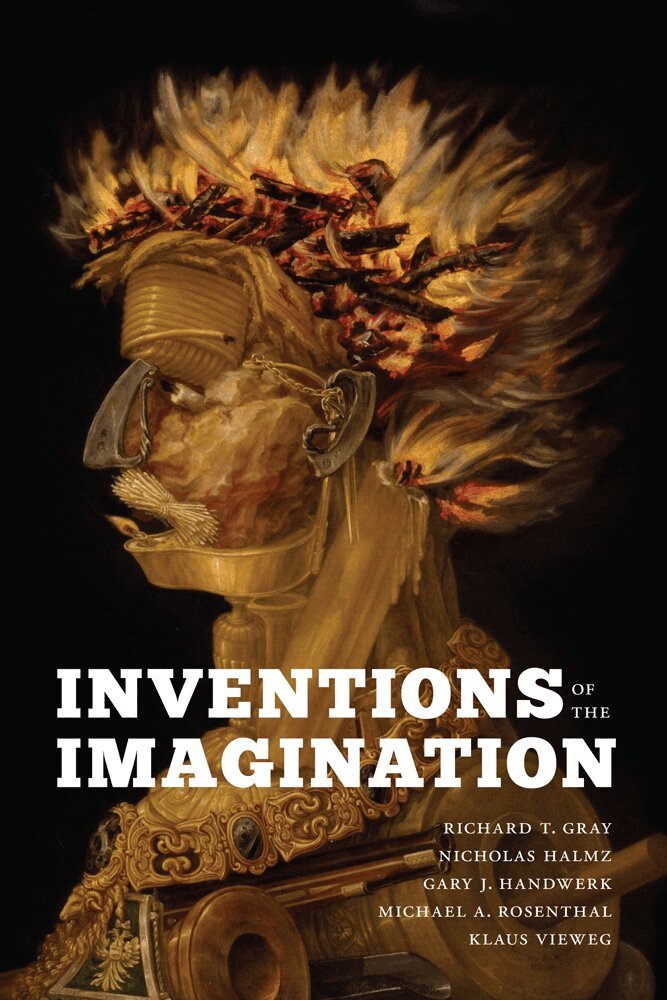
Inventions of the Imagination
Romanticism and Beyond
Av Richard T. Gray, Nicholas Halmi m. fl.
Häftad, 2011
612 kr
Lägg i varukorg
The dialectic between reason and imagination forms a key element in Romantic and post- Romantic philosophy, science, literature, and art. Inventions of the Imagination explores the diverse theories and assessments of this dialectic in essays by philosophers and literary and cultural critics. By the …
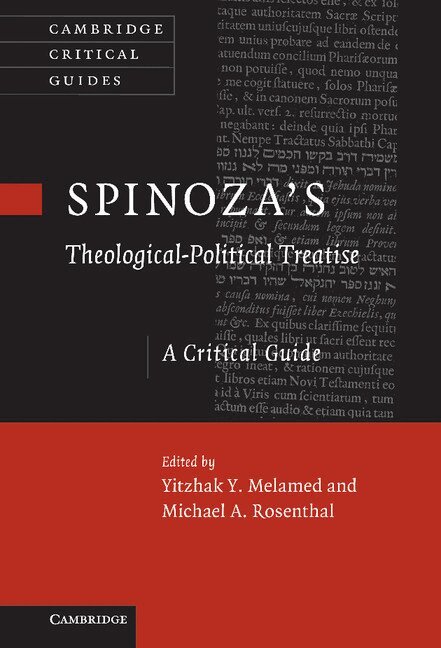
Spinoza's 'Theological-Political Treatise'
A Critical Guide
Av Yitzhak Y. Melamed, Michael A. Rosenthal
Inbunden, 2010
1056 kr
Lägg i varukorg
Spinoza's Theological-Political Treatise was published anonymously in 1670 and immediately provoked huge debate. Its main goal was to claim that the freedom of philosophizing can be allowed in a free republic and that it cannot be abolished without also destroying the peace and piety of that …
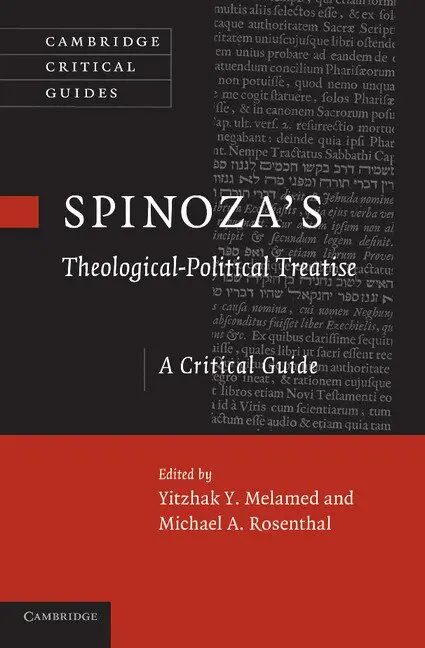
Spinoza's 'Theological-Political Treatise'
A Critical Guide
Av Yitzhak Y. Melamed, Michael A. Rosenthal
Häftad, 2013
574 kr
Lägg i varukorg
Spinoza's Theological-Political Treatise was published anonymously in 1670 and immediately provoked huge debate. Its main goal was to claim that the freedom of philosophizing can be allowed in a free republic and that it cannot be abolished without also destroying the peace and piety of that …
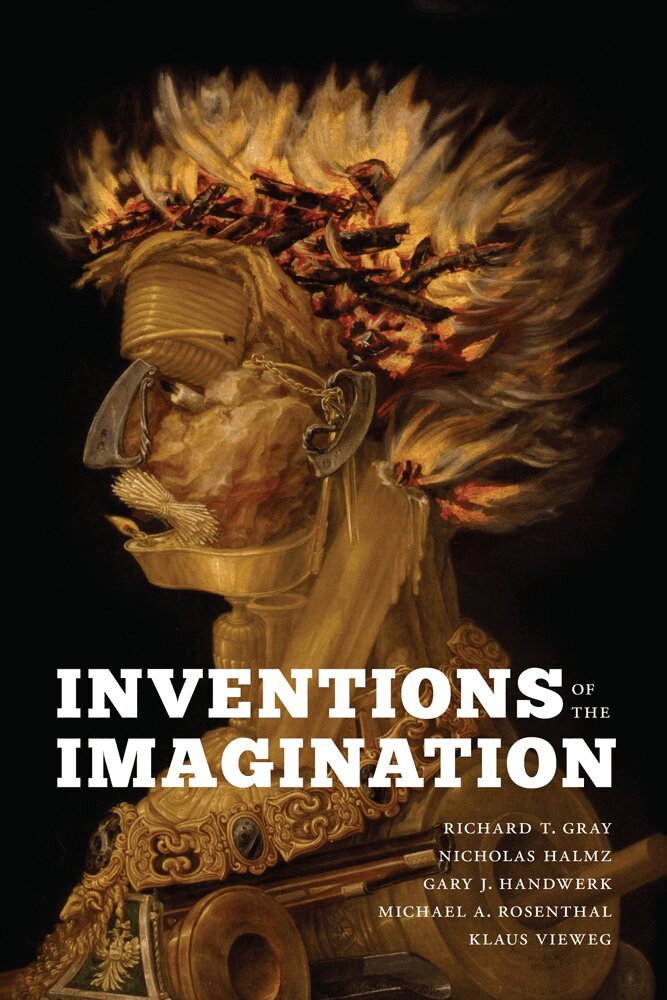
Inventions of the Imagination
Romanticism and Beyond
Av Richard T. Gray, Nicholas Halmi m. fl.
Inbunden, 2011
2140 kr
Tillfälligt slut
The dialectic between reason and imagination forms a key element in Romantic and post- Romantic philosophy, science, literature, and art. Inventions of the Imagination explores the diverse theories and assessments of this dialectic in essays by philosophers and literary and cultural critics. By the …