Michael Asch – författare
Visar alla böcker från författaren Michael Asch. Handla med fri frakt och snabb leverans.
7 produkter
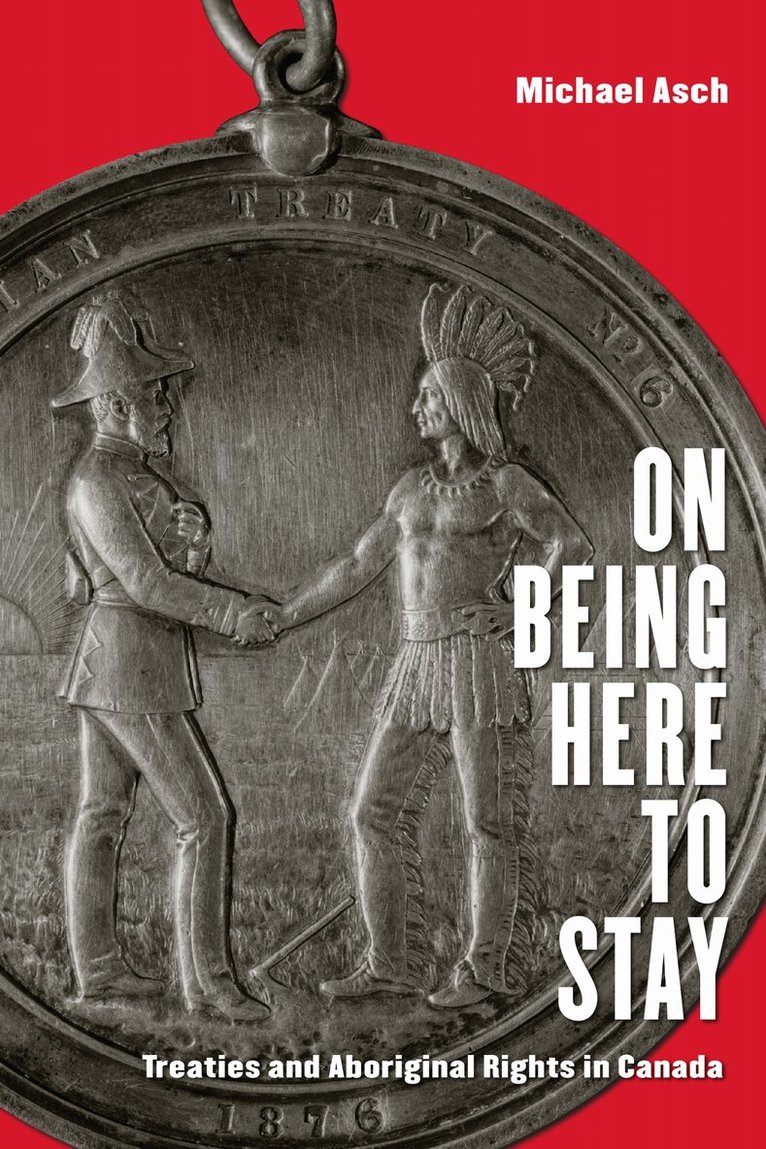
On Being Here to Stay
Treaties and Aboriginal Rights in Canada
Av Michael Asch
Häftad, 2014
342 kr
Lägg i varukorg
What, other than numbers and power, justifies Canada’s assertion of sovereignty and jurisdiction over the country’s vast territory? Why should Canada’s original inhabitants have to ask for rights to what was their land when non-Aboriginal people first arrived? The question lurks behind every court …
On Being Here to Stay
Treaties and Aboriginal Rights in Canada
Av Michael Asch
E-bok, 2014
424 kr
Lägg i varukorg
What, other than numbers and power, justifies Canada’s assertion of sovereignty and jurisdiction over the country’s vast territory? Why should Canada’s original inhabitants have to ask for rights to what was their land when non-Aboriginal people first arrived? The question lurks behind every court …
On Being Here to Stay
Treaties and Aboriginal Rights in Canada
Av Michael Asch
E-bok, 2014
437 kr
Lägg i varukorg
What, other than numbers and power, justifies Canada’s assertion of sovereignty and jurisdiction over the country’s vast territory? Why should Canada’s original inhabitants have to ask for rights to what was their land when non-Aboriginal people first arrived? The question lurks behind every court …
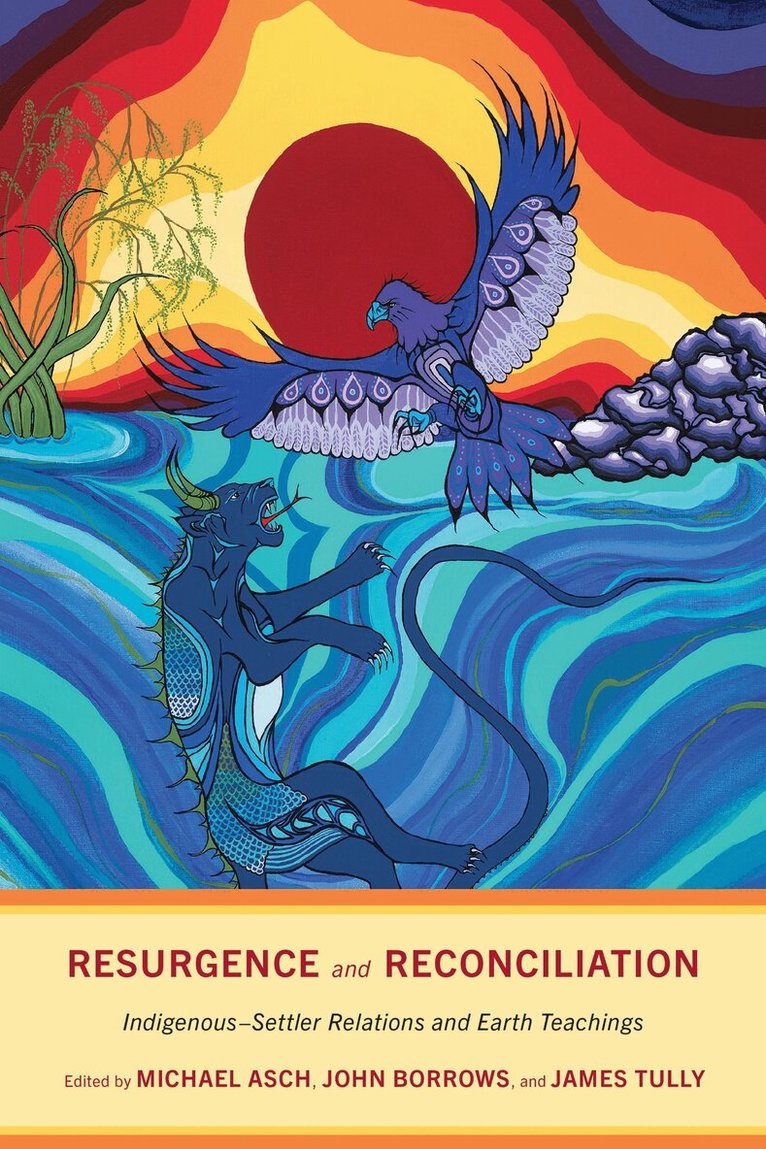
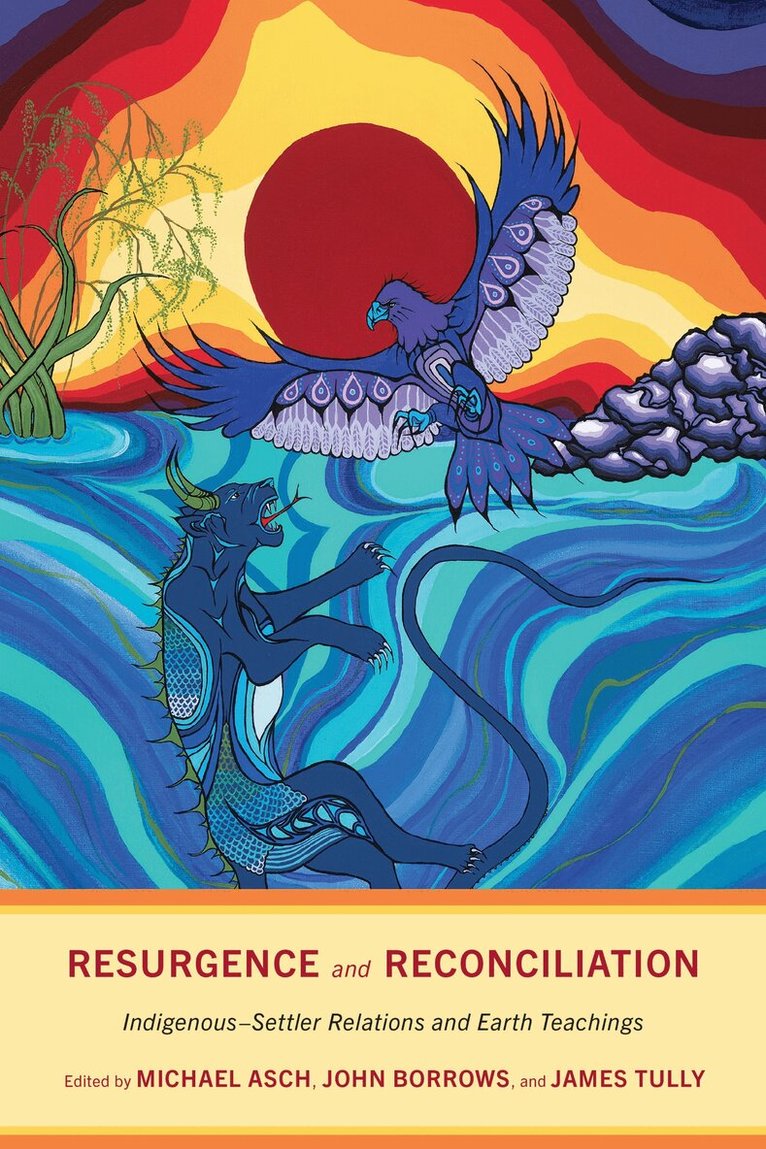
Resurgence and Reconciliation
Indigenous-Settler Relations and Earth Teachings
Av Michael Asch, John Borrows m. fl.
E-bok, 2018
363 kr
Lägg i varukorg
The two major schools of thought in Indigenous-Settler relations on the ground, in the courts, in public policy, and in research are resurgence and reconciliation. Resurgence refers to practices of Indigenous self-determination and cultural renewal whereas reconciliation refers to practices of …
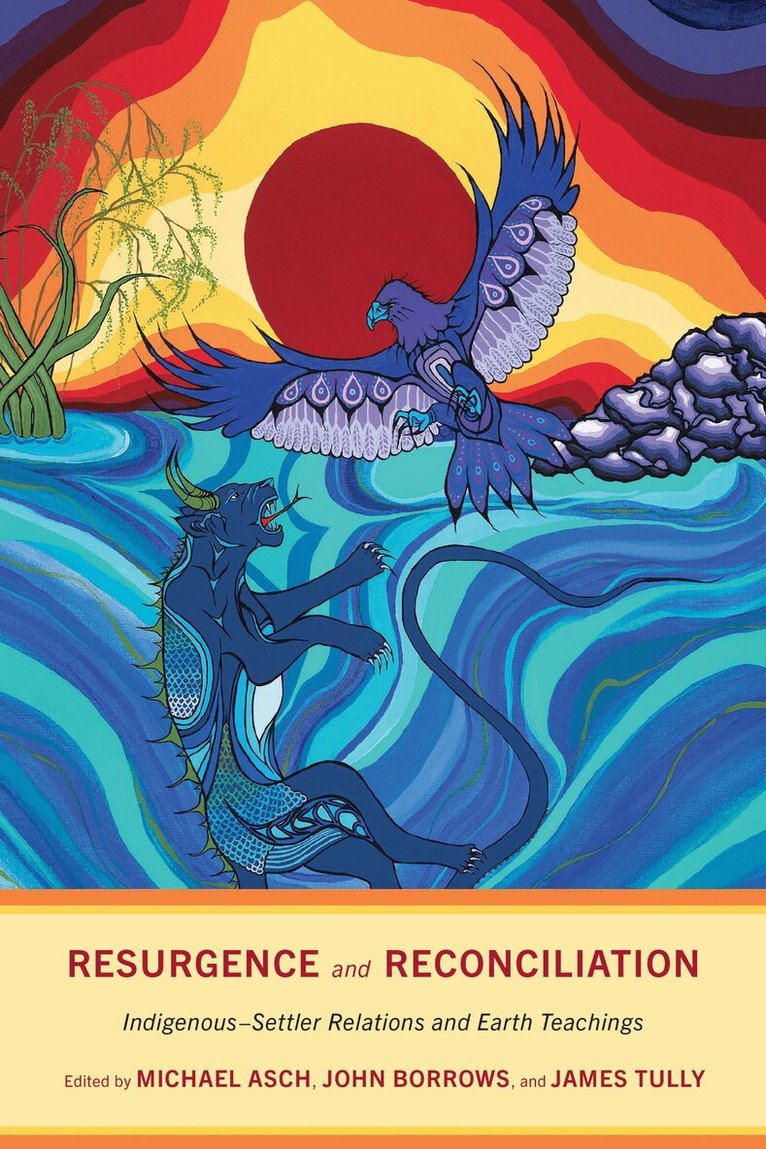
Resurgence and Reconciliation
Indigenous-Settler Relations and Earth Teachings
Av Michael Asch, John Borrows m. fl.
E-bok, 2018
375 kr
Lägg i varukorg
The two major schools of thought in Indigenous-Settler relations on the ground, in the courts, in public policy, and in research are resurgence and reconciliation. Resurgence refers to practices of Indigenous self-determination and cultural renewal whereas reconciliation refers to practices of …
Resurgence and Reconciliation
Indigenous-Settler Relations and Earth Teachings
Av Michael Asch, John Borrows m. fl.
Häftad, 2018
353 kr
Lägg i varukorg
The two major schools of thought in Indigenous-Settler relations on the ground, in the courts, in public policy, and in research are resurgence and reconciliation. Resurgence refers to practices of Indigenous self-determination and cultural renewal whereas reconciliation refers to practices of …
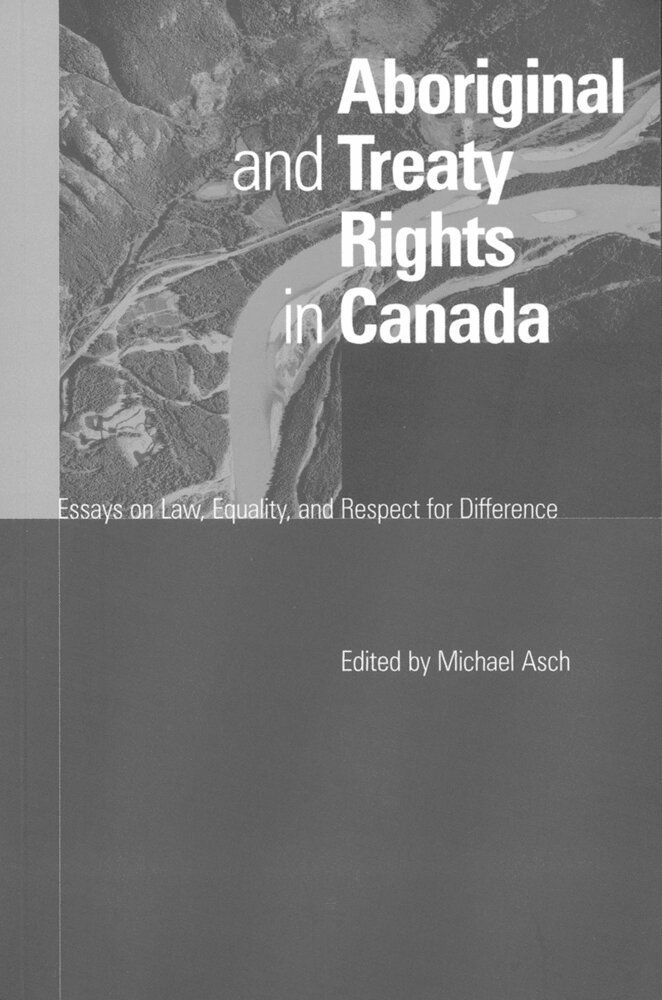
Aboriginal and Treaty Rights in Canada
Av Michael Asch
Häftad, 1998
412 kr
Tillfälligt slut
In the last two decades there has been positive change in how the Canadian legal system defines Aboriginal and treaty rights. Yet even after the recognition of those rights in the Constitution Act of 1982, the legacy of British values and institutions as well as colonial doctrine still shape how …