Michael Beggs – författare
Visar alla böcker från författaren Michael Beggs. Handla med fri frakt och snabb leverans.
5 produkter
5 produkter
Inbunden, Engelska, 2023
361 kr
Skickas inom 5-8 vardagar
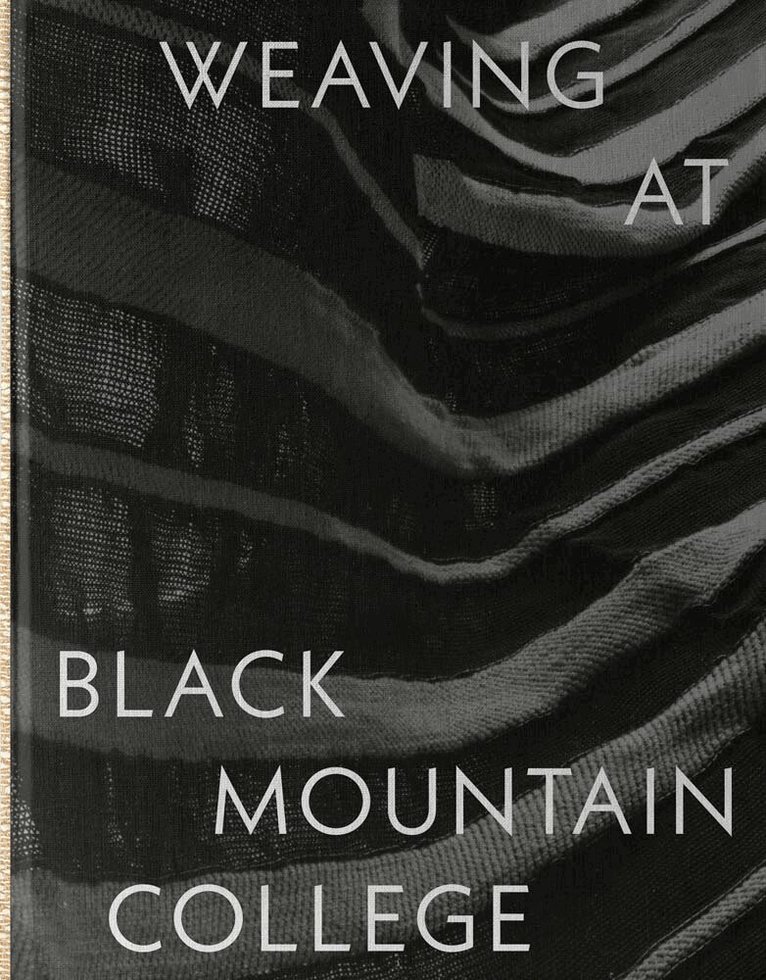
A detailed study of the role and legacy of weaving at the legendary Black Mountain College In the mid-twentieth century, Black Mountain College attracted a remarkable roster of artists, architects, and musicians. Yet the weaving classes taught by Anni Albers, Trude Guermonprez, and six other faculty members are rarely mentioned or are often treated as mere craft lessons. This was far from the case: the weaving program was the school’s most sophisticated and successful design program. About ten percent of all Black Mountain College students took at least one class in weaving, including specialists like textile designers Lore Kadden Lindenfeld and Else Regensteiner, as well as students from other disciplines, like artists Ray Johnson and Robert Rauschenberg and architects Don Page and Claude Stoller. Drawing upon a wealth of unpublished material and archival photographs, Weaving at Black Mountain College rewrites history to show how weaving played a much larger role in the legendary art and design curriculum than previously assumed. The book illustrates dozens of objects from private and public collections, many of which have never been shown in this context. Essays explore connections and networks fostered by Black Mountain weavers; the ways in which weaving at the college was linked to larger discourses about weaving and craft; and Bauhaus influences transmitted by way of Anni Albers. The book also includes works by five contemporary artists that connect and respond to the legacy of weaving at Black Mountain College today. Distributed for the Black Mountain College Museum + Arts Center Exhibition Schedule Black Mountain College Museum + Arts Center, Asheville, NC(September 29, 2023–January 6, 2024)
Inbunden, Engelska, 2015
1 123 kr
Skickas inom 10-15 vardagar
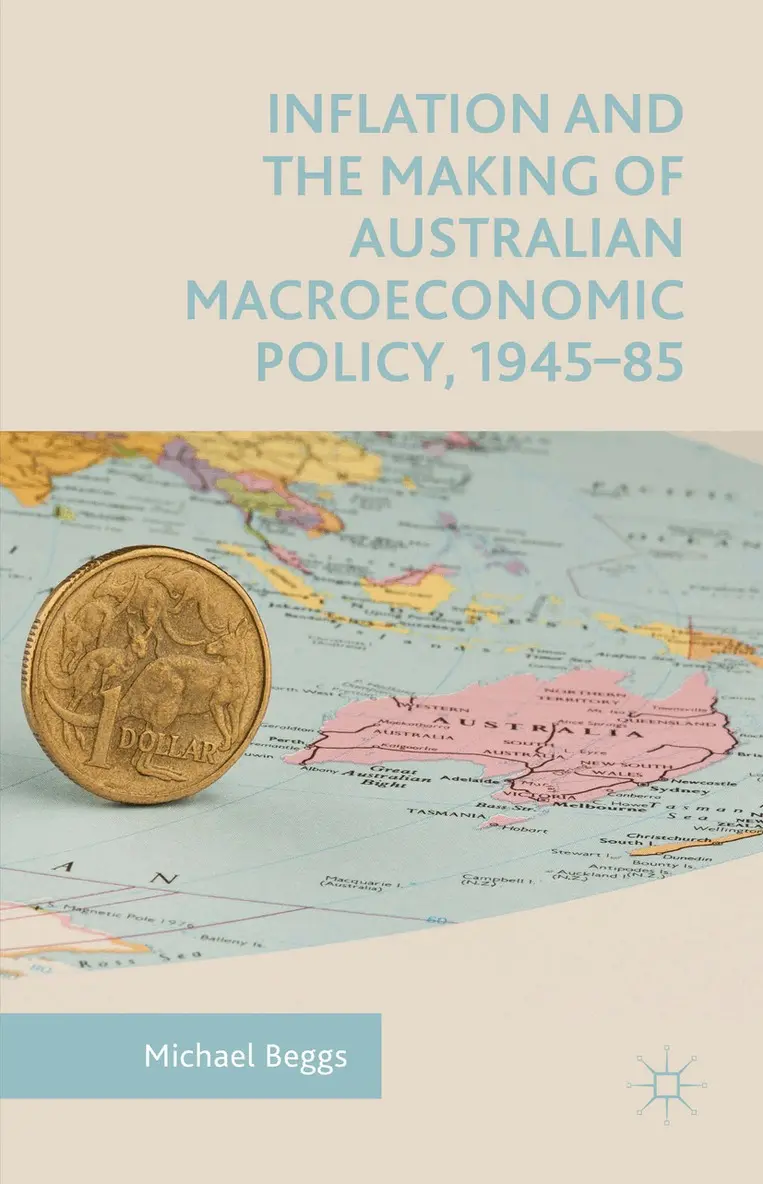
In the decades after World War II, inflation undermined the aspiration for full employment in Australia. This book tells the story of how the Australian state was shaped by the confrontation with monetary instability: a pre-history of neoliberalism.
E-bok
PDF, Engelska, 20151 367 kr
Läs direkt efter köp
In the decades after World War II, inflation undermined the aspiration for full employment in Australia. This book tells the story of how the Australian state was shaped by the confrontation with monetary instability: a pre-history of neoliberalism.
Inbunden, Engelska, 2019
565 kr
Skickas inom 10-15 vardagar
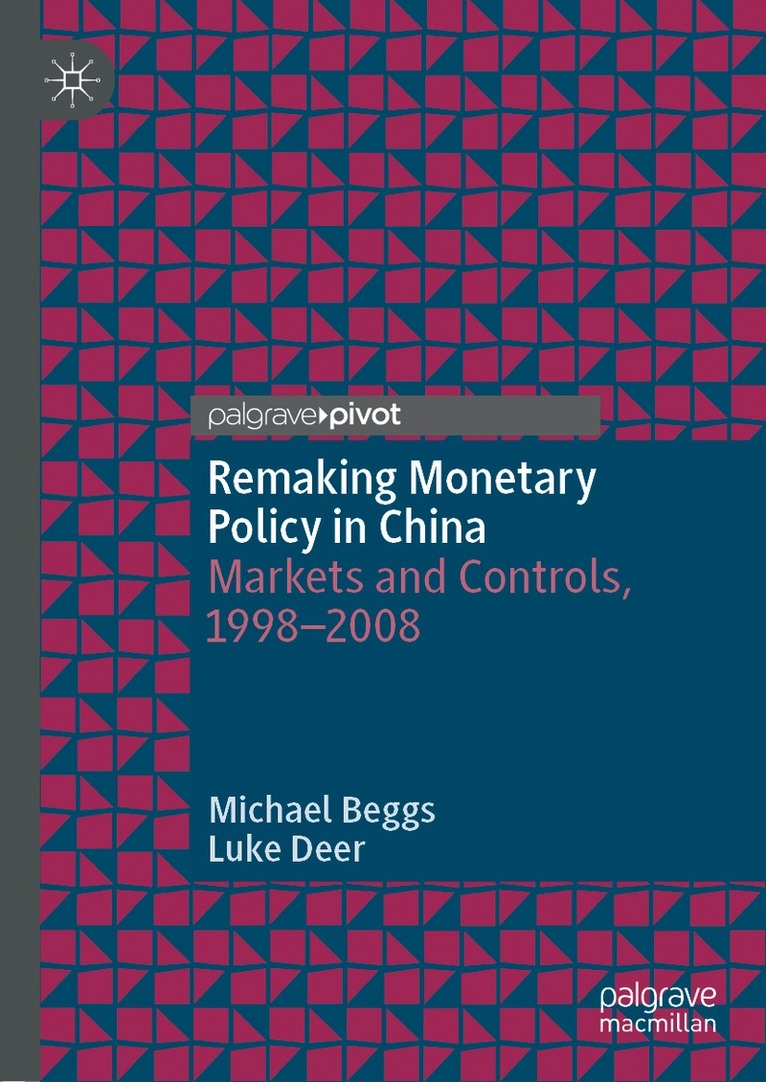
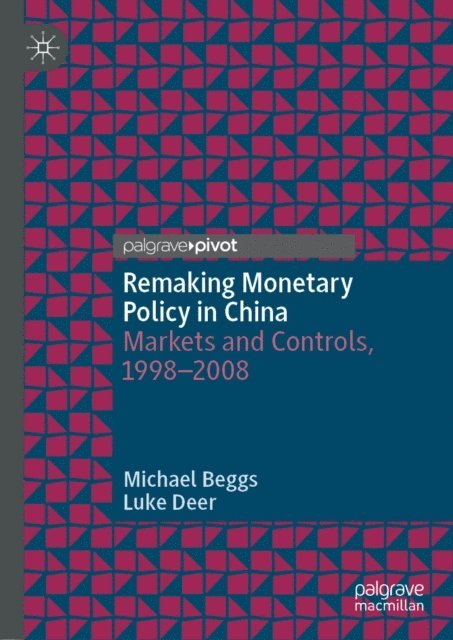
This book covers the recent history of Chinese monetary policy. While most current work focuses on This book traces and explains the evolution of Chinese monetary policy in the years before 2008. The turn towards interest rate deregulation and market-oriented policy in China in recent years is often seen as a break with former command-and-control policy norms, in favour of Western central banking norms. We argue that Chinese monetary policy already went through a transformation under the influence of ‘new consensus’ macroeconomics after 1998, but that this surprisingly led to increased reliance on direct banking controls in the 2000s. Therefore, many of the controls that look to many like a remnant of central planning are in fact an outcome of an earlier attempt to ‘rationalise’ monetary policy, in unusual Chinese conditions. Specifically, policy returned to direct controls because of an underdeveloped interbank money market, and a glut of bank liquidity associated with enormous foreign exchange inflows in the mid-2000s.
E-bok
Engelska, 2019687 kr
Läs direkt efter köp
This book covers the recent history of Chinese monetary policy. While most current work focuses on This book traces and explains the evolution of Chinese monetary policy in the years before 2008. The turn towards interest rate deregulation and market-oriented policy in China in recent years is often seen as a break with former command-and-control policy norms, in favour of Western central banking norms. We argue that Chinese monetary policy already went through a transformation under the influence of ‘new consensus’ macroeconomics after 1998, but that this surprisingly led to increased reliance on direct banking controls in the 2000s. Therefore, many of the controls that look to many like a remnant of central planning are in fact an outcome of an earlier attempt to ‘rationalise’ monetary policy, in unusual Chinese conditions. Specifically, policy returned to direct controls because of an underdeveloped interbank money market, and a glut of bank liquidity associated with enormous foreign exchange inflows in the mid-2000s.