Inbunden, Engelska, 1993
1 081 kr
Skickas inom 10-15 vardagar
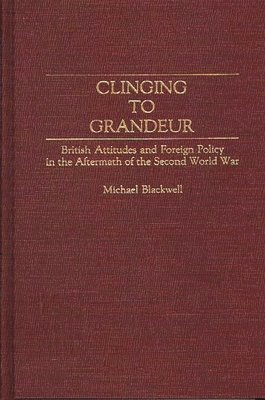
In this innovative study of the forces that shape the decisions of foreign policy leaders, Michael Blackwell examines the attitudes of British policy makers immediately after World War II and considers their impact on foreign and economic policy. Despite the critical remarks they had made while in opposition, the Ministers in the Labour Cabinet elected in 1945 shared the traditional attitudes of Foreign Office officials regarding Britain's preeminent position in international affairs. Blackwell analyzes the origins of these attitudes and draws a distinction between their cognitive and affective components.The author demonstrates that although the harsh realities of the postwar world weakened the belief that Britain should play a leading role in world affairs at the cognitive level, the heroic victory over the Axis powers strengthened the belief at the affective level. Finding that Britain could no longer play a major part in influencing world events, yet unwilling to contemplate a more modest role, the policymakers accommodated their attitudinal conflicts by seeking the illusion of power. They looked back to the centuries of Imperial expansion, failing to plan for the decades of contraction to come. By clinging to the grandeur of the past, they failed to adjust to the less glorious present and set Britain on the road to many of the economic and political difficulties of later years. This work should be of interest to those concerned with the implications for contemporary US policy as well as to those interested in British history.