Michael Bryant – författare
Visar alla böcker från författaren Michael Bryant. Handla med fri frakt och snabb leverans.
19 produkter
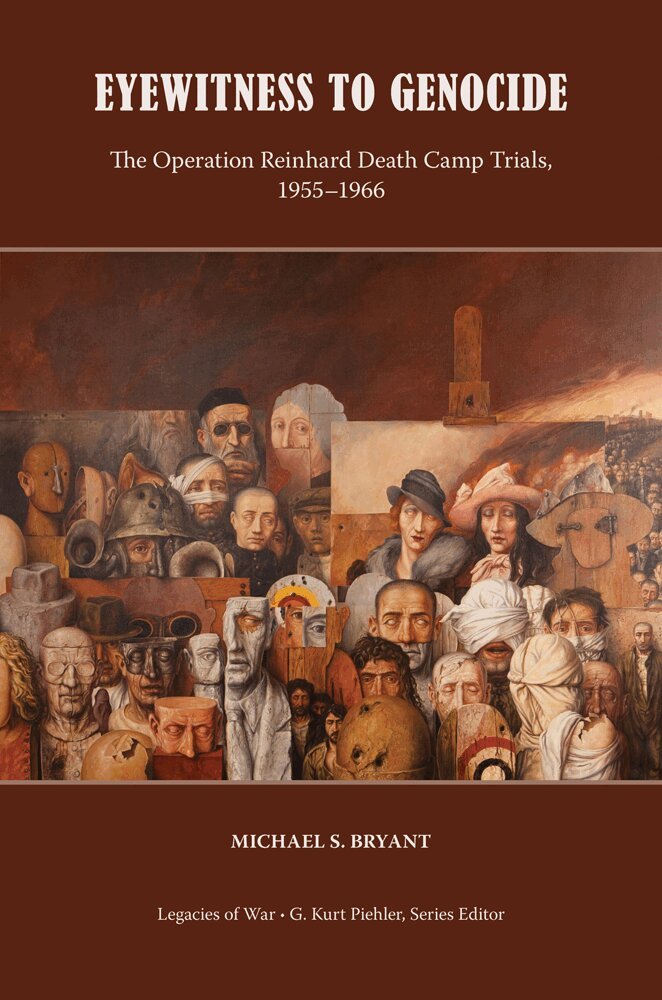
Eyewitness to Genocide
The Operation Reinhard Death Camp Trials, 1955-1966
Häftad, 2016
297 kr
Lägg i varukorg
One of the deadliest phases of the Holocaust, the Nazi regime’s “Operation Reinhard” produced three major death camps–Belzec, Treblinka, and Sobibor–which claimed the lives of 1.8 million Jews. In the 1960s, a small measure of justice came for those victims when a score of defendants who had been …
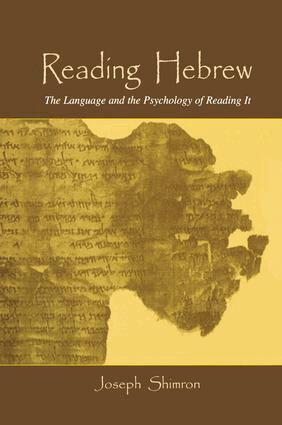
Reading Hebrew
The Language and the Psychology of Reading It
Av Julia Fionda, Michael Bryant
Häftad, 2015
821 kr
Lägg i varukorg
Over the last two decades, the study of languages and writing systems and their relationship to literacy acquisition has begun to spread beyond studies based mostly on English language learners. As the worldwide demand for literacy continues to grow, researchers from different countries with …
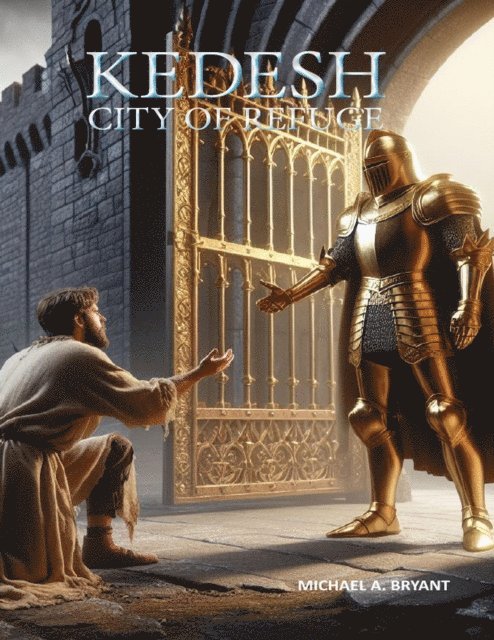
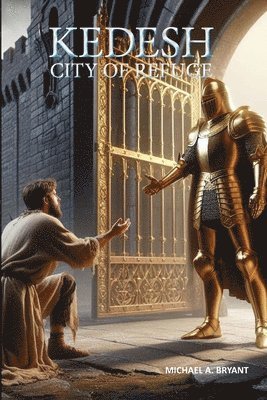
Kedesh, City of Refuge
E-bok, 2024
150 kr
Lägg i varukorg
Adam flees from the Avenger of Blood across the harsh, unforgiving Wilderness of Sin. His heart pounds with fear as he races against time to reach Kedesh, a city of refuge nestled among the rugged hills, where he knows he will find safety and sanctuary from his pursuer.In addition to the sanctuary …
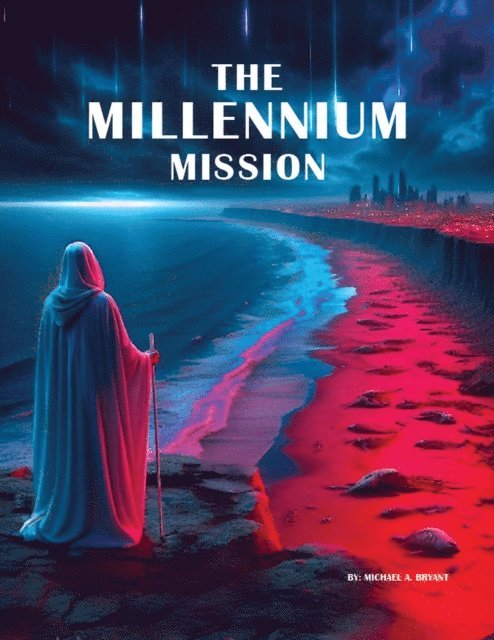
Millennium Mission
E-bok, 2024
88 kr
Lägg i varukorg
Against the backdrop of a world devastated by the Great Tribulation, two races of humans coexist - the immortal Servants endowed with extraordinary abilities and the remnant of humanity who survived the Great Tribulation. The Great King has given three crucial tasks to the Servants: to restore the …
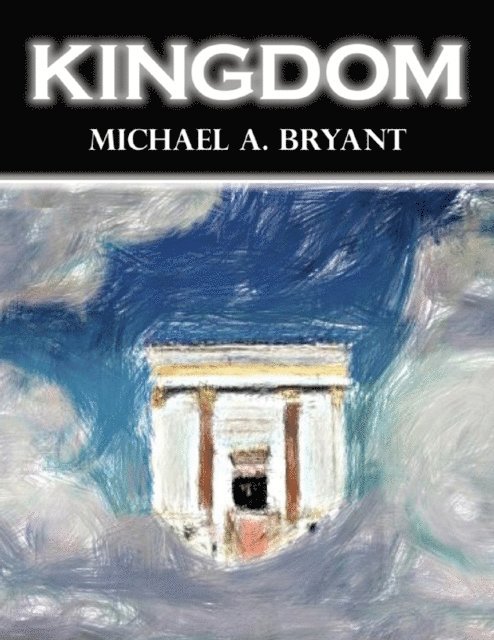
Kingdom
E-bok, 2014
45 kr
Lägg i varukorg
"Kingdom" provides a provocative new way to see the Church as taught by Jesus Christ. "Kingdom" was written to show the difference between the ''religion'' of Christianity and the ''Kingdom'' of Christianity."Kingdom" is a catalyst to provoke the body of Christ to reexamine how we see the Church. …
Drama of Calvary
E-bok, 2011
117 kr
Lägg i varukorg
The story of the Death and Resurrection of Jesus is read by millions. But does the Bible give them the facts? This book, written for the non-specialist, examines the Gospel Narrative rigorously, and discovers that the Gospels contain clues to the true origin of the worlds greatest story. The Drama …
Happy Jackalope Family presents A Caleb and Faith Love Story
Date Night
Inbunden, 2026
324 kr
Lägg i varukorg