Michael Dolski – författare
Visar alla böcker från författaren Michael Dolski. Handla med fri frakt och snabb leverans.
7 produkter
7 produkter
Häftad, Engelska, 2026
351 kr
Kommande
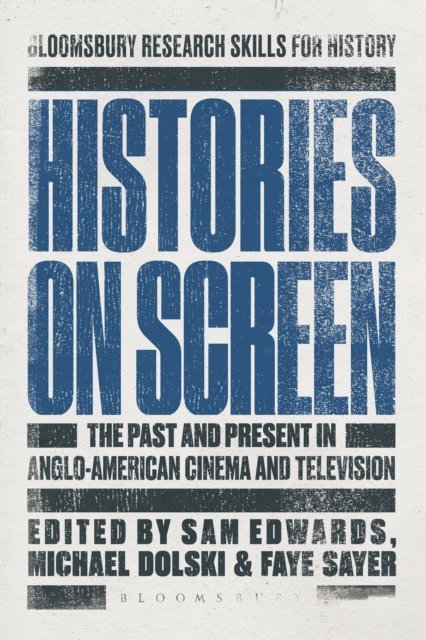
What can historical films and period television tell us about history? How reliable are these sources? How, as historians, should we ‘read’ a film? This second edition of Histories on Screen gets to the heart of these questions and more in a comprehensive volume which greatly enhances our understanding of the relationship between film/television and history.The book begins with a theoretical ‘Thinking about Film’ section that explores the ways in which film and television can be analyzed and interrogated as either primary sources, secondary sources or indeed as both. The much larger ‘Using Film’ segment of the book then provides diverse case studies which put this theory into practice. It explores vital areas of historical analysis in the process, including gender, class, race, war, genocide, sexuality, propaganda, national identity and memory. Documentaries, films and television from Britain and the United States are examined and there is a jargon-free emphasis on the skills and methods needed to analyze films in historical study that features prominently throughout the text.This new edition includes six brand new chapters exploring the following key topics:* Depictions of women in period dramas* Black British history on film* LGBTQ+ history and documentary film production* The Holocaust, film and post-genocidal trauma* US Civil Rights and television* The Hollywood Western and the Cold War
Inbunden, Engelska, 2026
1 077 kr
Kommande
What can historical films and period television tell us about history? How reliable are these sources? How, as historians, should we ‘read’ a film? This second edition of Histories on Screen gets to the heart of these questions and more in a comprehensive volume which greatly enhances our understanding of the relationship between film/television and history.The book begins with a theoretical ‘Thinking about Film’ section that explores the ways in which film and television can be analyzed and interrogated as either primary sources, secondary sources or indeed as both. The much larger ‘Using Film’ segment of the book then provides diverse case studies which put this theory into practice. It explores vital areas of historical analysis in the process, including gender, class, race, war, genocide, sexuality, propaganda, national identity and memory. Documentaries, films and television from Britain and the United States are examined and there is a jargon-free emphasis on the skills and methods needed to analyze films in historical study that features prominently throughout the text.This new edition includes six brand new chapters exploring the following key topics:* Depictions of women in period dramas* Black British history on film* LGBTQ+ history and documentary film production* The Holocaust, film and post-genocidal trauma* US Civil Rights and television* The Hollywood Western and the Cold War
Häftad, Engelska, 2018
434 kr
Skickas inom 10-15 vardagar
How, as historians, should we ‘read’ a film? Histories on Screen answers this and other questions in a crucial volume for any history student keen to master source use.The book begins with a theoretical ‘Thinking about Film’ section that explores the ways in which films can be analyzed and interrogated as either primary sources, secondary sources or indeed as both. The much larger ‘Using Film’ segment of the book then offers engaging case studies which put this theory into practice. Topics including gender, class, race, war, propaganda, national identity and memory all receive good coverage in what is an eclectic multi-contributor volume. Documentaries, films and television from Britain and the United States are examined and there is a jargon-free emphasis on the skills and methods needed to analyze films in historical study featuring prominently throughout the text.Histories on Screen is a vital resource for all history students as it enables them to understand film as a source and empowers them with the analytical tools needed to use that knowledge in their own work.
Inbunden, Engelska, 2018
1 572 kr
Skickas inom 10-15 vardagar
How, as historians, should we ‘read’ a film? Histories on Screen answers this and other questions in a crucial volume for any history student keen to master source use.The book begins with a theoretical ‘Thinking about Film’ section that explores the ways in which films can be analyzed and interrogated as either primary sources, secondary sources or indeed as both. The much larger ‘Using Film’ segment of the book then offers engaging case studies which put this theory into practice. Topics including gender, class, race, war, propaganda, national identity and memory all receive good coverage in what is an eclectic multi-contributor volume. Documentaries, films and television from Britain and the United States are examined and there is a jargon-free emphasis on the skills and methods needed to analyze films in historical study featuring prominently throughout the text.Histories on Screen is a vital resource for all history students as it enables them to understand film as a source and empowers them with the analytical tools needed to use that knowledge in their own work.
E-bok
PDF, Engelska, 2018451 kr
Läs direkt efter köp
How, as historians, should we ''read'' a film? Histories on Screen answers this and other questions in a crucial volume for any history student keen to master source use.The book begins with a theoretical ''Thinking about Film'' section that explores the ways in which films can be analyzed and interrogated as either primary sources, secondary sources or indeed as both. The much larger ''Using Film'' segment of the book then offers engaging case studies which put this theory into practice. Topics including gender, class, race, war, propaganda, national identity and memory all receive good coverage in what is an eclectic multi-contributor volume. Documentaries, films and television from Britain and the United States are examined and there is a jargon-free emphasis on the skills and methods needed to analyze films in historical study featuring prominently throughout the text.Histories on Screen is a vital resource for all history students as it enables them to understand film as a source and empowers them with the analytical tools needed to use that knowledge in their own work.
451 kr
Läs direkt efter köp
How, as historians, should we ''read'' a film? Histories on Screen answers this and other questions in a crucial volume for any history student keen to master source use.The book begins with a theoretical ''Thinking about Film'' section that explores the ways in which films can be analyzed and interrogated as either primary sources, secondary sources or indeed as both. The much larger ''Using Film'' segment of the book then offers engaging case studies which put this theory into practice. Topics including gender, class, race, war, propaganda, national identity and memory all receive good coverage in what is an eclectic multi-contributor volume. Documentaries, films and television from Britain and the United States are examined and there is a jargon-free emphasis on the skills and methods needed to analyze films in historical study featuring prominently throughout the text.Histories on Screen is a vital resource for all history students as it enables them to understand film as a source and empowers them with the analytical tools needed to use that knowledge in their own work.
Häftad, Engelska, 2014
274 kr
Skickas inom 5-8 vardagar
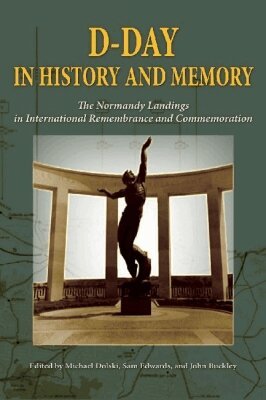
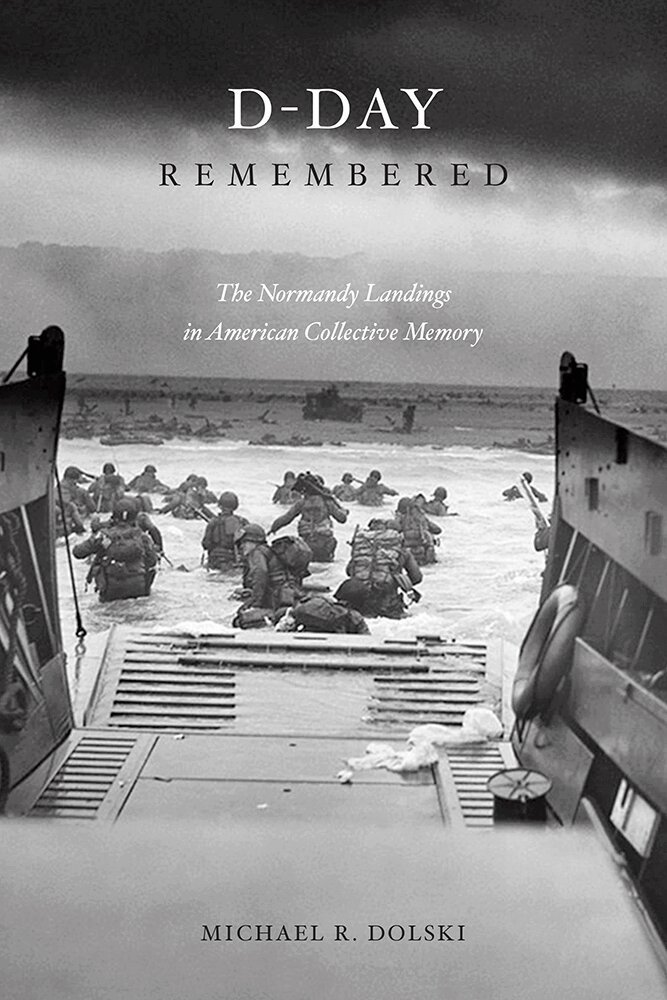
Over the past seventy years, the Allied invasion of Northwestern France in June 1944, known as D-Day, has come to stand as something more than a major battle. The assault itself formed a vital component of Allied victory in the Second World War. D-Day developed into a sign and symbol; as a word it carries with it a series of ideas and associations that have come to symbolize different things to different people and nations. As such, the commemorative activities linked to the battle offer a window for viewing the various belligerents in their postwar years. This book examines the commonalities and differences in national collective memories of D-Day. Chapters cover the main forces on the day of battle, including the United States, Great Britain, Canada, France, and Germany. In addition, a chapter on Russian memory of the invasion explores other views of the battle. The overall thrust of the book shows that memories of the past vary over time, link to present-day needs, and also still have a clear national and cultural specificity. These memories arise in a multitude of locations such as film, books, monuments, anniversary celebrations, and news media representations.