Michael Drewett - Böcker
Visar alla böcker från författaren Michael Drewett. Handla med fri frakt och snabb leverans.
7 produkter
7 produkter
2 374 kr
Skickas inom 10-15 vardagar
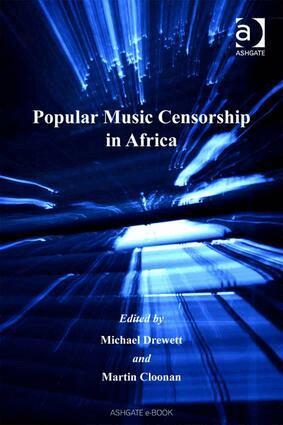
In Africa, tension between freedom of expression and censorship in many contexts remains as contentious, if not more so, than during the period of colonial rule which permeated the twentieth century. Over the last one hundred years popular musicians have not been free to sing about whatever they wish to, and in many countries they are still not free to do so. This volume brings together the latest research on censorship in colonial and post-colonial Africa, focusing on the attempts to censor musicians and the strategies of resistance devised by musicians in their struggles to be heard. For Africa, the twentieth century was characterized first and foremost by struggles for independence, as colonizer and colonized struggled for territorial control. Throughout this period culture was an important contested terrain in hegemonic and counter-hegemonic struggles and many musicians who aligned themselves with independence movements viewed music as an important cultural weapon. Musical messages were often political, opposing the injustices of colonial rule. Colonial governments reacted to counter-hegemonic songs through repression, banning songs from distribution and/or broadcast, while often targeting the musicians with acts of intimidation in an attempt to silence them. In the post-independence era a disturbing trend has occurred, in which African governments have regularly continued to practise censorship of musicians. However, not all attempts to silence musicians have emanated from government, nor has all contested music been strictly political. Religious and moral rationale has also featured prominently in censorship struggles. Both Christian and Muslim fundamentalism has led to extreme attempts to silence musicians. In response, musicians have often sought ways of getting their music and message heard, despite censorship and harassment. The book includes a special section on case studies that highlight issues of nationality.
2 166 kr
Skickas inom 10-15 vardagar
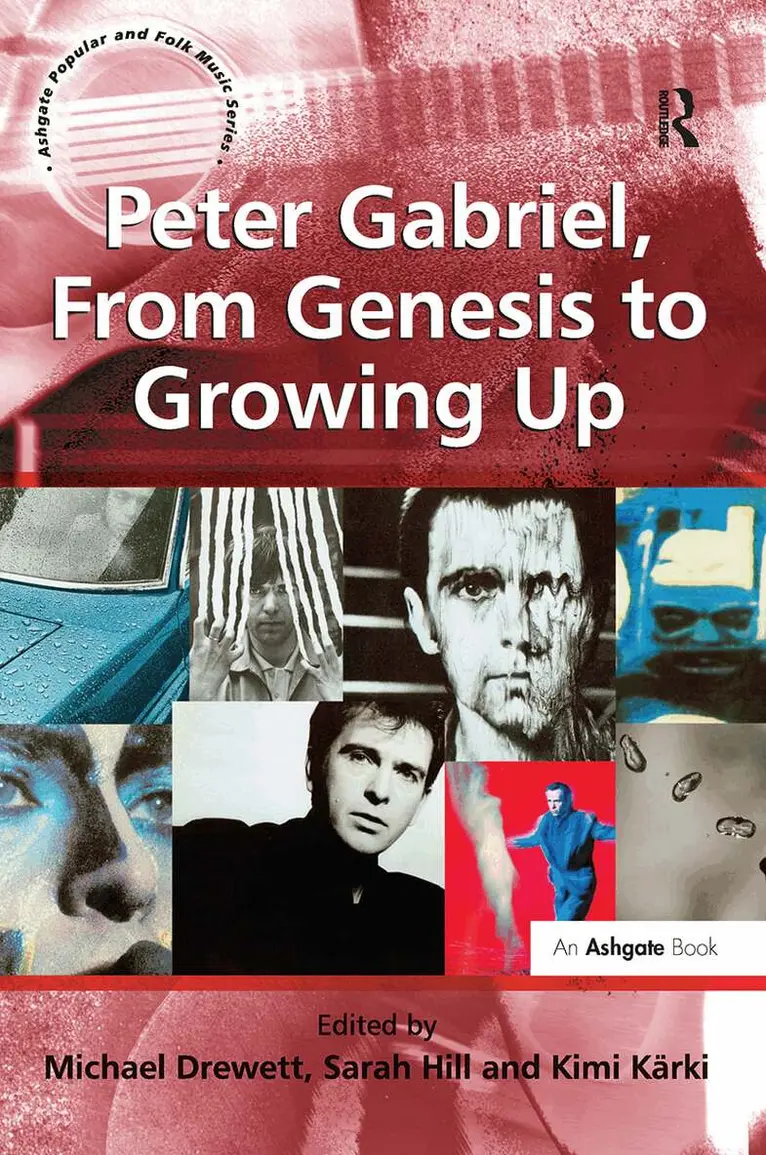
Ever since Peter Gabriel fronted progressive rock band Genesis, from the late 1960s until the mid 1970s, journalists and academics alike have noted the importance of Gabriel's contribution to popular music. His influence became especially significant when he embarked on a solo career in the late 1970s. Gabriel secured his place in the annals of popular music history through his poignant recordings, innovative music videos, groundbreaking live performances, the establishment of WOMAD (the World of Music and Dance) and the Real World record label (as a forum for musicians from around the world to be heard, recorded and promoted) and for his political agenda (including links to a variety of political initiatives including the Artists Against Apartheid Project, Amnesty International and the Human Rights Now tour). In addition, Gabriel is known as a sensitive, articulate and critical performer whose music reflects an innate curiosity and deep intellectual commitment. This collection documents and critically explores the most central themes found in Gabriel's work. These are divided into three important conceptual areas arising from Gabriel's activity as a songwriter and recording artist, performer and activist: 'Identity and Representation', 'Politics and Power' and 'Production and Performance'.
794 kr
Skickas inom 10-15 vardagar
In Africa, tension between freedom of expression and censorship in many contexts remains as contentious, if not more so, than during the period of colonial rule which permeated the twentieth century. Over the last one hundred years popular musicians have not been free to sing about whatever they wish to, and in many countries they are still not free to do so. This volume brings together the latest research on censorship in colonial and post-colonial Africa, focusing on the attempts to censor musicians and the strategies of resistance devised by musicians in their struggles to be heard. For Africa, the twentieth century was characterized first and foremost by struggles for independence, as colonizer and colonized struggled for territorial control. Throughout this period culture was an important contested terrain in hegemonic and counter-hegemonic struggles and many musicians who aligned themselves with independence movements viewed music as an important cultural weapon. Musical messages were often political, opposing the injustices of colonial rule. Colonial governments reacted to counter-hegemonic songs through repression, banning songs from distribution and/or broadcast, while often targeting the musicians with acts of intimidation in an attempt to silence them. In the post-independence era a disturbing trend has occurred, in which African governments have regularly continued to practise censorship of musicians. However, not all attempts to silence musicians have emanated from government, nor has all contested music been strictly political. Religious and moral rationale has also featured prominently in censorship struggles. Both Christian and Muslim fundamentalism has led to extreme attempts to silence musicians. In response, musicians have often sought ways of getting their music and message heard, despite censorship and harassment. The book includes a special section on case studies that highlight issues of nationality.
710 kr
Skickas inom 10-15 vardagar
Ever since Peter Gabriel fronted progressive rock band Genesis, from the late 1960s until the mid 1970s, journalists and academics alike have noted the importance of Gabriel's contribution to popular music. His influence became especially significant when he embarked on a solo career in the late 1970s. Gabriel secured his place in the annals of popular music history through his poignant recordings, innovative music videos, groundbreaking live performances, the establishment of WOMAD (the World of Music and Dance) and the Real World record label (as a forum for musicians from around the world to be heard, recorded and promoted) and for his political agenda (including links to a variety of political initiatives including the Artists Against Apartheid Project, Amnesty International and the Human Rights Now tour). In addition, Gabriel is known as a sensitive, articulate and critical performer whose music reflects an innate curiosity and deep intellectual commitment. This collection documents and critically explores the most central themes found in Gabriel's work. These are divided into three important conceptual areas arising from Gabriel's activity as a songwriter and recording artist, performer and activist: 'Identity and Representation', 'Politics and Power' and 'Production and Performance'.
375 kr
Skickas inom 7-10 vardagar
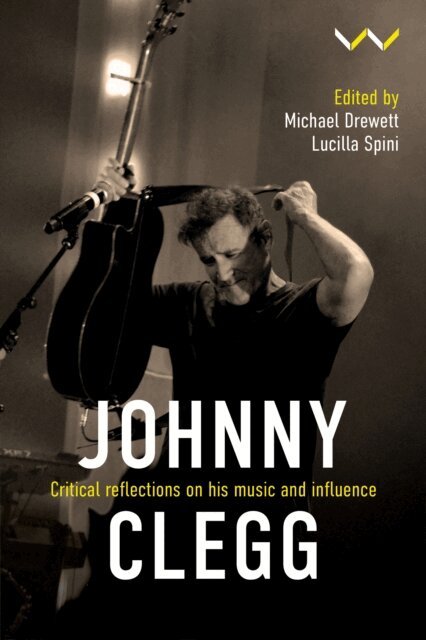
This book examines the profound legacy of Johnny Clegg (1953-2019), the South African musician, anthropologist and cultural activist who revolutionised the nation's musical landscape. From his groundbreaking collaboration with Sipho Mchunu in the 1970s through to his success with Juluka and Savuka, and as a solo artist, Clegg navigated apartheid-era censorship while reshaping South African cultural politics.Drawing on unprecedented access to archival materials and band member interviews, this interdisciplinary research analyses Clegg's unique position as both scholar and performer. The study presents three critical interventions: an examination of his synthesis of music, dance and political philosophy as embodied resistance to apartheid; an analysis of his transnational impact and navigation of the global cultural boycott; and an investigation of cultural appropriation and decolonial practice through his engagement with, and reinterpretation of Zulu traditions.Situated at the intersection of ethnomusicology, anthropology and African studies, this volume offers fresh theoretical frameworks for understanding cultural hybridity and postcolonial performance. It positions Clegg's work within broader discussions of race, power and cultural production in the Global South.
976 kr
Skickas inom 7-10 vardagar
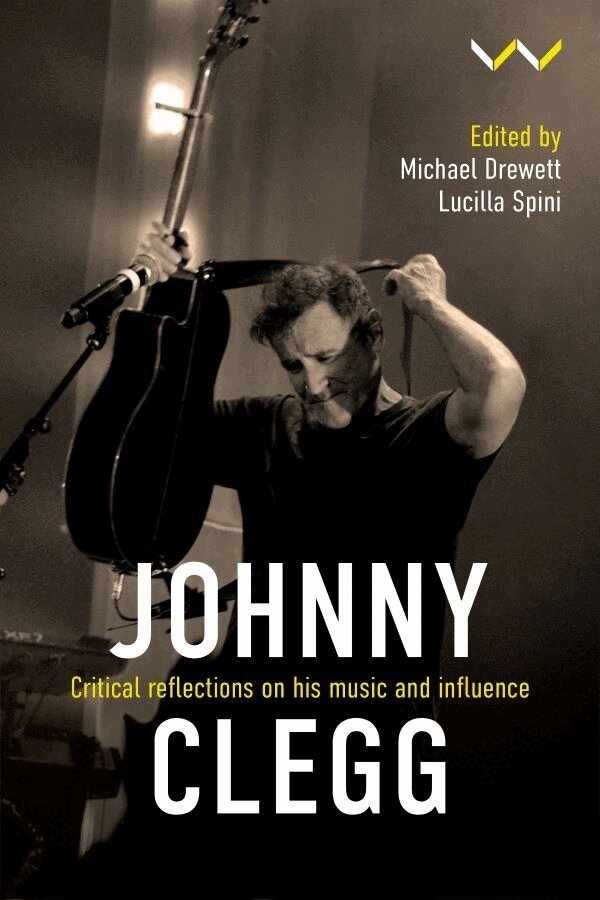
This book examines the profound legacy of Johnny Clegg (1953-2019), the South African musician, anthropologist and cultural activist who revolutionised the nation's musical landscape. From his groundbreaking collaboration with Sipho Mchunu in the 1970s through to his success with Juluka and Savuka, and as a solo artist, Clegg navigated apartheid-era censorship while reshaping South African cultural politics.Drawing on unprecedented access to archival materials and band member interviews, this interdisciplinary research analyses Clegg's unique position as both scholar and performer. The study presents three critical interventions: an examination of his synthesis of music, dance and political philosophy as embodied resistance to apartheid; an analysis of his transnational impact and navigation of the global cultural boycott; and an investigation of cultural appropriation and decolonial practice through his engagement with, and reinterpretation of Zulu traditions.Situated at the intersection of ethnomusicology, anthropology and African studies, this volume offers fresh theoretical frameworks for understanding cultural hybridity and postcolonial performance. It positions Clegg's work within broader discussions of race, power and cultural production in the Global South.
375 kr
Skickas inom 7-10 vardagar
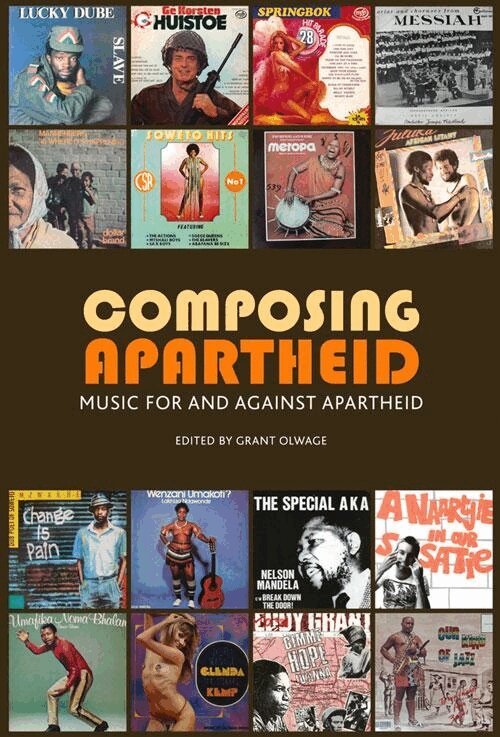
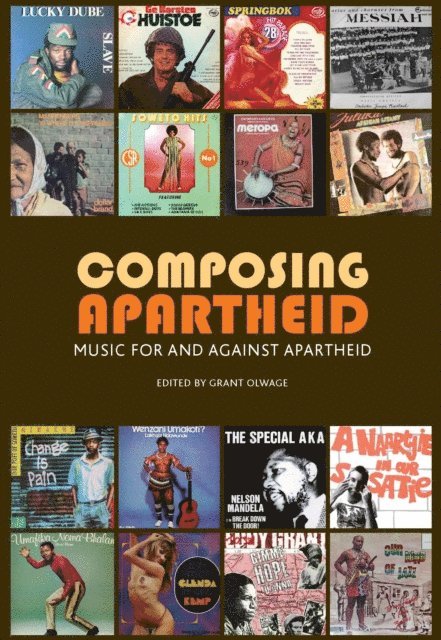
Composing Apartheid is the first book ever to chart the musical world of a notorious period in world history, apartheid South Africa. It explores how music was produced through, and was productive of, key features of apartheid's social and political topography, as well as how music and musicians contested and even helped to conquer apartheid. The collection of essays is intentionally broad, and the contributors include historians, sociologists and anthropologists, as well as ethnomusicologists, music theorists and historical musicologists. The essays focus on a variety of music (jazz, music in the Western art tradition, popular music) and on major composers (such as Kevin Volans) and works (Handel's Messiah). Musical institutions and previously little-researched performers (such as the African National Congress's troupe-in-exile, Amandla) are explored. The writers move well beyond their subject matter, intervening in debates on race, historiography, and postcolonial epistemologies and pedagogies.