Michael Gibbs Hill - Böcker
Visar alla böcker från författaren Michael Gibbs Hill. Handla med fri frakt och snabb leverans.
3 produkter
3 produkter
618 kr
Skickas inom 5-8 vardagar
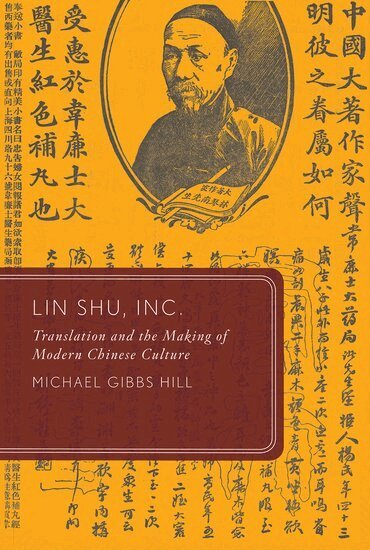
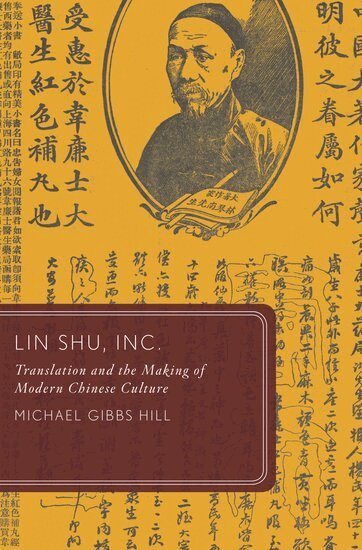
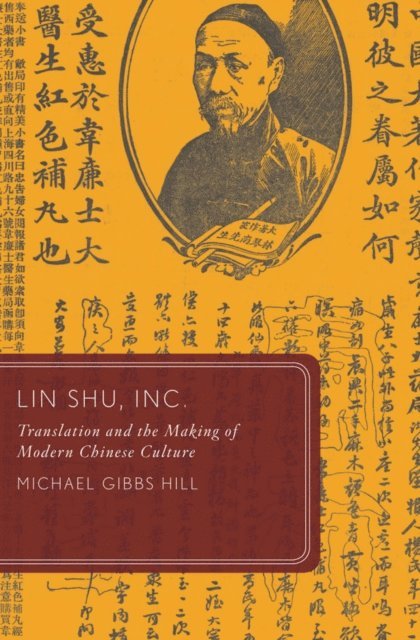
Lin Shu, Inc. explores the dynamic interactions between literary translation, commercial publishing, and the politics of "traditional" Chinese culture in the late nineteenth and early twentieth centuries. It breaks new ground as the first full-length study in any Western language on the career and works of Lin Shu and his many collaborators in the publishing, academic, and business worlds. Integrating literary scholarship, translation studies, and print history, this book provides new insights into a controversial figure in world literature and his place in the profound transformations in authorship and cultural production in modern China.Well before Ezra Pound and Bertolt Brecht transformed Western-language poetry and theater with their inventions of Chinese culture, Lin Shu and his collaborators had already embarked on a translation project unique in modern literature. Although he knew no foreign languages, in a 20-year period Lin Shu worked with 19 different assistants schooled in English, French, and other tongues to complete more than 180 book-length translations into classical Chinese. Through burgeoning print outlets such as the Commercial Press (Shangwu yinshuguan), Lin and his collaborators offered many readers in China their first taste of "Western literature" - usually 19th-century novels and short stories from the United States, England, and France. At the same time, Lin Shu leveraged his labors as a translator to make himself into a leading authority on "traditional" Chinese literature and cultural values. From what one publisher called his "factory of words," Lin issued scores of textbooks and anthologies of classical-language literature, along with short stories, poems, essays, and a handful of full-length novels.
1 380 kr
Skickas inom 5-8 vardagar
Lin Shu, Inc. explores the dynamic interactions between literary translation, commercial publishing, and the politics of "traditional" Chinese culture in the late nineteenth and early twentieth centuries. It breaks new ground as the first full-length study in any Western language on the career and works of Lin Shu and his many collaborators in the publishing, academic, and business worlds. Integrating literary scholarship, translation studies, and print history, this book provides new insights into a controversial figure in world literature and his place in the profound transformations in authorship and cultural production in modern China.Well before Ezra Pound and Bertolt Brecht transformed Western-language poetry and theater with their inventions of Chinese culture, Lin Shu and his collaborators had already embarked on a translation project unique in modern literature. Although he knew no foreign languages, in a 20-year period Lin Shu worked with 19 different assistants schooled in English, French, and other tongues to complete more than 180 book-length translations into classical Chinese. Through burgeoning print outlets such as the Commercial Press (Shangwu yinshuguan), Lin and his collaborators offered many readers in China their first taste of "Western literature" - usually 19th-century novels and short stories from the United States, England, and France. At the same time, Lin Shu leveraged his labors as a translator to make himself into a leading authority on "traditional" Chinese literature and cultural values. From what one publisher called his "factory of words," Lin issued scores of textbooks and anthologies of classical-language literature, along with short stories, poems, essays, and a handful of full-length novels.
597 kr
Skickas inom 7-10 vardagar
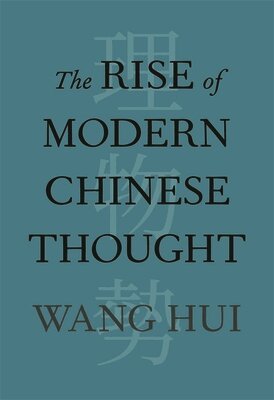
"Brilliantly reveals a China that has always been lively and pluralist in its political thought...His analysis has immense relevance for China today." –Rana Mitter, Foreign AffairsThe definitive history of China’s philosophical confrontation with modernity, available for the first time in English.What does it mean for China to be modern, or for modernity to be Chinese? How is the notion of historical rupture—a fundamental distinction between tradition and modernity—compatible or not with the history of Chinese thought?These questions animate The Rise of Modern Chinese Thought, a sprawling intellectual history considered one of the most significant achievements of modern Chinese scholarship, available here in English for the first time. Wang Hui traces the seventh-century origins of three key ideas—“principle” (li), “things” (wu), and “propensity” (shi)—and analyzes their continual evolution up to the beginning of the twentieth century. Confucian scholars grappled with the problem of linking transcendental law to the material world, thought to action—a goal that Wang argues became outdated as China’s socioeconomic conditions were radically transformed during the Song Dynasty. Wang shows how the epistemic shifts of that time period produced a new intellectual framework that has proven both durable and malleable, influencing generations of philosophers and even China’s transformation from empire to nation-state in the early twentieth century. In a new preface, Wang also reflects on responses to his book since its original publication in Chinese.With theoretical rigor and uncommon insight into the roots of contemporary political commitments, Wang delivers a masterpiece of scholarship that is overdue in translation. Through deep readings of key figures and classical texts, The Rise of Modern Chinese Thought provides an account of Chinese philosophy and history that will transform our understanding of the modern not only in China but around the world.