Michael Hymers – författare
Visar alla böcker från författaren Michael Hymers. Handla med fri frakt och snabb leverans.
10 produkter
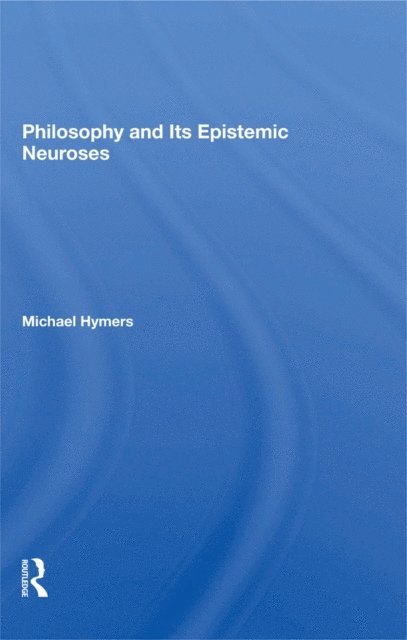
Philosophy And Its Epistemic Neuroses
Inbunden, 2019
1522 kr
Lägg i varukorg
This book argues that analytical philosophy and radical theory alike stand in an ambivalent relationship with skepticism. It explains structuralism, feminist theory and critical theory to outline a therapeutic alternative to philosophical theoreticism.
Philosophy And Its Epistemic Neuroses
Häftad, 2021
502 kr
Lägg i varukorg
This book argues that analytical philosophy and radical theory alike stand in an ambivalent relationship with skepticism. It explains structuralism, feminist theory and critical theory to outline a therapeutic alternative to philosophical theoreticism.
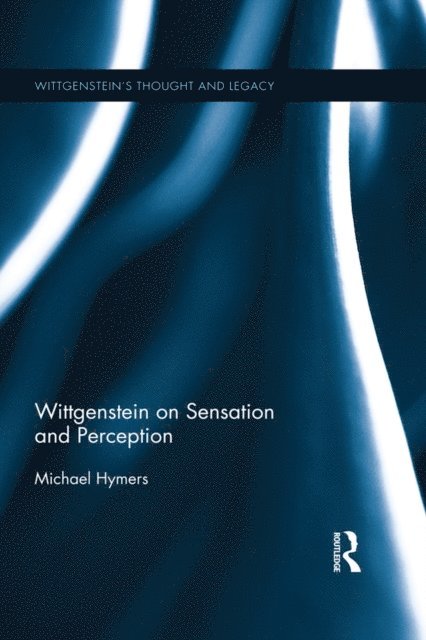
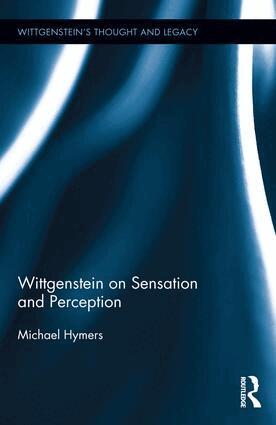
Wittgenstein on Sensation and Perception
Häftad, 2020
706 kr
Lägg i varukorg
This book offers two novel claims about Wittgenstein’s views and methods on perception as explored in the Philosophical Investigations. The first is an interpretive claim about Wittgenstein: that his views on sensation and perception, including his critique of private language, have their roots in …
Philosophy And Its Epistemic Neuroses
E-bok, 2019
589 kr
Lägg i varukorg
This book argues that analytical philosophy and radical theory alike stand in an ambivalent relationship with skepticism. It explains structuralism, feminist theory and critical theory to outline a therapeutic alternative to philosophical theoreticism.
Philosophy And Its Epistemic Neuroses
E-bok, 2019
589 kr
Lägg i varukorg
This book argues that analytical philosophy and radical theory alike stand in an ambivalent relationship with skepticism. It explains structuralism, feminist theory and critical theory to outline a therapeutic alternative to philosophical theoreticism.
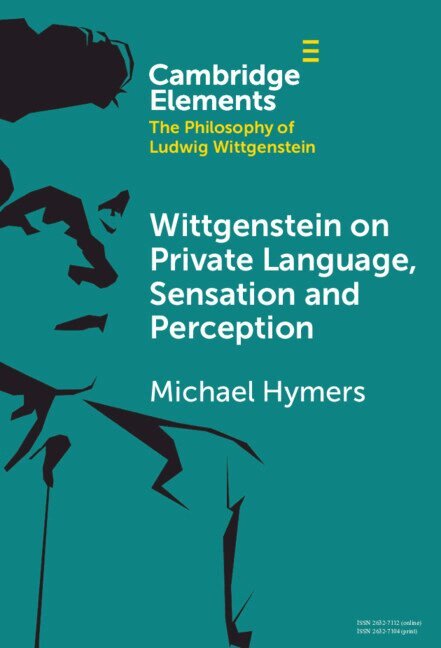
Wittgenstein on Private Language, Sensation and Perception
Inbunden, 2025
911 kr
Lägg i varukorg
Wittgenstein's critique of private language in the Philosophical Investigations does not attempt to refute the possibility of a private sensation-language, let alone in any one argument, as has often been thought. Nor does it aim to establish that language is intrinsically social. Instead, PI …
Wittgenstein on Private Language, Sensation and Perception
Häftad, 2025
308 kr
Lägg i varukorg
Wittgenstein's critique of private language in the Philosophical Investigations does not attempt to refute the possibility of a private sensation-language, let alone in any one argument, as has often been thought. Nor does it aim to establish that language is intrinsically social. Instead, PI …
Wittgenstein on Sensation and Perception
E-bok, 2017
813 kr
Lägg i varukorg
This book offers two novel claims about Wittgenstein’s views and methods on perception as explored in the Philosophical Investigations . The first is an interpretive claim about Wittgenstein: that his views on sensation and perception, including his critique of private language, have their roots …
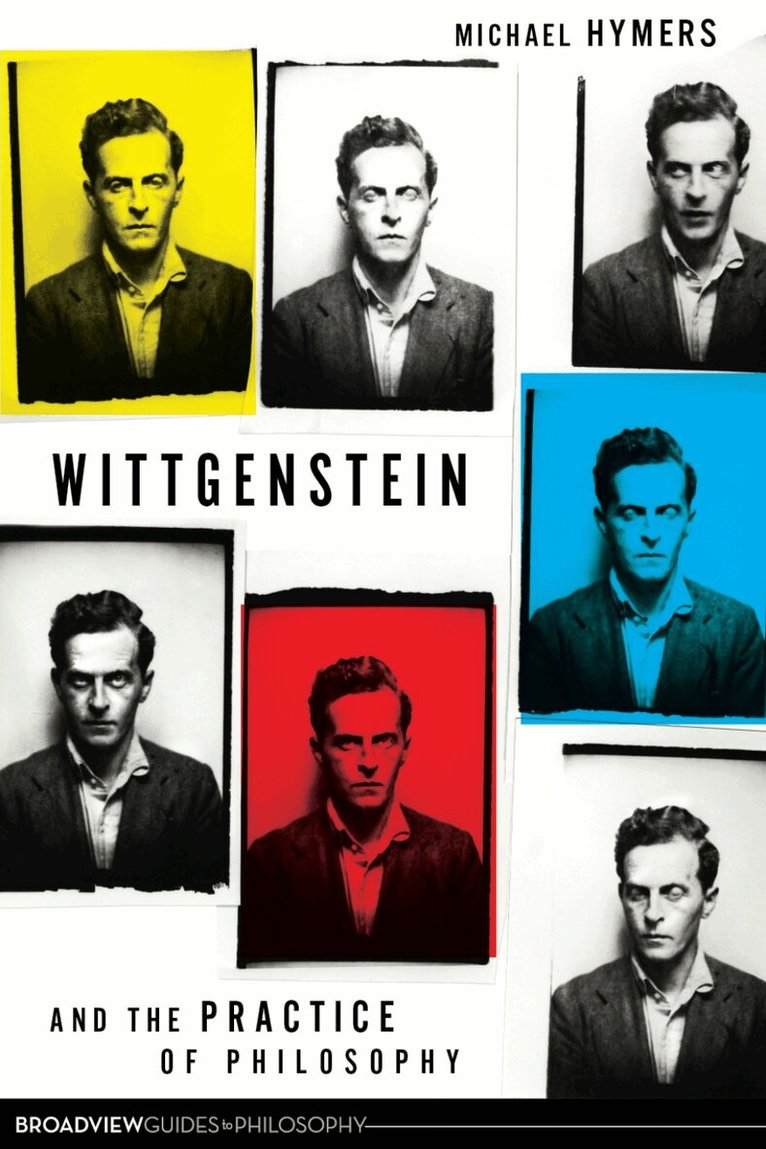
Wittgenstein and the Practice of Philosophy
Häftad, 2009
536 kr
Lägg i varukorg
Wittgenstein and the Practice of Philosophy introduces Wittgenstein’s philosophy to senior undergraduates and graduate students. Its pedagogical premise is that the best way to understand Wittgenstein’s thought is to take seriously his methodological remarks. Its interpretive premise is that those …
Wittgenstein on Sensation and Perception
Inbunden, 2017
2746 kr
Lägg i varukorg
This book offers two novel claims about Wittgenstein’s views and methods on perception as explored in the Philosophical Investigations. The first is an interpretive claim about Wittgenstein: that his views on sensation and perception, including his critique of private language, have their roots in …