Michael Neocosmos – författare
Visar alla böcker från författaren Michael Neocosmos. Handla med fri frakt och snabb leverans.
12 produkter
12 produkter
Häftad, Engelska, 2017
523 kr
Skickas inom 5-8 vardagar
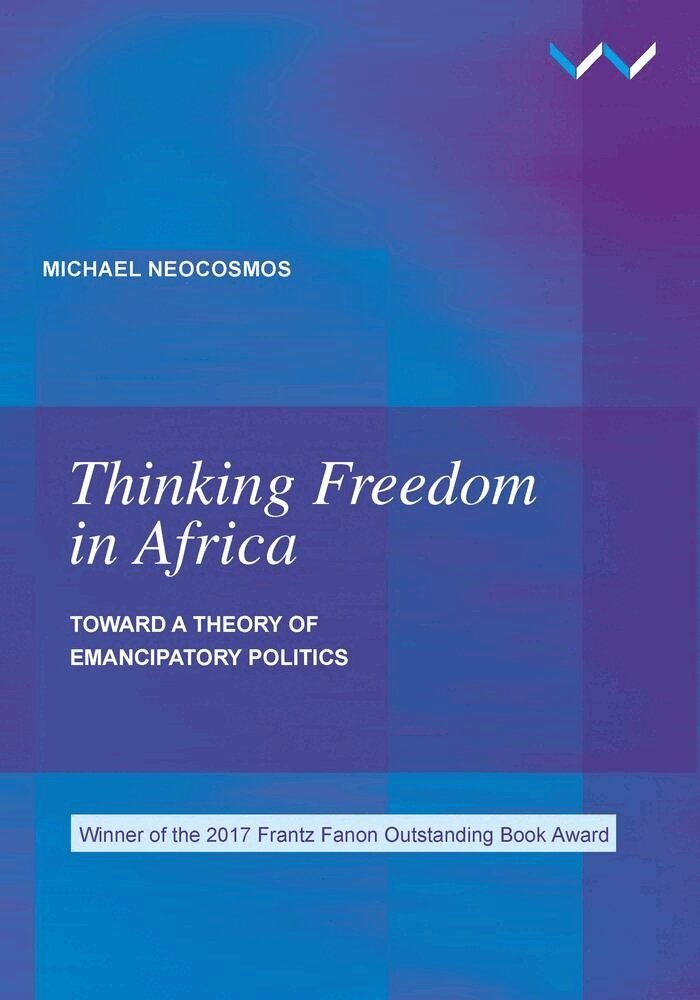
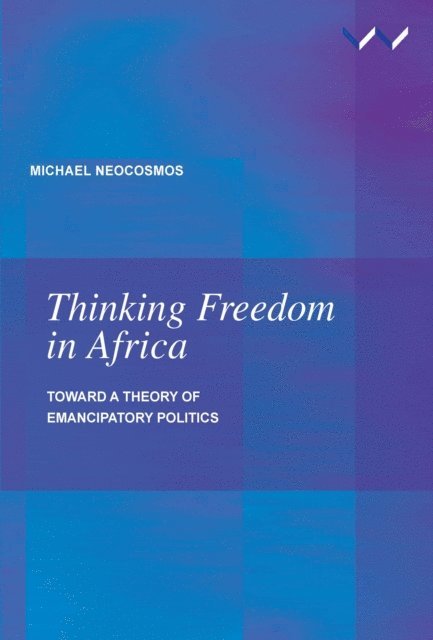
Thinking Freedom in Africa conceives an emancipatory politics beginning from the axiom that 'people think'. Previous ways of conceiving the universal emancipation of humanity have in practice ended in failure. Marxism, anti-colonial nationalism and neo-liberalism all understand the achievement of universal emancipation through a form of state politics. Marxism, which had encapsulated the idea of freedom for most of the twentieth century, was found wanting when it came to thinking emancipation because social interests and identities were understood as simply reflected in political subjectivity which could only lead to statist authoritarianism. Neo-liberalism and anti-colonial nationalism have also both assumed that freedom is realizable through the state, and have been equally authoritarian in their relations to those they have excluded on the African continent and elsewhere.Thinking Freedom in Africa then conceives emancipatory politics beginning from the axiom that 'people think'. In other words, the idea that anyone is capable of engaging in a collective thought-practice which exceeds social place, interests and identities and which thus begins to think a politics of universal humanity. Using the work of thinkers such as Alain Badiou, Jacques Rancière, Sylvain Lazarus, Frantz Fanon and many others, along with the inventive thought of people themselves in their experiences of struggle, the author proceeds to analyse how Africans themselves – with agency of their own – have thought emancipation during various historical political sequences and to show how emancipation may be thought today in a manner appropriate to twenty-first century conditions and concerns.
E-bok
Engelska, 2016553 kr
Läs direkt efter köp
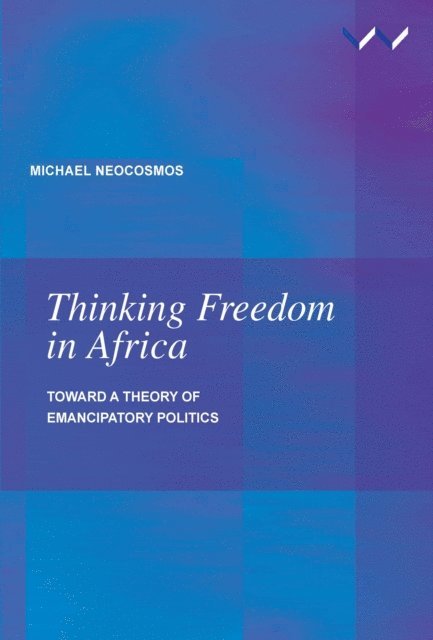
Previous ways of conceiving the universal emancipation of humanity have in practice ended in failure. Marxism, anti-colonial nationalism and neo-liberalism all understand the achievement of universal emancipation through a form of state politics. Marxism, which had encapsulated the idea of freedom for most of the twentieth century, was found wanting when it came to thinking emancipation because social interests and identities were understood as simply reflected in political subjectivity which could only lead to statist authoritarianism. Neo-liberalism and anti-colonial nationalism have also both assumed that freedom is realisable through the state, and have been equally authoritarian in their relations to those they have excluded on the African continent and elsewhere. Thinking Freedom in Africa then conceives emancipatory politics beginning from the axiom that people think’. In other words, the idea that anyone is capable of engaging in a collective thought-practice which exceeds social place, interests and identities and which thus begins to think a politics of universal humanity. Using the work of thinkers such as Alain Badiou, Jacques Rancière, Sylvain Lazarus, Frantz Fanon and many others, along with the inventive thought of people themselves in their experiences of struggle, the author proceeds to analyse how Africans themselves – with agency of their own – have thought emancipation during various historical political sequences and to show how emancipation may be thought today in a manner appropriate to twenty-first century conditions and concerns.
E-bok
PDF, Engelska, 2016553 kr
Läs direkt efter köp
Previous ways of conceiving the universal emancipation of humanity have in practice ended in failure. Marxism, anti-colonial nationalism and neo-liberalism all understand the achievement of universal emancipation through a form of state politics. Marxism, which had encapsulated the idea of freedom for most of the twentieth century, was found wanting when it came to thinking emancipation because social interests and identities were understood as simply reflected in political subjectivity which could only lead to statist authoritarianism. Neo-liberalism and anti-colonial nationalism have also both assumed that freedom is realisable through the state, and have been equally authoritarian in their relations to those they have excluded on the African continent and elsewhere. Thinking Freedom in Africa then conceives emancipatory politics beginning from the axiom that people think’. In other words, the idea that anyone is capable of engaging in a collective thought-practice which exceeds social place, interests and identities and which thus begins to think a politics of universal humanity. Using the work of thinkers such as Alain Badiou, Jacques Rancière, Sylvain Lazarus, Frantz Fanon and many others, along with the inventive thought of people themselves in their experiences of struggle, the author proceeds to analyse how Africans themselves – with agency of their own – have thought emancipation during various historical political sequences and to show how emancipation may be thought today in a manner appropriate to twenty-first century conditions and concerns.
Häftad, Portugisiska, 2023
101 kr
Skickas inom 5-8 vardagar
Häftad, Engelska, 2023
111 kr
Skickas inom 5-8 vardagar
Häftad, Franska, 2023
101 kr
Skickas inom 5-8 vardagar
Häftad, Engelska, 2026
247 kr
Kommande
Häftad, Engelska, 2010
550 kr
Skickas inom 5-8 vardagar
E-bok
PDF, Engelska, 2010645 kr
Läs direkt efter köp
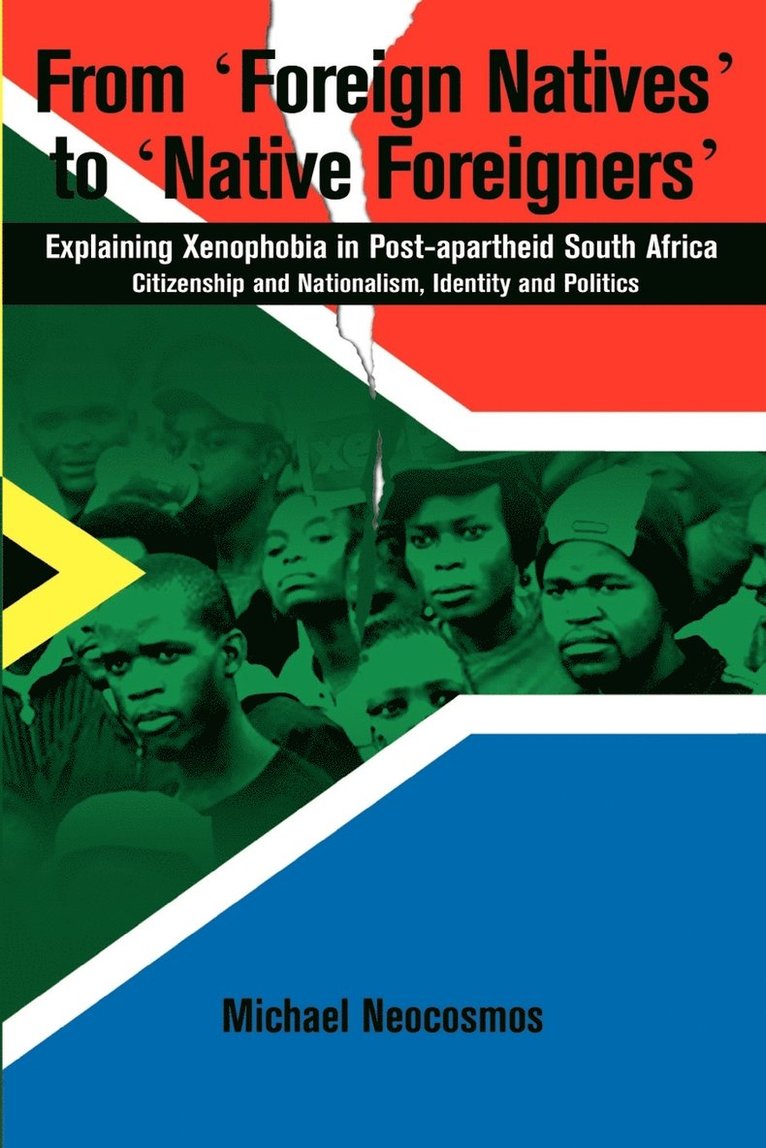
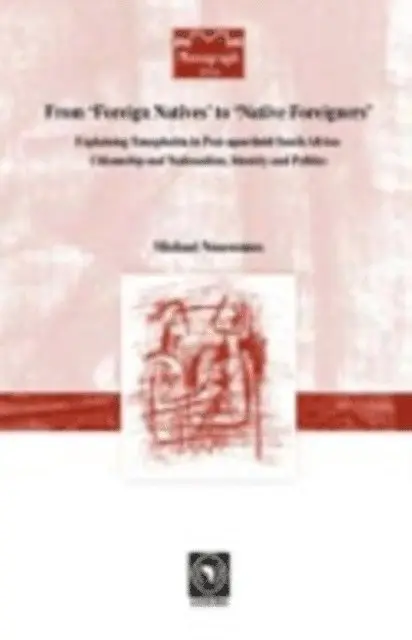
The events of May 2008 in which 62 people were killed simply for being ,foreign, and thousands were turned overnight into refugees shook the South African nation. This book is the first to attempt a comprehensive and rigorous explanation for those horrific events. It argues that xenophobia should be understood as a political discourse and practice. As such its historical development as well as the conditions of its existence must be elucidated in terms of the practices and prescriptions which structure the field of politics. In South Africa, the history of xenophobia is intimately connected to the manner in which citizenship has been conceived and fought over during the past fifty years at least. Migrant labour was de-nationalised by the apartheid state, while African nationalism saw the same migrant labour as the foundation of that oppressive system. Only those who could show a family connection with the colonial and apartheid formation of South Africa could claim citizenship at liberation. Others were excluded and seen as unjustified claimants to national resources. Xenophobia,s conditions of existence, the book argues, are to be found in the politics of post-apartheid nationalism where state prescriptions founded on indigeneity have been allowed to dominate uncontested in conditions of an overwhelmingly passive conception of citizenship. The de-politicisation of an urban population, which had been able to assert its agency during the 1980s through a discourse of human rights in particular, contributed to this passivity. Such state liberal politics have remained largely unchallenged. As in other cases of post-colonial transition in Africa, the hegemony of xenophobic discourse, the book contends, is to be sought in the specific character of the state consensus.
E-bok
PDF, Engelska, 2008592 kr
Läs direkt efter köp
Xenophobia is a political discourse. As such, its historical development as well as the conditions of its existence must be elucidated in terms of the practices and prescriptions that structure the field of politics. In South Africa, its history is connected to the manner citizenship has been conceived and fought over during the past fifty years at least. Migrant labour was de-nationalised by the apartheid state, while African nationalism saw it as the very foundation of that oppressive system. However, only those who could show a family connection with the colonial/apartheid formation of South Africa could claim citizenship at liberation. Others were excluded and seen as unjustified claimants to national resources. Xenophobia's current conditions of existence are to be found in the politics of a post-apartheid nationalism were state prescriptions founded on indigeneity have been allowed to dominate uncontested in condition of passive citizenship. The de-politicisation of a population, which had been able to assert its agency during the 1980s, through a discourse of 'human rights' in particular, has contributed to this passivity. State liberal politics have remained largely unchallenged. As in other cases of post-colonial transition in Africa, the hegemony of xenophobic discourse, the book shows, is to be sought in the character of the state consensus. Only a rethinking of citizenship as an active political identity can re-institute political agency and hence begin to provide alternative prescriptions to the political consensus of state-induced exclusion.
E-bok
PDF, Engelska, 2021694 kr
Läs direkt efter köp
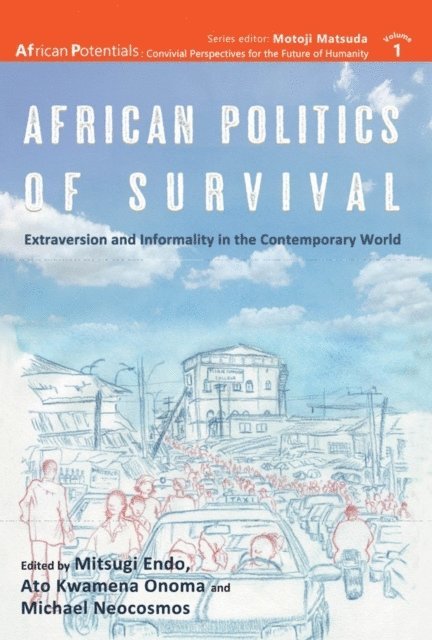
This volume addresses two primary research concerns: first, considering extraversion (or extroversion) as a term for characterizing a region that is "e;mobilizing resources from their (possibly unequal) relationship with the external environment"e;, a dynamic that constitutes a possible African potential; and, second, a survey of competing systems and strategies with a focus on relationships between formal and informal institutions in terms of their collaborations and conflicts. In addition, this volume contains three chapters examining very recent African responses to the ongoing COVID-19 pandemic from a variety of perspectives. The final part of this volume contains an important contribution to the conceptualization of 'African Potentials'. This has proven to be a significant conceptual innovation, that allows intellectual access to alternative ways of thinking about latent ideas of universality.
Häftad, Engelska, 2021
598 kr
Skickas inom 5-8 vardagar