Michael Pigott – författare
Visar alla böcker från författaren Michael Pigott. Handla med fri frakt och snabb leverans.
5 produkter
5 produkter
322 kr
Skickas inom 5-8 vardagar
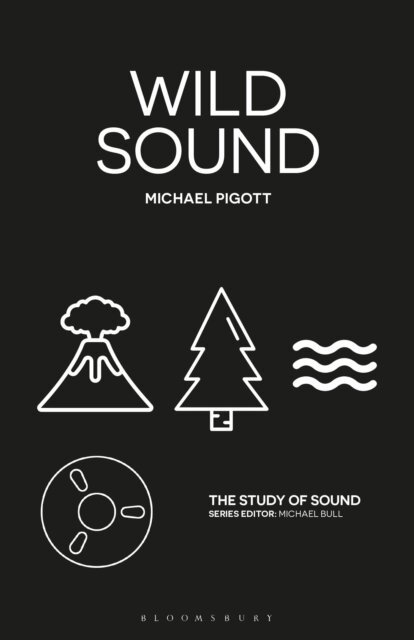
Wild Sound turns an analytic eye and ear to the role of background sound in cinema, to the way that film sound captures, creates, represents, and even critiques the environments that we inhabit. Listening beyond music and dialogue, this book explores the relationship between location sound, sound libraries, and wider practices of field recording in the creation of the film soundtrack. Wild Sound is also interested in the wildness of sound, in the ways in which ambient environmental sounds gesture to a world beyond the frame, and sometimes invite the chaotic, unmanageable energies of the world outside into the hyper-controlled domain of the film. ‘Wild sound’, or ‘wild track’, is a film industrial term for non-synchronised sounds that often originate from a process of field recording. Immanently useful as atmosphere and sonic filler, these sounds often smuggle a dangerously noisy materiality into the systems of cinema. Ambient sound has been chronically under-appreciated and critically under-examined in the study of cinema. This book asserts that the background sounds of place onscreen are never neutral. Pigott reveals them to be carefully constructed ‘sonic environments’ that play a quiet but substantial role in determining how film audiences feel about the places, people and events that populate the screen. Each chapter tracks individual sounds across a wide range of international films from the history of cinema, providing rich cultural context and technical detail, drawing out the multiple meanings and formal characteristics of those ambient sounds that are often dismissed as inconsequential. Pigott demonstrates the value of paying close attention to the cinematic sound of place, at a time when it has never been more vital to examine how we imagine and treat our environments.
324 kr
Skickas inom 10-15 vardagar
This book is available as open access through the Bloomsbury Open Access programme and is available on www.bloomsburycollections.com.Joseph Cornell is one of the most significant American artists of the 20th century. His work is highly visible in the world's most prestigious galleries, including the Tate Modern and MOMA. His famous boxes and his collage work have been admired and widely studied. However, Cornell also produced an extraordinary body of film work, a serious contribution to 20th-century avant-garde cinema, and this has been much less examined.In this book, Michael Piggott makes the case for the significance of Joseph Cornell's films. This is an important contribution to our knowledge of 20th-century culture for scholars and students of film and art history and American studies and for all those interested in pop culture, celebrity and fandom.
998 kr
Skickas inom 10-15 vardagar
Wild Sound turns an analytic eye and ear to the role of background sound in cinema, to the way that film sound captures, creates, represents, and even critiques the environments that we inhabit. Listening beyond music and dialogue, this book explores the relationship between location sound, sound libraries, and wider practices of field recording in the creation of the film soundtrack. Wild Sound is also interested in the wildness of sound, in the ways in which ambient environmental sounds gesture to a world beyond the frame, and sometimes invite the chaotic, unmanageable energies of the world outside into the hyper-controlled domain of the film. ‘Wild sound’, or ‘wild track’, is a film industrial term for non-synchronised sounds that often originate from a process of field recording. Immanently useful as atmosphere and sonic filler, these sounds often smuggle a dangerously noisy materiality into the systems of cinema. Ambient sound has been chronically under-appreciated and critically under-examined in the study of cinema. This book asserts that the background sounds of place onscreen are never neutral. Pigott reveals them to be carefully constructed ‘sonic environments’ that play a quiet but substantial role in determining how film audiences feel about the places, people and events that populate the screen. Each chapter tracks individual sounds across a wide range of international films from the history of cinema, providing rich cultural context and technical detail, drawing out the multiple meanings and formal characteristics of those ambient sounds that are often dismissed as inconsequential. Pigott demonstrates the value of paying close attention to the cinematic sound of place, at a time when it has never been more vital to examine how we imagine and treat our environments.
410 kr
Skickas inom 5-8 vardagar
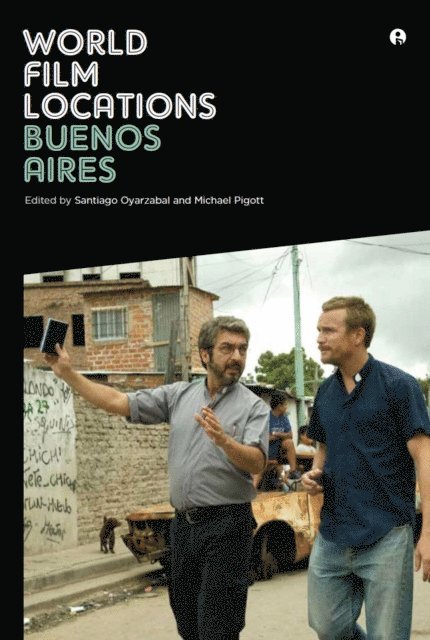
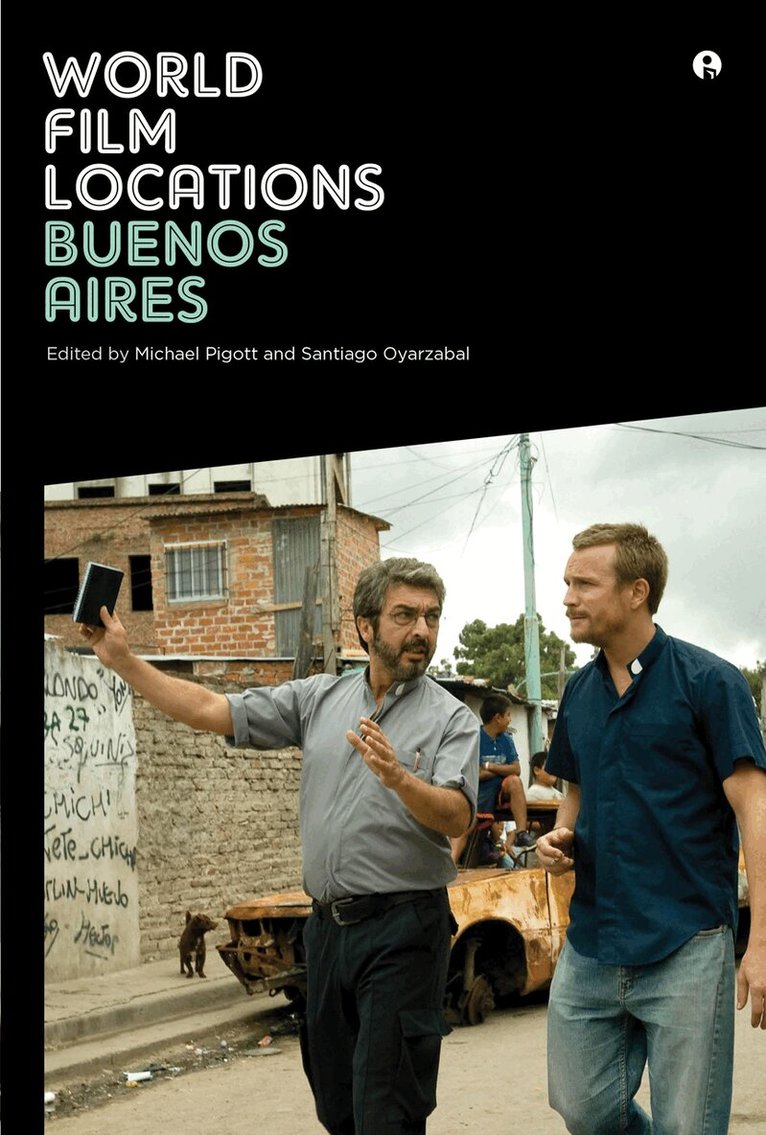
World Film Locations: Buenos Aires explores this picturesque and passionate city (the second-largest in South America) as a stage for sociopolitical transformations and a key location in the international imagination as a site of cultural export. The book uncovers the many reasons why Buenos Aires attracts not only tourists but also artists and filmmakers who explore the city and its iconography as well as its cultural and sociopolitical turbulence. A set of six essays anchor this volume; contributors consider a range of key topics related to the city onscreen, including tango, villas miseria (shantytowns), dictatorship and democracy and science fiction and the future of the city. World Film Locations: Buenos Aires is rounded out with in-depth reviews of nearly fifty key films – The Hour of the Furnaces, Nine Queens, and Evita among them – each illustrated by screenshots, current location imagery and corresponding maps for travellers and movie buffs to use as they navigate this rich cinematic city.
410 kr
Skickas inom 5-8 vardagar
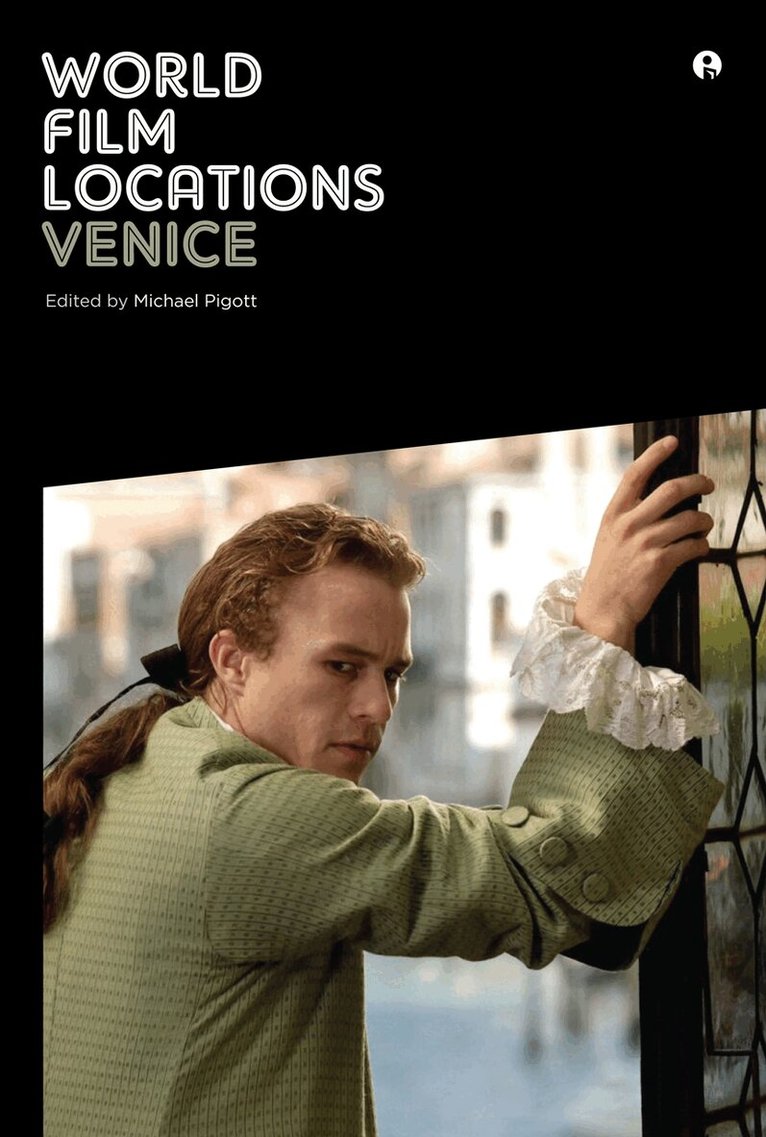
This book explores the rich history of films that have used Venice as evocative backdrop and integral character. Few cities are as densely packed with picturesque cinematic locations. Extensively illustrated with maps, film stills and present-day location photos, this book provides both a colourful guide to, and an incisive examination of, Venice on film. It contains insightful film entries describing carefully chosen scenes from each film, as well as six thematic essays, written by an impressive international selection of film critics, academics and Venice experts. The grand and familiar tourist spots take on new significances, and the book highlights less well-known spots beyond the tourist trail, including gondola repair yards and legendary, but well-hidden, restaurants. From one of the earliest mobile shots in film history – a voyage up the Grand Canal shot in 1896 – to classic depictions of the city like Summertime , Death in Venice , and Don’t Look Now , as well as recent big budget productions such as The Tourist , this book spans the history of filmmaking in Venice.